How Do Roofers Get More Work?
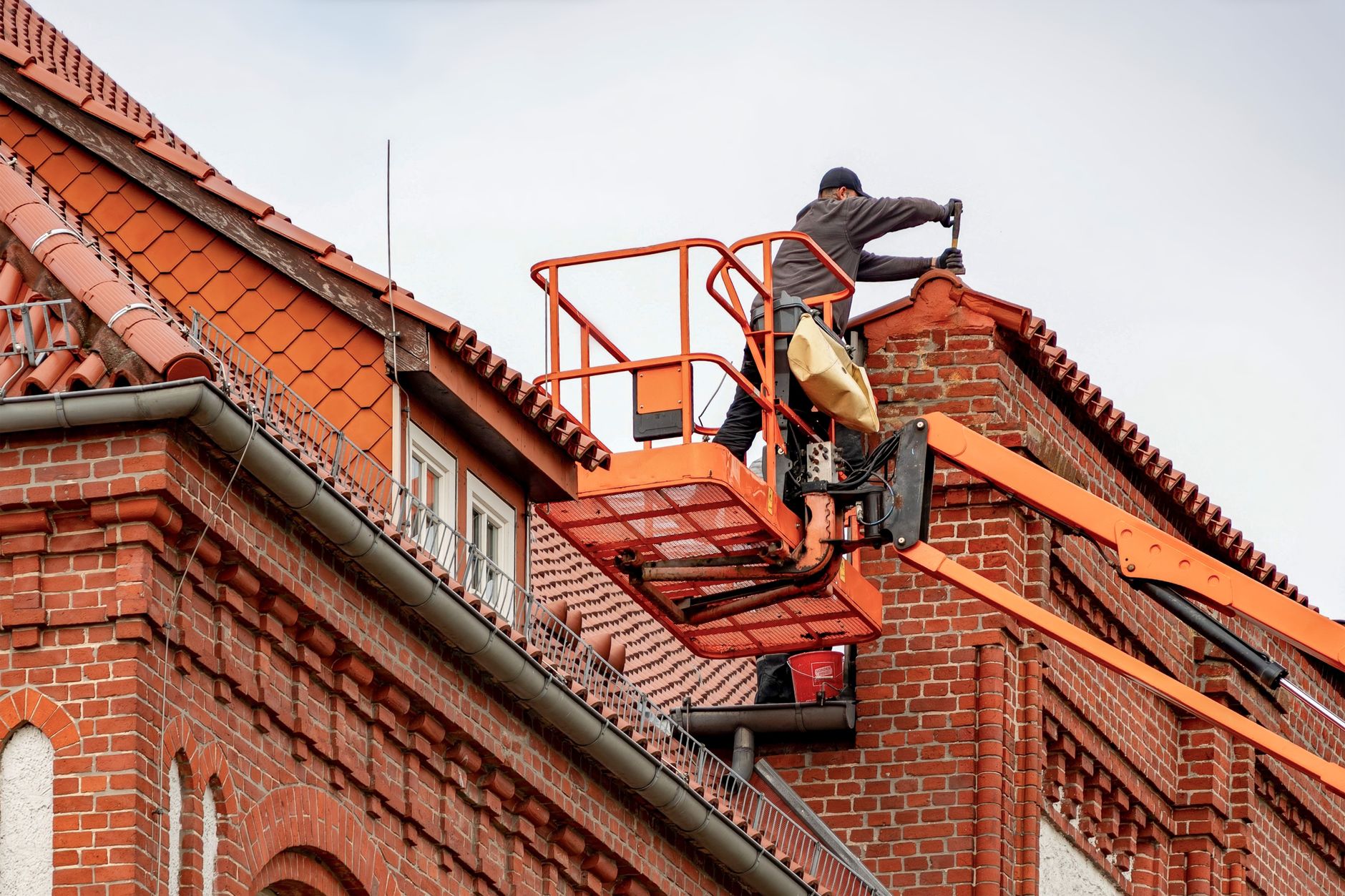
Roofers win more jobs by being easy to find at the moment of need, easy to trust once found, and easy to remember the next time something goes wrong. Most roofing work falls into two camps: the calm, planned job someone researches for weeks, and the panicked call after a storm, when a leak needs fixing today. Winning the calm job takes a complete Google Business Profile, a website that answers the obvious questions, and reviews that look recent and real. Winning the panicked job takes something less tangible, a name that is already sitting in the homeowner's memory because they saw a van, a neighbour's recommendation, or a post in the local community group months before the tile came loose. A roofer who builds both, the findable presence and the remembered name, gets called for the slow job and the emergency alike.
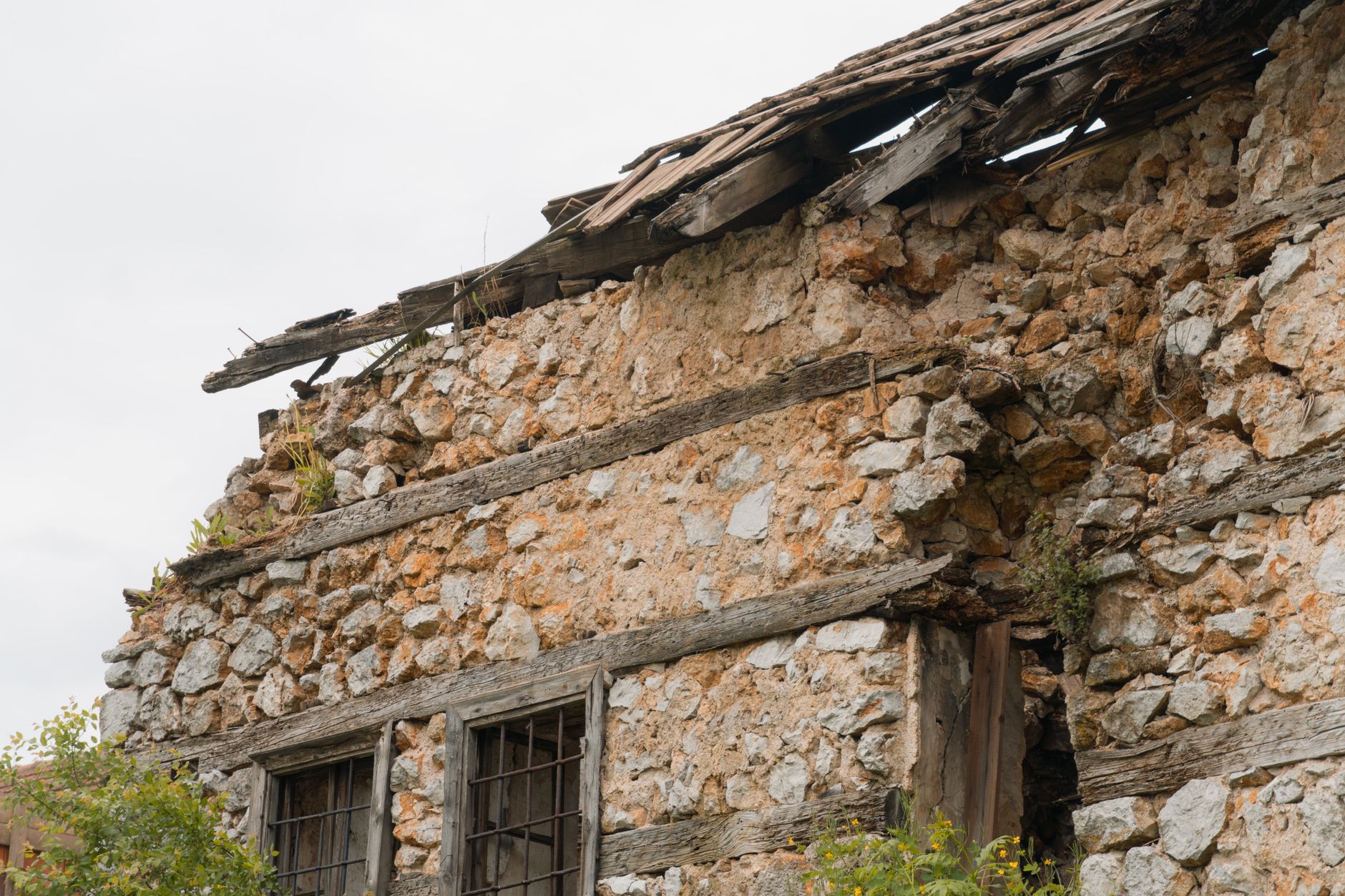
Why Trust Is the Hardest Thing to Market in Roofing
Roofing has a trust problem that was not invented by any one roofer, and it shapes every decision a homeowner makes before they ring. Rogue and cowboy builders have cost UK consumers an estimated £14.3 billion over the last five years, according to research from the Federation of Master Builders, a figure that sits in the back of a homeowner's mind the instant a stranger offers to climb onto their roof. That history means a roofer is not simply competing on price or speed. A roofer is competing against a general suspicion of the whole trade, earned by the minority who gave it a bad name.
This changes what marketing has to do. It is not enough to say you are reliable, because every cowboy builder said the same thing on the same doorstep. What works instead is proof that someone else can verify without taking your word for it: a photographed job with the homeowner's permission, a van with a real registered business name on the side, a landline that gets answered, and a trail of reviews a stranger can read before they decide to trust you with their roof. Marketing for a roofer is, in large part, the steady accumulation of evidence that you are not the cowboy the £14.3 billion figure warns about.

Why Reviews Decide Which Roofer Gets the Call
For a trade built on trust, reviews are not a nice extra. They are close to the whole decision. Nearly half of consumers, 47 percent, will not use a business with fewer than 20 reviews, and only 9 percent are willing to use one with five or fewer, according to BrightLocal's Local Consumer Review Survey 2026. A roofer with twelve reviews sits in the gap where most of the market has already ruled them out before reading a single word. The same research found that seven in ten consumers, 68 percent, will only use a business with four stars or more, up from 55 percent in 2025, so the bar for an acceptable rating has climbed in a single year, and a slow month of one awkward job can do real damage if it is not followed by fresh good ones.
Freshness matters as much as the headline score. BrightLocal also found that 74 percent of people only care about reviews written in the last three months, which means a roofer cannot coast on twenty glowing reviews from two years ago and expect them to carry the same weight today. The practical answer is to make asking for a review part of finishing every job, the same as sweeping up and taking the final photo, rather than something that happens only when business feels quiet. A steady trickle of recent reviews, each one specific about the job done, does more for a roofing business than any single advert.

Local Search Is Where the Job Starts
Most roofing jobs begin with a search, even the ones that end with a recommendation, because a homeowner wants to check the name they were given against what shows up locally. A complete, accurate Google Business Profile, with the right service area, real photos of finished roofs, and hours that are kept, is the baseline every roofer needs before anything else gets built on top. Our guide to local SEO goes through the mechanics of ranking in those local results in detail, and it is worth treating as the foundation rather than an afterthought, because a homeowner standing in the rain looking for help is not going to scroll past the third page.
The trap many roofers fall into is trying to be everything to everyone across too wide an area. A roofer who names the specific towns and postcodes they cover, and who writes plainly about the jobs they are genuinely best at, flat roofs, slate repairs, storm damage, gets found by people who are a strong match rather than a wide, thin spread of enquiries that waste time qualifying. Serving a defined patch extremely well, and being known for it, beats trying to look like the roofer for an entire county.

Timing Your Marketing to the Construction Calendar
Roofing demand does not move evenly through the year, and marketing that ignores this wastes effort pushing against a tide that is already turning. Construction output data for Great Britain in July 2026 shows the growth in that month came entirely from repair and maintenance work rather than new building, with private housing repair and maintenance up 1.7 percent while private housing new work fell 4.9 percent, according to the Office for National Statistics. For a roofer, that pattern is a useful signal. The steadier, more resilient part of the work is repair, not new build, and repair work is exactly the kind of job that arrives on short notice after weather damage.
That means marketing aimed purely at planned projects, the kind booked months in advance, is chasing a smaller and more volatile slice of the market than marketing built to be ready for the repair call that comes without warning. Keeping the Google Business Profile current, the phone answered, and reviews fresh all year round matters more for a roofer than it does for a trade whose demand is mostly scheduled, because the repair work that is genuinely sustaining the sector arrives on its own timetable, not the marketing calendar.
Building Recognition Before the Storm Hits
The roofer who wins the panicked, same-day call is almost never the roofer who happened to rank first in a search done in a crisis. It is the one whose name was already somewhere in the homeowner's memory, planted weeks or months earlier by a van seen on the street, a post in a village Facebook group, or a sign left outside a finished job. Marketing science describes the moments that trigger this kind of recall as category entry points, the situations a buyer is in when a brand needs to spring to mind. As the Mini MBA, run by Mark Ritson, puts it, these entry points matter because they give a business the chance to build the kind of mental availability that makes it the name people reach for without having to think.
For a roofer, those entry points are specific and knowable: the moment a storm is forecast on the local news, the moment a neighbour mentions their roof is being done, the moment someone notices a slipped tile from the pavement. A roofer who consistently shows up in the places those moments happen, the same van livery, the same name on a community post, the same board outside a job, is building recognition for the exact second it will be needed, rather than hoping to be discovered cold in the middle of an emergency.
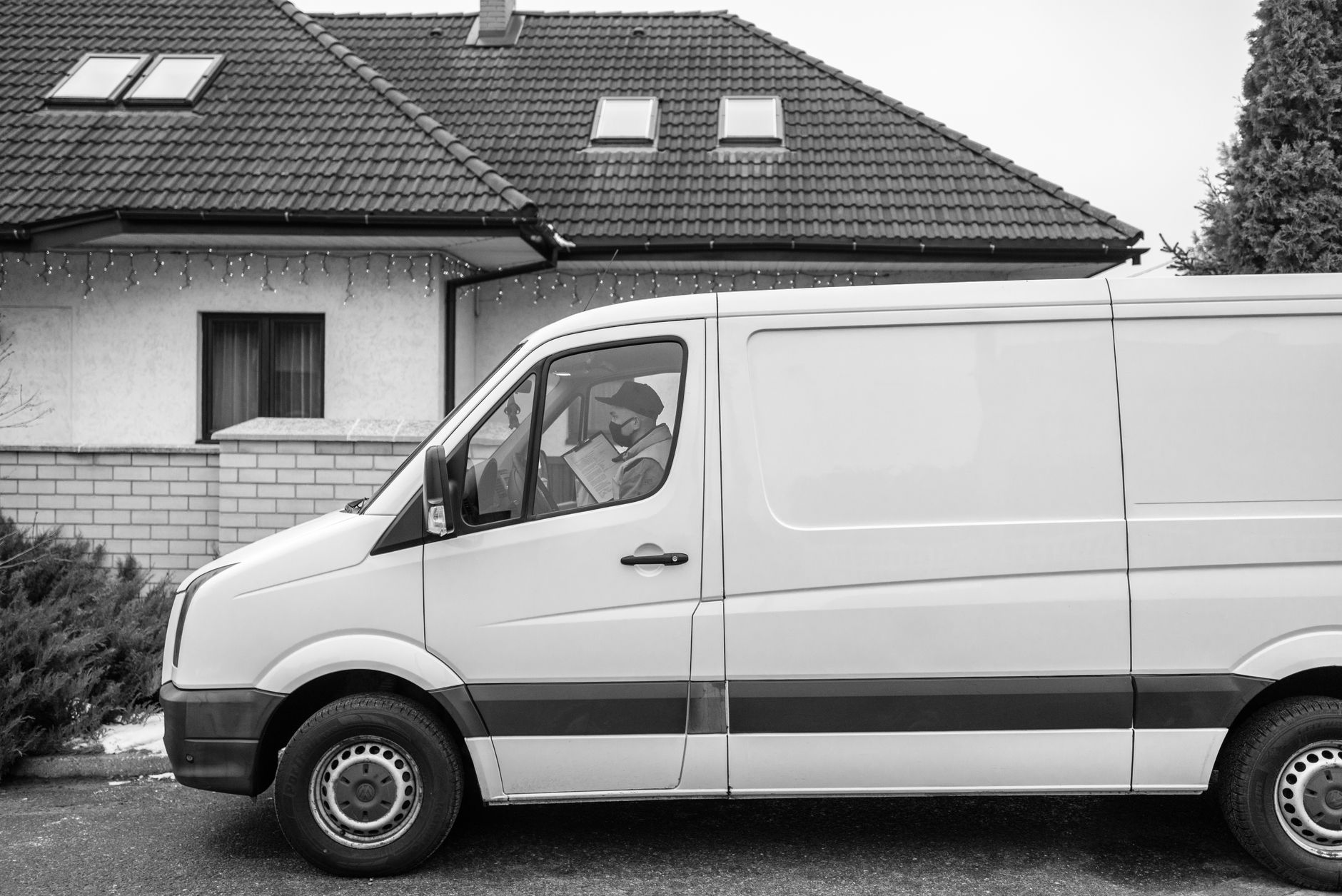
Why Word of Mouth Still Wins Roofing Jobs
Roofing is a trade people talk about, usually because something went wrong with it, and that makes word of mouth unusually powerful when it goes right instead. A finished roof is a visible, physical thing a neighbour walks past every day, and a board left outside a completed job for a week turns every passer-by into a witness to the work. A before-and-after photo shared with a homeowner's permission does the same job online, giving a customer something specific and useful to pass on rather than a vague compliment. The detail matters here. A recommendation that says "they fixed the valley gutter in a day and left the garden spotless" spreads further and lands harder than one that simply says "they were good," because it gives the next listener something concrete to repeat.
Referrals also carry a kind of social proof that no advert can buy. A neighbour recommending a roofer is putting their own reputation behind the claim, which is why a single genuine referral often outweighs a stack of paid clicks. Making it easy for a happy customer to pass your name on, a simple referral card left with the invoice, a request to tag the business if they post the finished roof online, costs little and multiplies the quiet, steady trust that an advert alone cannot create.

What to Put in a Roofer's Marketing Plan
A working marketing plan for a roofing business does not need to be complicated. It needs a complete and consistently updated Google Business Profile, a standing habit of asking every customer for a review within a day or two of finishing the job, and a simple system for photographing finished work with permission to share it. It needs a defined patch, named towns and postcodes rather than a vague wide area, and a clear statement of the jobs the business does best. It needs a presence that holds steady through the quiet months, not the busy ones, since the repair work that keeps a roofing business resilient tends to arrive without warning. And it needs a referral habit built into the end of every job, because the recommendation a neighbour makes is worth more than almost anything a roofer can buy. None of these pieces is expensive. All of them compound, the same way a complete marketing plan compounds for any small business willing to stick with it, and together they set a roofer apart from the general trade of trades our guide for trade specialists covers more broadly.