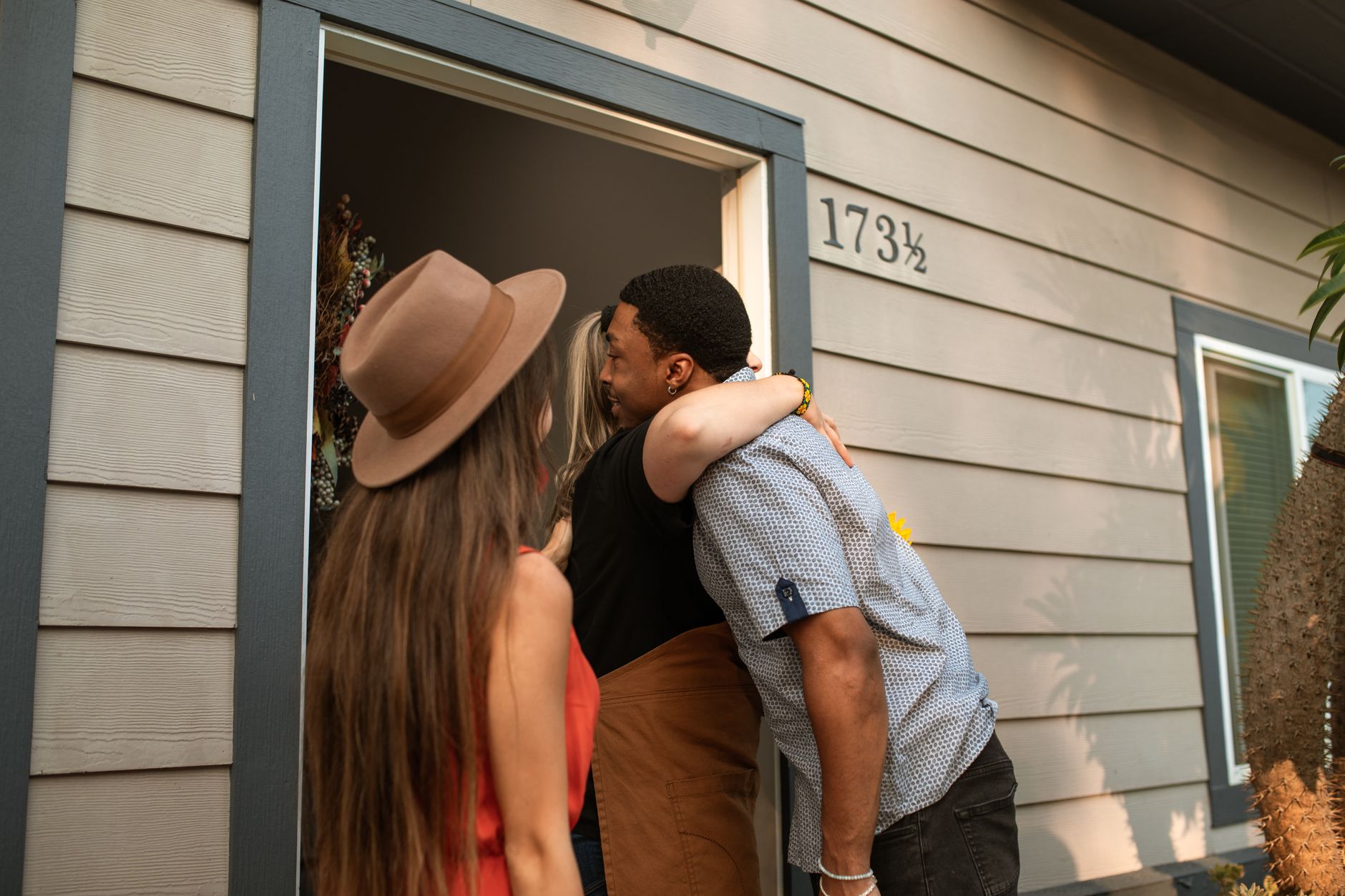
How Do B&Bs Get More Direct Bookings?
Direct bookings come from being easy to find, easy to trust and easy to book, in that order. Guests searching "B&B near me" or "places to stay in [your town]" almost always check a short list of options before they book anything, and the businesses that win are the ones that show up clean and current at each step of that search. The good news for a B&B is that the underlying market is growing rather than shrinking. In the final quarter of 2025 alone, British residents took 23 million domestic overnight trips in England, up 5 percent on the same quarter the year before, according to VisitBritain's domestic tourism data. More people are travelling inside the UK. The question for a small B&B is whether that traveller finds you first, or finds an OTA listing, a hotel chain or a competitor down the road instead.
The practical route to a direct booking runs in five steps. Claim and complete your Google Business Profile with accurate opening hours, photos and room details. Build a website with one clear job, showing your rooms and taking a booking, rather than trying to do everything at once. Ask every guest for a review on the morning they check out, while the stay is fresh in their mind. Keep a light, consistent presence on the one or two social platforms your guests use. And build a simple calendar that spreads your marketing effort across the quiet months as well as the busy ones. Each step reinforces the next, so a guest who finds you on Google, likes what they see on your website, and reads a genuine, recent review, arrives at the booking button already halfway convinced.

Why Direct Bookings Matter More Than OTA Bookings for a B&B
Every booking made through a large travel platform comes with a commission taken off the top before you see a penny, and that commission is paid on every single stay, not the first one a guest ever makes with you. A direct booking keeps the whole rate. For a small B&B running on a handful of rooms, that difference is not marginal. It is often the difference between a quiet month that breaks even and one that turns a profit.
The stakes are rising too. Domestic tourism spend in England reached £78 billion in 2025, up 3 percent on the year, with overnight-trip spend climbing 6 percent to £29 billion, according to VisitBritain's annual domestic tourism figures. Guests are also spending more per stay. Spend per domestic overnight trip rose 9 percent in 2025 to £333, and spend on holiday trips specifically rose 7 percent to £386, the same VisitBritain research shows. That is a market where the average guest has more to spend on their stay, which makes every booking you route around a commission-taking platform worth more than it used to be. Owning the relationship with that guest, rather than renting it from a third party, is what a marketing plan for a B&B should be built to protect.

How to Be Found in Local Search and on Google
Most guests planning a UK break start with a search, not a booking site, and Google decides which local businesses that search surfaces. A complete, accurate Google Business Profile is the single highest-leverage thing a small B&B can do, because it puts you in the map results, the local pack and the knowledge panel guests see before they ever visit a website. Fill in every field, current opening information, your exact address, real photos of the rooms and the breakfast, and the services you offer, then keep it updated as the seasons change.
This matters more now, not less, because the accommodation market you are competing inside is shifting. The share of domestic overnight trips that included a hotel stay rose to 40 percent in 2025, up from 35 to 36 percent in previous years, per VisitBritain's research. Hotels are winning a growing slice of stays that could as easily have gone to an independent B&B, and a hotel chain's marketing budget will always outspend yours on paid advertising. It cannot outspend you on local relevance, though. A profile that answers the exact questions a guest is typing, parking, breakfast, dog-friendly rooms, walking distance to the high street, will out-rank a generic hotel listing for the searches that convert.
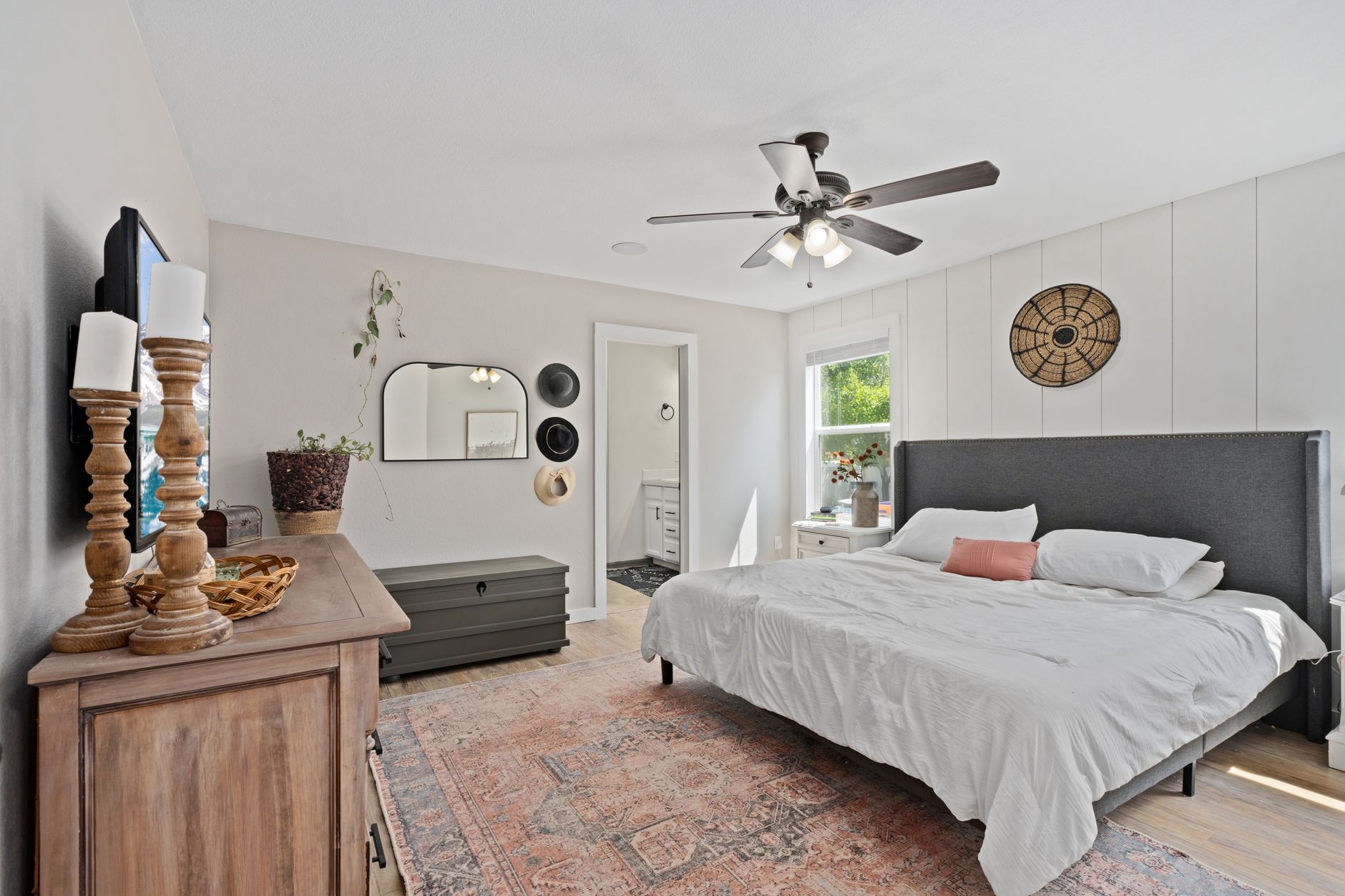
How Your Website Should Turn Browsers Into Bookings
A B&B website has one job, and it is not to look impressive. It is to answer a guest's questions fast enough that they book before they open a comparison tab. Accommodation is a considered purchase for most travellers rather than an impulse one. In the last quarter of 2025, accommodation accounted for 22 percent of the average domestic overnight-trip budget, with package costs making up a further 20 percent, according to VisitBritain. Guests weighing up nearly half their trip budget against a booking decision want clear, honest information, not a slick brochure that leaves the practical questions unanswered.
Your website should show real photos of every room, state prices plainly, list what is included in the rate, and put a working booking button above the fold rather than buried in a menu. A short page about your local area, what a guest can walk to, what is worth doing nearby, does real work here too, because it answers the second question every traveller asks once they know where they will sleep. Keep the site fast to load on a phone, since most of this searching now happens on a handset in someone's hand rather than at a desk.

How Guest Reviews and Word of Mouth Bring the Next Booking
Reviews do the trust-building work that no amount of clever copy can replace, because a stranger's honest account of your breakfast and your welcome carries more weight than anything you say about yourself. Ask for a review the morning a guest checks out, in person if you can, while the stay is still warm in their memory, rather than sending an automated email a fortnight later that most people never open. A steady trickle of fresh, specific reviews beats a burst of old five-star ratings that stopped a year ago.
Guest spending is getting more careful, not less, which makes trust the thing that tips a close decision. Spend per domestic overnight trip fell 8 percent year on year to £312 in the final quarter of 2025, per VisitBritain's latest figures, a sign that travellers are weighing their money more carefully even as they keep travelling. A B&B competing on price alone in that climate is fighting a losing battle against bigger operators who can absorb a discount you cannot. A B&B that wins on genuine, specific trust, the review that mentions the homemade jam, the host who remembered a name, the room with the view, is competing on ground a discount-led competitor cannot follow onto. Encourage guests to mention specifics when they leave a review, and share the best ones, with permission, on your website and social channels, because a specific story travels further than a generic star rating ever will.

How to Market a B&B on Social Media
Social media works for a B&B when it triggers a memory at the right moment, rather than shouting into a feed nobody was looking at. A photo of frost on the garden the morning after a cold snap, posted the day it happens, reaches someone planning a cosy weekend away in a way a generic "book now" post never will. Tie your posts to things your guests already notice, the changing seasons, a local event, the smell of bread on a Sunday, so your name resurfaces at the exact moment someone starts thinking about a trip.
Make the experience visible too. A guest who photographs their breakfast, the view from their window or the walk from your door is doing free marketing for you, and a host who makes those small moments worth photographing is building an asset that spreads on its own. This is worth planning for deliberately rather than hoping it happens. A handwritten welcome note, a distinctive breakfast dish, a particular view from one room, all give a guest something worth sharing, which is a cheaper and more durable form of marketing than a paid post will ever be. Choose one or two platforms your actual guests use, post consistently rather than constantly, and resist the urge to be everywhere at once, since a thin presence across five platforms does less than a steady one on the two that matter.

How to Price and Position a B&B to Attract the Right Guests
Trying to be the right choice for every kind of traveller is how a B&B ends up being the obvious choice for none of them. Decide who you serve best, the couple on a quiet countryside break, the walker passing through on a long trail, the family visiting relatives nearby, and let that decision shape your rooms, your breakfast and your message. A B&B that is unmistakably the best option for one clear kind of guest earns more bookings than one that tries to be adequate for everyone.
The scale of opportunity here is real even for a small operator. Great Britain residents made 1.0 billion tourism day visits in a single year, spending £54.8 billion, a figure that makes domestic tourism spending more valuable to the UK economy than spending from overseas visitors, according to the House of Commons Library. Most of your future guests are already travelling somewhere inside the UK. The job is not to chase every one of them. It is to be unmistakably the right choice for the smaller group who are exactly the kind of guest you serve best, priced to reflect the specific experience you offer rather than matched to whatever the cheapest room in town charges. A clearly positioned B&B can often charge more than a generic one with better rooms, because the guest is not comparing you on price alone.

How to Build a Marketing Calendar for a B&B Across the Seasons
The biggest mistake a small B&B makes is marketing hard in the weeks before a busy bank holiday and going quiet the rest of the year. That leaves the quiet months to fill themselves, which they rarely do. A simple calendar fixes this. Plan one small, repeatable activity for every week of the year, a seasonal photo, a review request, a local-events post, a returning-guest email, so the marketing keeps happening whether or not you remember to think about it that particular Tuesday.
Build the calendar around your actual low season first, since that is where a plan earns its keep. If fewer guests come in February, that is the month to run a short-break offer aimed at the couples and walkers who travel regardless of weather, rather than the month to switch marketing off entirely. Review the calendar once a quarter and hold it steady rather than reinventing it every few weeks, because consistency is what turns a name a guest half-remembers into the name they book. For the full shape of turning these decisions into a working weekly schedule, our guide to how to create a marketing plan walks through the same six-part structure applied to any small business.