What Is Marketing for Cafes?
Marketing for cafes covers everything that gets the right local people through the door and back again, from your Google Business Profile and your window to the photo a customer posts of their flat white. It is not the same as running a big retail brand campaign. A café's marketing radius is usually a fifteen minute walk or a short drive, its customers decide in seconds, and its biggest asset is not a clever slogan but the feeling of the room and the consistency of what is on the counter. Good café marketing treats those two things, the local area and the in-person experience, as the whole job, and treats social posts and adverts as ways to point people towards them rather than as the marketing itself.
How Do Cafes Attract More Customers?
Cafes attract more customers by being easy to find locally, easy to remember once someone has been in, and easy to recommend afterwards. Those three levers, findability, memorability and word of mouth, cover almost everything worth doing. In practice that means a complete, accurate Google Business Profile and a steady flow of recent reviews, a consistent look and signature item that people associate with your name specifically, and a habit of doing small things worth talking about, a barista who remembers an order, a genuinely good pastry, a corner that photographs well.
None of this happens in a market that is standing still. The UK branded coffee shop sector alone is now worth £6.8bn and grew to 12,313 outlets in the past year, a rise of 3.5 percent, according to World Coffee Portal's Project Café UK 2026 report. That is the fifth consecutive year of outlet growth since the pandemic, with 420 net new branded outlets opening and total market value up 5.5 percent in twelve months, World Coffee Portal's analysis of the sector found. Those figures are for the branded chains, not independent cafes, but they tell an independent operator something useful. The competition on your high street is not shrinking. Attracting more customers means giving people a specific, local reason to choose you over a chain that has a marketing department and a loyalty app behind it, and that reason has to come from findability, memorability and word of mouth rather than trying to out-advertise a chain.
Why Your Google Business Profile Comes Before Anything Else
Before a single social post or flyer, get your Google Business Profile right. This is the listing that shows up when someone searches "coffee near me" or looks at a map while deciding where to stop, and for most cafes it drives more first visits than anything else. Fill in your opening hours accurately, especially bank holidays, add real photos of the space and the food rather than stock images, and pick the categories that match what you serve. Then keep it alive. Reply to every review, ask happy regulars to leave one, and post the odd update when something changes, a new menu item or a seasonal opening time. A profile that looks abandoned reads as a business that might be too, which costs you the exact walk-in customer this listing exists to win. This sits alongside the wider work of getting more people through the door covered in how to increase footfall, and it is worth reading that guide in full once your profile is in order, because footfall and local search feed each other directly.
How to Build a Cafe People Remember, Not Like
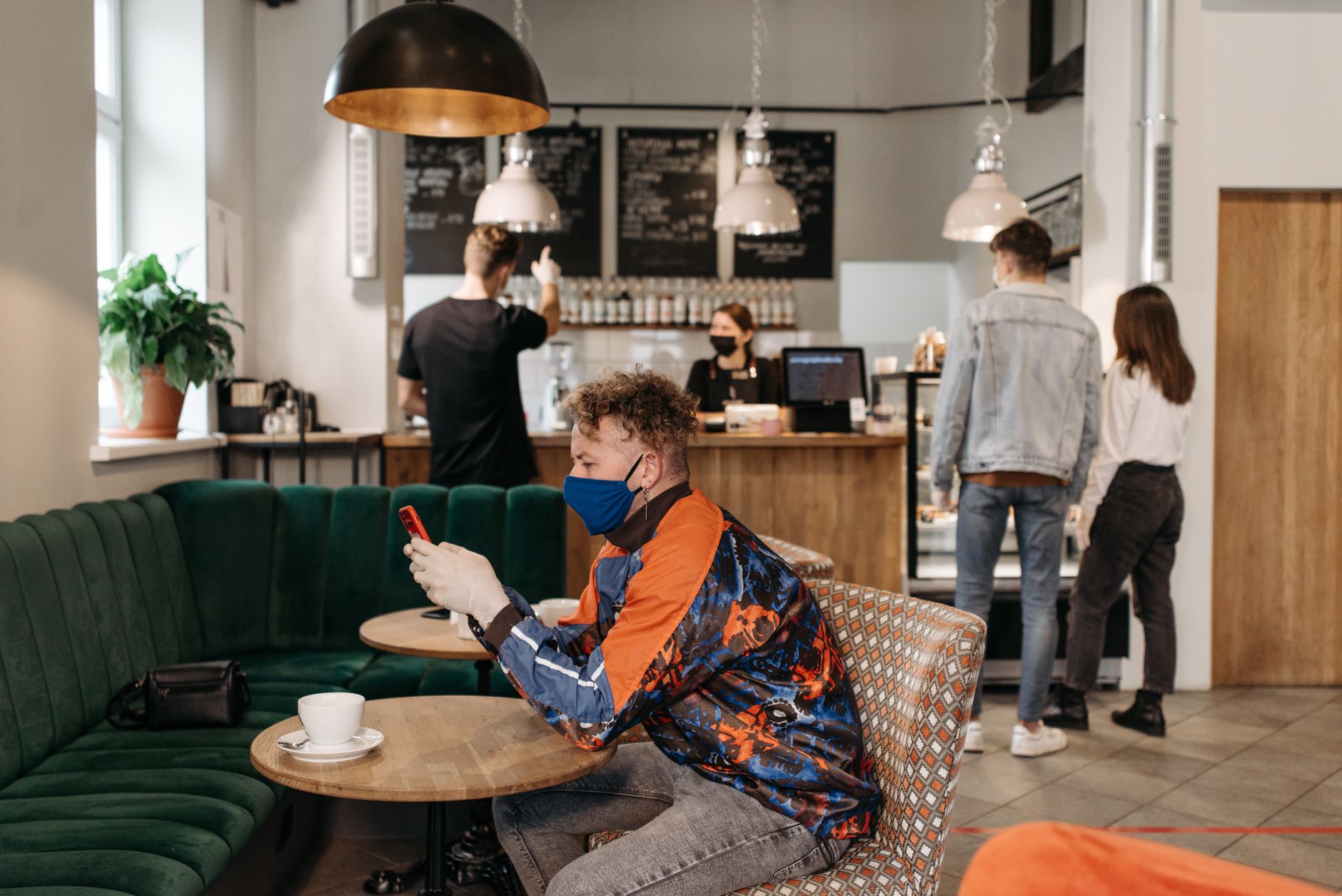
Plenty of cafes make a genuinely good coffee. Far fewer are easy to picture and name a week later, and that gap is what separates a café that gets a passing customer once from one that becomes a habit. The businesses that get remembered are the ones that repeat the same recognisable signals every time, the same colours on the cups, the same name for the same seasonal drink, the same tone in every post, so a customer builds a strong mental link between "coffee" and your name specifically. Chasing novelty works against this. Redesigning your cups or renaming your signature drink every few months might feel fresh to you, but it resets the recognition you were building, and recognition is the thing that gets you chosen without a customer weighing up the alternatives.
Pick one or two things and keep them. A specific pastry nobody else in your area does well, a distinctive cup colour, a consistent way of greeting regulars. Repeat them for a year before you judge whether they are working. This is a slower kind of marketing than a discount code, and it is the kind that compounds, because the point is not to be liked once, it is to be the name that comes to mind unprompted when someone nearby wants a coffee. If you have not yet written down what you want to be known for, our guide to brand strategy is a good next step, since it sets out how to choose the handful of signals worth repeating.

How to Get People Talking About Your Cafe
Word of mouth is the cheapest and most trusted marketing a café will ever get, and it rewards specific design choices more than luck. Give people something worth sharing and they will. A drink genuinely unusual enough to photograph, a small off-menu item regulars know to ask for, a detail on the receipt or the cup that makes someone feel like they are in on something, all of these give a customer a reason to mention you that goes beyond "the coffee was fine."
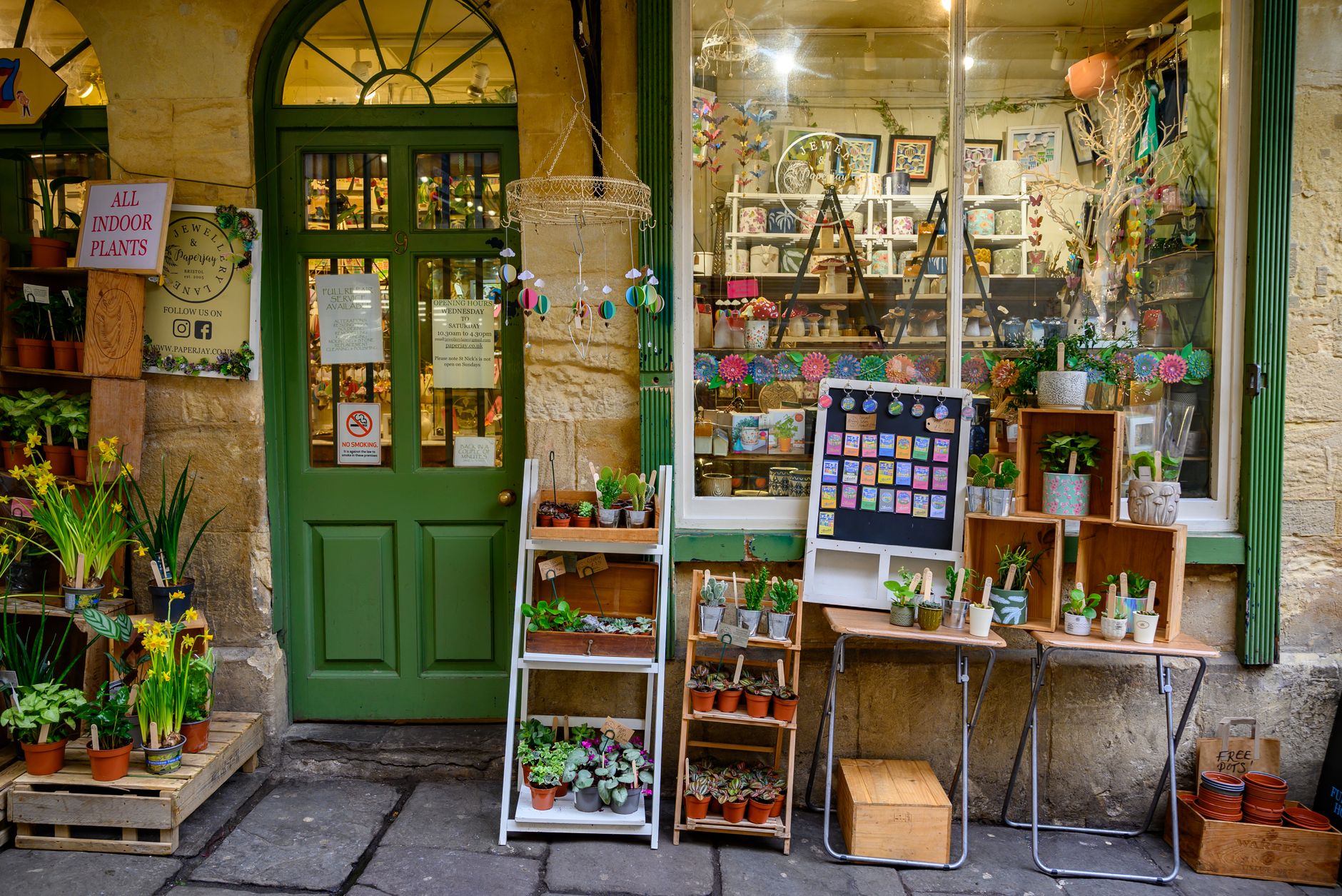
Timing matters as much as the thing itself. Link what you offer to a moment people already have every day, the mid-morning break, the school run, the walk to the station, so your café gets cued by habits that repeat rather than relying on someone remembering you cold. And give people something to post that is genuinely about your business rather than generic, because a photo of a plain black coffee in a plain cup does nothing for you, while good latte art, a distinctive window, or a handwritten note on the takeaway cup turns an ordinary purchase into something a customer's friends see. Every one of your competitors is trying to win the same local customers, in a market where branded outlets alone grew by 420 net new sites in the past year, so being the café people actively talk about is a real edge, not a nice extra.

Why Loyalty Cards and Discounts Rarely Grow a Cafe
Almost every café has a stamp card, and it is worth being honest about what it does. A loyalty card mostly rewards people who were already coming back, and it moves forward a purchase someone was going to make anyway rather than creating a new customer who would not otherwise have walked in. The same goes for constant discounting. It can shift a quiet Tuesday, but run it too often and you train your regulars to wait for the next offer rather than to value the coffee at its normal price, which erodes the margin a café can least afford to lose.
None of this means scrap your loyalty scheme. It means stop treating it as your growth plan. The activity that brings in new customers is the findability and word of mouth covered above, being easy to find locally and easy to talk about. Keep the stamp card as a small thank you to people who already choose you, and put your real marketing effort into reaching people who have never walked past your window before. A loyal customer base built on genuine repeat visits and referrals is worth far more over a year than one built on habitual discounting, and it is a lot kinder to your margins.
Serving Your Neighbourhood Better Than Anyone Else
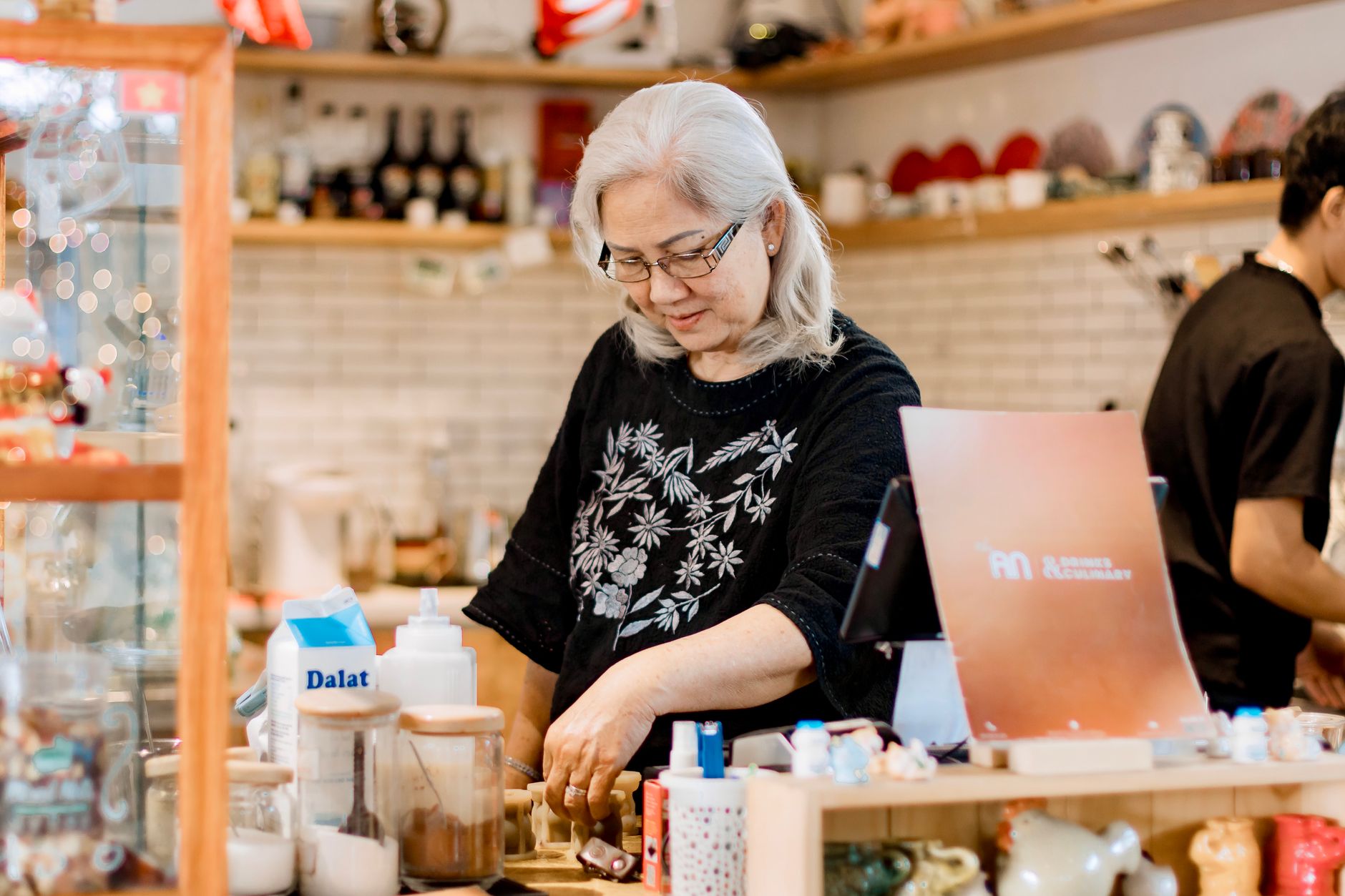
A café cannot be everything to everyone in its area, and trying to is usually why the marketing feels scattered. Pick the specific group you are best placed to serve extraordinarily well, remote workers who need a table and decent wifi between nine and one, parents doing the school run who want somewhere fast and welcoming with a buggy park, or the older regulars who want the same table and the same order every Tuesday, and build around them rather than a generic "everyone welcome" approach that ends up meaning nothing to anyone in particular.
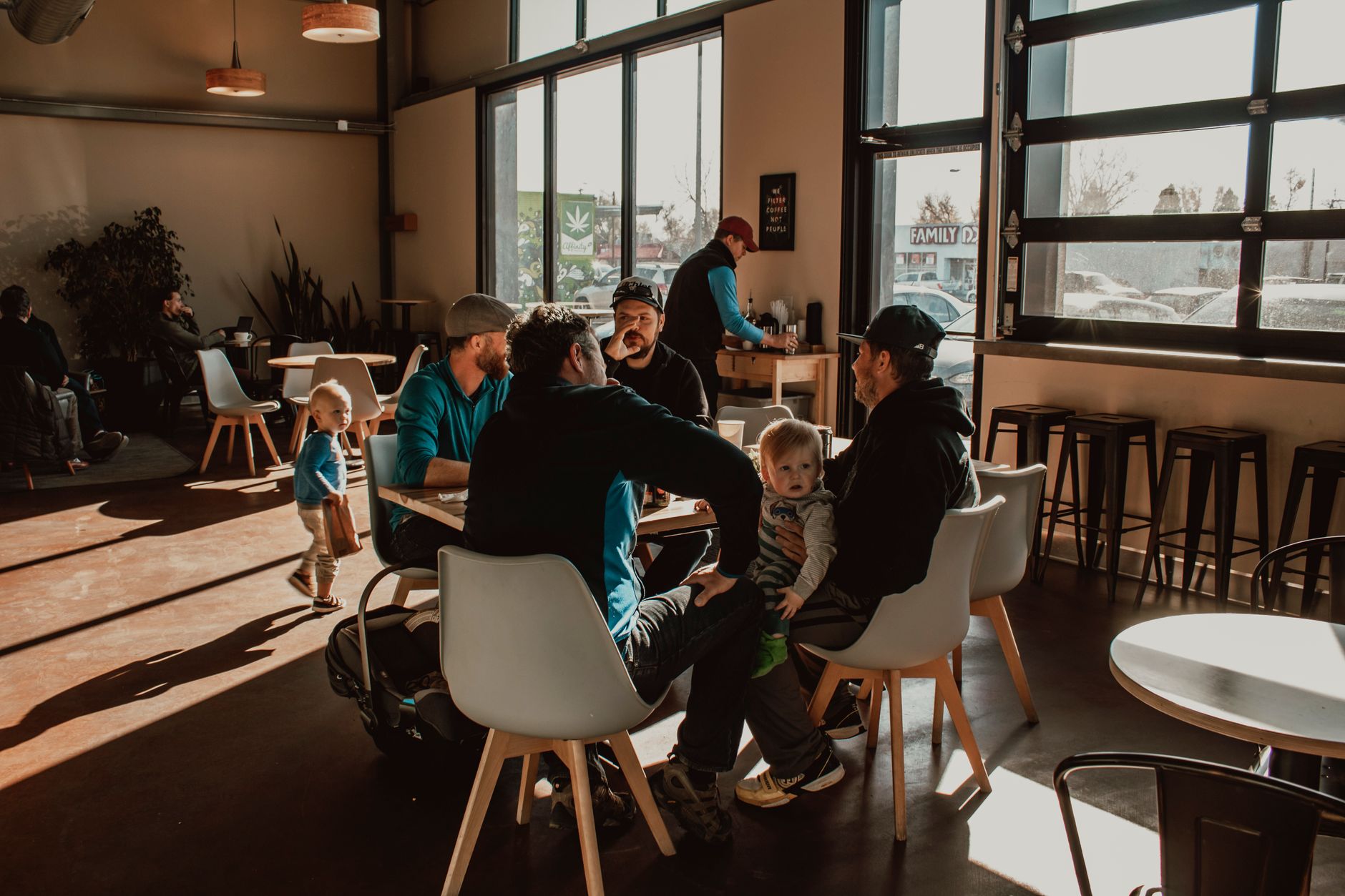
Serving one group properly looks like small, deliberate choices. Power sockets and a quiet corner for the laptop crowd. A genuinely quick, friendly service for the school run rush, timed around when it happens on your street. A standing invitation for a local group, a book club, a parent and baby meet-up, a knitting circle, to use a table on a slow afternoon, which fills empty seats and builds the kind of relationship that turns into weekly custom. This matters more as the market gets busier rather than less, with the branded segment alone forecast to pass 13,200 outlets by 2030 at 3.0 percent annual growth, World Coffee Portal's outlook on the sector suggests. You will not out-scale a national chain. You can out-serve it for the specific slice of your neighbourhood that a chain treats as an average customer and you can treat as the whole reason your café exists. For the full thinking behind picking that focus and turning it into a working plan, see our dedicated guide to marketing for cafes and the broader groundwork in what a marketing strategy is.
How to Measure Whether Your Cafe Marketing Is Working
Skip the vanity numbers and check the things that reflect a healthier café. Track how many of last month's new faces you recognise coming back this month, since repeat visits are the clearest sign your marketing is working rather than generating one-off curiosity. Watch your Google review count and rating month on month, because a steady trickle of fresh reviews is both a sign customers are happy enough to bother and a direct input into whether new people find you at all. Note where new customers say they heard about you, whether that is a friend, a review, or simply walking past, so you learn which of your efforts is pulling weight. And keep half an eye on footfall itself, the practical steps for building it are covered in how to increase footfall, alongside your own till data on quiet versus busy periods. None of this needs a spreadsheet obsession. A monthly ten minute check against these four things will tell you far more than watching your follower count climb.