What Are Good Summer Marketing Ideas for a Local Business?
The best summer marketing ideas share three qualities. They meet a real change in customer behaviour rather than marketing for its own sake, they cost time more than money, and they leave something behind once summer ends, a customer on your list, a review, a habit of walking past your shop. Concretely, that tends to mean an improved physical presence (windows, signage, outdoor seating), a seasonal offer that is genuinely useful rather than a blanket discount, content and posts built around specific summer occasions rather than generic sunshine imagery, a joint event or cross-promotion with a nearby business, and a simple system for turning a one-off summer visitor into someone who comes back. None of it needs a big budget. Most of it needs attention and a bit of planning ahead of the season rather than during the first hot week, when every other local business is scrambling to do the same thing at once.
Why Summer Is a Different Buying Season
Summer is not simply a warmer version of the rest of the year. Spending patterns genuinely shift, and the shift is measurable. Warm weather in June 2026 drove a 5.2 percent year-on-year rise in spend at UK food and drink specialist retailers, and 38 percent of UK adults said they had bought ice, cold drinks and cooling food during the month, according to Barclays Corporate's UK consumer spending report. That is not a rounding error. It is more than a third of the adult population buying into a specific occasion within a few weeks, and it tells you something practical: summer marketing that talks about the occasion, the barbecue, the picnic, the garden get-together, will land harder than marketing that mentions sunshine.
The broader picture backs this up. KPMG's Q2 2026 UK Consumer Pulse survey points to holiday demand lifting summer retail spending across the board, according to KPMG UK, which matters for any local business that sits near a route people take on their way to or from a day out, a station, a car park, a coastal road, a park entrance. People spend differently when they are already out of their normal routine, and a local business positioned as part of that day, rather than a stop they have to detour for, tends to do better. The point is not that summer brings more money into every till automatically. It is that summer changes where and why people spend, and the businesses that adjust their marketing to match that change, rather than running the same messages they run in February, are the ones that capture it.
Turn Your Shopfront and Location Into the Advert
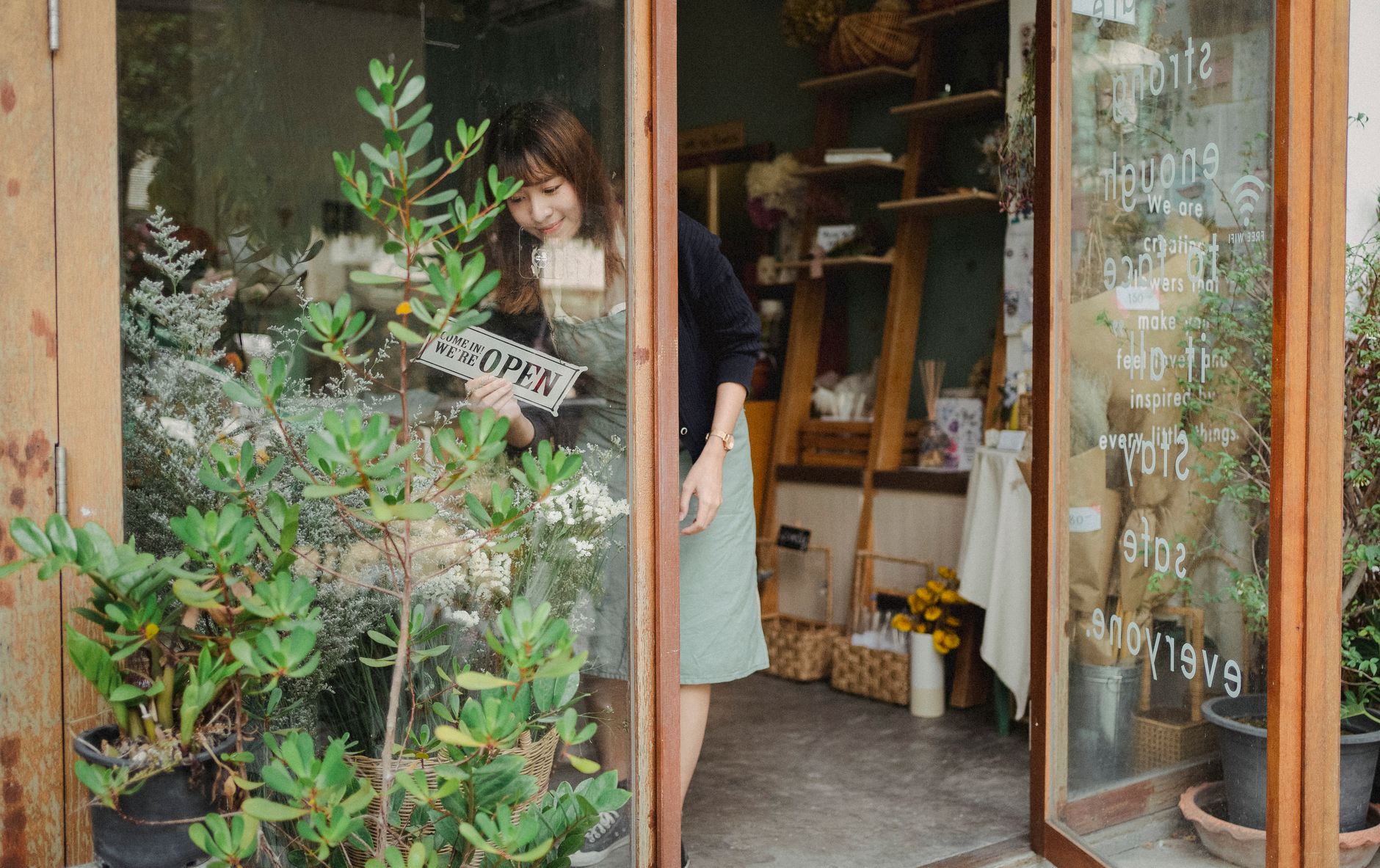
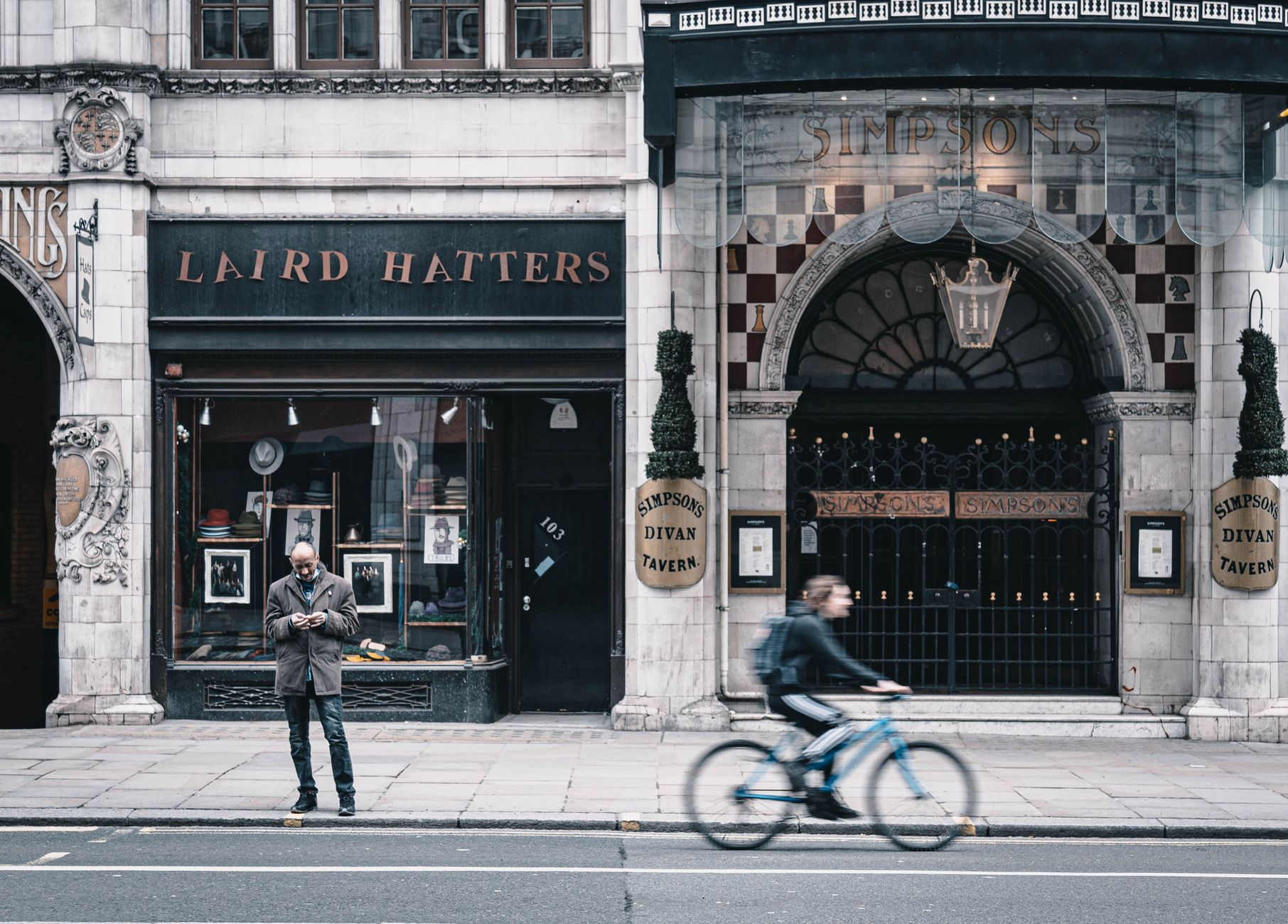
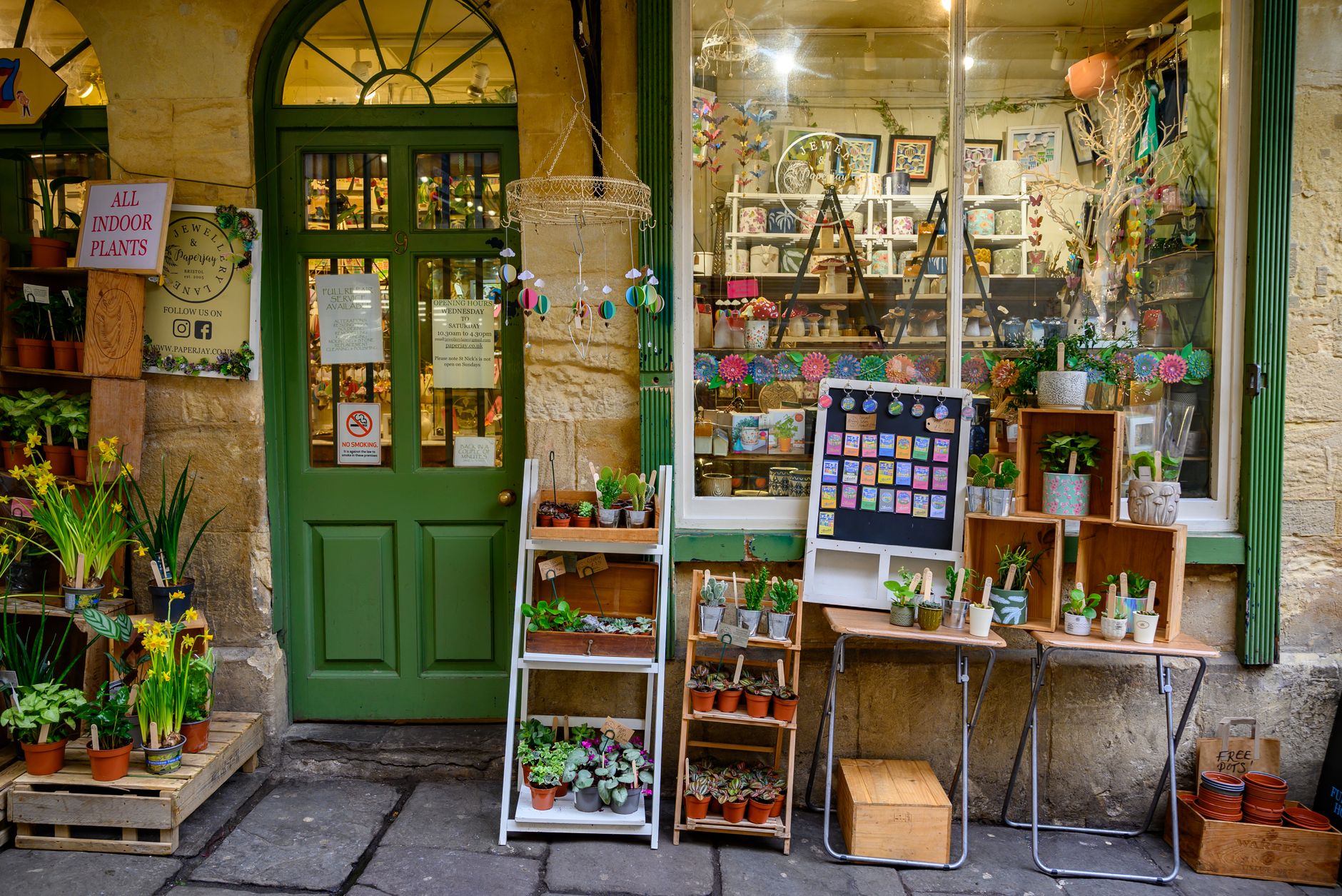
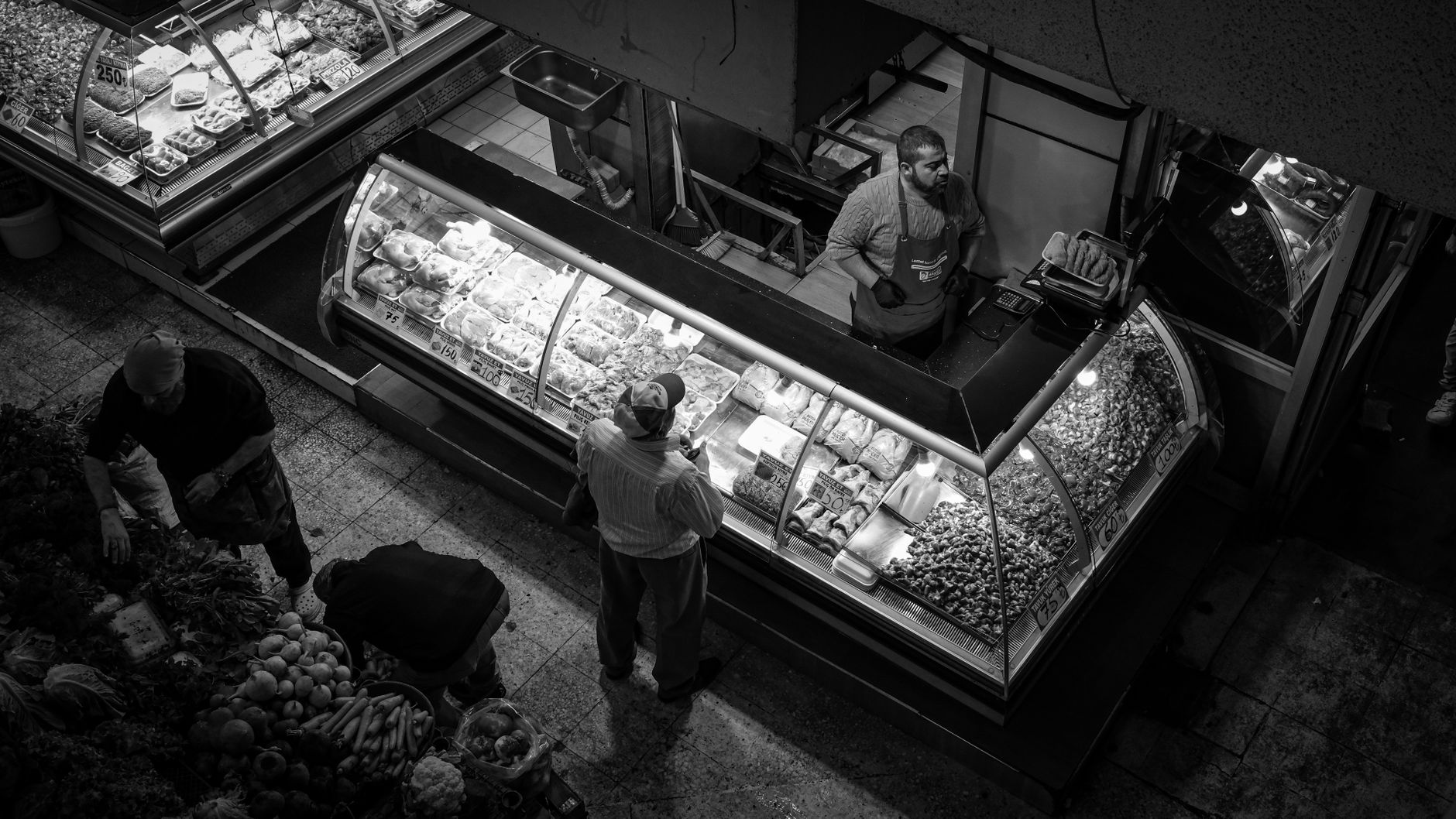
Before any campaign or clever offer, the single highest-leverage summer move for most local businesses is physical. Longer days mean more people walking past later into the evening, more people outdoors, more casual footfall that never happens in January. A shopfront, a garden, a doorway or a bit of pavement that looks inviting in that specific window of the year earns attention that no social post can buy. A garden centre that puts its best summer stock, hanging baskets, bedding plants, a small seating display, right at the entrance rather than at the back does more for passing trade than a week of adverts. A café that opens its frontage, adds two outdoor tables and a chalkboard with a genuinely seasonal item, rather than the same laminated menu all year, gives a passer-by a reason to stop rather than walk on.
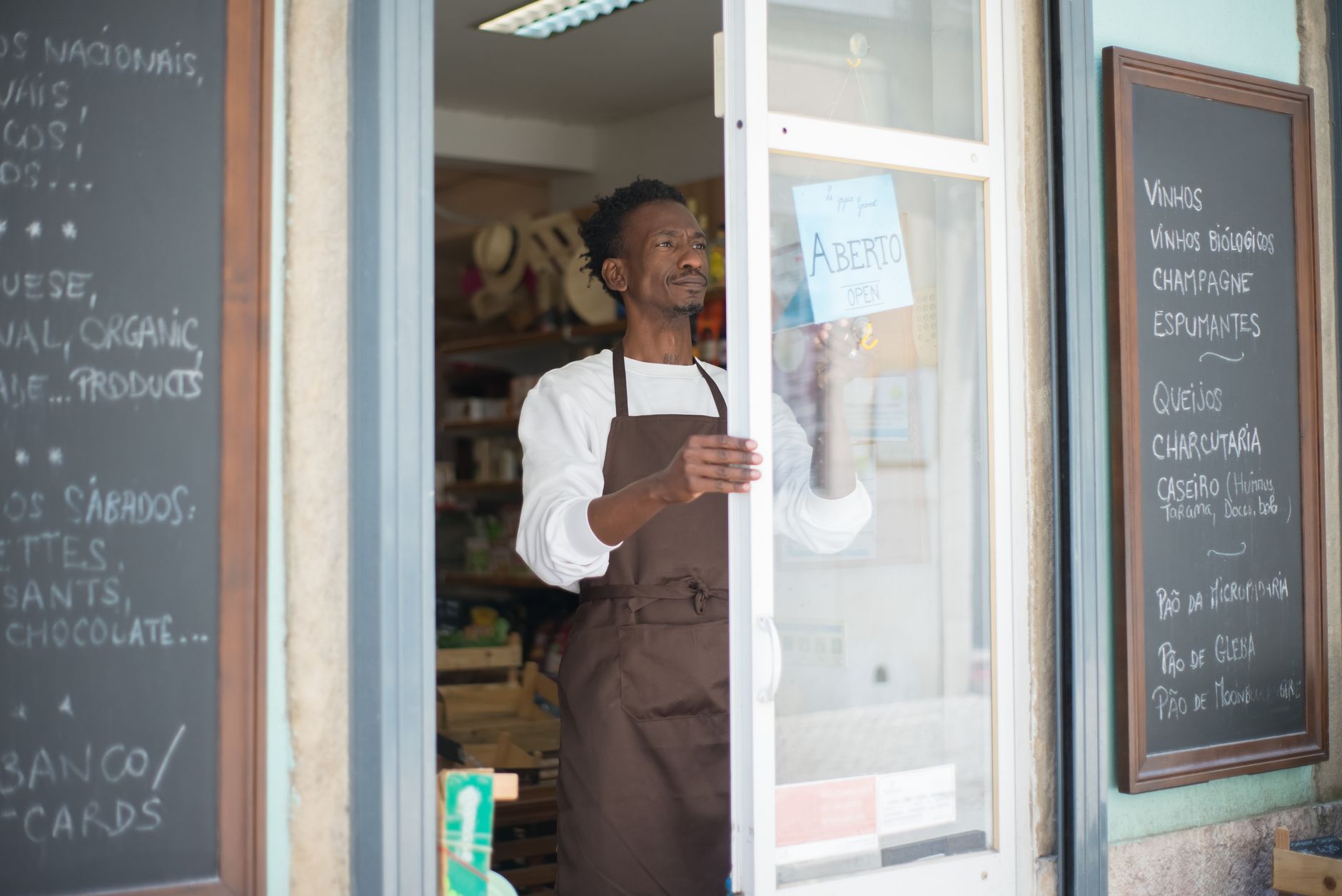
This works because it meets people at the actual moment they are deciding, not before or after it. A hairdresser with a simple "walk-ins welcome, longer evening hours this month" sign catches the person who only decided they wanted a trim once they were already on the high street. A bookshop with a small outdoor table of holiday reads catches the parent thinking about the summer break, not the one thinking about Christmas. None of this needs a design budget. It needs someone to walk past their own premises at 6pm on a Tuesday in July and ask what a stranger would see, and whether it says anything about the season at all.
Run a Seasonal Promotion That Adds Value Instead of Cutting Price
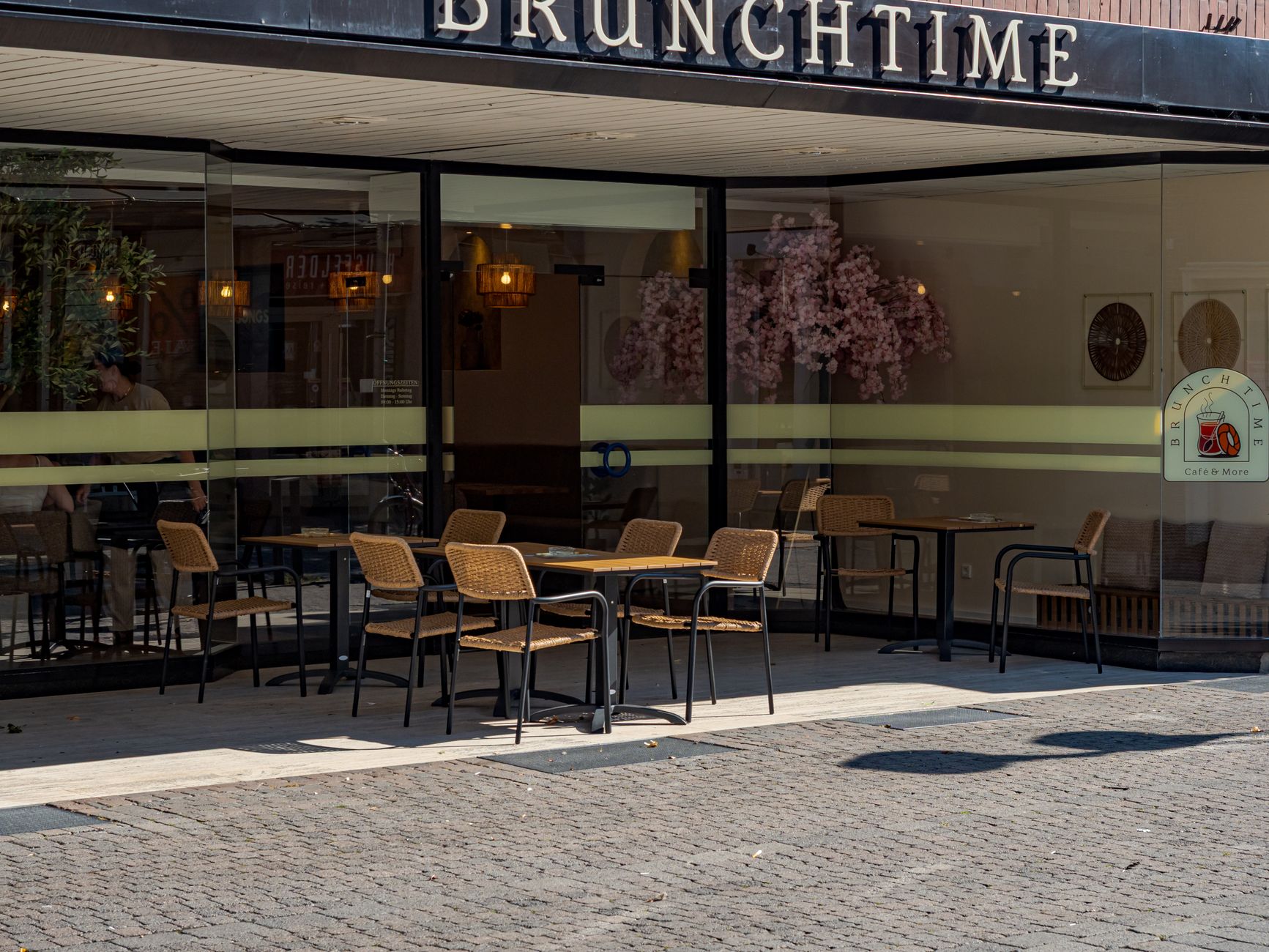
The reflex when trade is quiet, or when trade is busy and every competitor is running a sale, is to discount. It is worth resisting that reflex, because a straight price cut trains customers to wait for the next one and eats into the margin you need to invest in the rest of your marketing. A better summer promotion adds something rather than removing money from the price tag: a bundle that makes sense for the season (sun cream and a beach towel with a swimwear purchase, a free coffee with a car service booked before 10am on a hot day), a limited seasonal item that only exists for a few weeks, or a genuine bonus for early booking during a period when people are planning holidays and events well ahead.
Cost consciousness has not disappeared because the sun is out. YouGov's research on UK financial outlook trends for 2026 tracks how carefully households are still budgeting and where they choose to spend versus hold back, according to YouGov. That is the useful tension to design around. People are not spending freely, but Nationwide's analysis of 2026 spending trends found consumers are still prioritising experiences, holidays, concerts, days out, over big-ticket purchases even as costs rise, according to Nationwide. A summer promotion built around an experience, a barbecue night at the pub, a kids' activity morning at the toy shop, a garden consultation at the nursery, tends to outperform a plain percentage off, because it fits how people are already choosing to spend rather than fighting against it. For more structured ideas on building promotions that hold their value, our guide to promotional ideas works through the mechanics in detail.

Build Content Around the Moments People Buy In
Most summer social posts show the same three things: a sunny sky, an ice cream, a beach. None of them say anything about why a specific customer should choose a specific business, and they all blur together in a feed. The stronger approach is to think about the actual situations your customers find themselves in during summer and speak to each one directly, because that is where a purchase decision gets made. A butcher does not post "happy summer", they post about the barbecue on Saturday when three families are coming round and nobody wants to be the one who under-catered. A garden centre does not post flowers, they post about the neighbour's patio everyone has been comparing theirs to since May. A driving instructor does not post about summer lessons, they post about the teenager who wants to be able to drive their mates to the beach before September.
Naming the specific moment, the barbecue, the school holiday childcare gap, the garden that needs sorting before a family visit, the wedding season guest outfit, does more work than any generic seasonal image, because it puts the business directly into a scene the customer already recognises themselves in. The businesses that do this consistently, week after week through the season rather than as a single post, are the ones that get remembered when that specific moment arrives. This is worth doing properly rather than as an afterthought, and it sits inside the wider approach set out in our guide to marketing for local businesses, which covers how to build this kind of local presence across the whole year, not the warm months.

Partner With Other Local Businesses for Summer Events
Summer is the easiest time of year to run a joint event, because footfall is already higher and people are more willing to linger outdoors. A small parade of neighbouring shops, a café, a florist, a gift shop, running a joint late-opening evening with music and a shared offer costs each business very little and pulls in people who might never have visited any one of them alone. A garden centre hosting a Saturday morning with a local bakery's pop-up stall gives both businesses a reason to promote the same date to their own separate customer lists, effectively doubling the reach for free.
This matters more in a crowded local market than owners sometimes assume. The UK has millions of small businesses competing for the same local attention, and recent compiled data on UK small business numbers and survival from money.co.uk is a useful reminder of how much competition sits on every high street. Standing out alone against that many other businesses chasing the same footfall is harder than standing out as part of a small, visible local coalition for one evening. A joint event also gives you something genuinely worth posting about, a real photo of a real evening, rather than another stock image of sunshine.
Use Social Media the Way Summer Shoppers Use It
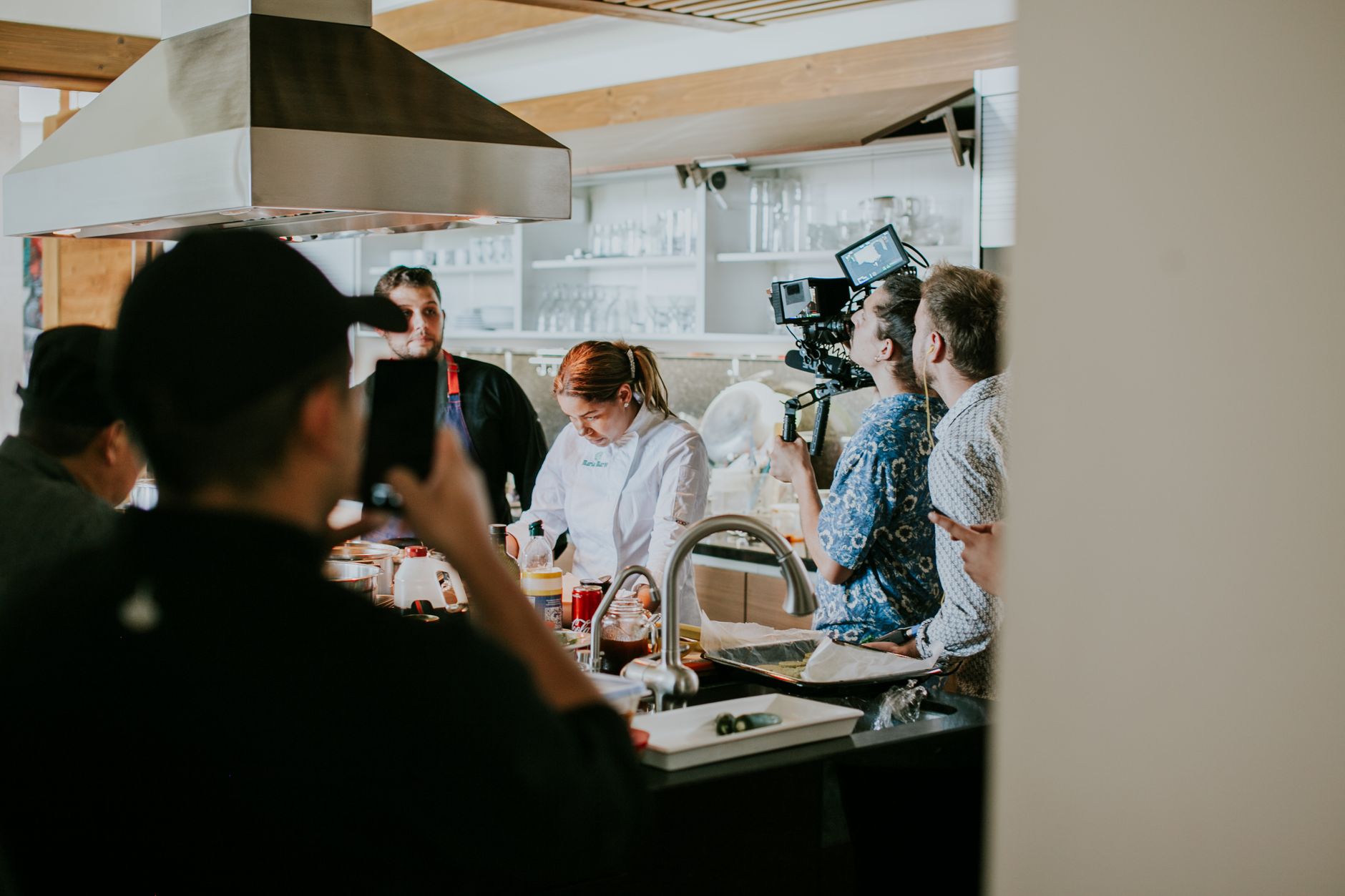
Social platforms do not empty out over summer, they simply carry different content. People post more about days out, more about food and drink, more about what they are doing rather than what they are buying, and a business that only posts sales messages into that mood tends to get scrolled past. UK social media usage data for 2026 compiled by Sprout Social shows how deeply embedded these platforms now are in everyday UK behaviour, which is exactly why the tone matters as much as the timing. A short video of the actual barbecue prep in the kitchen, the actual garden being planted, the actual queue on a warm evening, tends to do more than a polished ad, because it looks like the same kind of content people are already posting about their own summer.
Timing matters too. Posting about a Saturday barbecue offer on Saturday morning is too late for anyone planning ahead, but posting on the Wednesday before, when people are deciding what to buy for the weekend, catches the decision while it is still being made. A simple weekly rhythm, one post that names a real summer moment, one post that shows the business in that moment, is a stronger habit than an inconsistent flurry whenever someone remembers.
Capture Summer Footfall as Long-Term Customers
The mistake most local businesses make with summer trade is treating it as a season rather than a source of future customers. A visitor who comes in once because of a display, a joint event or a seasonal offer is worth far more if you have a simple way to reach them again once the display comes down. That does not need to be complicated. A short sign-up for a mailing list at the till, a loyalty card stamped for the season, a genuine ask for a review while the good experience is fresh, all turn a one-off summer transaction into a relationship you can reach in October when the weather and the competition both look different.
This is the part that separates a business that merely survives a busy summer from one that grows because of it. The extra footfall the season brings is only valuable if some of it sticks, and sticking requires a deliberate step, not a hope. Building that habit into your plan rather than treating it as an afterthought is exactly the kind of decision a proper seasonal marketing plan is built to hold you to, so the summer surge feeds the rest of the year instead of evaporating with it.

Common Summer Marketing Mistakes to Avoid
A handful of mistakes undo otherwise good summer marketing. The first is waiting until the first genuinely hot week to start, by which point every other local business is doing the same scramble and the moment for planning displays, promotions and joint events has already passed. The second is discounting reflexively rather than adding value, which trains customers to wait rather than to come in on your terms. The third is posting generic sunshine content that says nothing about the specific business or the specific customer moment, which blends into everyone else's identical posts. The fourth is running a strong summer campaign with no way to capture the people it brings in, so the extra trade disappears the moment the display comes down. The fifth is trying to do everything at once, a promotion, a partnership, a content push and a loyalty scheme all in the same fortnight, which spreads a small business's limited time too thin to do any of them properly. Pick two or three of the ideas above that fit your business and your customers, do them consistently for the whole season, and they will do more than a scattered attempt at all of them.