How Do Barbers Get More Clients?
A barber gets more clients through three things working together: being easy to find when someone searches locally, being easy to remember when someone is not yet searching, and giving existing clients a reason to talk about the shop to other people. Most barbershops lean hard on the first of these and ignore the other two, which is why a good barber can still have quiet Tuesdays.
The economics make the case for taking marketing seriously. UK spending on haircuts alone runs to an average of £378 a year for women and £330 a year for men, before colour, treatments or retail products are added, according to Whito's 2026 UK Beauty Salon Industry Data Report. A regular client on a four-week cycle is worth several hundred pounds a year to a shop, and worth several thousand across the years they keep coming back. That is the number a stray Tuesday afternoon is costing you, and it is the number that should sit behind every marketing decision a barbershop makes. The work is not about finding a flood of new faces every week. It is about being found once, being remembered, and being talked about, so the chair fills itself over time rather than needing to be refilled from scratch.
Why Word of Mouth Still Wins for Barbers
A haircut is one of the few purchases where the result walks around on someone's head for weeks, which makes a barbershop one of the most naturally shareable businesses there is. The trick is not hoping someone mentions you. It is designing the experience so mentioning you is the obvious thing to do.
Start with what makes a cut worth talking about. A sharp fade, a genuinely good beard line, or a cut that suits someone better than they expected gives the client something to be proud of, and people talk about things that make them look good. A barber in Nottingham who started photographing every finished cut against the same plain wall, then posting the best two each week, gave clients a reason to tag themselves and share it further. That is not vanity content. It is proof that travels.
Triggers matter as much as the result. Payday, a wedding, a job interview, the first hot weekend of the year, these are all moments that put a haircut on someone's mind, and a shop that shows up around those moments with a relevant post or a simple reminder gets talked about more than one that posts at random. And practical value still beats a vague good deal. "Bring a mate, you both get £5 off your next cut" spreads because it is specific and easy to repeat to a friend, in a way that "ask about our referral offer" never will. None of this needs a budget. It needs a barber willing to treat every finished cut as a small piece of marketing rather than the end of the transaction.
Getting Found: Local Search and Your Google Business Profile
Word of mouth brings clients back and brings their friends in behind them, but the person moving to a new area, or simply searching "barber near me" on a Saturday morning, finds you through local search first. This is the part of marketing that most barbershops get half right and then abandon.
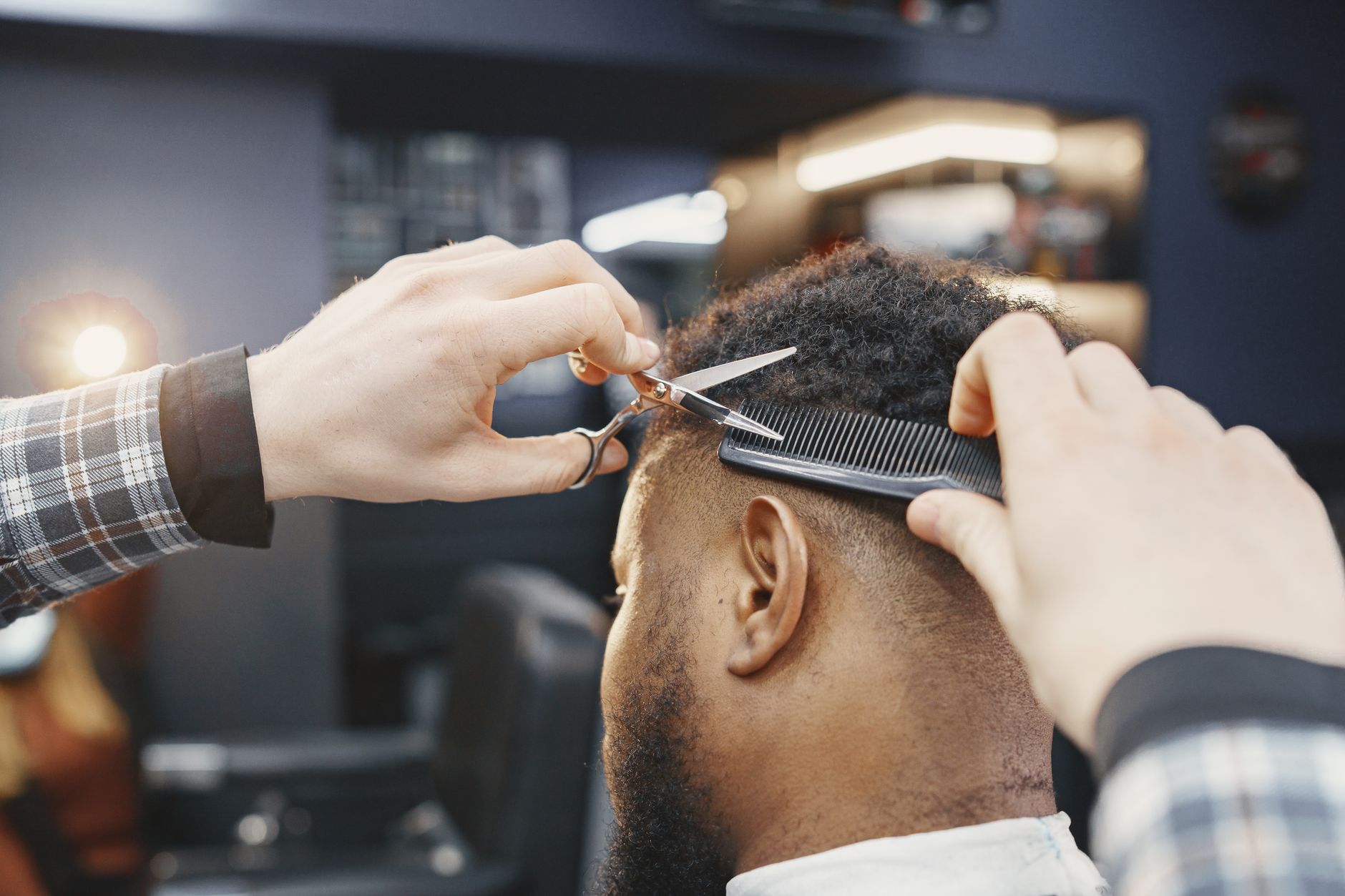
A complete, current Google Business Profile is the single highest-leverage thing a barber can do this month. That means accurate opening hours, especially around bank holidays when a wrong hour sends a walk-in straight to a competitor, real photos of the shop and recent cuts rather than stock images, a direct booking link if you take online bookings, and a habit of replying to every review, good or bad, within a day or two. Shops that let their profile go stale, with photos from three years ago and a phone number that no longer rings, are handing search visibility to whichever nearby barber bothered to keep theirs current. It costs nothing and it takes about twenty minutes a week to maintain properly, which makes it one of the few marketing tasks with no excuse for skipping.
Build the Chair People Think of First
Being found when someone searches is only half the job. The bigger prize is being the name that comes to mind before anyone searches at all, so that when a client's hair starts getting long, your shop is the one thought that arrives first, not "barbers near me" typed into a phone.
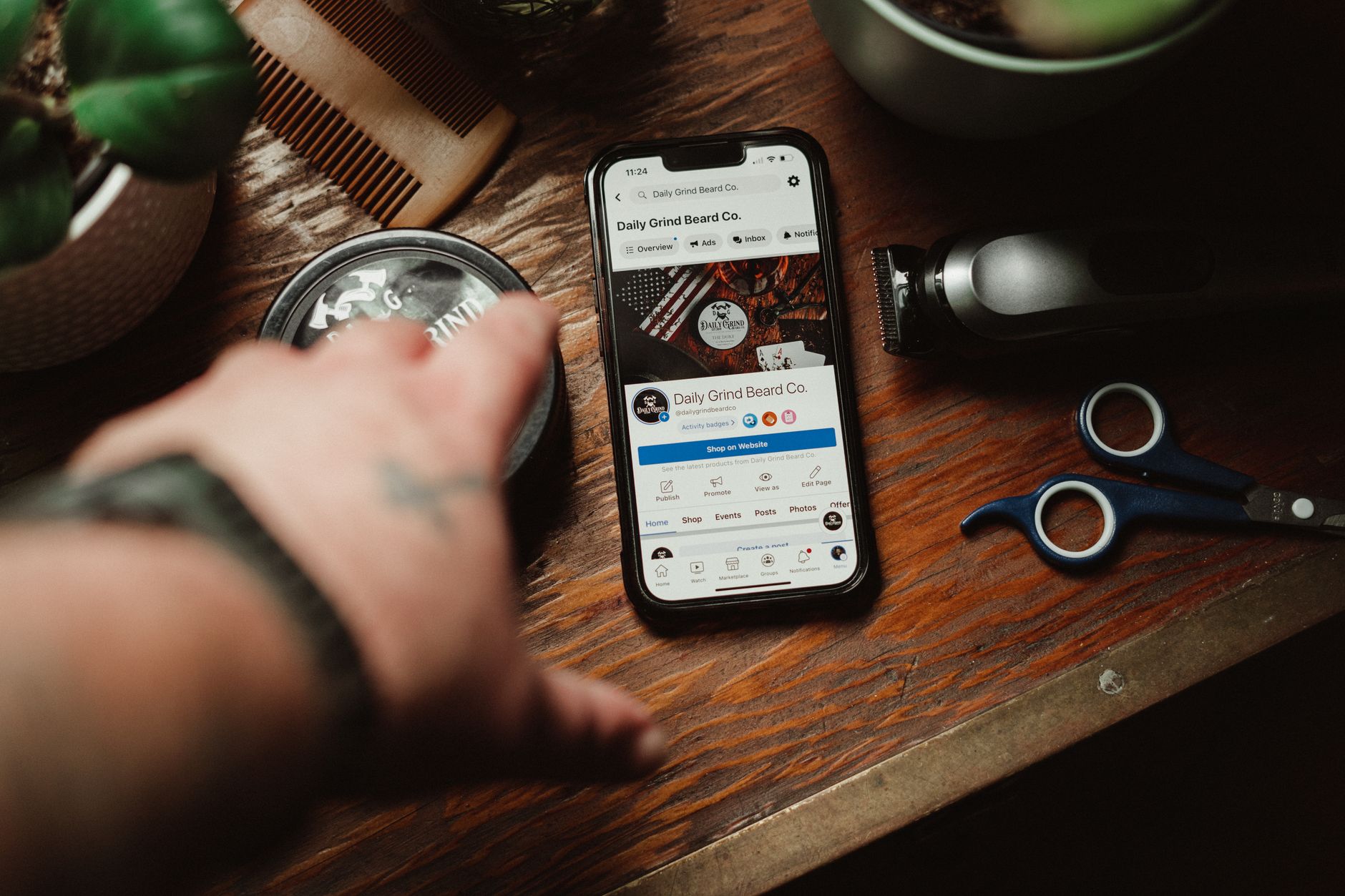
That kind of recall is built through consistency, not through cleverness. The same shopfront colours, the same tone in every social post, the same barber in the same chair at the same time each week if you can manage it, all of these small repeated signals are what make a business easy to recognise and easy to bring to mind. A shop that changes its logo, its Instagram style and its offer every few months is starting from zero every time, because none of the previous signals had a chance to stick. A shop that keeps the same look, the same voice and the same faces for years builds up a kind of recognition that a rebrand can only interrupt. If you want your shop to be the one a client thinks of on a Sunday night when they realise Monday is a big meeting, sameness done well is doing more for you than a clever new campaign ever will.
Choose Your Smallest Viable Market
Not every barbershop should try to be everything to everyone in the postcode, and the ones that try usually end up memorable to no one. A shop that decides who it is genuinely for, and serves that person extraordinarily well, tends to build a stronger, more talked-about business than one chasing every walk-in.
Picture three real versions of the same trade. One shop in a business district builds its whole identity around the fifteen-minute precision cut for professionals between meetings, with online booking and no waiting. Another, near a school, becomes the shop that is brilliant with nervous children having their first proper haircut, patient staff, a small toy box, no judgement from other customers waiting their turn. A third leans into classic wet shaves and beard grooming for a slightly older, slower-paced clientele who want the ritual as much as the result. None of these shops is trying to serve everyone, and that narrowness is exactly why each becomes the obvious recommendation within its own circle. Deciding who you are for, even informally, gives every other marketing decision, your photos, your offers, your shop playlist, a direction to follow. Our dedicated page on marketing for barbers goes further into matching your niche to the channels worth your time.

Social Media That Earns Its Keep
Social media works for a barbershop when it does one job well: giving people something worth sharing and something that reminds them you exist. It does not need to be constant, and it does not need production values a shop cannot sustain.
The content that performs best in this trade is rarely a polished advert. It is the transformation clip, the client walking in shaggy and walking out sharp, filmed in ten seconds on a phone. It is the honest behind-the-scenes moment, a barber sweeping up at closing time or setting up before the Saturday rush. It is a short story about a regular, the retired teacher who has sat in the same chair every third Thursday for eleven years, told properly rather than as a caption under a stock photo. Content like this gets shared because it makes the shop feel like a real place with real people in it, which is precisely the thing a chain barbershop down the road cannot copy. Post consistently rather than constantly, on the platform your actual clients use rather than the one that is trendiest this month, and treat every post as a small trigger reminding someone their hair is getting long.
Why Loyalty Cards and Discounts Rarely Grow a Barbershop
Stamp cards and blanket discounts feel like marketing because they are visible and easy to set up, but they mostly reward people who were coming back anyway rather than bringing in anyone new. A tenth cut free does not persuade someone outside the shop's existing client base to walk in for the first time. It simply moves forward a sale that was already going to happen, and it trains your existing clients to expect a discount, which erodes the margin on work you would have done regardless.
That does not mean discounting never has a place. A genuine first-visit offer aimed at people who have never sat in your chair can work, because it is designed to bring in someone new rather than reward someone loyal. The distinction matters. Spend your marketing effort on getting new faces through the door and on being memorable enough that existing clients return without needing to be bribed, and save the stamp card for the rare occasion it is genuinely earning you a new client rather than discounting a sale you already had.
A Simple Weekly Marketing Routine for a Barbershop
Marketing sticks when it is a routine rather than a burst of enthusiasm every few months. A realistic weekly routine for a one or two-chair barbershop looks something like this.
- Spend twenty minutes on your Google Business Profile. Check opening hours are correct, add two or three fresh photos, and reply to any new reviews.
- Post two or three times. A transformation clip, a behind-the-scenes moment, and one post tied to whatever is happening that week, payday, a local event, the weather turning.
- Ask for two reviews. Pick your two best finished cuts of the week and ask those clients directly for a review while the result is still fresh in their mind.
- Note one referral. If a client mentions a friend needs a cut, follow up with a specific, easy-to-repeat offer rather than a vague mention.
- Review the following week's bookings. Look for a quiet afternoon and plan one small piece of content or one outreach message aimed at filling it.
None of this takes more than a couple of hours across a week, and the compounding effect of doing it every single week, rather than in bursts, is where the real growth sits. A related marketing plan turns a routine like this into a full one-page document if you want to formalise it further.

Common Marketing Mistakes Barbers Make
A handful of mistakes show up again and again in this trade. The first is treating marketing as something to do when business is slow, rather than a constant habit, which means the shop is always playing catch-up. The second is posting inconsistently, a flurry of content for a fortnight followed by silence for two months, which builds no recognisable presence at all. The third is trying to appeal to everyone, with generic photos and generic captions that could belong to any barbershop in the country, when a shop with a clear point of view is far easier to remember and recommend. The fourth is letting the Google Business Profile go stale, which hands search visibility to whichever competitor bothered to keep theirs current. The fifth is over-relying on discounts to bring people back, when a consistent, well-run shop with a clear identity keeps clients returning without needing to buy their loyalty each time. Avoid these five and a modest, steady routine will outperform a shop spending far more on marketing without any of them in place. A clear marketing strategy is what keeps these choices pointed the same direction rather than drifting month to month.