
What Is Customer Appreciation, and Why Does It Matter?
Customer appreciation is any gesture that tells a customer you value them as a person rather than as a transaction. It sits apart from promotion, which exists to shift stock or win new business, and apart from a loyalty scheme, which rewards frequency with points. Appreciation rewards someone simply for being your customer, and it tends to land hardest when it is unexpected.
It matters because satisfaction is rising across the UK and the gap between satisfied and delighted customers is where the commercial value sits. The UK Customer Satisfaction Index has now risen for a fourth consecutive period, reaching 78.3 out of 100, a 1.0-point increase year on year. That rising baseline means customers are getting used to good service, which makes the businesses that go slightly further more noticeable, not less. The same data shows precisely why going further pays. Customers who score an organisation 9 or 10 for service are almost twice as likely to recommend it as those who score it 8, by 94.8% to 54.3%, and far more likely to stay. That gap between good and genuinely appreciated is where a small business with no marketing budget can compete and win, because it is built on attention rather than spend.
Scale matters here too. There were 5.64 million small businesses in the UK, making up 99.18% of the entire business population. Most of your competitors are the same size as you, with the same small budget and the same stretched week. That means a genuine note or a remembered detail is not a nice extra most businesses are already doing. It is still rare enough to be noticed, which is precisely what makes it worth the ten minutes it takes.
What Are Good Customer Appreciation Ideas?
Good customer appreciation ideas are small, personal and specific to the customer rather than generic to everyone. The strongest ones cost little or nothing and work because they show someone was paying attention, not because they involve a discount.
A handful that work well for a small business, whatever you sell:
- A handwritten note, left in a bag, posted with an order, or handed over at the counter. Specific beats generic. "Thank you for the second order this month" lands harder than "thanks for shopping with us."
- Remembering a detail, a name, a dog's name, a reason for the purchase, and using it the next time someone comes in or calls.
- A small, unannounced extra, an added sample, a free top-up, a few minutes of extra time on a job, given without being asked and without a condition attached.
- Marking a milestone, the anniversary of someone's first order, their fifth visit, or a big life event they mentioned to you.
- A genuine follow-up, a short call or message a few days after a big purchase or job, checking it is working out, with no sales pitch attached.
- Public, permission-based recognition, a mention or photo of a long-standing customer on social media, only ever with their agreement.
- A referral thank you, not a scheme with rules, a personal acknowledgement when someone sends a friend your way.
None of these require a system. They require noticing, and a short memory jog, a note in a diary or a line in a spreadsheet, so the detail is there when you need it.
Why a Handwritten Note Still Outperforms a Discount Code
A discount code feels generous and costs you margin. A handwritten note costs a stamp and a few minutes, and the evidence suggests it does more for how someone feels about you. Researchers from the University of Texas asked 334 people to write a letter of gratitude to someone who had done something nice for them, then guess how the recipient would react. The writers consistently overestimated how awkward the recipient would feel and underestimated how positive it would make them feel. The same finding, that senders consistently underestimate how positive and surprised recipients feel, has been reported independently, which is a reassuring thing to know if you have ever hesitated over a note because it felt like it might be too much.
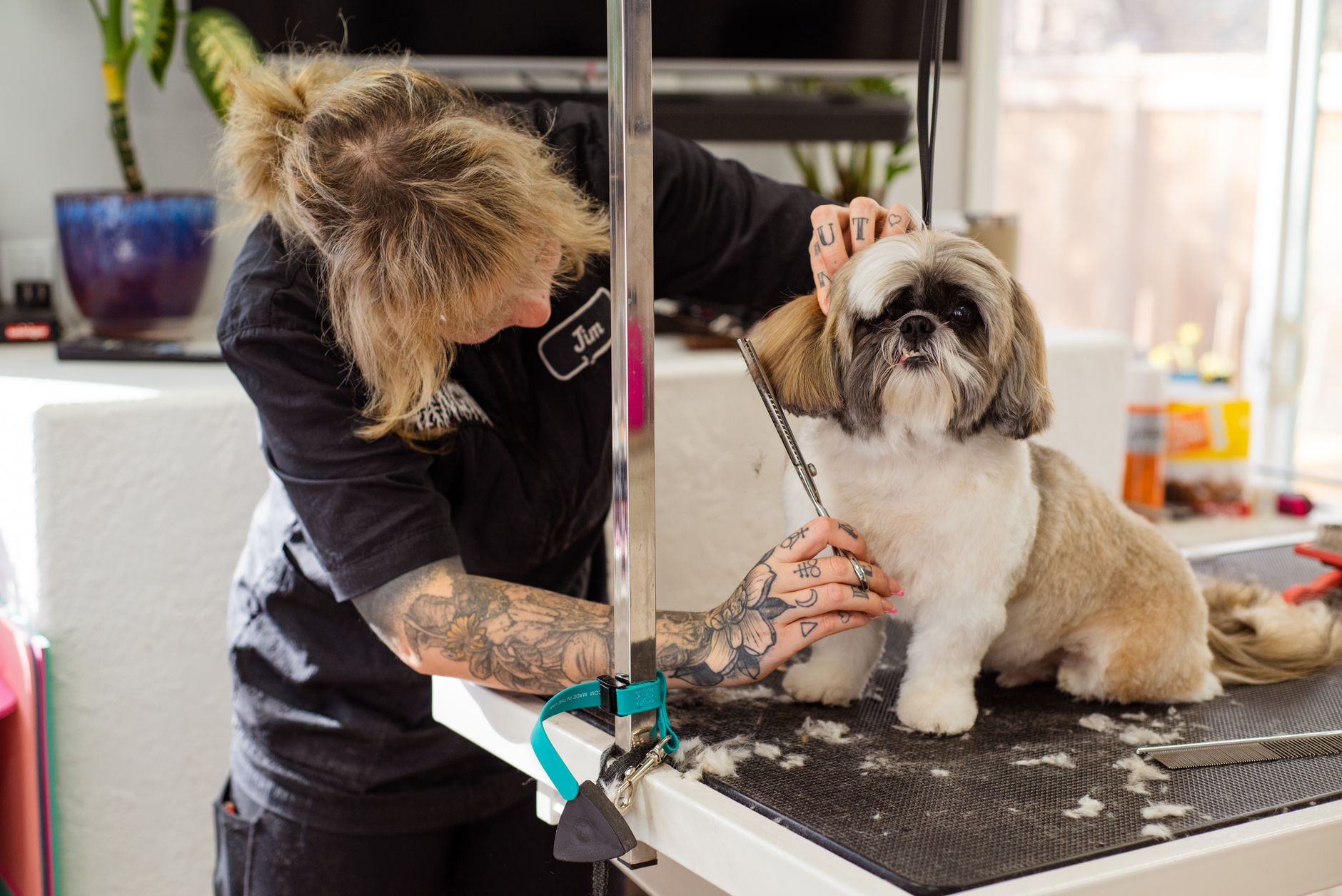
This matters practically for a small business, because it means the thing you assume is small and faintly awkward, a quick thank you note after a job or an order, lands far better than you expect and costs you almost nothing. A hairdresser in Cardiff who leaves a two-line note in the product bag after a first visit, thanking the client by name and mentioning something they talked about in the chair, is doing something that outperforms a ten per cent off code, because it cannot be copied by a competitor and it does not train anyone to wait for a deal. For the customers you cannot reach in person, a short, well-written thank-you email does a similar job at scale, as long as it still reads like it was written for one person rather than a list.

Build Appreciation Around the Customers You Already Have, Without Narrowing Who You Welcome
It is tempting to build appreciation into a tier system, a top rung for your biggest spenders and nothing for everyone else. This is worth resisting, because the research on how brands grow points the other way. Light and infrequent buyers make up the largest share of any business's customer base, and they matter more for growth than most owners assume, since protecting the attention and goodwill of your most occasional customers, not only your most frequent ones, is what the Ehrenberg-Bass Institute's work on mental availability suggests keeps a smaller brand's growth options open. Risking that broad base to lavish attention on a narrow top tier can cost a small brand more than it realises.
In practice, this means the appreciation gestures that cost nothing, the note, the remembered name, the small unasked-for extra, should be available to anyone who walks through the door or places an order, not reserved for a VIP list. Save the bigger, costlier gestures for the relationships that have earned them over time, but keep the free ones wide open. A garden centre that only remembers the names of its biggest spenders is telling everyone else they do not matter enough to be noticed, and the occasional customer who feels that will simply drift to wherever feels warmer next time.

Low-Cost Appreciation Ideas for a Shop or Local Venue
A physical space gives you more moments to work with than a purely online business, because you see people and can react to what is in front of you.
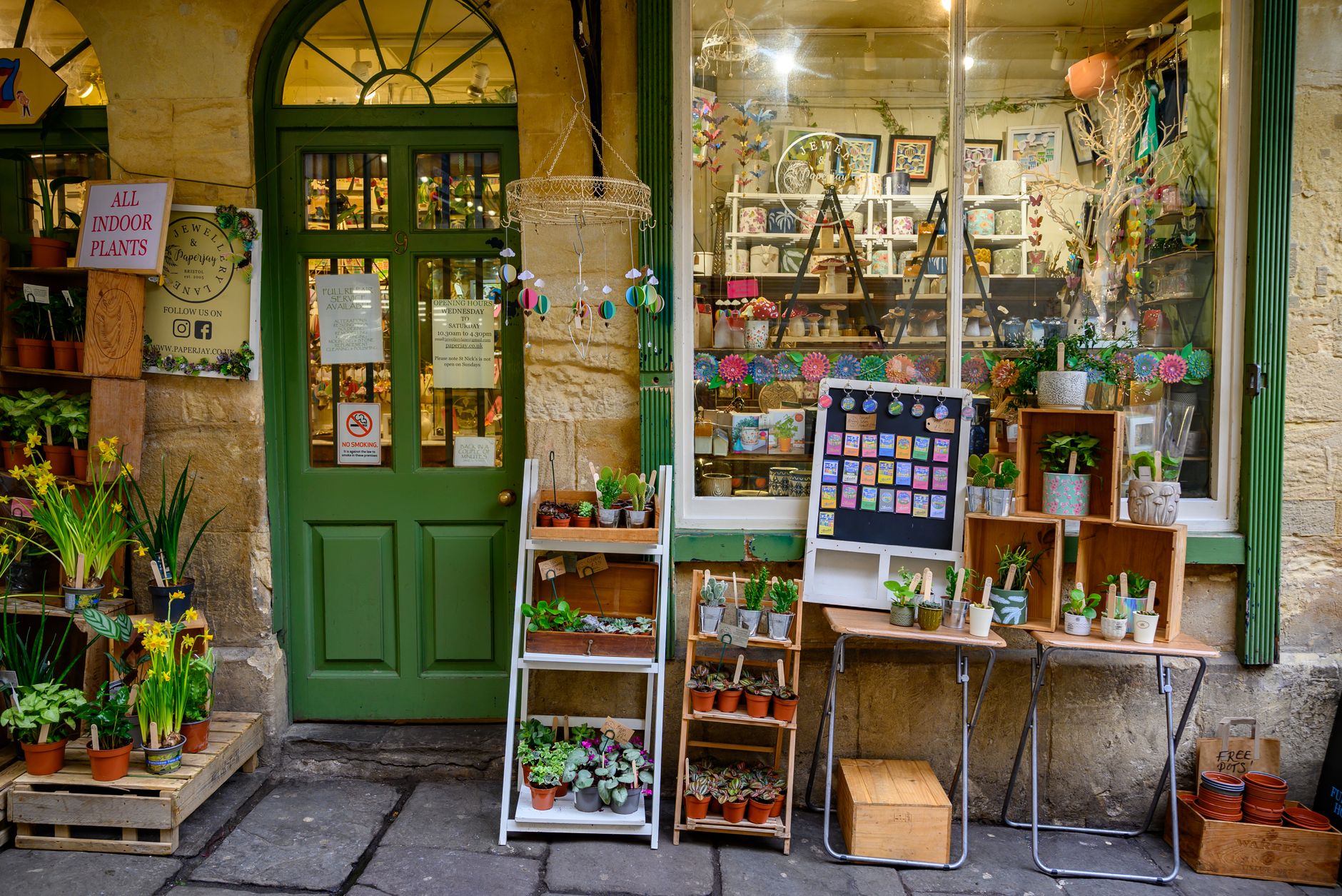
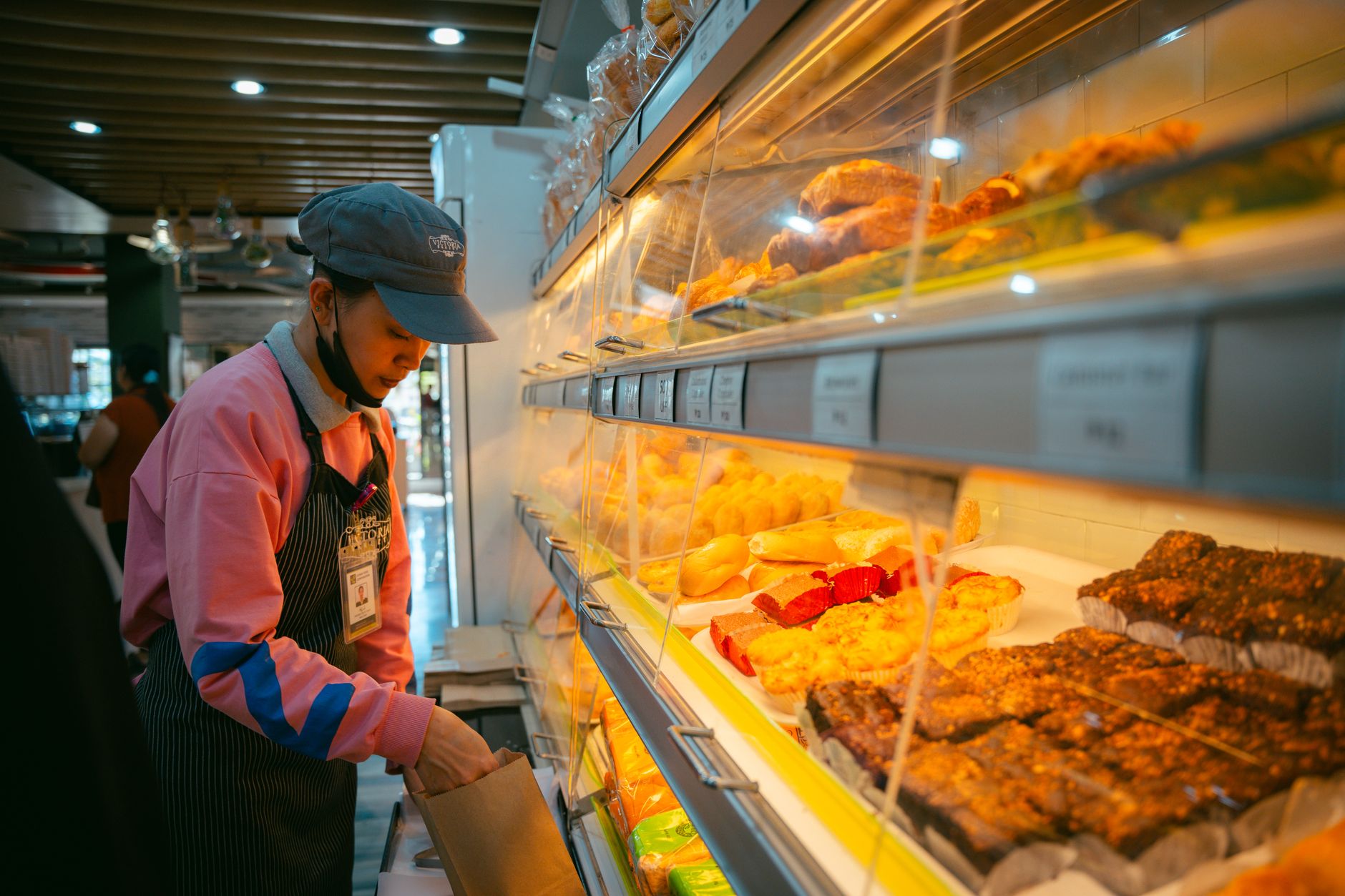
A bakery in Bristol can slip an extra bun into a regular's bag on a quiet Tuesday, with nothing said beyond "this one's on us today." A plant nursery in Cardiff can send a customer home with a handwritten care card specific to what they bought, rather than a generic printed leaflet. A bike shop in Leeds can offer a thirty-second brake check to anyone who bought a bike there last year, without charging for it and without asking them to book anything. None of these cost real money. All of them are the kind of thing a customer mentions to a friend, which matters, because businesses that are talked about positively tend to be the ones people already trust. The most recommended brands in the UK are, almost without exception, the ones their own customers talk about unprompted, and small, specific gestures are exactly what gives people something worth repeating.
Low-Cost Appreciation Ideas for a Service Business
Without a shop counter, appreciation has to travel through calls, messages and the work itself, but the principle holds.
A plumber can text a week after a job, asking simply whether everything is still holding up, with no invoice attached to the message. An accountant can call a handful of long-standing clients in January, before the busy season starts, purely to thank them for another year of trusting the business with their finances. A personal trainer can send a short voice note congratulating a client on a milestone that has nothing to do with upselling the next block of sessions. Each of these is distinct from a customer loyalty programme, because there is no points balance and no condition to meet. It is simply a human moment that happens to be good business, and it tends to be the thing clients remember long after the invoice is forgotten.
Why Loyalty Schemes Alone Are Not Appreciation
A loyalty scheme and genuine appreciation often get treated as the same thing, and they are not. A scheme rewards a pattern of behaviour, points for spend, a free coffee on the tenth visit. Appreciation rewards a relationship, and it works even on someone's first visit or their occasional one. Relying on a scheme alone to carry the weight of making customers feel valued has a real weakness, because engagement with these schemes is patchy at best. While 55% of UK consumers belong to at least four loyalty schemes, 58% have actively used only three or fewer of any scheme in the past six months, according to Mintel's research on UK customer loyalty in retail. Most of the schemes people sign up for sit unused in an app or a drawer, which means the points themselves are rarely where the feeling of being valued comes from.
A small business can run a loyalty scheme and still make appreciation a separate, deliberate habit on top of it. The scheme handles the mechanics of repeat spend. The note, the call, the remembered detail, handle the part a scheme cannot touch, which is making someone feel like a person rather than an account number.

How Often Should You Show Customer Appreciation?
More often than feels comfortable, and tied to real moments rather than the calendar. A single big gesture once a year, a Christmas card sent to the whole list, does far less than a handful of small, specific moments spread through the year, because the specific ones are the only ones anyone remembers.
Good natural checkpoints include the first purchase, the point where a complaint gets resolved well, any referral someone sends your way, and a genuine milestone like a year of custom. New research consistently finds that people significantly underestimate how positively a gesture of gratitude will land with the recipient, which is worth remembering the next time a thank-you note feels like it might be too much, or too soon, or too small to bother with. It rarely is. Build a short habit around it, a note after every job, a call to a handful of long-standing customers each quarter, a line in a notebook of details worth remembering, and treat the bigger ideas in our guide to customer loyalty as the layer you build on top, once the habit of simple thanks is already running.