How Do Dog Groomers Get More Bookings?
Most grooming businesses win new clients through four things working together rather than any single trick. A complete, active Google Business Profile that ranks for local searches. A photo library of real dogs, before and after, that proves the quality of the work faster than any sentence could. A visible run of recent reviews, because a nervous new dog owner reads what other owners said before they hand over their pet. And a rebooking habit that turns a one-off visit into a client who returns every six to eight weeks without being chased.
The mistake most groomers make is treating these as separate, occasional tasks rather than a routine. A profile filled in once and left, a burst of photos posted after a slow month, reviews asked for only when a client happens to mention how pleased they are. Bookings follow consistency, not bursts. A groomer who does a little of each every week, updating the profile, posting a photo, asking for a review, checking who is due back, builds a business that fills its diary on its own steam. Our guide on how to get more bookings goes deeper on the mechanics that apply across any appointment-based local business, and the sections below apply them specifically to grooming.
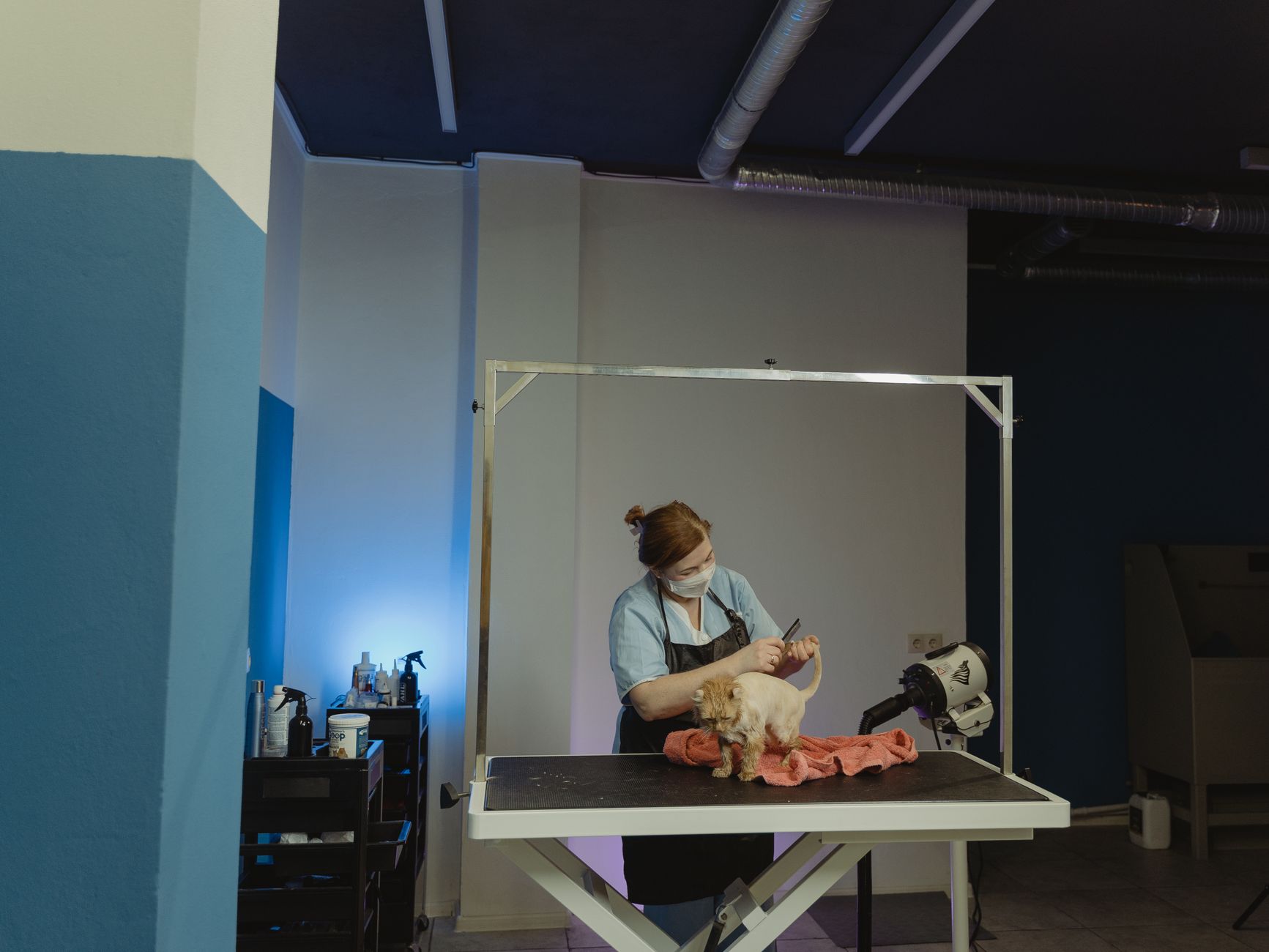
Why Local Visibility Matters So Much for a Grooming Business
The opportunity in front of a UK grooming business is bigger than most owners assume, and so is the competition for it. Around 60 percent of UK households owned at least one pet in 2024, spanning 17.2 million homes, according to UK Pet Food data reported by Market Data Forecast. That is a vast pool of potential clients living within a few miles of almost every grooming salon in the country. Demand is growing too. Grand View Research estimates the global pet grooming services market at USD 6.9 billion in 2024, rising to USD 10.3 billion by 2030, a CAGR of 7.3 percent, while Fortune Business Insights puts the broader global pet grooming and accessories market at USD 82.20 billion in 2025, climbing to USD 158.77 billion by 2034.
More dog owners looking for a groomer also means more grooming businesses competing for the same searches. This is where the old idea that a good service sells itself starts to break down. A dog owner in a new town, or one whose usual groomer has retired, will search online before they ask anyone, and the businesses that turn up clearly, described well and backed by recent proof, are the ones that get the call. Being genuinely good at grooming and being easy to find are two different jobs, and a small business has to do both.

How to Build a Google Business Profile That Wins the "Groomer Near Me" Search
Your Google Business Profile is doing more selling for you than your website most days, because it is what shows up on the map and in the local pack before anyone clicks through. Get the basics right and it works in the background every day.
Choose the right primary category, "Pet groomer", and add secondary categories if you also offer boarding, walking or a puppy service. Fill in your service area and opening hours precisely, including any late slots, since a search at 7pm for a Saturday appointment should show you as open to bookings rather than closed for the day. Add real photos regularly rather than a handful uploaded once at launch, since profiles with fresh, frequent images are treated as more active. Answer every question in the Q&A section yourself before a stranger answers it inaccurately, and post a weekly update, a finished groom, a seasonal offer, a new starter, so the profile shows genuine activity rather than a listing left to gather dust.
The IMARC Group values the wider UK pet care market at USD 9,017.1 million in 2025, growing to USD 14,427.2 million by 2034, a market that size means a well-kept local profile is competing against genuine rivals, not an empty field, so the small, boring maintenance tasks are what separate the groomers who fill their books from the ones who wonder why the phone stays quiet.

Why Before-and-After Photos Are Your Strongest Marketing Asset
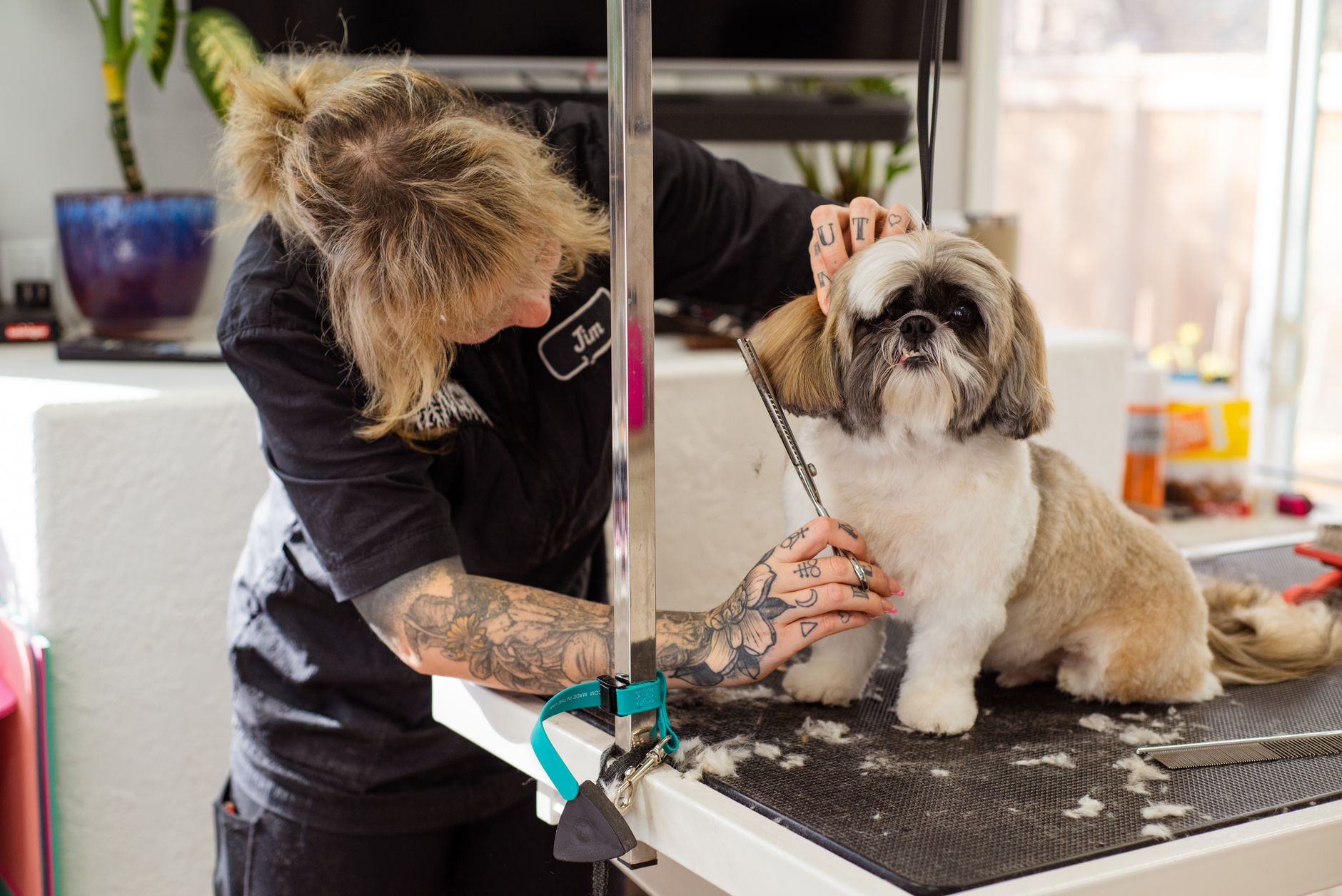
If you take one habit from this guide, make it photographing every dog, before and after, every single day. A grooming transformation is one of the few pieces of marketing content that sells itself without a caption, because the proof is sitting right there in the picture. It also happens to be exactly the kind of content people share. A dog owner who posts your before-and-after photo of their own pet on their own page is doing your marketing for you, for free, to an audience that already trusts them more than they trust an advert. Tag the breed and the style in the description, since owners searching "poodle teddy bear trim near me" are looking at photos before they read a word of text.
This works because people share things that make them look good or help someone else, and a proud, transformed dog does both at once. Keep a simple folder or a dedicated Instagram highlight organised by breed and cut, so a prospective client can find a dog that looks like theirs and picture the same result. The Grand View Research report on the UK pet grooming products market, valued at USD 1.19 billion in 2023 and growing at 4.8 percent a year through 2030, an 8.6 percent share of the global grooming products market, is a reminder that owners are already spending on how their dogs look and feel. Photos are how you show them what that spend gets, before they have even walked through your door.
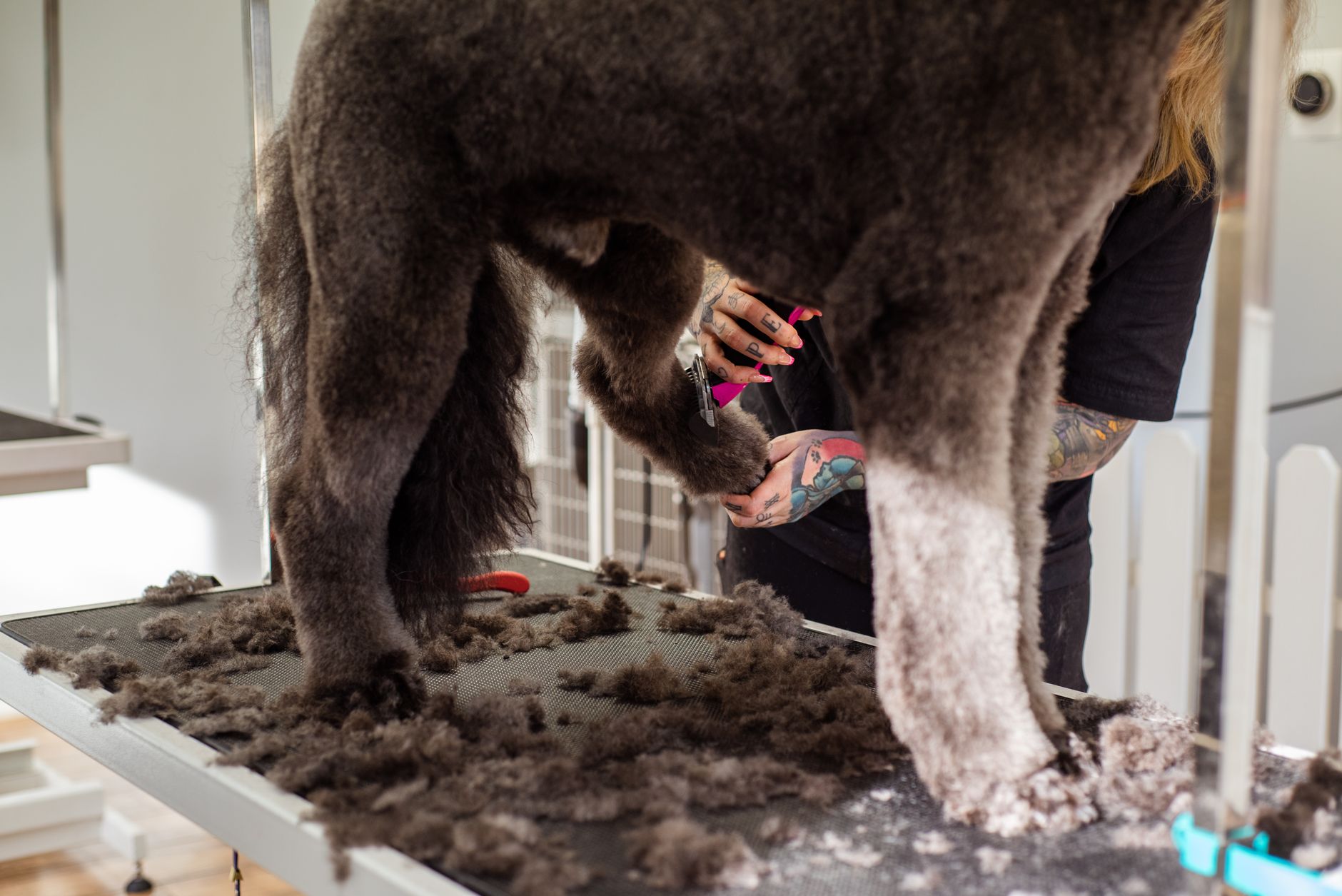
Turning Rebooking Into Your Biggest Growth Lever
New clients get the attention, but rebooked clients are what fill a grooming diary week after week. Most dogs need a groom every six to eight weeks depending on breed and coat, and that schedule is a gift, because it is predictable. Rather than waiting for a client to remember and call, build the reminder into your system. A text or email sent a few days before a dog is due, phrased around the specific dog by name, converts far better than a generic newsletter, because it lands at exactly the moment the owner is starting to notice the coat getting shaggy.
This is the single highest-leverage piece of marketing a grooming business can run, because it needs almost no ongoing effort once it is set up, and it protects the income you have already earned rather than chasing new income you have not. A groomer who rebooks 80 percent of clients on a steady cycle has a business that runs on its own momentum. A groomer who rebooks 40 percent has to fill the gap with new client acquisition every single month, which is the harder and more expensive job. Our piece on how to get more bookings covers the practical systems for setting reminders up without it becoming another daily chore.
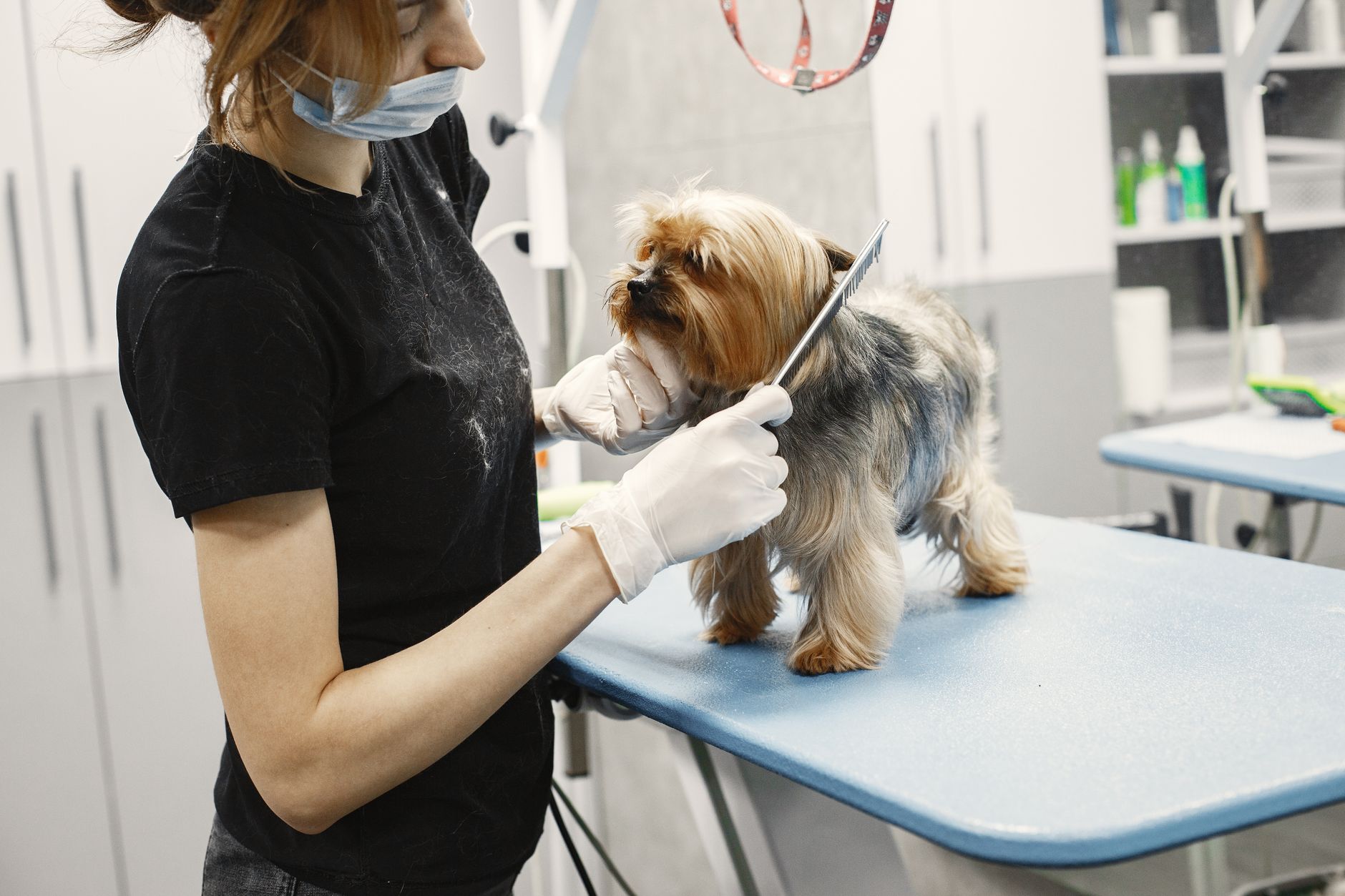
How Reviews and Referrals Build Trust Before the First Visit
Handing a dog over to a stranger for a few hours is a leap of faith for most owners, and reviews are what close that gap before the phone call even happens. Ask for a review the same day you finish a groom, while the client is standing there looking at a happy, freshly trimmed dog, rather than weeks later when the moment has passed. A short, specific ask, "if you were happy with Bella's groom today, a quick Google review helps other local owners find us", works better than a generic request, because it is timed to the exact moment the client is most pleased.
Word of mouth compounds faster in this trade than in most, because dog owners talk to other dog owners constantly, at the park, at the vet, in local Facebook groups for the breed or the area. A single delighted client who mentions your name in one of those conversations can bring you two or three enquiries without you spending a penny. Make it easy for that to happen. A referral offer, a small discount for the client and the friend they send your way, gives people a concrete reason to make the introduction rather than leaving it to chance. Future Market Insights values the UK pet grooming market at USD 1,073.0 million in 2025, rising to USD 1,867.0 million by 2035, a CAGR of 5.7 percent, while a separate analysis from Expert Market Research puts the more narrowly defined UK pet grooming products segment at USD 558.55 million in 2025, growing to USD 918.52 million by 2035. Estimates vary by how each firm scopes the category, but the direction is the same everywhere: steady, real growth in a market where trust decides who gets the booking.
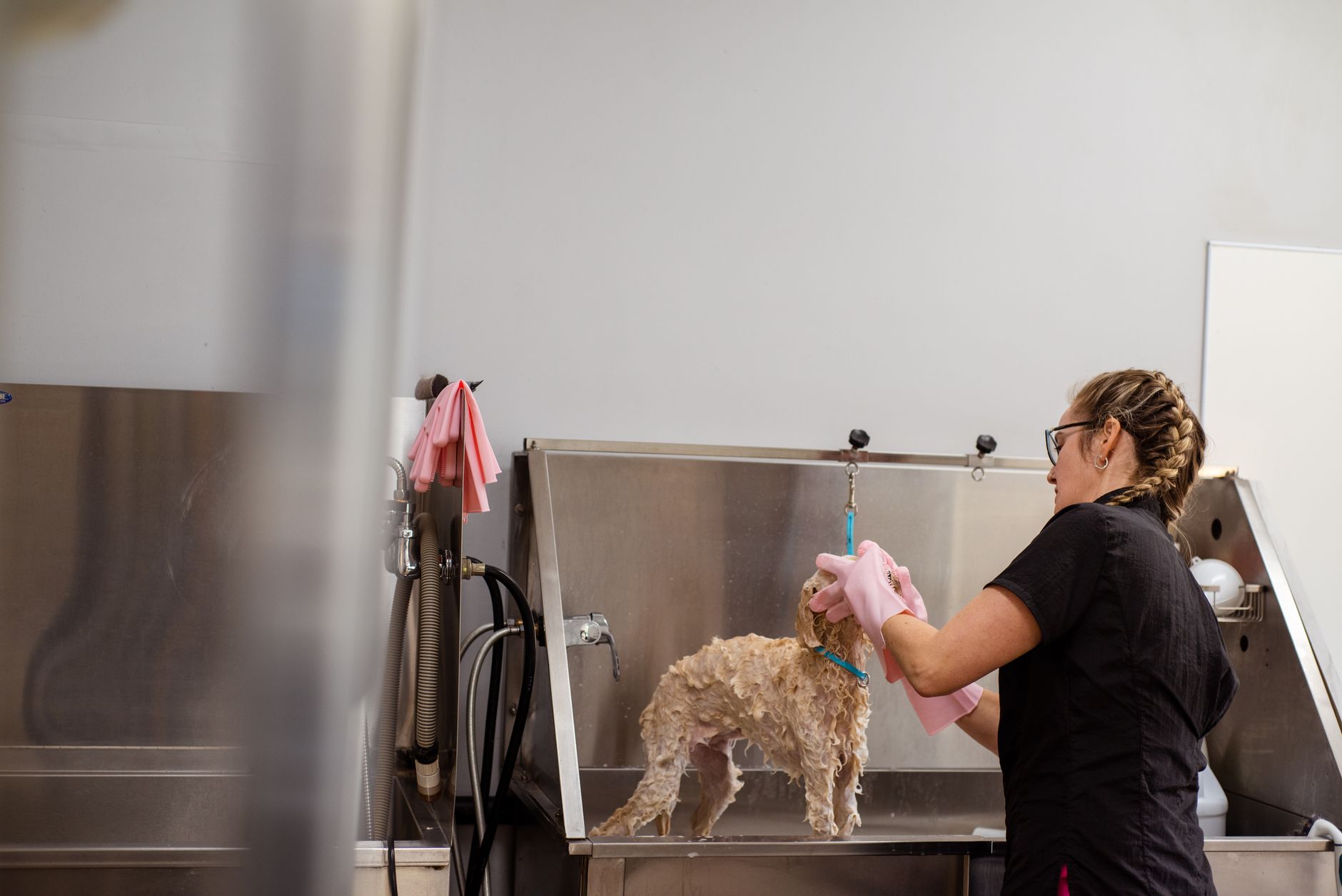
Choosing the Few Channels Worth Your Time
A one or two-person grooming business cannot run every channel well, and trying to is how marketing turns into another exhausting chore rather than something that pays off. Pick a small number of places your actual clients already spend time and do those properly rather than spreading thin across everything. For most local groomers that means three things: the Google Business Profile covered above, an Instagram account carrying the before-and-after photo library, and the local Facebook groups where dog owners in your town already swap recommendations.
Resist the pull to also run TikTok, a newsletter, a blog and paid ads all at once from a standing start. A groomer serving a specific local area with a specific set of breeds does not need a wide audience. It needs the right few hundred dog owners nearby to know the name and trust the work, served consistently and well. That focused approach builds a reputation faster than a scattered one ever could, and it is far easier to sustain around a full day of grooming. Our marketing for dog groomers hub sets out the fuller channel-by-channel detail if you want to build this out properly.

Common Marketing Mistakes Dog Groomers Make
A handful of habits cap growth for otherwise skilled groomers. Competing on price alone is the most common, since it invites a race to the bottom against anyone willing to charge less, when the actual decision most owners make is about trust and results rather than the cheapest quote in town. Posting sporadically is another, a flurry of photos after a good week followed by silence for a month, which makes a profile look abandoned exactly when a new client is checking it. Skipping the rebooking reminder is the costliest mistake of all, because it means re-winning business you had already earned, over and over, rather than simply asking for it at the right moment.
A less obvious mistake is describing the business generically, "professional dog groomer, all breeds welcome", when the owners who convert best are the ones who name something specific, a favourite breed, a particular cut, a gentle approach with anxious rescue dogs. Specific, memorable descriptions stick in a searcher's mind in a way that generic ones never do, and they make it far easier for a happy client to describe you accurately to a friend.
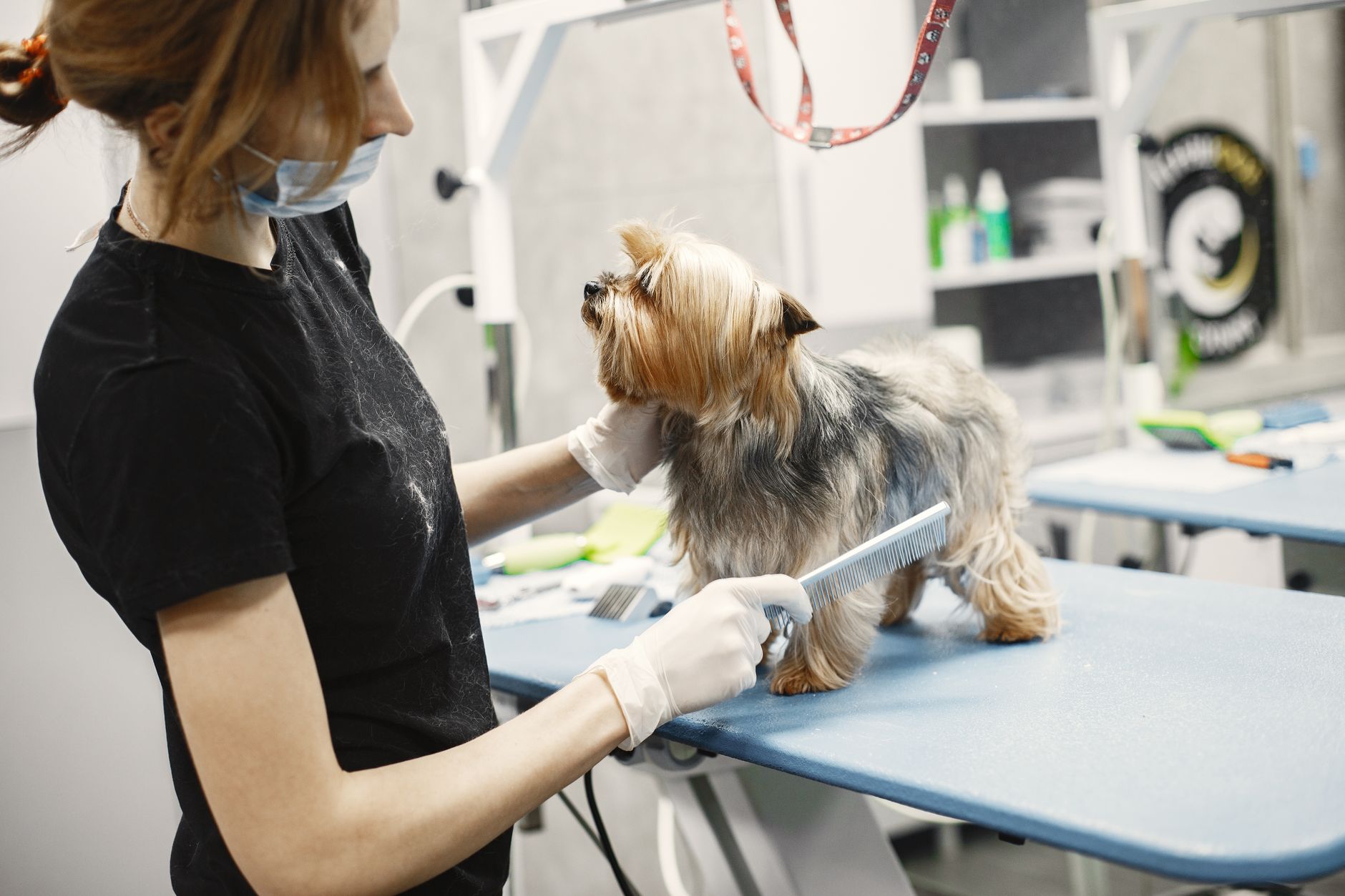
How to Build a Simple Marketing Plan for Your Grooming Business
Pull the pieces above into a one-page routine and the whole thing becomes manageable rather than overwhelming. Name your goal in plain terms, for example fifteen new regular clients over the next quarter. Name your audience specifically, dog owners within a short drive who want a groomer they can trust with a nervous or elderly dog, rather than "everyone with a dog". Choose your channels, the Google Business Profile, Instagram and the local Facebook groups covered earlier. Build the weekly habits into a simple calendar, a photo posted after each groom, a review asked for the same day, reminders sent to clients due within the week. Set a measure, new bookings per month is the one number that tells you whether it is working.
Written down like this, marketing stops being a vague pressure sitting at the back of your mind and becomes a short list of things you do between appointments. If you want the fuller thinking behind building a plan like this for any small business, our guides on what a marketing strategy is and how to create a marketing plan walk through the reasoning in more depth.