How Do Bakeries Build a Queue?
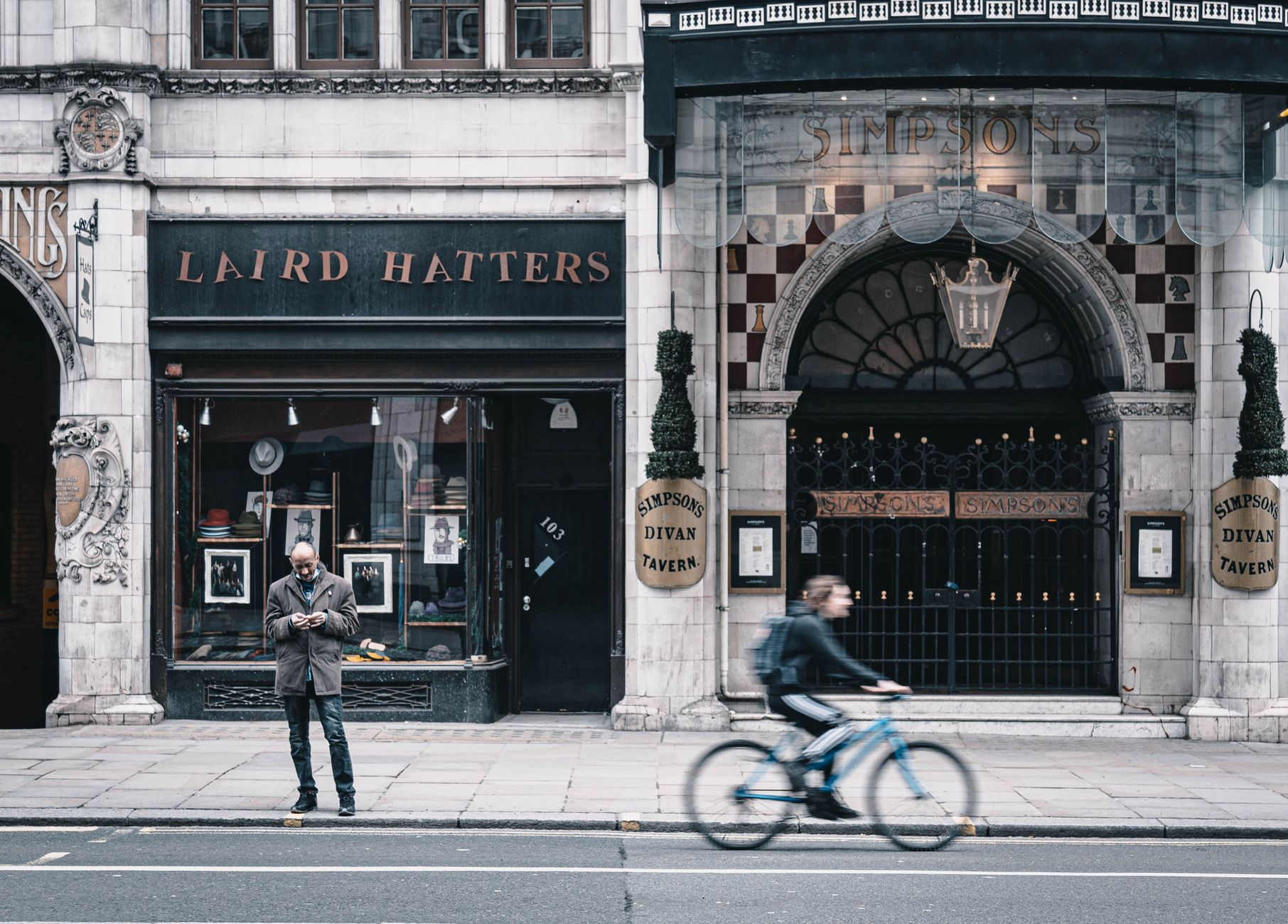
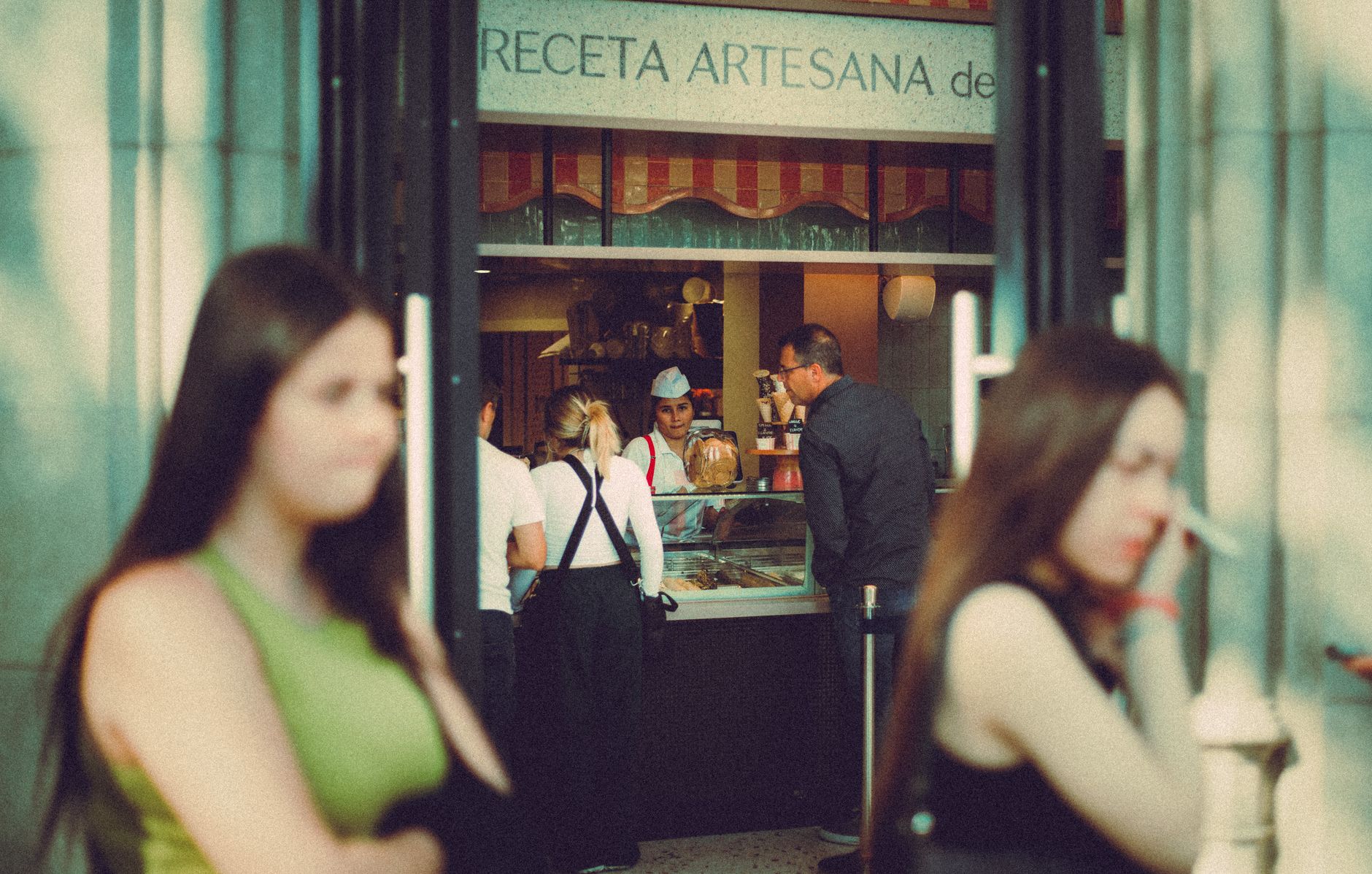
A queue forms when a bakery is easy to find at the right moment, easy to remember without thinking, and worth talking about. Miss any one of the three and the queue thins out, however good the bread is.
Being easy to find matters because a large share of local buying now starts with a phone search rather than a walk down the high street. "Near me" search terms carry roughly 7.1 million monthly searches, with bakeries and other specific local food businesses among the categories people search for most, according to Shopify's analysis of 2026 Semrush data. If your opening hours, address and photos are not accurate and current wherever people look, you are invisible at the exact moment someone wanted you.
Being easy to remember is a slower asset. It is built by showing up in the same way, at the same times, with the same look, until your bakery becomes the automatic answer to a specific moment, the Friday treat, the last-minute birthday cake, the packed-lunch pastry. This is what the Ehrenberg-Bass Institute's research on mental and physical availability describes as reaching more buyers more often and linking the brand to the moments they already buy in, rather than trying to win them over with a single clever message.
Being worth talking about is what turns a customer into a source of new customers. A specific bake that only appears on one day, a visible queue that becomes part of the local scene, a story about how the bakery started, all of these give people a reason to mention you that a plain "good bread" never will. Put the three together, consistently, and a queue stops being a lucky morning and becomes what your bakery does every week.
What Does Marketing for a Bakery Involve?
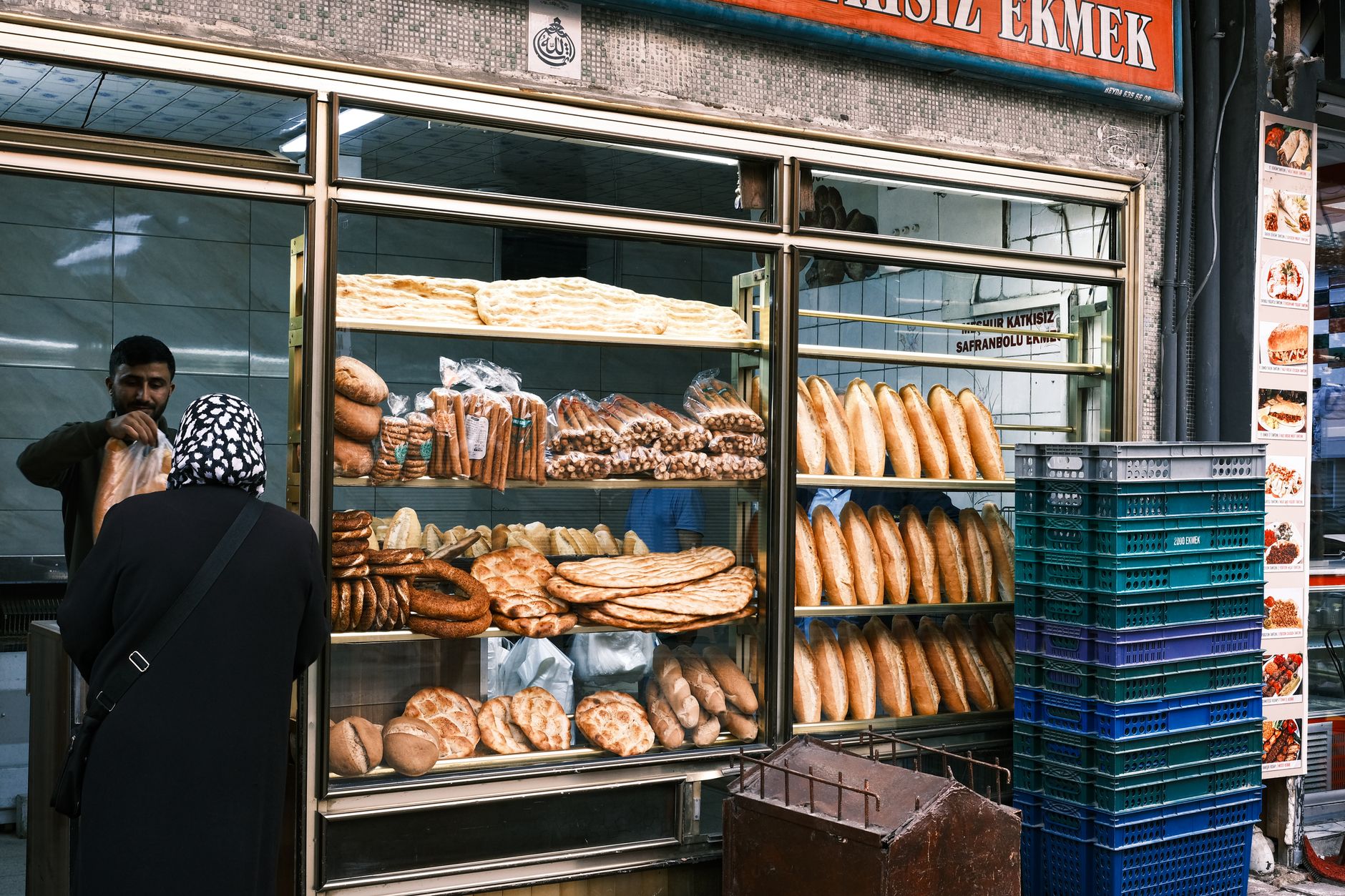
For most bakery owners, marketing is a handful of standing habits: keeping your online listings accurate, showing up on the same channels at the same times, earning reviews, and choosing what you want to be known for and repeating it. That last point matters more for an independent bakery than for a supermarket bakery aisle, because your presence in the local high street and community is a genuine asset rather than a backdrop. As Karen Dear, chief executive of the Craft Bakers Association, put it in the British Baker Bakery Market Report 2026, the high street and local community "remain central to their business model" for many independents, which is precisely the ground a national chain cannot occupy as convincingly as you can.
The category you sit in is large. The bakery product retailing industry in the UK is worth £4.0bn in 2026, and bread alone accounts for roughly 1.8 billion kilograms sold across the UK market each year. That volume tells you something useful: plain bread is a commodity most shoppers can buy anywhere, so a bakery competing on bread alone is competing on price against supermarkets with far deeper pockets. The marketing job is to make clear what you offer that a commodity loaf does not, and to make sure people already know that before they need it. For a fuller picture of who that customer is and how to reach them, our marketing for bakers guide goes deeper on the audience side of this work.
Why Bakery Marketing Matters More This Year
The backdrop this year is mixed, and a bakery that reads it correctly can market smarter than one that assumes everything is simply getting harder. High street footfall fell by 3.8% in July, year on year, which sounds bleak until you notice it is an improvement on June's 6.2% decline. Fewer people are walking past your window than two years ago, and July's figure was an improvement on June's.
At the same time, household budgets are under real pressure. Among people who expect their finances to worsen, 62% plan to cut back specifically on eating and drinking out, which sits your bakery directly in the firing line, since a pastry with a coffee is exactly the kind of spend people trim first when they are worried. Yet that worry is unevenly spread. Thirty-five to forty-four-year-olds recorded a sentiment score of +21, the highest reading since the survey began in 2008, which means a meaningful segment of your local market is feeling more confident, and is worth marketing to differently from a household that is genuinely cutting back.
The spending data backs that split up. Total spend in the wider eating-out category grew 6.8% year on year in the second quarter of 2026, and that growth was driven mainly by people spending more per visit rather than visiting more often. Fewer trips, bigger spend on the trips that happen. For a bakery, that is a clear signal to make each visit count, through a stronger in-store experience and a reason to add something to the basket, rather than chasing footfall you cannot control. It also means you are competing for a wider slice of spend than you might assume. Barclays now groups restaurants, cafes and bakeries into a single "dining out" category in its own reporting, because it believes the old distinctions between them have become increasingly blurred. Your real competition for that Saturday morning spend includes the cafe and the brunch spot as well as the bakery two streets over.
None of this sits apart from real cost pressure on the business side. Karen Dear has warned that bakery businesses face what she called a perfect storm of rising employment costs and other pressures, echoing the reasons given by the managing director of one closed bakery for ceasing trading, in comments reported by British Baker. Marketing cannot fix a cost base on its own, but it can decide whether the customers you do reach are the ones willing and able to keep choosing you.
Get Found by the People Already Searching for You
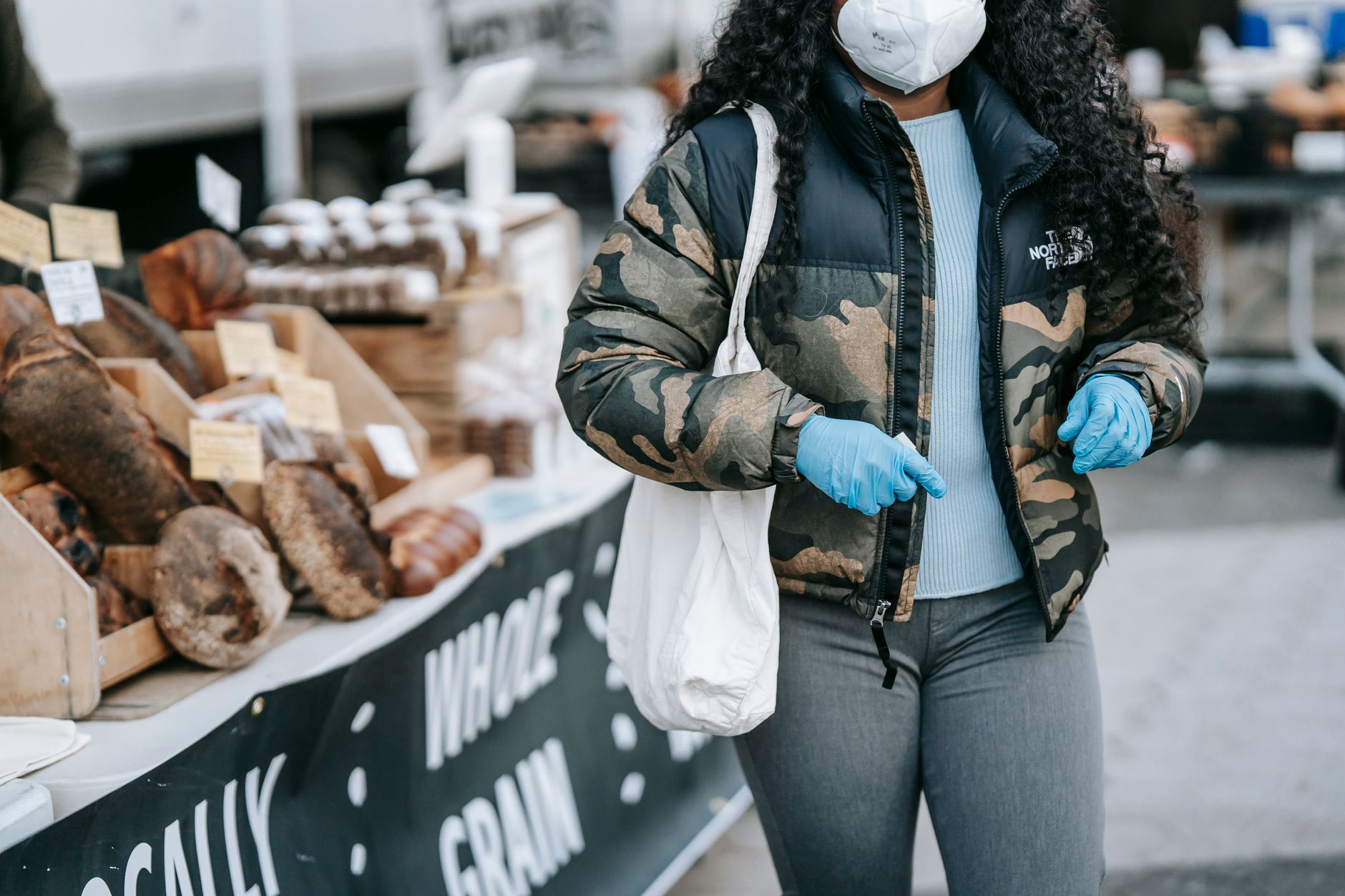
Physical availability comes first, because being remembered counts for nothing if nobody can locate you. With roughly 7.1 million monthly "near me" searches across categories that include bakeries, cafes and other specific local food businesses, a large share of your potential customers are already typing the question that should surface your name. Whether it does comes down to unglamorous basics done consistently: a complete, accurate Google Business Profile, opening hours that reflect reality including the days you sell out early, current photos of what is in the counter that week, and the same name, address and phone number wherever your bakery is listed.
Reviews matter here too, as the proof a stranger reads before they decide to walk in rather than drive past. Ask happy customers for a review on the day they had a good experience, while the memory is fresh. This physical-availability work sits alongside the wider question of footfall itself, and our guide to how to increase footfall covers the in-store and local tactics that turn a search result into a visit.
Build the Buying Habit That Makes a Bakery the Default Choice
Being found once and being chosen habitually are different things. The stronger asset is a customer who does not compare options at all, because your bakery is already the answer in their head before they open a search bar. That habit is built through consistent presence linked to specific moments people already buy in, the Friday afternoon treat, the birthday cake order, the coffee-and-pastry stop on the school run. The research on mental and physical availability from the Ehrenberg-Bass Institute shows that brands grow by reaching more buyers more often and by building memory links to those buying occasions, rather than by relying on one persuasive message to win someone over in the moment.
For a bakery this means holding your look, your name and your tone the same everywhere, the shop front, the packaging, the social posts, so people learn to recognise you at a glance rather than having to read to work out who you are. It also means resisting the pull towards constant discounting to fill quiet mornings. Frequent promotions train customers to wait for the next offer rather than to value what you make at full price, which erodes the margin a small bakery can least afford to lose. A steady, recognisable presence at the moments people already buy in earns far more over a year than a rotating cycle of discounts ever will.
Make Your Bakery Worth Talking About
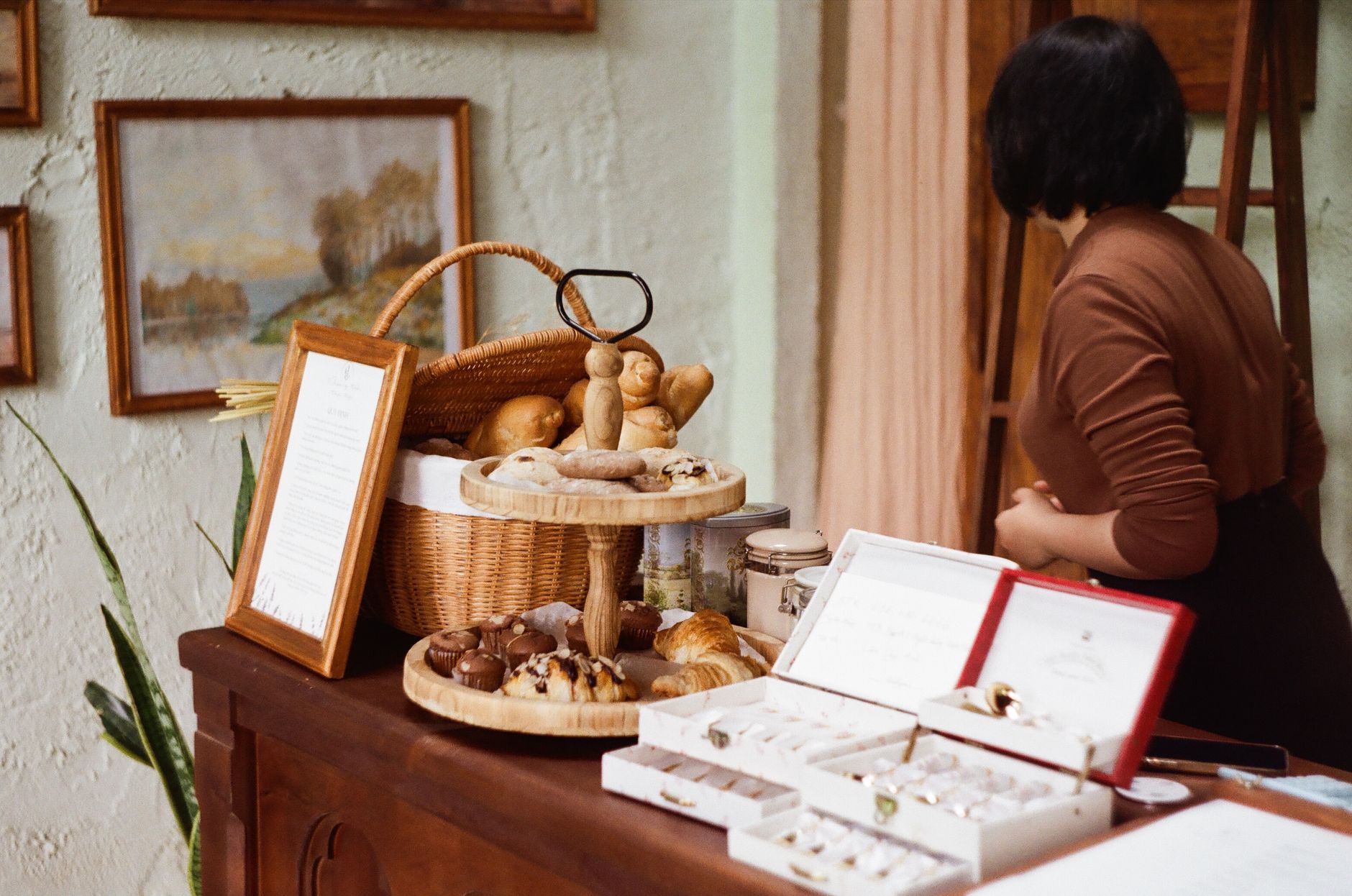
Word of mouth is something you can design for. People talk about things that make them look good for knowing about them, so a specific bake that only regulars know to ask for, or a limited weekend batch that sells out, gives people a reason to mention you that "good bread" never will. People also talk about what their environment reminds them of, so tying a specific item to a recurring moment, a Friday-only flapjack, a Sunday morning sourdough, gives your name a regular trigger in people's week rather than a one-off mention.
Visibility helps too. A branded bag, a distinctive box, a takeaway cup carried down the high street all do a small piece of marketing for you every time someone is seen with one. And a real story travels further than a list of ingredients. The reason you started, the person who bakes the thing people queue for, the customer who has come every week for years, these are the details that get repeated at dinner tables, while a generic description of your range gets forgotten by the time someone leaves the shop. What this needs is a decision about what, specifically, your bakery gives people a reason to talk about, with no marketing budget behind it.

Pick the Corner of the Market You Serve Best
Many bakeries try to be everything to everyone, a full range of bread, cakes, pastries and sandwiches, aimed at anyone who walks past. It is an understandable instinct, and it is usually the wrong one for a small operation competing against supermarkets with far more shelf space than you will ever have. A bakery that decides, on purpose, to be the best answer for one specific group, wedding cakes, gluten-free baking, workday lunches, sourdough done one way and done well, gives itself something concrete to be known for. Serve that group extraordinarily well and the word of mouth it generates tends to expand the business further than trying to please everyone ever could.
This is exactly why the community and high-street presence Karen Dear describes as central to independent bakeries matters so much. A strong local reputation for one thing is worth more than a broad, forgettable range, because it is the reputation that gets repeated by name when someone asks a neighbour where to get a proper birthday cake or a loaf that keeps. Our marketing for bakers guide walks through how to define that narrower audience and build your presence around it.
Marketing on a Tight Budget When Costs Are Rising
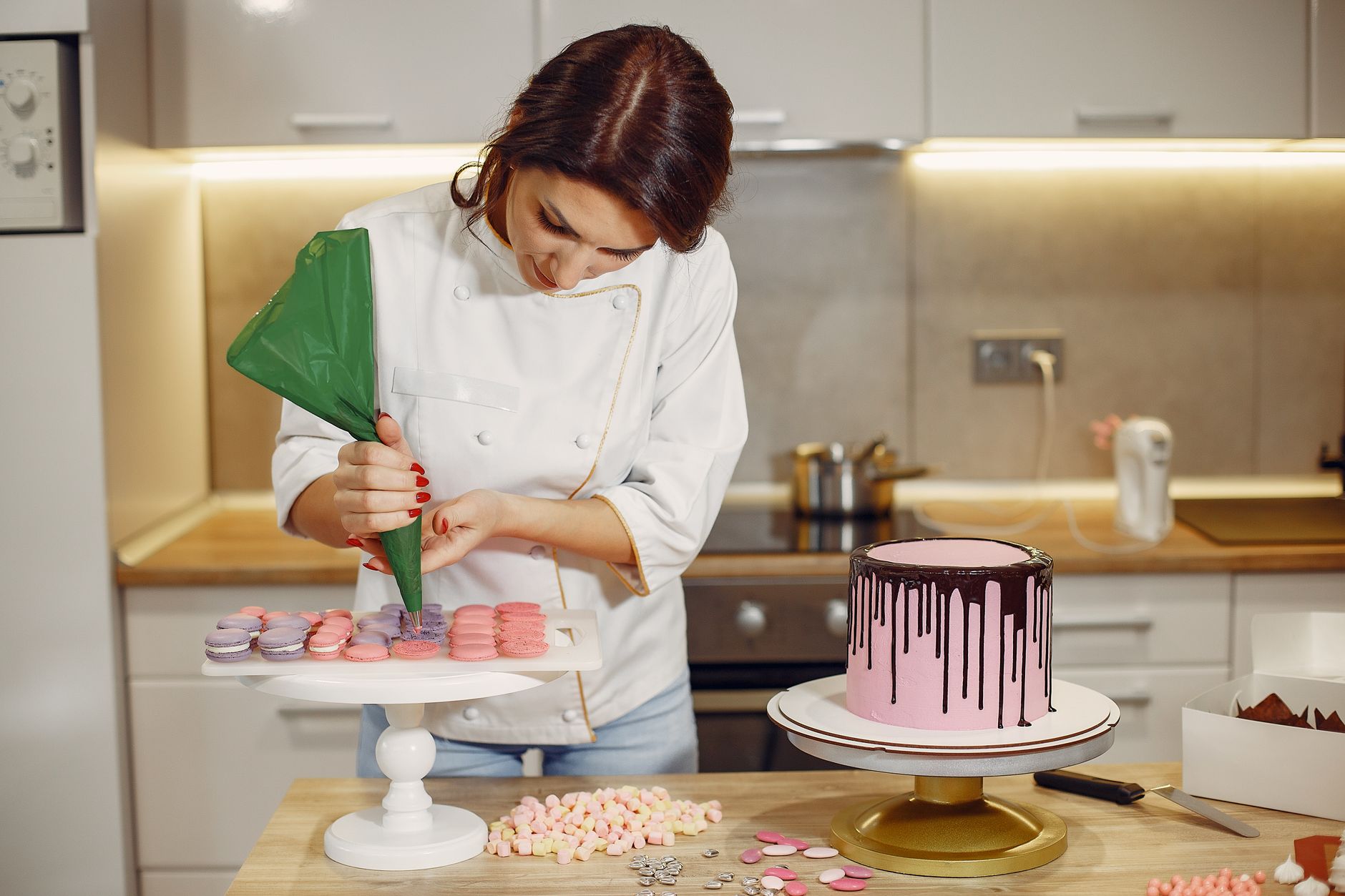
With rising costs squeezing margins and 62% of financially worried households planning to cut back on eating and drinking out, the instinct for many bakeries is to discount hard and hope volume makes up the difference. Resist that instinct. Discounting trains your most loyal customers to expect a lower price permanently, and it does nothing for the household that has genuinely stopped spending on treats altogether. The stronger move is to know which of your customers still have room to spend, remembering that the 35 to 44 age group is currently the most confident it has been since 2008, and that the wider category is growing through higher spend per visit rather than more visits overall, and to market to that reality rather than to a general sense that everyone is cutting back equally.
Concretely, that means spending your limited marketing time on the things that keep existing customers loyal and spending a little more per visit, a well-kept Google Business Profile, consistent presence at the moments they already buy in, and genuine reasons to add something extra to the basket, rather than on broad discount campaigns aimed at strangers who were never going to become regulars anyway. Given the cost pressures independent bakeries are under, the marketing budget that works hardest is the one spent protecting the relationships you already have.