Why Event Promotion Is Worth Getting Right This Year
Event marketing is getting heavier investment than it was a year ago, and the data backs that up quarter after quarter. In the first quarter of 2026, the IPA's Bellwether Report recorded events as the category marketers were upgrading budgets toward hardest, with a net balance of +14.7%, a substantial jump from the +1.4% recorded the quarter before. That early surge cooled a little through the middle of the year. Events still led every other category for extra marketing investment in the second quarter, though the net balance eased to +11.0%, down from the Q1 figure, according to the Q2 2026 Bellwether Report. By the third quarter, events had slipped to second place behind one other category, but the appetite had not cooled off. The net balance climbed to a nine-quarter high of +15.1%, as the Q3 2026 Bellwether Report records. Read across the three quarters and the pattern holds. UK marketers keep putting fresh money behind events, even while other parts of the marketing mix wobble.
The audience is meeting that investment with its feet. UK Music's 2026 report found that music tourism, people travelling specifically to attend a concert or festival, rose by more than a quarter in 2025, with the UK's live sector drawing a record 24.7 million music tourists to concerts and festivals, as reported by IQ Magazine. People are turning up for events in numbers that have never been recorded before. A bigger slice of a growing pie is worth fighting for, but every other organiser chasing that pie is spending more too. The easy wins of a Facebook event page and a couple of posts the week before are gone. Promotion has to work harder to get noticed in a market that is getting louder, not quieter.
Build Awareness Before You Build Urgency
A common mistake is treating every piece of promotion the same way, one flat stream of "tickets on sale now" posts from the day you open bookings to the day the doors open. That wastes effort, because the people reading those posts are not all in the same place in their own head. Some have never heard of your event. Some know roughly what it is but have not decided whether to go. Some have already decided and are waiting for a reason to book today rather than next week. Each of those groups needs a different message, and sending the wrong one to the wrong group is why a promotion that felt constant can still fall flat.
Picture an illustrative example, a local brewery called Thornfield Brewing planning a summer beer festival. Months out, the right message is not "buy tickets", it is simply making people aware the event exists at all, through a save-the-date, a behind-the-scenes look at the brewing, a story about why the festival started. A few weeks out, once people know it exists, the job shifts to showing them what is on, the lineup, the food stalls, the brewers attending, so they can picture themselves there. In the final fortnight, with awareness already built, the job becomes urgency, the limited early-bird price ending, the last few tables left, a reason to act this week rather than drift and forget. Running the urgency message in month one, before anyone has even heard of the festival, wastes the push. Save it for when people already know enough to act on it.
Make Your Event Easy to Remember
Awareness only pays off if your event is easy to recall at the exact moment someone decides what to do with their Saturday. Marketing research on how people buy frames this through category entry points, the cues and situations that bring a category and the brands within it to mind, with mental availability built by linking a brand to as many of those moments as possible, as the Ehrenberg-Bass framework sets out. For an event, those moments are things like "something to do with the kids this half term", "a night out before my friend moves away" or "somewhere to take a date that is not another restaurant". The organisers who get remembered are the ones whose event is clearly attached to one of those real-life moments, rather than a vague poster that could be advertising anything.
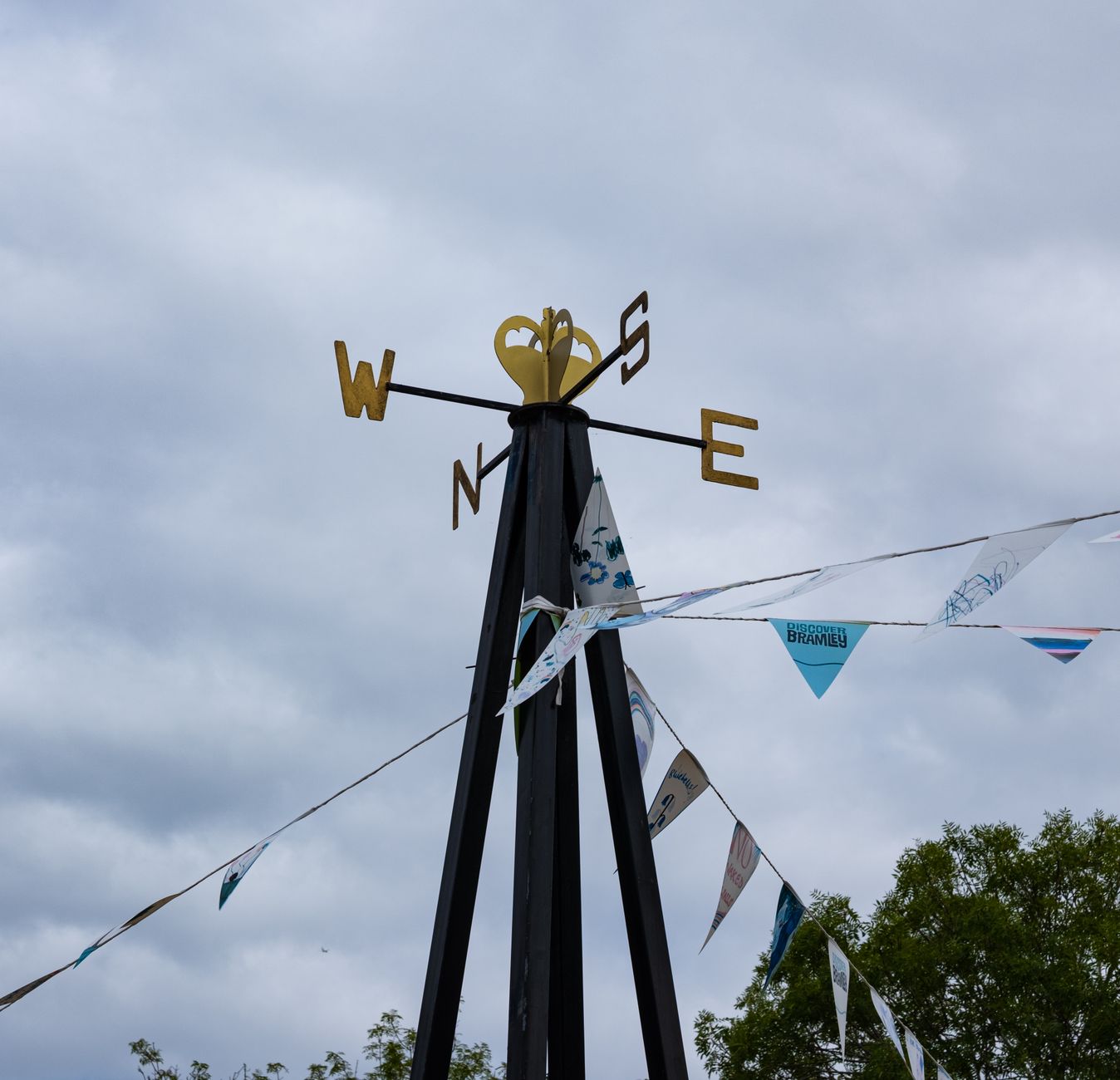
The second half of being remembered is looking consistently like yourself. Use the same name, the same colours, the same imagery and the same tone across every poster, post and email for that event, rather than a different design each time you post. People build a mental picture of what your event looks like from repeated exposure, and changing the look each time resets that picture to zero. A village fete that uses the same bunting-and-blue colour scheme every single year gets recognised at a glance long before anyone reads the text, and that recognition is doing real work, not decoration.
Choose the Channels Where Your Audience Already Is
Pick a small number of channels your actual audience already uses, rather than trying to cover every platform thinly. For most local events that means a working mix of your own channels, your website, your email list, your Google Business Profile, and the social platforms your specific audience checks. A clear, consistent approach to the social side of this matters enough that it is worth planning properly rather than winging it post by post, which our guide to social media strategy walks through in full.
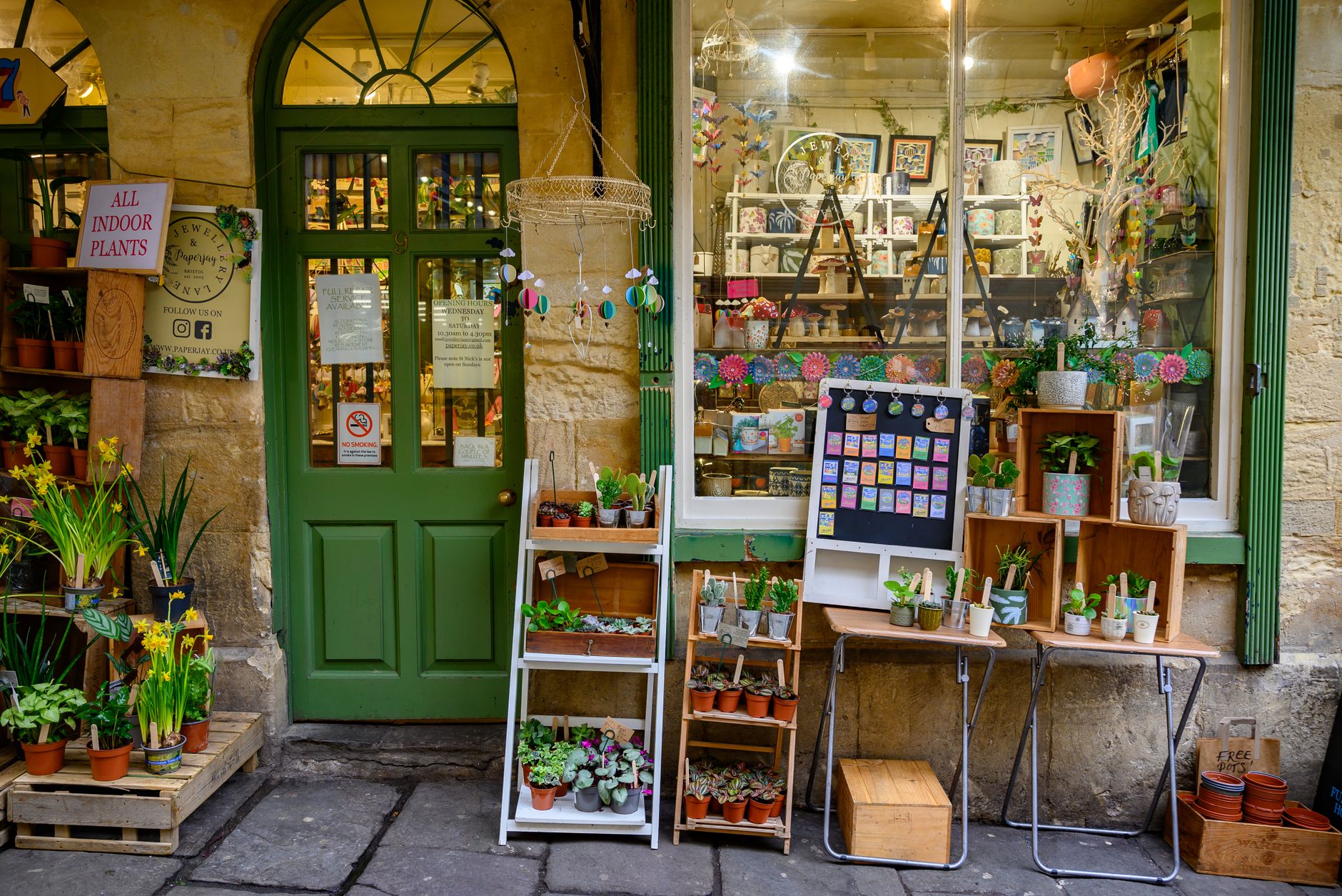
Do not overlook the channels that are not social media at all. Local Facebook and WhatsApp community groups, the parish or town noticeboard, a mention in the local paper, a flyer on the counter of a business down the road that serves the same crowd, and a simple email to anyone who has bought a ticket from you before, all carry weight for a local audience that a national platform cannot replicate. Partnering with another local business to cross-promote, where each of you tells your own customers about the other's event, costs nothing and reaches people who already trust a local recommendation. For the fuller picture of how a local business builds this kind of presence over time, our guide to marketing for local businesses sets out the foundations this promotion sits on top of.
Running a Prize Draw or Giveaway to Promote Your Event
A giveaway, a free pair of tickets, a prize draw at the door, can genuinely lift attention around an event, but it comes with rules that are easy to miss if you are running it yourself for the first time. Under the ASA's CAP Code, rule 8.17 lists the significant conditions likely to apply to any promotion, which include how to take part, a closing date, the nature and number of the prizes or gifts on offer, and any eligibility or availability restrictions, as the Advertising Standards Authority's guidance on prize draws sets out. Leave one of those out and the promotion can fall foul of the rules even if nothing about it feels dishonest.
Running the giveaway on social media does not loosen this. The ASA is unlikely to treat a social media post as sufficiently limited by time or space to excuse leaving out the significant conditions, and expects all of them to be included in the promotional material itself, according to the ASA's specific guidance on prize draws in social media. In practice that means a single caption saying "win two tickets, tag a friend" is not enough on its own. Link out to a page, or write the closing date, the prize and who can enter directly into the post, so the whole condition set sits somewhere a reader can see it before they enter.
A Week-by-Week Promotion Timeline
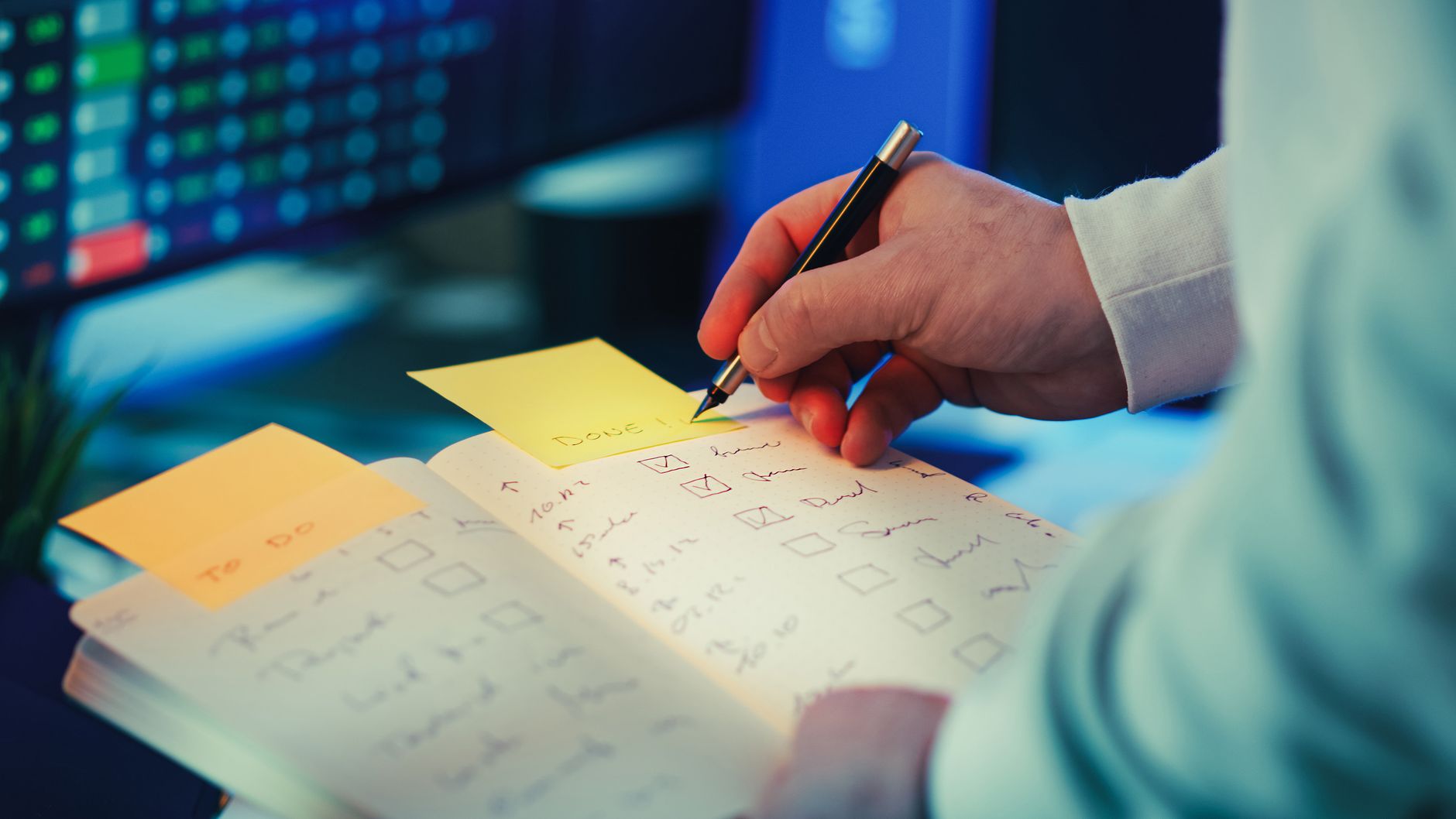
A simple schedule, held to, beats a brilliant plan that never gets written down. A workable shape for most local events runs like this.
- Eight to ten weeks before: announce the event. Post the save-the-date, explain what it is and why you are running it, and get it into your email list and your Google Business Profile straight away.
- Six weeks before: open booking with an early incentive. Give people a genuine reason to decide now rather than later, an early-bird price or a small perk for booking this week.
- Four weeks before: reveal the detail. Share the lineup, the stallholders, the running order, whatever gives people something specific to picture, so solution-level interest turns into a firm decision.
- Two weeks before: run your giveaway, compliant with the rules. If you are doing a prize draw, this is the moment, with the significant conditions written in plainly.
- Final week: push urgency. Last chance to book, limited capacity left, the honest version of whatever is true about availability.
- Day of: keep the energy visible. Post as it happens, for the people who are there and for anyone building awareness of next time.
Fixing these stages against a calendar before you start is the single change that turns scattered posting into something closer to a plan, which how to create a marketing plan covers in more depth for the rest of your marketing too.
Measuring Whether Your Promotion Worked
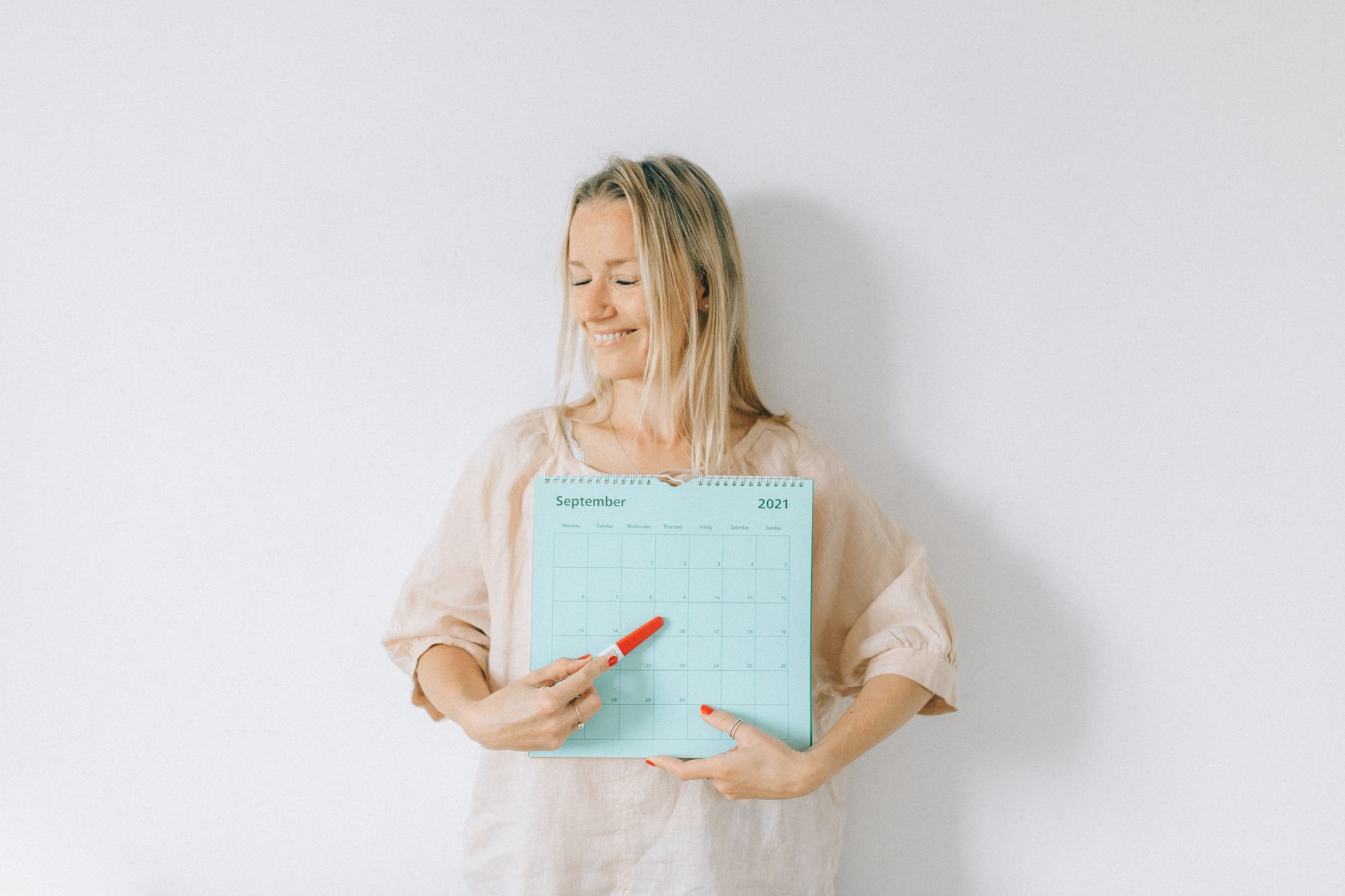
Attendance is the obvious measure, but it tells you less on its own than it looks like it does, because it does not say which part of your promotion earned the seats. Ask people at the door, or in a quick follow-up message, how they heard about the event, and keep a simple tally. A pattern will show up fast, most events lean heavily on two or three sources rather than an even spread, and that pattern tells you where next year's effort should go.
Watch the shape of ticket enquiries over the weeks too, not the final total. A flat trickle that suddenly rises around your early-bird deadline or your giveaway tells you that stage of the timeline did its job. A total silence through the awareness weeks followed by a scramble in the final few days suggests the early stages were skipped past or too quiet to register. And keep a record after the event closes, who came, how they heard, what they said. That record is what turns next year's promotion from a guess into something built on what happened this time.