What Are Good Promotional Ideas for a Local Business?
A promotional idea is any deliberate activity that gives a customer a fresh reason to act, whether that is visiting the shop this week, trying a new product, referring a friend, or simply remembering your name the next time a need comes up. The strongest promotional ideas do two jobs at once. They create a short-term nudge to buy, and they add to the pile of reasons someone recognises and trusts your business the next time they need what you sell. Weak promotional ideas only do the first job, and once the offer ends the customer has no more reason to return than before it started.
For a local business, the pool of people who might become customers is genuinely large, and so is the competition for their attention. There were 5.69 million private-sector businesses in the UK at the start of 2025, with 99.85% classed as SMEs, which means most of the businesses fighting for a customer's attention on any high street or in any local group chat are exactly the same size as yours. Good promotional ideas are the ones that make a small business stand out among that crowd of other small businesses, rather than the ones that copy whatever everyone else is already doing.
Why Leaning on Discounts Alone Backfires
A blanket discount is the easiest promotional idea to reach for, and it is often the weakest one. Marketing research on how brands grow has shown for decades that price promotions mostly shift forward sales that would have happened anyway, rather than creating new demand, and that heavy reliance on discounting trains customers to wait for the next one instead of buying at full price. A hairdresser who runs 20% off every quiet January teaches regulars to book their cut in January and skip the months either side, which does nothing for the quiet months and dents the price the rest of the year can support.
This pattern is common enough that the data on how local businesses feel about their marketing hints at it. In LOCALiQ's UK survey of over 500 businesses, only around a quarter of marketing professionals said they were satisfied with their marketing performance, with 51% neutral, 19% dissatisfied and 7% very dissatisfied. A lot of that dissatisfaction traces back to activity that moves the needle for a week and then goes quiet, discounts included. The answer is to design promotions that build recognition alongside the short-term sale, so each one leaves something behind once the offer itself has ended.
Promotional Ideas That Build Word of Mouth
Some promotional ideas get talked about, and some do not, and the difference is design rather than luck. Word of mouth spreads fastest when a promotion gives someone something specific to say, a reason to notice it publicly, and a reminder that keeps cropping up rather than one flyer read once and forgotten.
A birthday club is a good example. A bakery in Sheffield offers a free slice of cake to anyone who calls in on their birthday, and asks nothing more than a name and a month. It costs the bakery next to nothing, it gives a customer a specific, tellable reason to mention the shop to friends, and because birthdays repeat every year, the reason to visit comes back without the bakery lifting a finger. Compare that with a generic "10% off this week" flyer. Nobody repeats that at a dinner table, because there is nothing distinctive in it worth repeating.
Promotions that build word of mouth tend to share a few traits. They give the customer something specific and countable to share, rather than a vague "great offer". They attach to a moment that recurs naturally, a birthday, a Friday, the first day of the school holidays, so the trigger to visit does not need repeated advertising spend to keep firing. And they are visible in some way, a sticker in a car window, a tote bag carried down the high street, a review left with a photo, so each customer who takes part becomes a small advert for the next one.
Promotional Ideas for Your Shopfront and Local Presence
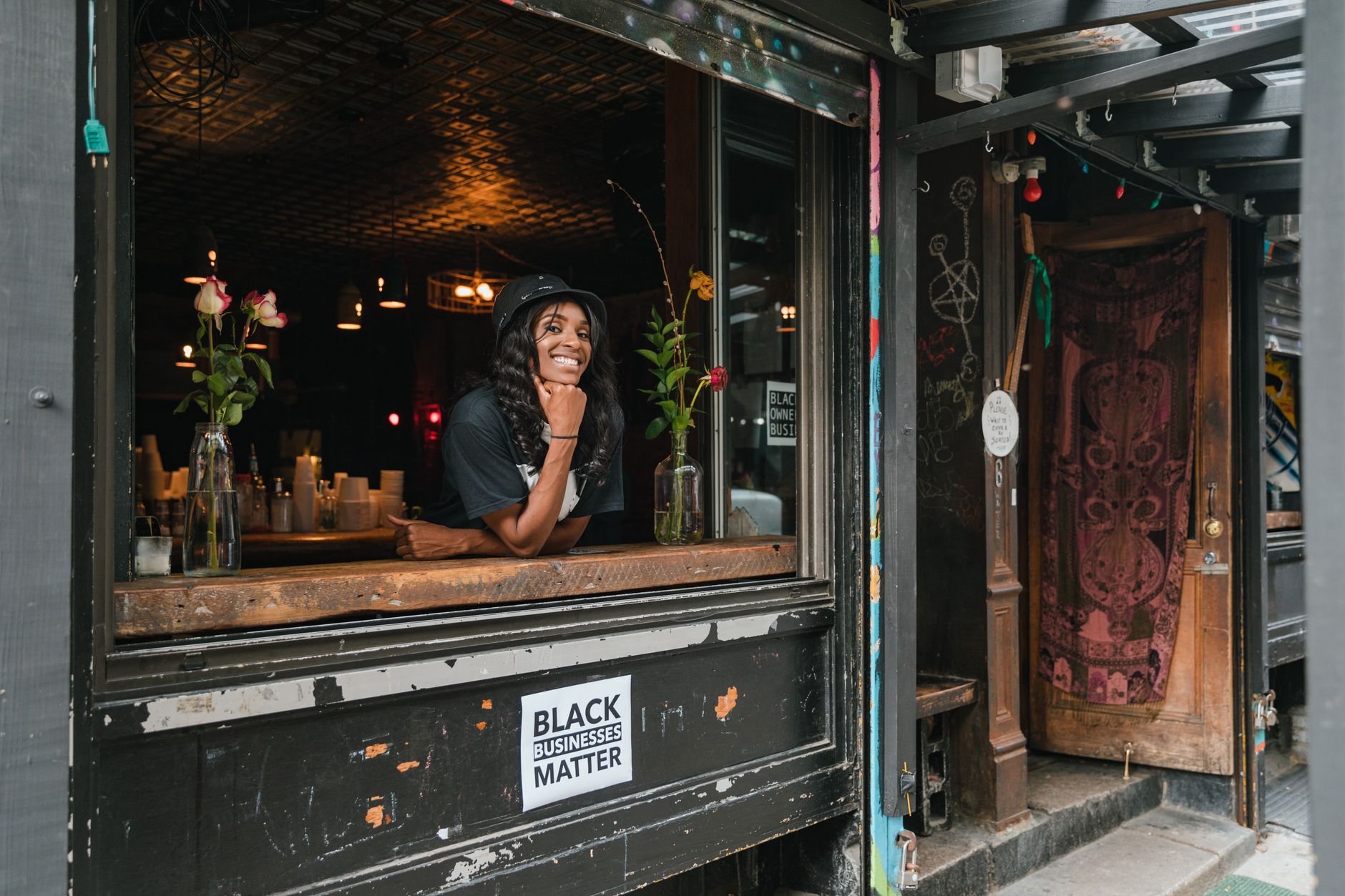
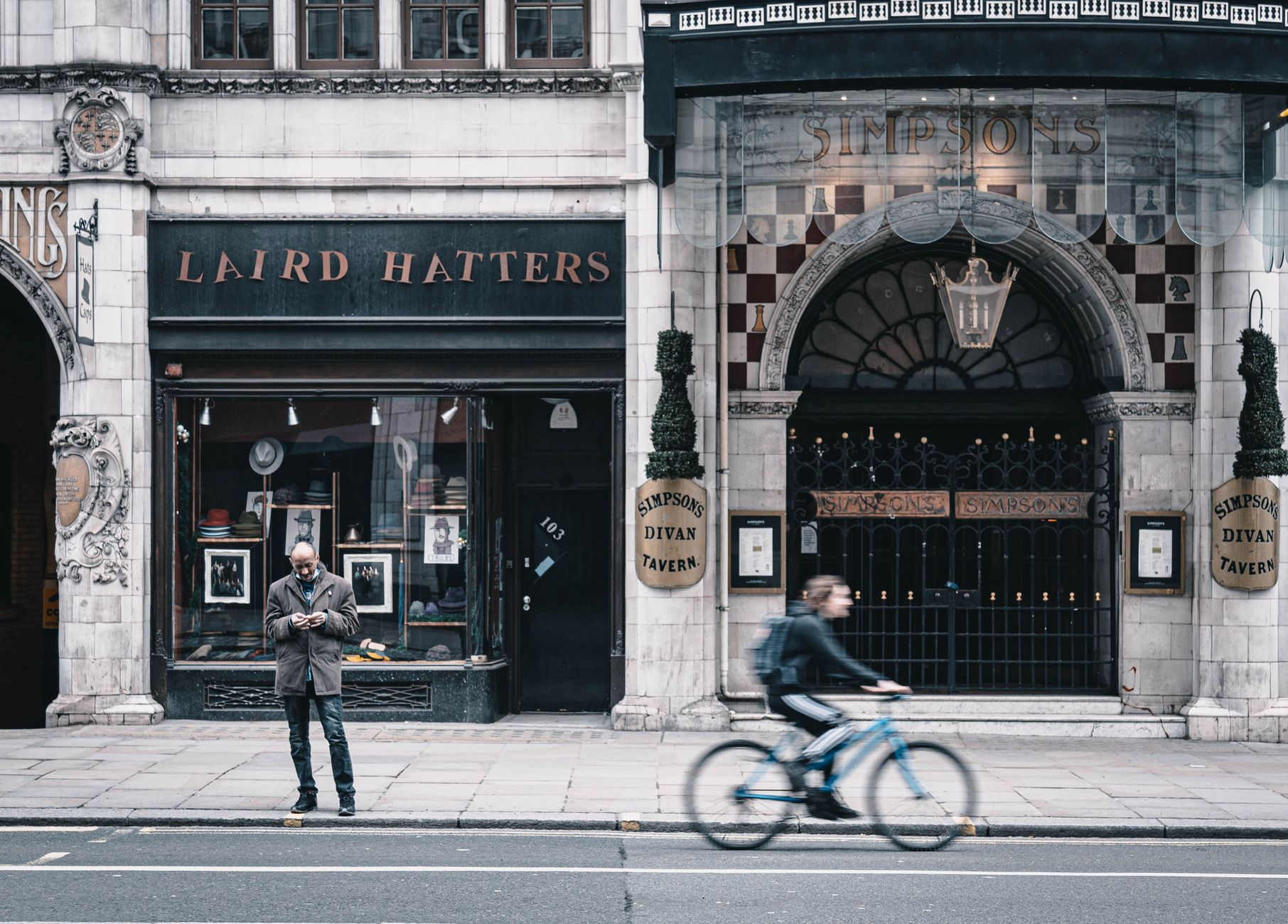
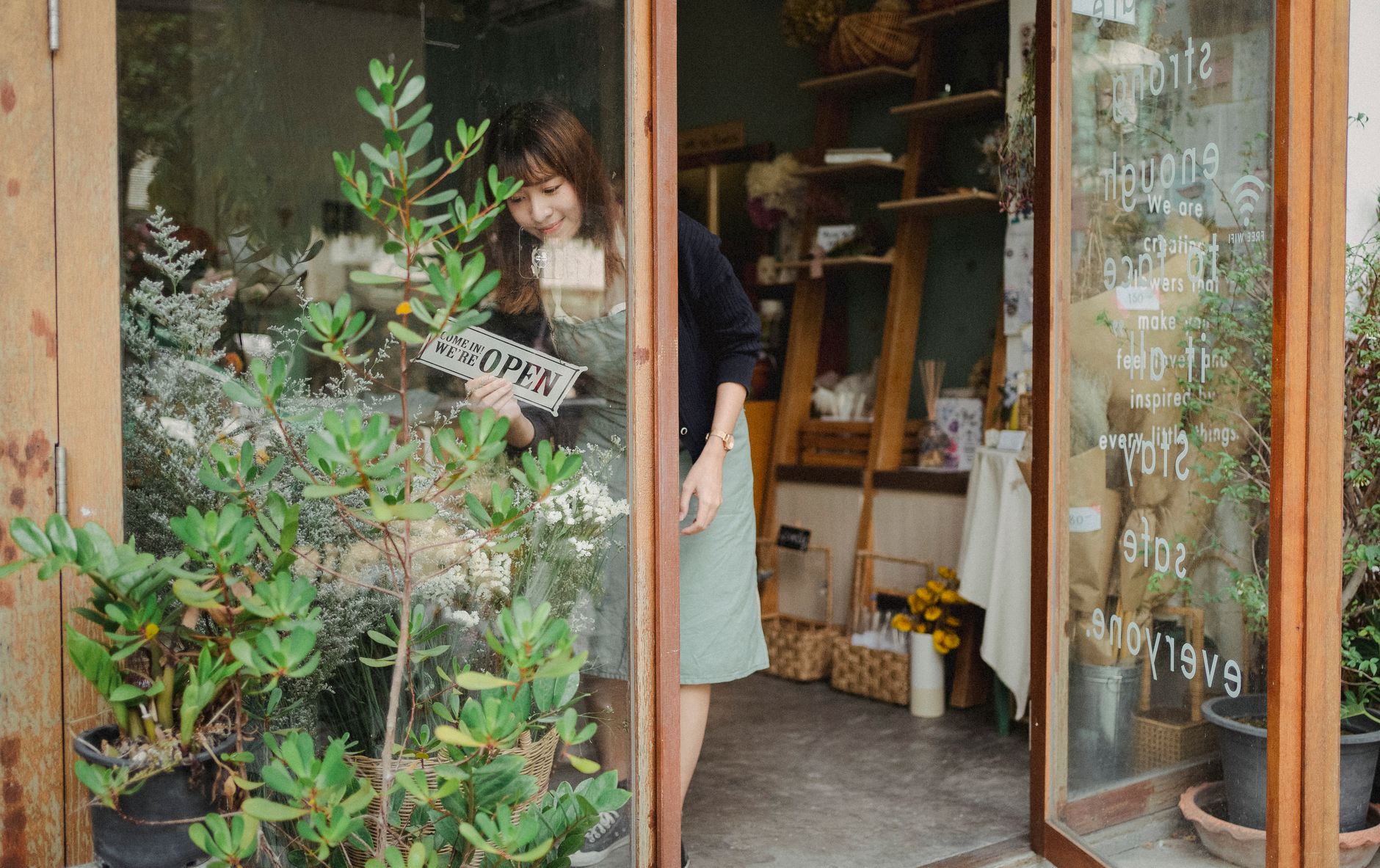
A local business keeps a physical presence that most national competitors cannot match, a window, a doorway, a counter, a van parked on the street, and each one is a promotional opportunity that costs nothing but attention.
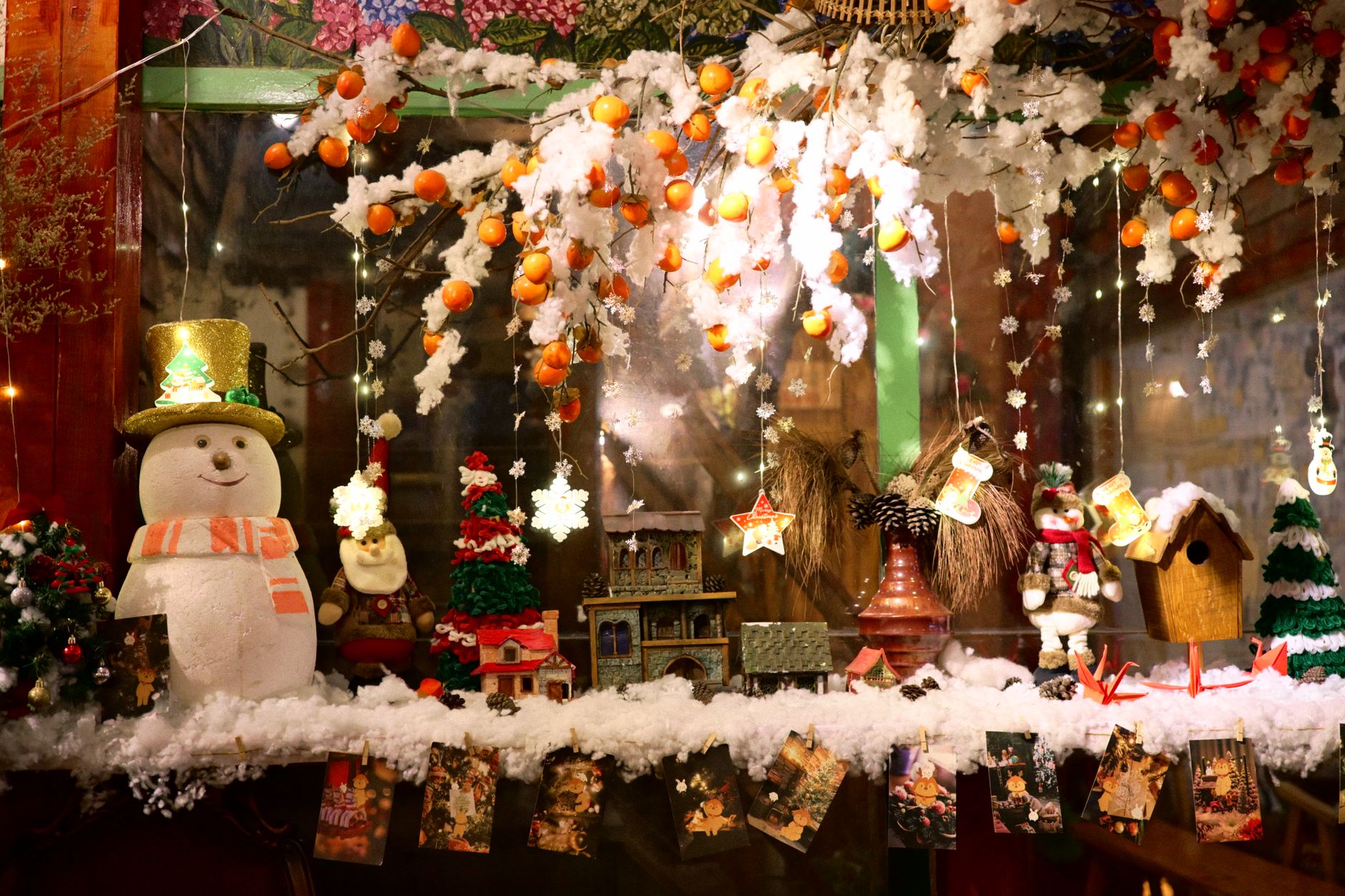
A changed window display every few weeks, built around a season, a new product or a local event, gives regular passers-by a reason to look again rather than walking past a display they stopped seeing months ago. A sandwich board with a genuinely specific offer, "fresh soup, £3.50 today", earns more footfall than a generic "sale" sign, because passers-by can picture exactly what they would get. In-store sampling, a free taste of a new pastry, a five-minute trial of a treatment, works because it removes the risk of trying something new, which is often the real barrier to a first purchase.
Physical promotion still matters even as online retail grows. Retail eCommerce sales are expected to make up 38.1% of total UK retail sales in 2025, which means well over three-fifths of retail spending in the UK still happens somewhere with a door, a shelf and a person behind a counter. For a local business with a physical location, the shopfront is not a relic of an older way of trading. It is still where most of the spending happens, and it deserves the same thought as any online promotion.
Promotional Ideas Online, on Google and Social Media
Online promotion works best for a local business when it supports the same local recognition the shopfront is building, rather than chasing a national audience the business was never trying to reach. A complete, regularly updated Google Business Profile, with fresh photos, accurate opening hours and a genuine reply to every review, is one of the highest-value promotional habits a local business can keep, because it shows up at the exact moment someone nearby is searching for what you sell. Our guide to local SEO goes deeper on making sure your business appears in those searches in the first place.
Short-form video has become a serious promotional channel too. 46% of UK marketing professionals now use pre-produced short-form video and plan to do more of it, according to LOCALiQ's 2026 State of Digital Marketing report, and a local business does not need a production budget to join in. A thirty-second clip of a cake being iced, a dog being groomed or a garden being transformed, filmed on a phone, gives people something to watch, share and remember far better than a static offer graphic.
Digital PR, getting mentioned or linked by a local news site, a community blog or a well-followed local social account, is worth building into the mix as well. Over half of UK marketing professionals, 51%, plan to grow their digital PR effort in the year ahead, with only 6% planning to cut back, per the same LOCALiQ report. For a local business that could mean something as modest as sending a local paper a photo and two lines about a new product launch, which costs nothing and can earn a mention that a paid advert never would.

Partnership and Referral Promotions
Some of the strongest promotional ideas cost nothing to run because they are built on a relationship with another local business rather than a discount. A hairdresser and a nail bar on the same street can refer clients to each other. A cafe and an independent bookshop can run a joint offer, a stamped card that gives a free coffee after a book purchase, so each business borrows a slice of the other's regulars. Neither side spends money. Both sides gain customers who already trust a business two doors down.
This kind of cooperation matters more given how much churn there is on a typical high street. The ONS recorded 71,935 new businesses added to the register in the fourth quarter of 2025 alone, with 15 of the 16 main industrial groups seeing an increase in creations, while 65,750 UK business closures were recorded in the same quarter. New competitors are arriving in most sectors at the same time as existing businesses are closing, so the local businesses that lean on each other tend to be the ones still standing in a year's time.
Referral schemes work on the same logic, aimed at existing customers rather than neighbouring businesses. A simple offer, where both the referrer and the new customer get something of genuine value, works because it turns a happy customer into a promoter without asking them to do anything beyond a conversation they were probably going to have anyway.
Seasonal and Local Event Promotions
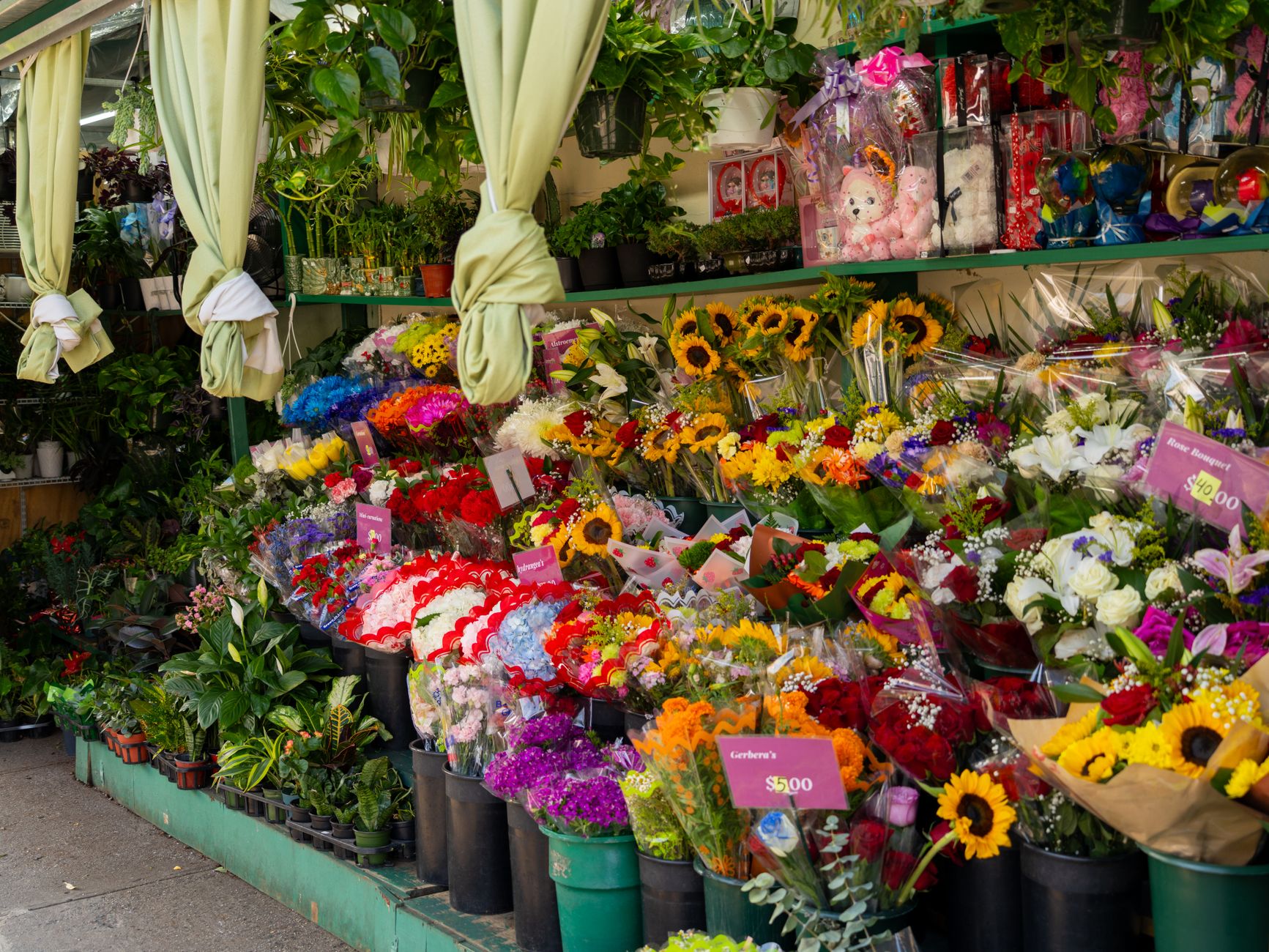
A promotion tied to something already happening in the local calendar earns attention that a promotion invented from nothing has to fight much harder for. A sports shop that runs a discount the week the local five-a-side league starts its season, a florist that promotes ahead of the local school's summer fair, a garden centre that times a planting offer to the weekend the clocks change, all borrow attention from an event the customer is already thinking about.
Sponsoring something small and local, a football team's kit, a raffle prize at the school fete, a prize for the village show, tends to earn more genuine goodwill than an equivalent amount spent on a paid advert, because it is visible in a context where the business is seen as part of the community rather than trying to sell to it. None of this needs to be expensive. A £50 raffle prize with the business name on the ticket can do more for local recognition over a year than a single boosted social post.
How to Choose the Right Promotional Ideas for Your Business
With this many options, the temptation is to try a bit of everything at once, which usually means nothing gets done properly and nothing gets measured. A better approach is to pick two or three promotional ideas that fit your actual customers and the buying moments that matter to your business, then run them consistently rather than switching to the next idea a competitor tried.
Start by naming the goal in plain terms, more first-time visits, more repeat bookings, more referrals, and choose the promotional ideas that point directly at that goal rather than whichever feels most exciting to try. A marketing plan is where these choices get written down and scheduled, so the promotion happens on the date it was meant to rather than whenever there is a spare hour. If the bigger decisions have not been settled yet, who you serve best and what you want to be known for, our guide to what a marketing strategy is is worth reading first, because the right promotional ideas follow from those decisions. For the fuller picture of what marketing looks like for a business rooted in one place, our marketing for local businesses guide sets out the wider approach these promotions sit inside.

How Do You Measure Whether a Promotion Worked?
A promotion succeeds when the business is better off in the weeks after it ends than it would have been without it. Track three things for each promotion you run: how many new customers it brought in, how many of those customers came back within the following month or two, and whether the discount or cost of the promotion still left a healthy margin.
A promotion that fills the shop but only with existing customers spending less than usual has not grown anything. A promotion that brings in ten new faces, three of whom rebook at full price the following month, has bought future revenue for the cost of ten discounted visits. That comparison is the real test, more than the size of the queue on the day.
Simple tools do most of this measurement well enough for a local business. A notebook by the till, a short question at checkout, "how did you hear about us today?", or a basic spreadsheet, will tell you more about which promotions are working than most paid analytics tools. With 52% of UK businesses now using AI in some form, a growing number are also using simple tools to spot patterns in this kind of feedback, though the habit of asking the question in the first place matters more than the tool used to read the answer.