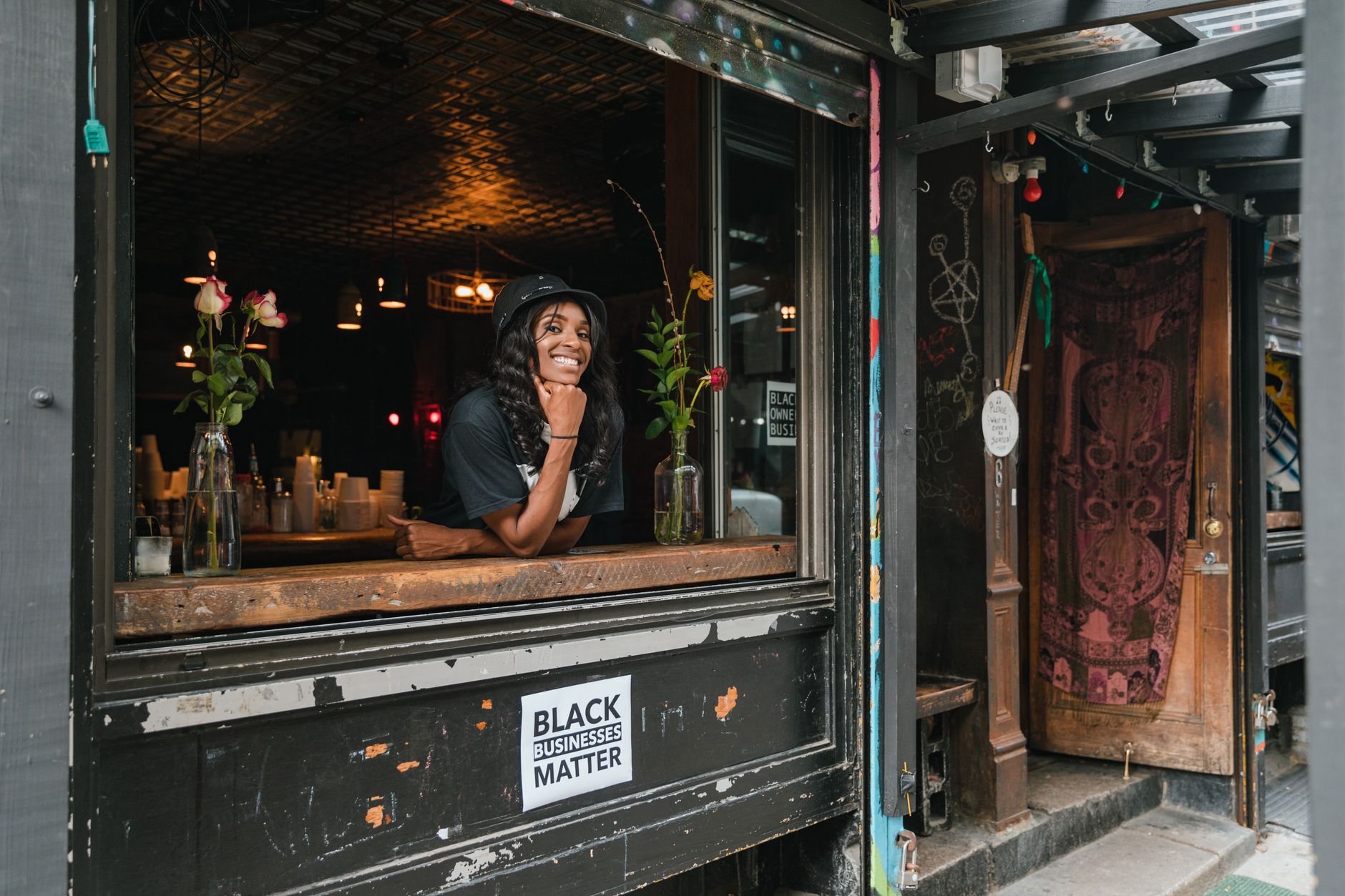
How Do Restaurants Market Themselves?
In practice, restaurant marketing comes down to three overlapping jobs. The first is being found, which today means a strong Google Business Profile, accurate opening hours and menus, and a website that loads properly on a phone while someone is standing outside deciding whether to walk in. The second is being trusted, which is mostly a function of recent, genuine reviews and photos that look like the food you serve. The third is being remembered, which is the quieter work of consistent branding, a distinctive dish or detail, and staying in front of past diners so they think of you again before they think of the place next door. Independent restaurants rarely have the budget for national advertising, so nearly all of the useful work sits inside these three jobs, done consistently, week after week, rather than in a single clever campaign.
It helps to know what you are up against. The UK's full-service restaurant industry is worth an estimated £25.2 billion in 2026, spread across 29,436 businesses, so most towns have more competing tables than most owners like to admit. Being found and trusted is not a nice extra in that kind of market, it is the difference between a full dining room on a Thursday and a quiet one.
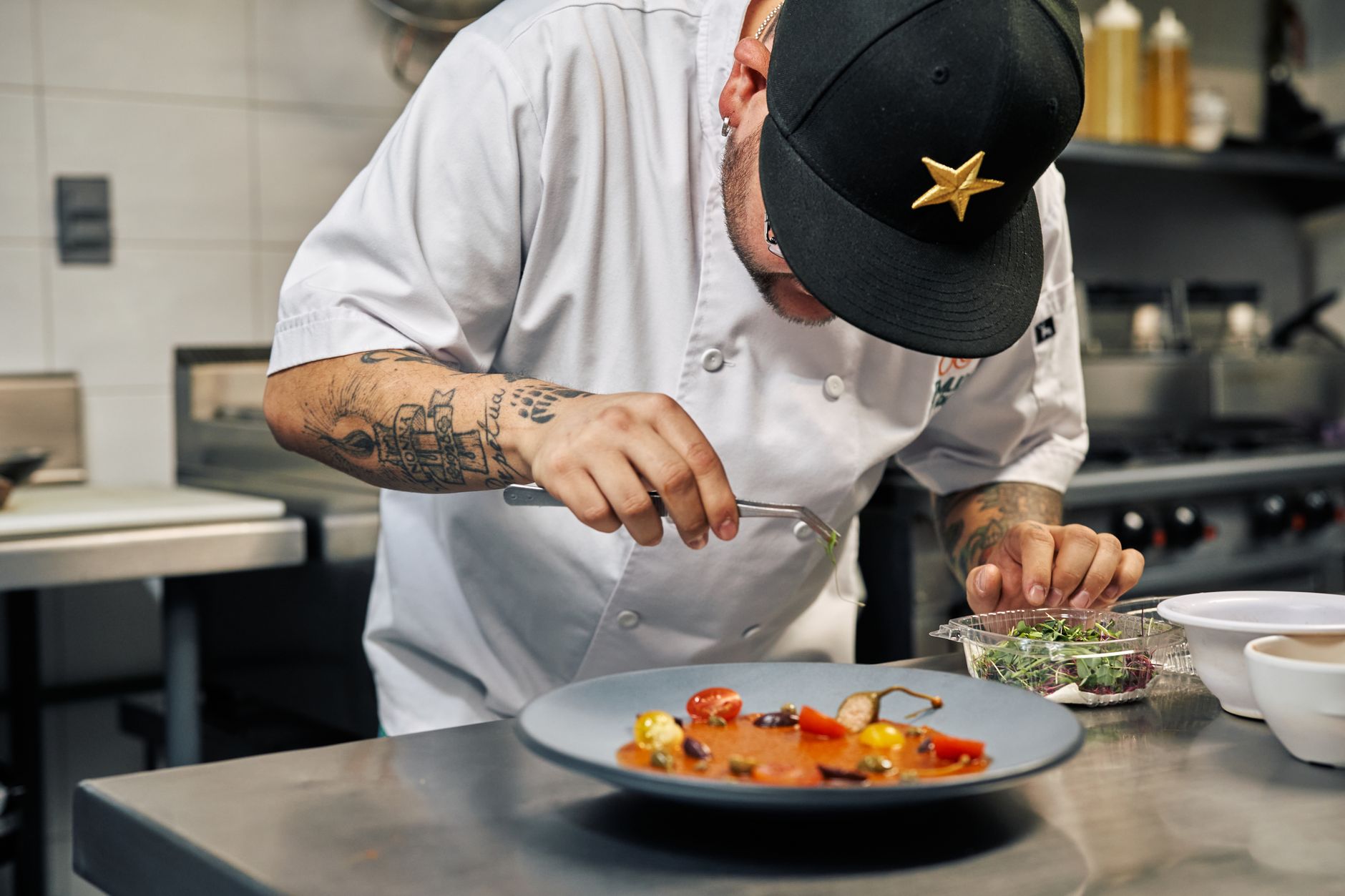
Why Restaurant Marketing Starts With Being Found Locally
Before anyone can taste your food, they have to find your restaurant, and for the overwhelming majority of diners that search now happens on a phone within a few miles of where they are standing. A complete, accurate Google Business Profile, with current hours, a phone number that gets answered, and a menu that matches what you serve, is the single highest-return piece of marketing most restaurants can do, because it is free and it sits directly in front of someone who is hungry right now. Photograph your best dishes properly, list your cuisine and price range, and reply to every review, good or difficult, because that reply is public and read by the next twenty people who look you up. Our fuller guide to local SEO walks through the mechanics of ranking well in these local results, and it is worth reading alongside this piece if being found nearby is your biggest gap.
Being found locally is not only a Google job either. Your name, address and opening hours need to match across your own website, any delivery platform you use, and directories like TripAdvisor, because inconsistent details erode the trust an engine or a person places in a listing. A restaurant that shows one closing time on its website and a different one on Google loses the diner who turned up at the wrong hour once and never came back.

Turn Diners Into Regulars Without Relying on Discounts
Most independent restaurants reach for a loyalty stamp card or a regular discount the moment they want more repeat business, and it feels like the obvious move. The uncomfortable truth is that discounting mainly moves forward visits that were going to happen anyway, and it trains your best customers to wait for the next offer rather than to come in on a normal Tuesday because they simply fancy your food. The bigger lever, and the one that grows a restaurant rather than reshuffling its bookings, is bringing in new customers steadily rather than squeezing the existing ones harder. A restaurant with 200 regulars and a slow trickle of first-time diners each week will always out-grow one with 150 devoted regulars and almost no new faces, because growth comes from a wider base of people who know you exist, not from deepening the loyalty of the people who already do.
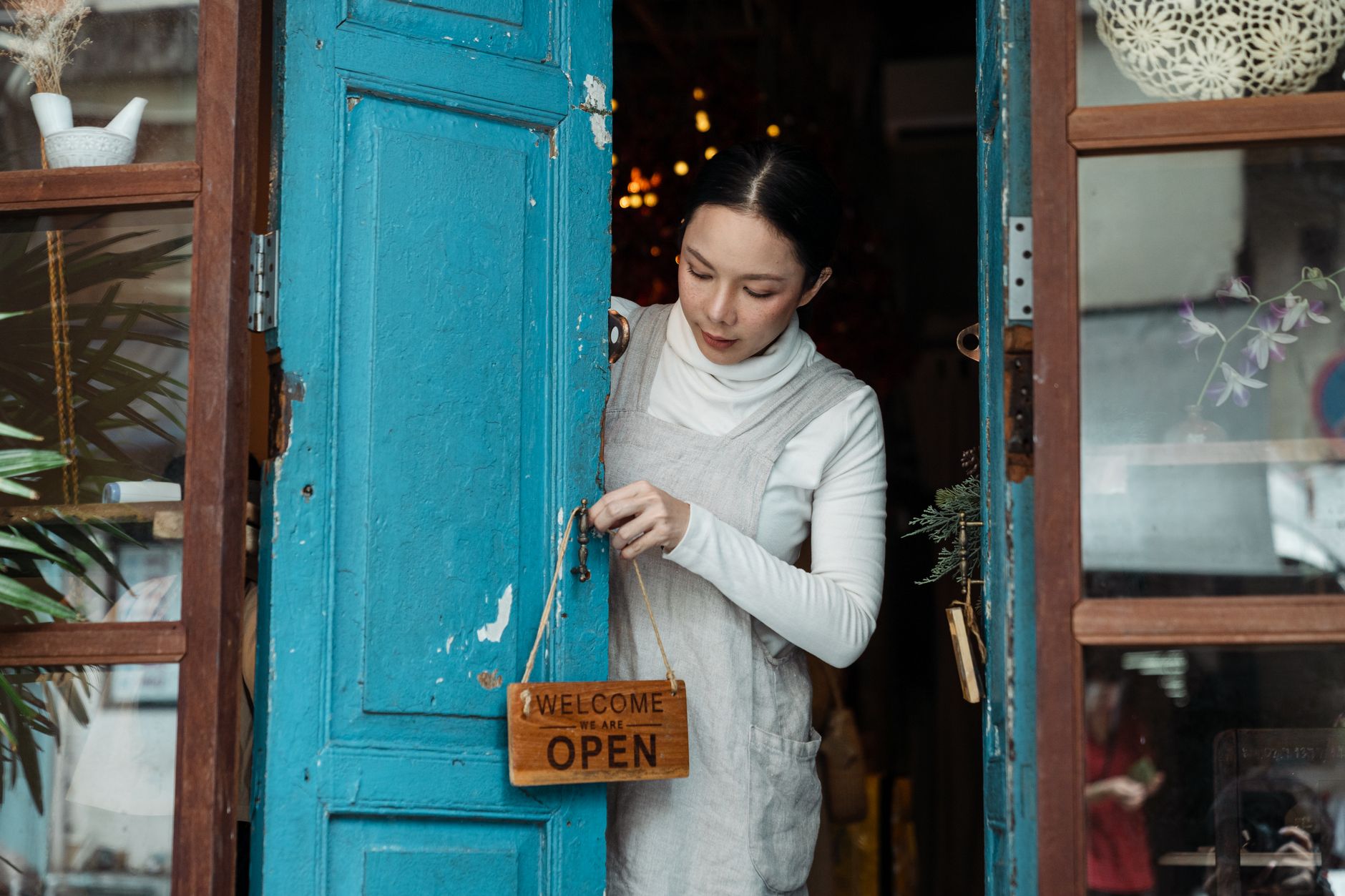
That means your marketing budget and your attention should lean towards visibility for people who have never eaten with you, a clear window display, a strong local search presence, a sign that says exactly what you serve and to whom, rather than towards a fifth version of the same stamp card. Loyalty follows naturally once someone has had a good meal. It is rarely bought with a discount.
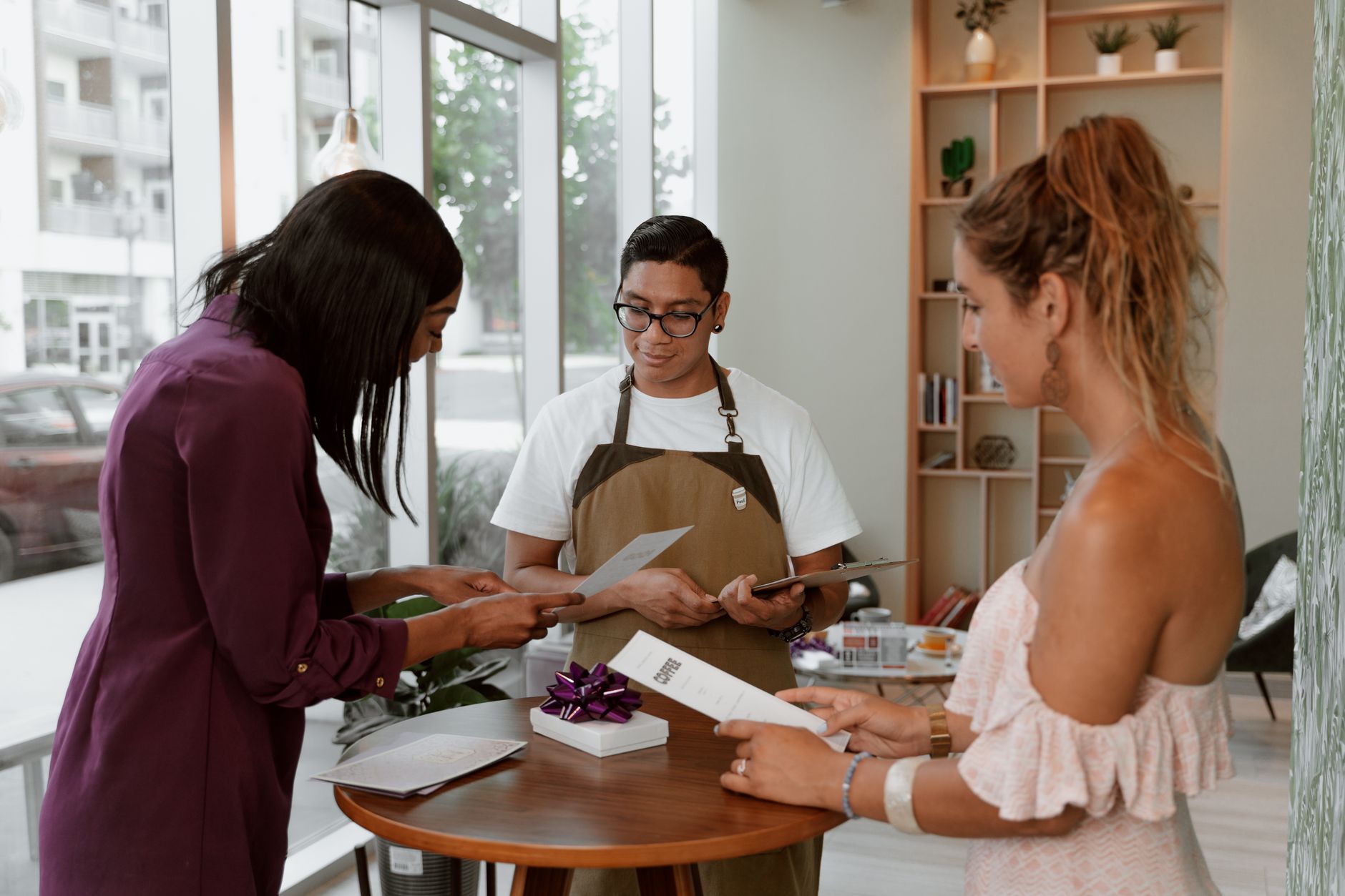
Make Your Food (and Your Restaurant) Worth Talking About
Word of mouth is still the marketing every restaurant owner secretly wants, and it can be built on purpose rather than left to chance. People talk about things that make them look good for knowing about them, so a genuinely unusual dish, an off-menu item regulars ask for by name, or a small detail only your restaurant does gives a diner a reason to mention you to someone else. It does not need to be expensive. A Sunday roast with a single ingredient nobody else in town uses, or a dessert that only exists on your specials board on Thursdays, gives people something specific to describe rather than a vague "it was nice".
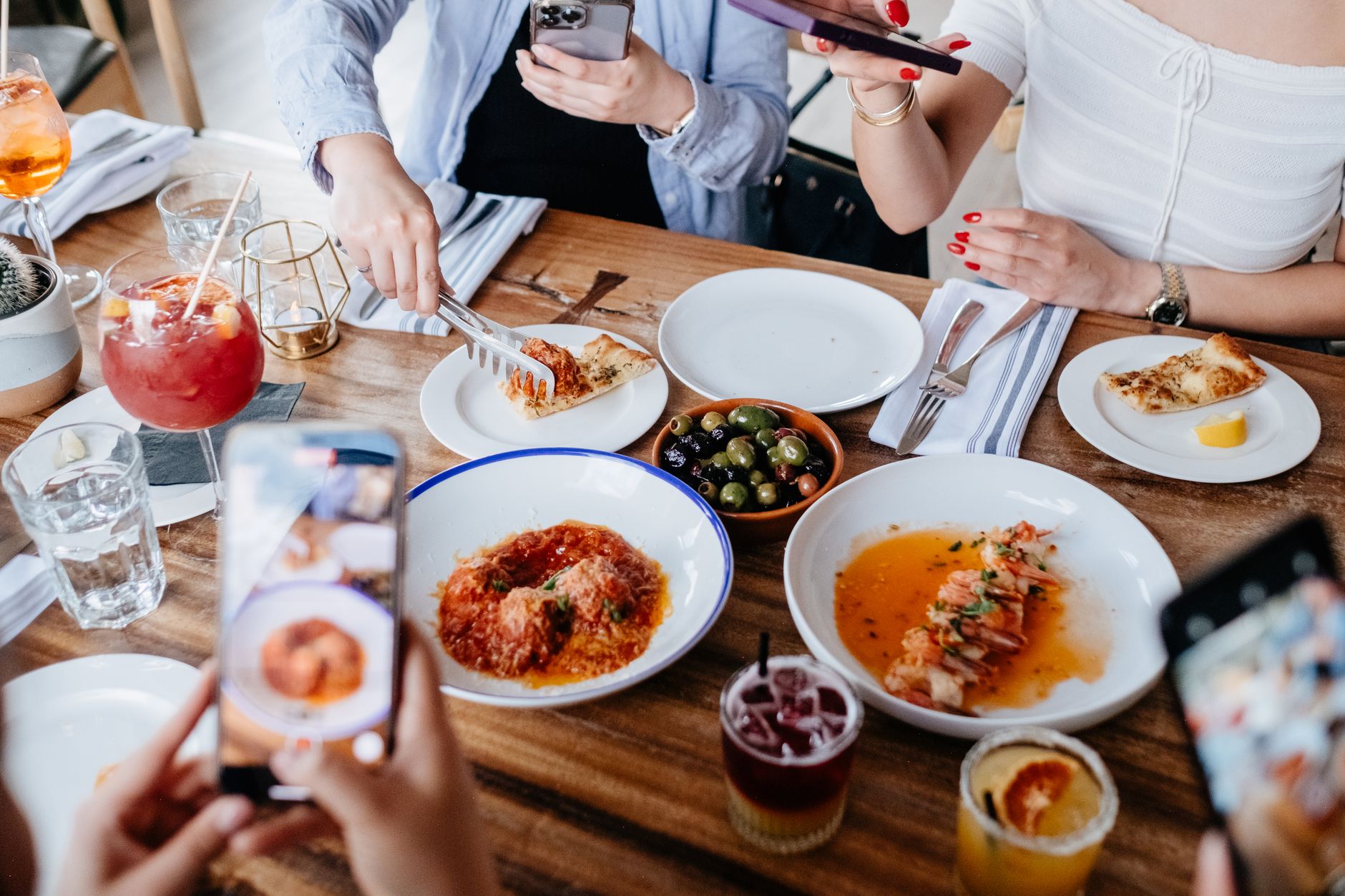
Timing matters too. Diners talk about restaurants most around the moments that already sit in their week, payday, a Friday after work, a birthday, a rainy Sunday when nobody wants to cook. A restaurant that ties a specific offer or a specific dish to one of those recurring moments gets mentioned again and again because the moment itself keeps reminding people. And make the experience visible where you can. A distinctive plate, a memorable box for takeaway, staff who wear something recognisable, all of it turns an ordinary meal into something a diner photographs and shares without you asking, which is free advertising that reaches people your own marketing never could.
Reviews Are Doing the Selling Before a Diner Ever Arrives
By the time most people click through to look at your menu, they have already read what other diners said about you, and that reading has done most of the persuading. A handful of recent, specific reviews, mentioning a dish by name or a particular member of staff, reassures a stranger far more than any description you could write about yourself. The habit that matters here is asking every satisfied table, not the loudest fans, because a broad and steady stream of honest reviews reads as far more trustworthy than a handful gathered in a single rushed week.
Respond to every review you get, including the critical ones, calmly and specifically. A thoughtful reply to a bad review often does more for a hesitant new diner than another five-star review would, because it shows there is a real person running the place who takes the feedback seriously. Treat this as a weekly task rather than something you remember to do once a quarter, because the review someone reads today matters more to them than the glowing one from eighteen months ago.

Build a Direct Line to Your Regulars
Search engines and review sites are how strangers find you. Your own list, an email address or a phone number collected with permission, is how you reach the people who already know you without depending on any platform's algorithm. A simple monthly note about what is good this month, a new dish, a quiet Tuesday offer for people who already love the place, keeps you front of mind for the diners most likely to come back, and it costs almost nothing to run. The discipline that matters is earning that permission properly, offering something worth having, a genuine seasonal update rather than a constant stream of discount codes, and then honouring it by not overusing the list once you have it. A regular who feels genuinely kept in the loop, rather than sold to every week, stays a regular for years.
Choose the Few Channels That Fit Your Restaurant
Not every restaurant needs to be brilliant at everything. A quick, casual lunch spot near an office district probably gets more from being fast to find on a map and quick to answer the phone than from a beautifully curated Instagram feed. A destination restaurant that people plan an evening around probably benefits more from striking photography and a strong presence on the platforms where people research where to celebrate. Decide who you serve best, the office lunch crowd, the Friday date-night couple, the Sunday family table, and put your limited time into the one or two places that customer looks, rather than trying to keep up a presence everywhere and doing all of it half-heartedly. Our guide to a marketing strategy sets out how to make that kind of narrow, deliberate choice rather than spreading thin, and the same thinking sits behind our marketing for restaurants guide, which goes deeper on the channels that suit different types of restaurant.

A Simple Weekly Restaurant Marketing Routine
Marketing sticks when it becomes a habit rather than a project you start and abandon. A workable weekly routine for a small restaurant looks something like this. Check and update your Google Business Profile for anything that has changed, hours, menu items, photos. Ask every table that seemed genuinely happy for a review before they leave, rather than hoping they remember later. Post two or three photos of real dishes and real moments from the week, on whichever one or two platforms your customers use. Reply to every review that has come in since last week, good and bad. Send one honest update to your email or text list if you have something worth saying that month. None of this takes long once it is a habit, and each piece reinforces the others, the reviews make the search listing more convincing, the photos make the reviews easier to believe, and the direct list brings people back before they ever need to search again.

Common Restaurant Marketing Mistakes
The most common mistake is spending time and money chasing new followers on a platform while the basics sit neglected, a Google listing with an old menu, a phone that rings out, a review from a difficult night left unanswered for months. Followers do not fill a dining room. A working local listing does. The second mistake is discounting heavily and often, which trains customers to wait for the next deal and erodes the margin a small restaurant needs to survive a slow month. The third is inconsistency, changing your branding, your tone and your signature dishes every few months in search of something fresher, when the restaurants people keep returning to are usually the ones that stayed recognisably themselves for years. The fourth is treating marketing as a burst of activity before a launch or a quiet patch, rather than the steady weekly routine that builds a name people remember. Fix these four and most of the hard work of restaurant marketing is already done.