
What Is Footfall, and Why Is It Falling on UK High Streets?
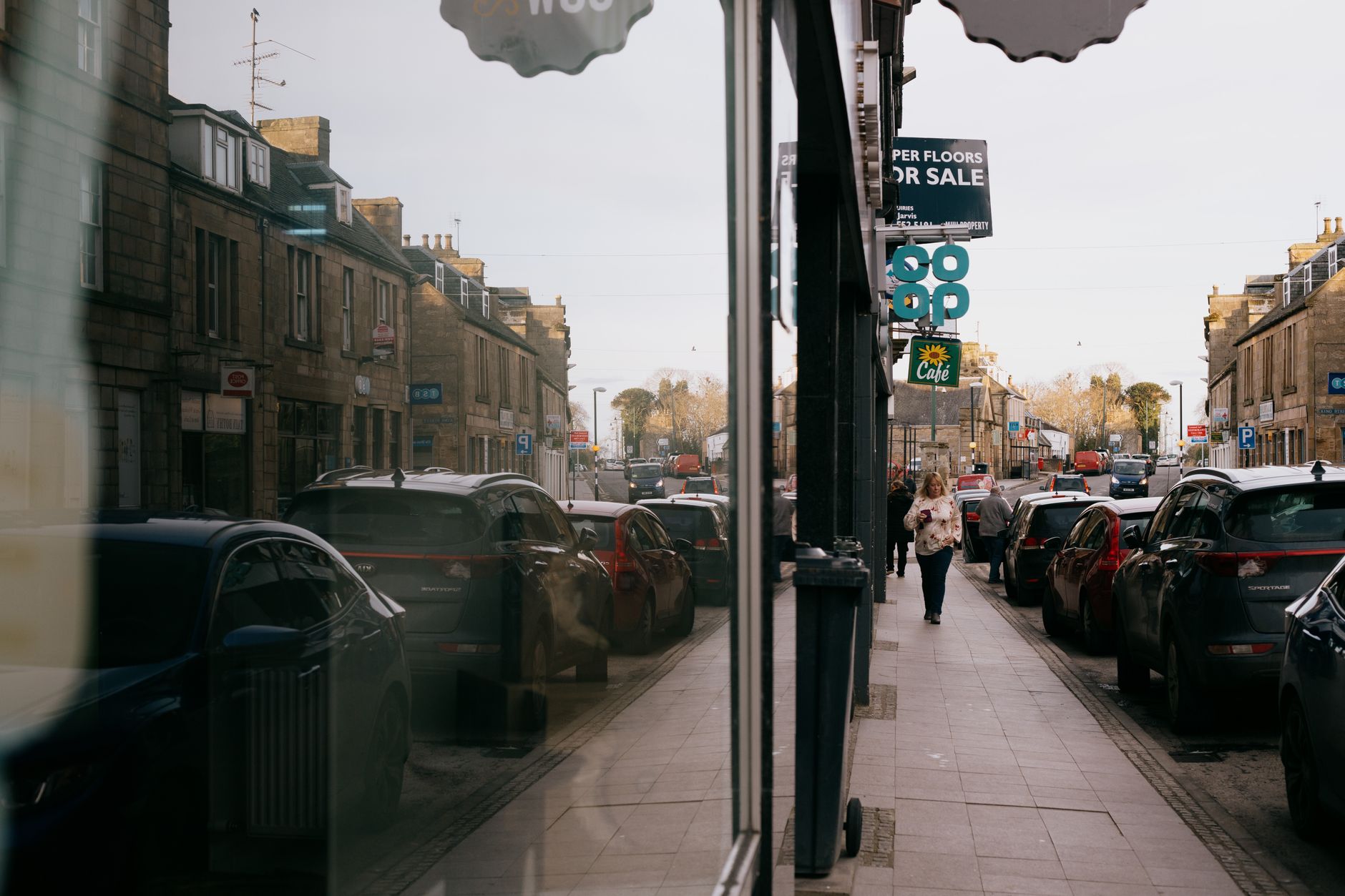
Footfall is simply the count of people walking into a location, whether that is your shop, your street or your local shopping centre. It is the physical-world equivalent of website traffic, the raw number of chances you get to turn a passer-by into a customer. The reason footfall matters so much right now is that it has been shrinking. UK shopper footfall fell 2.9 percent year on year in December 2025, and even the traditionally busy pre-Christmas trading period, the so-called golden quarter, closed down 2.2 percent overall, according to the British Retail Consortium. That is a tough backdrop for any small shop relying on people simply walking past.
The decline is not evenly spread, and where it lands tells you something useful. High streets were the most resilient location type at minus 0.9 percent, while shopping centres fell 5.1 percent and retail parks 2.5 percent over the same period, per the same British Retail Consortium figures. This is part of a longer trend rather than a one-off wobble. UK high street footfall was already down 3.6 percent year on year back in October 2024, a period that also saw more than 10,000 store closures across the country, according to Statista. Read those two data points together and the shape becomes clear. Fewer people are walking past shops than they were two years ago, and the businesses that treat footfall as something that simply happens to them are the ones losing the most ground. The businesses that treat it as something they can actively build are the ones holding on, and in places, growing.
How Do You Measure Footfall Properly?
You cannot increase what you do not measure, and footfall measurement in the UK has become genuinely precise. The Office for National Statistics now publishes official UK retail footfall statistics, giving weekly and monthly figures split by location category and region, drawn from BT Active Intelligence data, according to the ONS. If you want to know whether your local high street is trending up or down before you decide where to spend your limited marketing time, that dataset is the place to start, and it is free to check monthly.
The industry-level detail goes even further. The UK's leading footfall dataset records over 159 million footfall counts around the clock at 2,790 counting points across more than 660 retail destinations, according to MRI Software, which means in-store visitor behaviour is tracked in enormous detail nationally, even if your own shop is not yet counting anything. A basic door counter, the kind that costs less than a week's stock order, gives you your own version of this. Without a number, you are guessing whether last month's community event or window refresh brought more people in, or whether the quiet month was the weather, the competition, or something you did. Get a baseline first. Everything else in this guide only works if you can tell whether it moved the number.

Why Do Some Shops and High Streets Buck the Decline?
It helps to look at who is winning against a falling national average, because the pattern repeats. The locations that bucked the wider footfall decline in 2025 did so by building a complete offering, somewhere to shop, eat, drink and spend an evening, rather than a single reason to visit, according to the British Retail Consortium. A shop is rarely the whole trip any more. It is one stop on a trip that has to be worth making in the first place.
Nottingham was crowned the UK's shopping capital of 2025 on exactly this basis, a blend of choice, convenience and vibrancy, with footfall up 2.1 percent in 2024 against the year before, according to MRI Software. No single shop made that happen. A cluster of reasons to visit did, reinforcing each other. For an independent shop this is genuinely encouraging news rather than a reason to feel small, because it means your job is not to out-advertise the national chains. It is to make sure your shop is part of the reason someone plans a trip into your town at all, and to be visibly, unmistakably there when they arrive. Our guide to retail marketing goes further into building that visible, consistent presence across a whole town or high street rather than treating your shop as an island.
How to Increase Footfall With Your Shopfront and Window Display
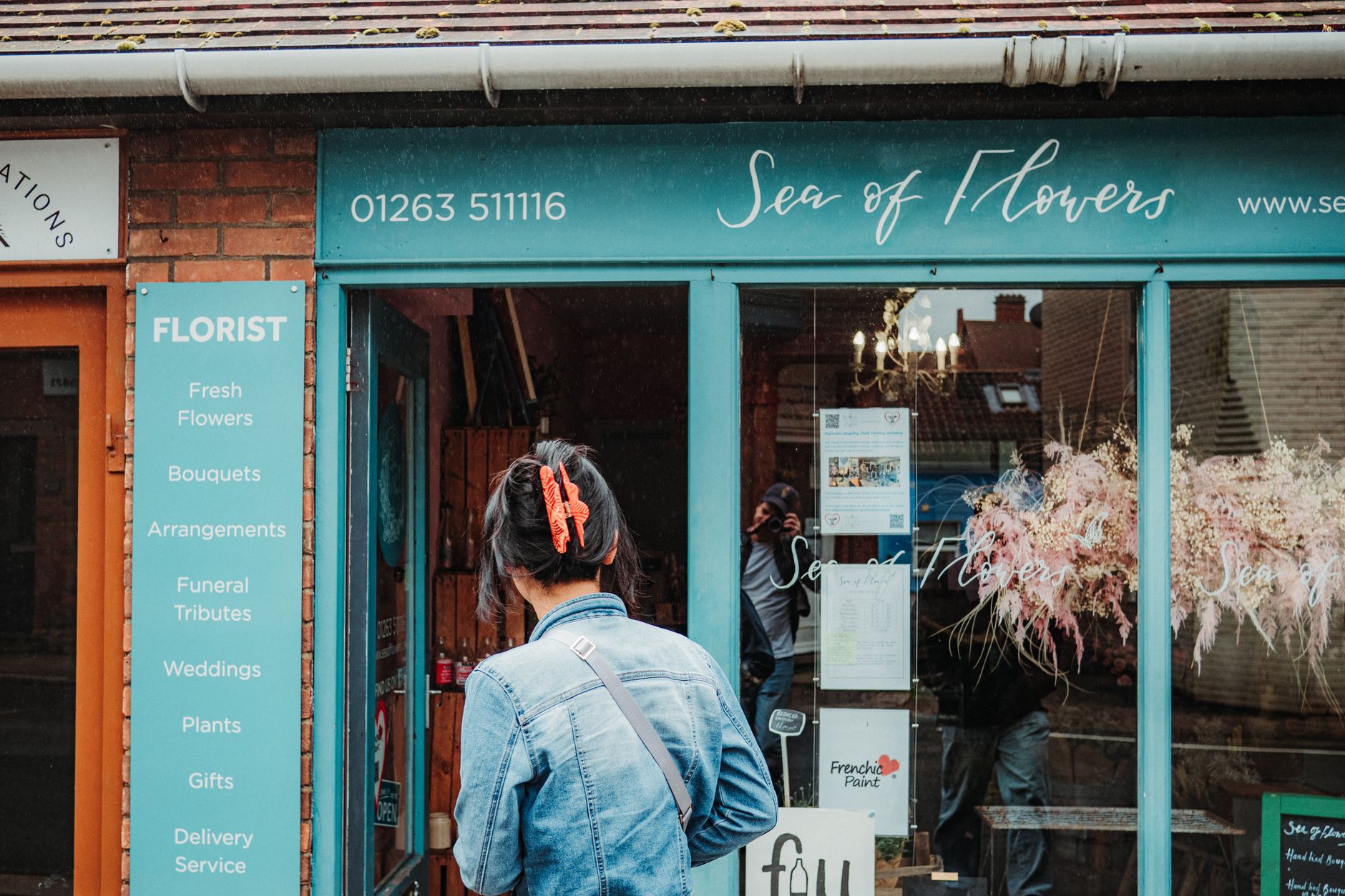
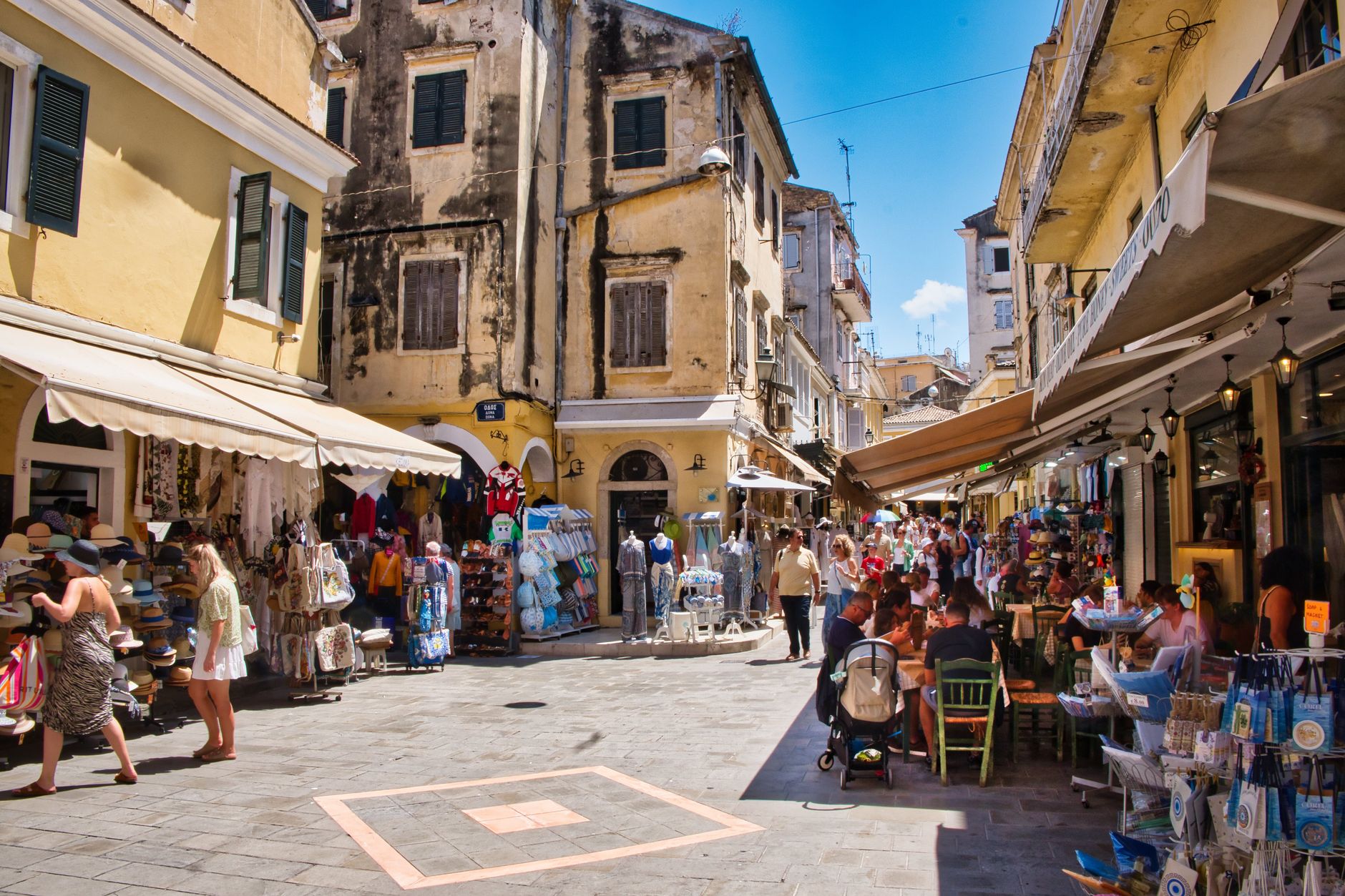
Start with the part every passer-by sees whether they ever come in or not. A shopfront's job is to be instantly recognisable and impossible to mistake for a competitor's, which is a discipline rather than a talent, built from the same colours, the same signage style, the same tone in your window cards, repeated so consistently that a regular could spot your shop from the far end of the street without reading the name. That consistency is what turns a one-off glance into recognition the next time someone walks past, and recognition is what gets you considered before a customer has even decided they need what you sell.
Practically, this means resisting the urge to redesign your window every time you feel bored of it. Keep your core look stable for a year at a time, and use the changing detail, a seasonal display, a new product, a handwritten offer, inside that stable frame. A butcher who keeps the same green signage and the same handwritten chalkboard style year round, refreshing only what is written on it, builds a stronger memory in a regular shopper's head than one who redesigns the whole frontage every few months chasing a fresher look. Distinctiveness compounds. A clever one-off does not.

How to Increase Footfall Through Events and Word of Mouth
A shop that only ever asks people to buy gives them nothing to talk about. A shop that gives people a reason to mention it to a friend earns free footfall from people you never had to advertise to directly. The mechanism is straightforward. People share and repeat things that make them look good for knowing about, things tied to a moment that keeps reminding them, and things that come wrapped in a story rather than a plain fact. A small independent bookshop running a monthly evening event with a local author gives its regulars exactly this. It is a story worth telling a friend, it is tied to a recurring monthly date that keeps cueing the memory, and attending feels like being in on something rather than simply buying a book.
None of this needs a marketing budget in the traditional sense. A hairdresser who runs a genuinely useful monthly styling demonstration, a plant shop that hosts a Saturday morning repotting session, a cafe that ties a weekly offer to something already happening locally, payday, a school pickup time, a market day, all of these are using the same underlying idea. Give people something specific enough to describe to someone else, tie it to something that already happens regularly in their week, and let the story do the advertising you cannot afford to buy. A poster in your own window rarely spreads. A genuinely good reason to visit, told by a customer to their neighbour, does.

How to Increase Footfall by Becoming a Destination, Not a Shop
The businesses beating the national footfall decline are not doing one thing brilliantly. They are stacking reasons to visit until the trip becomes worth making on its own terms. A single independent shop cannot build an entire destination alone, but it can decide to be a genuine, deliberate part of one rather than a passive bystander waiting for footfall to arrive.
In practice this means picking a specific group of people you can serve better than anyone else nearby, rather than trying to be relevant to everyone who might walk past, and building your offer, your events, your opening hours and your window around exactly them. A specialist running shop that opens early for the local running club before work, stocks what that specific group needs, and hosts their route briefings on a Saturday, becomes a destination for that group in a way a generalist sports shop never will. That focus is what makes word of mouth travel, because a narrowly served group talks to each other far more than a broad, undefined audience does. It also means talking to neighbouring shops and organisers rather than treating them as competition for the same fixed pool of shoppers. Joint events, shared late-opening evenings and a combined presence in the local paper or community group all raise the ceiling on how many people consider the trip worth making, which raises every shop's footfall at once, including yours. Our page for high street operators sets out how independent shops in the same street or centre can coordinate exactly this kind of joint pull without needing a shared marketing budget.

How to Increase Footfall With Consistent Local Marketing
Footfall growth rewards patience over intensity, in a way that catches a lot of small shop owners out. A single loud promotional week rarely does much beyond pulling forward sales that were coming anyway, and it trains the people who did come in to wait for the next discount rather than to visit at full price. What moves the underlying number is a steady, unglamorous presence that keeps your shop easy to think of the moment someone in your area needs what you sell, built up over months rather than won in a weekend.
The gap between location types in the national data hints at why this matters. Total UK retail footfall fell 0.4 percent year on year in July 2025, but high street footfall was down 1.7 percent while retail parks rose 1.7 percent over the same period, according to Retail Insight Network reporting on BRC-Sensormatic data. Retail parks tend to have simpler, more predictable physical access, easy parking, clear signage, one obvious route in, which makes them easier to find and easier to default to. A high street shop rarely controls the car park, but it can control how easy it is to find and remember in every other sense: a Google Business Profile kept genuinely current, the same opening hours honoured every week without exception, a weekly post in the local community group that always looks and sounds like you, and a habit of asking every happy customer for a review on the day they are happiest. None of that is expensive. All of it, done weekly rather than occasionally, is what builds the kind of familiarity that gets you chosen over a competitor a shopper has simply never noticed.

How Do You Know If Your Footfall Efforts Are Working?
Set a baseline before you change anything, using a door counter or the free national and regional figures the ONS publishes as a benchmark for whether your local area is generally up or down. Then track your own footfall weekly against that baseline, alongside a second number that matters more than raw visits, your conversion rate, the share of people walking in who buy something. A shop can grow footfall and still lose money if nobody converts, so watch both together rather than chasing one in isolation.
Beyond the counter, watch the softer signals that tell you word of mouth is doing its job: new customers who mention a friend sent them, a noticeable bump the week after a local event, reviews that specifically reference something you did rather than a generic star rating. Review your numbers monthly rather than daily, since footfall swings with weather and local events regardless of anything you do, and hold your course for at least a full season before deciding whether a change worked. A marketing plan that names your footfall goal alongside your other business goals keeps this from becoming a once-a-year panic and turns it into a habit you check on purpose.