How Do You Choose the Right Craft Fairs and Markets?
The most common mistake a new maker makes is treating every fair as roughly the same, then judging all of them by the same disappointing Saturday. The better starting question is not "which fairs are on near me" but "where does my actual customer already go." A jeweller selling delicate silver pieces at £40 to £80 belongs at a curated design fair or a well-run Christmas market with a paying entry fee, not a car boot sale where the average spend is a fiver. A woodworker selling chunky chopping boards at £25 might do better at a farmers' market beside food stalls, where people are already in a spending mood and looking for something to take home for the kitchen. Naming who your fair needs to attract, before you book it, is the whole decision.
The UK craft sector is a serious economic category, not a hobbyist fringe, which is worth holding in mind when you decide whether an event deserves your stock and your Saturday. A House of Lords Library briefing on the economic contribution of the UK crafts sector sets out craft as a recognised part of the creative economy, made up of thousands of small businesses and self-employed makers rather than a scattering of weekend stalls. The Crafts Council's ongoing Market for Craft research tracks how people across the UK buy craft directly from makers, which is the closest thing sellers have to real evidence about who their buyer is and what draws them in. Before you book anything, ask the organiser for last year's footfall, the entry price for visitors, and who else is exhibiting. A good organiser will tell you without hesitation. A vague answer is itself the answer.
How Do You Design a Stall That Sells?
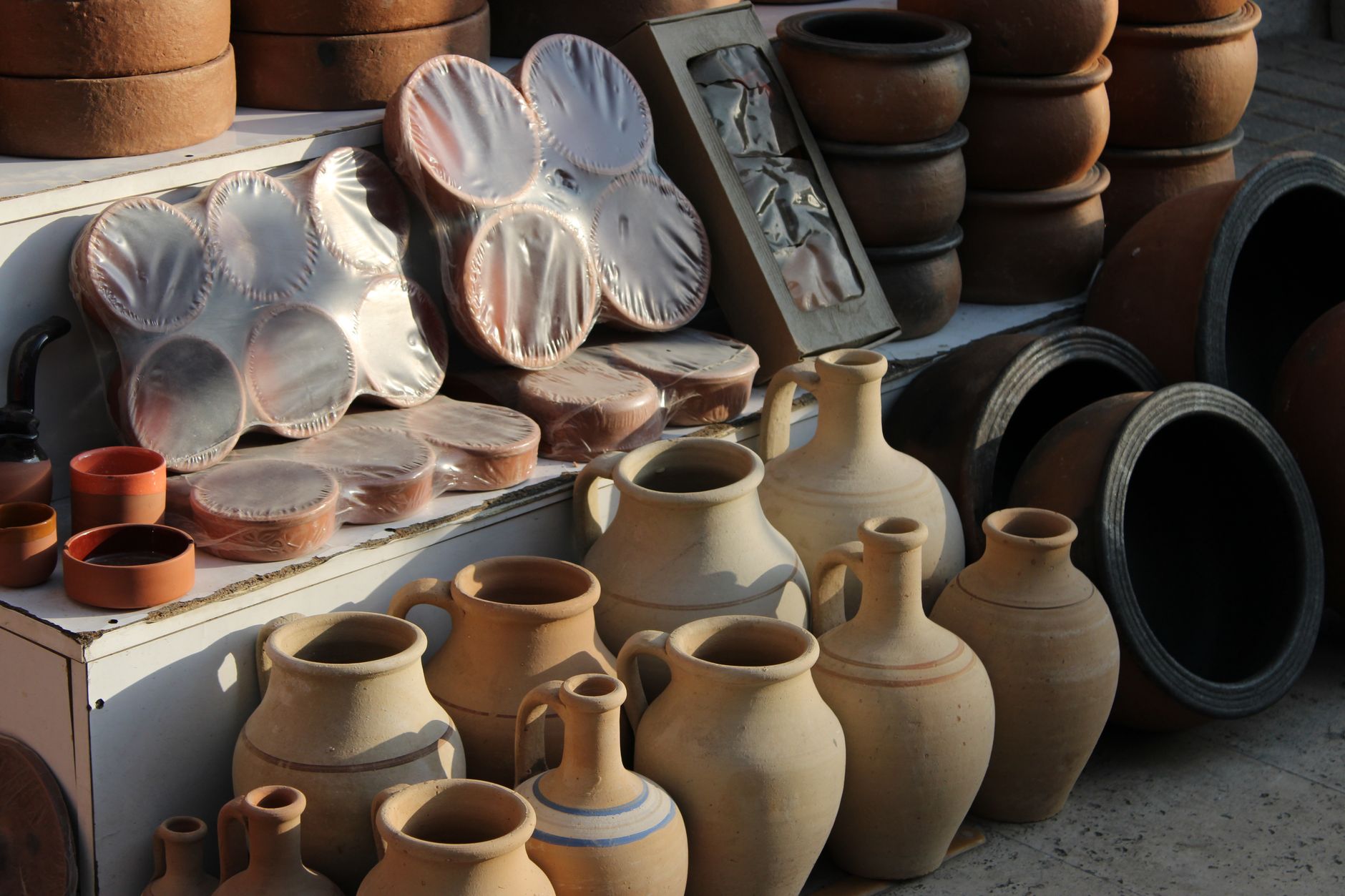
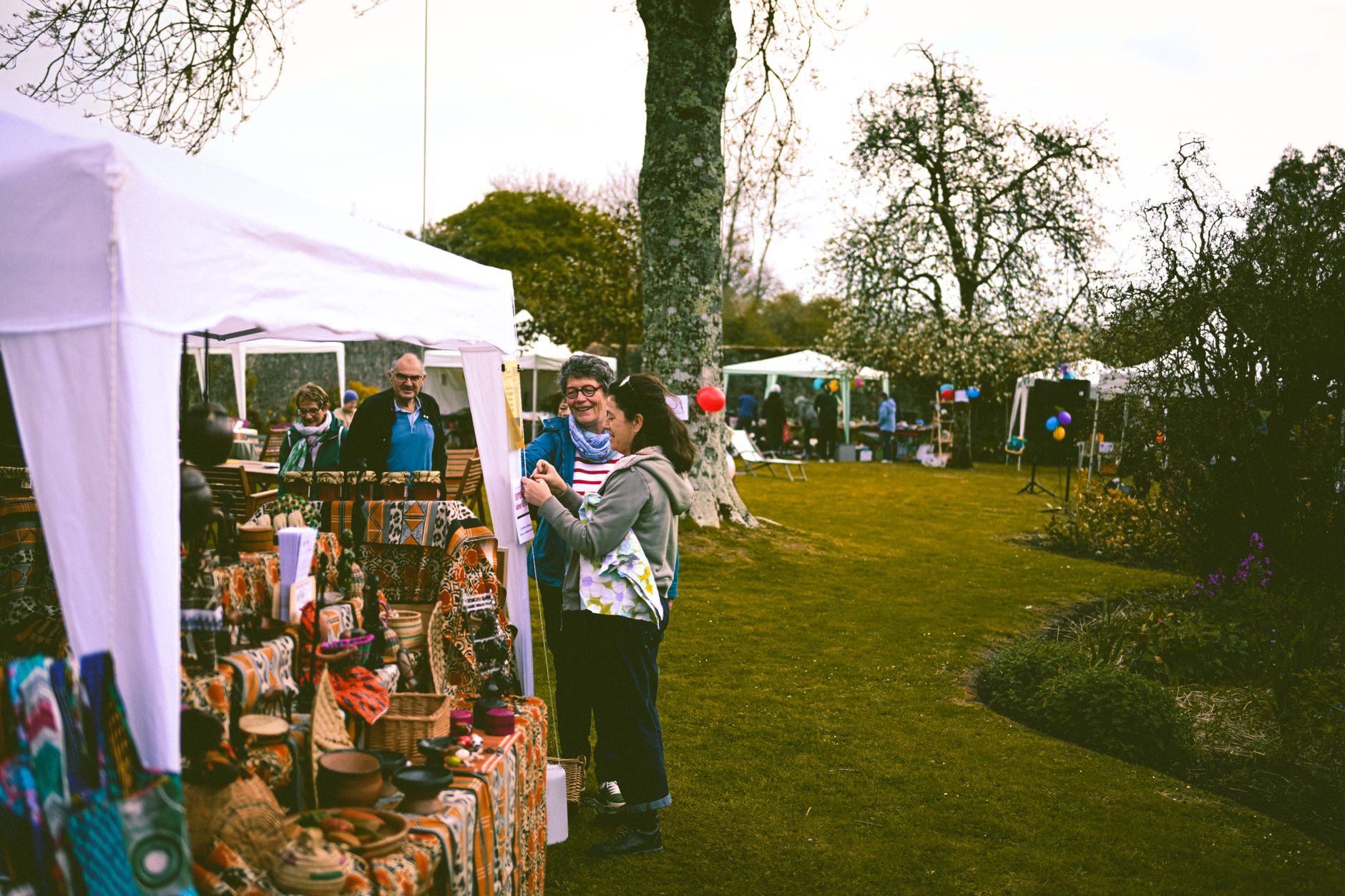
A stall has about three seconds to earn a second look, and most stalls waste it by trying to show everything at once. Buyers walking a crowded market aisle are not reading labels from a distance, they are scanning shapes and colour, so the first job of your display is to say clearly, at a glance, what you make and roughly what it costs. Group by type rather than by size or colour, put your best or most photogenic piece at eye level and near the front edge of the table, and leave visible gaps rather than crowding every inch, because a stall that looks sold-out looks more desirable than one that looks like a jumble sale.
The deeper reason this matters is recognition rather than tidiness. A brand grows by being easy to recognise and easy to recall, and a stall is your brand in miniature for the length of a market day. If your packaging, your sign, your table cloth and your price tags use the same two colours and the same simple typeface every single time you trade, regulars start to spot you from across the hall before they can even read your name, which is the same discipline behind any brand strategy whether it is running on a shopfront or a trestle table. AXA UK's review of trends in UK craft businesses notes that more people are turning their craft into a proper trading business, and flags the everyday practical risks that come with selling in person, from a dropped delivery box to a card reader that will not connect, so build ten minutes of slack into your set-up for exactly that kind of ordinary trouble.
How Do You Price Your Work for Craft Fairs?
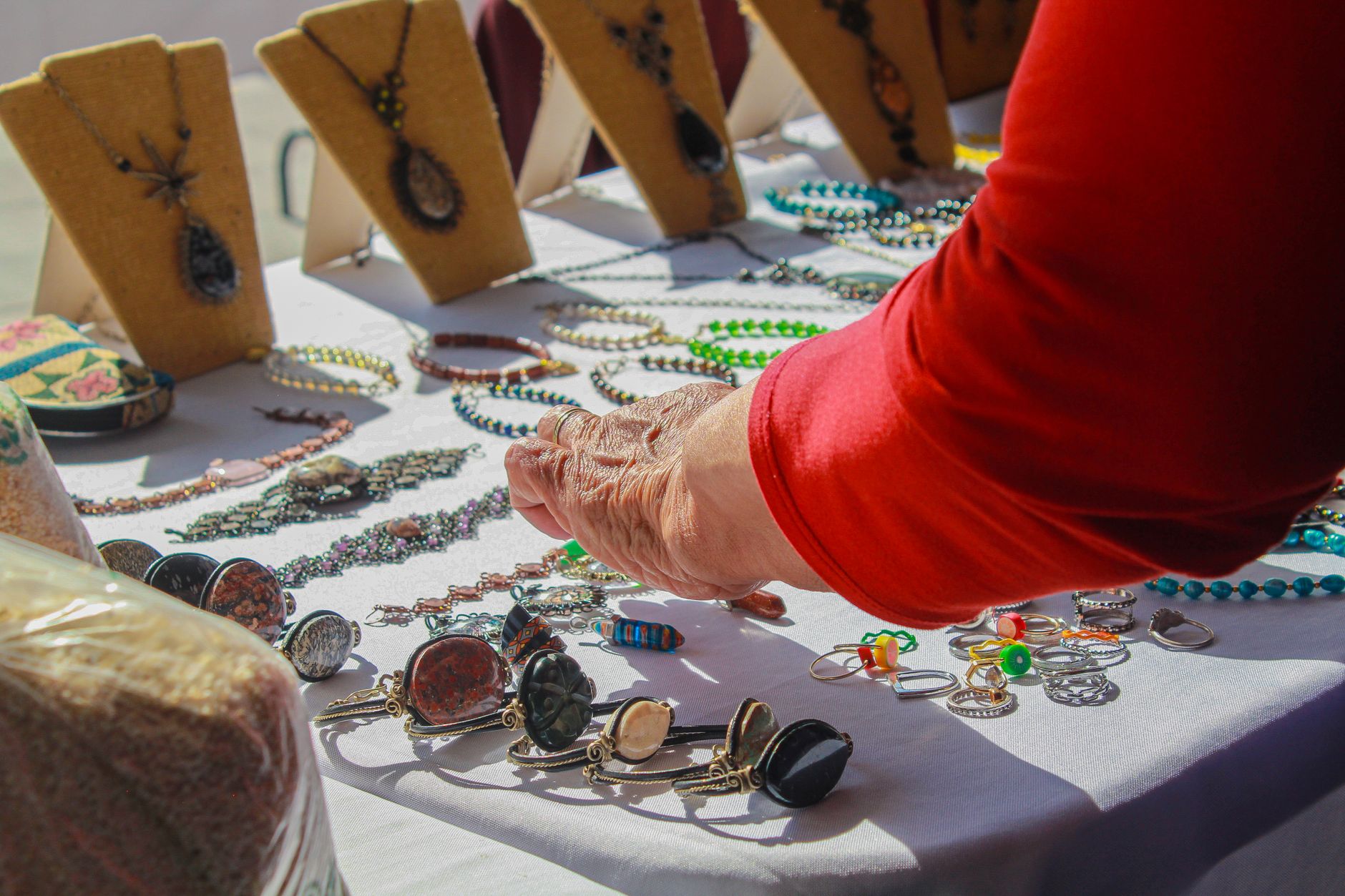
Undercharging is the single most common reason a maker burns out on craft fairs within a year. The maths has to include your time, not only your materials, or you are effectively paying to work the stall. A reasonable starting formula is materials cost, plus an hourly rate for your making time, plus the stall fee spread across the number of pieces you expect to sell, plus a margin on top, and then you round to a price that feels clean rather than fiddly. A candle maker whose wax, wick and jar cost £3, who spends twenty minutes making each one at a rate of £15 an hour, and who is paying £35 for a pitch she expects to cover across thirty candles, is looking at roughly £9 to £10 a candle before any margin, not the £6 many new sellers default to out of nerves.
It helps to remember that people who choose to buy handmade at a market are not comparing you to the supermarket shelf. When the Crafts Council launched its most recent Market for Craft report, it framed craft buying as a genuine and growing part of how people choose to spend, not a shrinking novelty, which matters because it means the buyer standing at your stall has already decided handmade is worth paying more for. Pricing low to seem approachable usually has the opposite effect, since a very cheap handmade item can read as suspicious rather than a bargain. Price for the value of the skill and the material, put the number clearly on every item, and hold your price even on a slow morning.

How Do You Prepare for a Craft Fair, Step by Step
A little discipline before the day removes most of the stress that new sellers describe. The preparation is the same short checklist every time, whether it is your first fair or your fiftieth.
- Confirm the practical details with the organiser. Pitch size, whether power is included, table hire, load-in time and where you can park, at least a week before the date.
- Pack a float and a working card reader. Bring change in small notes and coins, and test your card reader's connection the night before, not in the car park.
- Build a display around one focal item. Choose your strongest or most photogenic piece to sit front and centre, with everything else grouped by type around it.
- Price and label everything before you leave home. A stall with visible, confident prices sells more than one where buyers have to ask and feel awkward doing it.
- Set up your follow-up before the doors open. A simple sign-up sheet or a QR code to your Instagram or shop, so every conversation has somewhere to go afterwards.
- Do a dry run at home. Set the stall up on a table indoors the evening before to see what looks crowded, what is missing, and what you have forgotten to pack.
Working through this list the night before turns a nervous first fair into a calm one, and it is the same six steps every single time, which is exactly why it stops feeling stressful after the third or fourth go.

How Do You Talk to Customers Without Being Pushy?
The best stallholders are not the loudest ones, they are the ones who read the room. Someone slowing down to look is inviting a light comment, not a sales pitch. "That one's my favourite, it's stoneware so it'll go in the dishwasher" tells them something useful and gives them an easy way to answer without committing to anything. Someone who picks an item up and turns it over is already halfway to buying, and the only thing left to do is answer whatever they ask and then go quiet, because the silence is doing the selling for you at that point.
What earns trust fastest at a stall is proof rather than persuasion. A small handwritten sign about who makes the work and where, a photo of your workshop, a card explaining the process behind a piece, all do more than a well-rehearsed pitch, because they let the buyer draw their own conclusion instead of feeling sold to. This is the same mechanism that makes a returning customer stop and say hello by name. The Creative United summary of the Market for Craft findings points to real headroom for growth in how much people are willing to spend on craft directly from the person who made it, which is a good reminder that the buyer in front of you already wants to say yes. Your job is to make it easy, not to push harder.

How Do You Turn a Market Stall Into Repeat Customers?
A craft fair sale that ends at the till is a missed opportunity, because the point of the day is not today's takings, it is the customer you get to sell to again without paying a stall fee for the privilege. Every single interaction, sale or not, is a chance to capture a way of reaching that person later. A simple sign-up sheet for a mailing list, a business card with your Instagram handle printed clearly, or a small discount code for anyone who follows your shop online, all turn a one-off conversation into an ongoing relationship. This costs nothing beyond the printing, and it is the difference between a maker who has to start from zero at every fair and one whose regulars come looking for the stall specifically.
The online side of this matters as much as the market day itself, because most buyers who love what they bought will look you up before they buy from you again. If your online shop or profile is easy to find, up to date, and clearly connected to the maker they met in person, that follow-up becomes a second sale rather than a lost thread. Our guide to how to sell art online walks through building that online side properly, and it pairs directly with the in-person work a craft fair does. The Creative Industries facts and figures hub treats craft as one of the UK's recognised creative industries in its own right, which is a useful reminder that the small stall you run on a Saturday sits inside a genuine, growing sector rather than a hobby that happens to make a little pocket money.

What Mistakes Do Sellers Make at Craft Fairs?
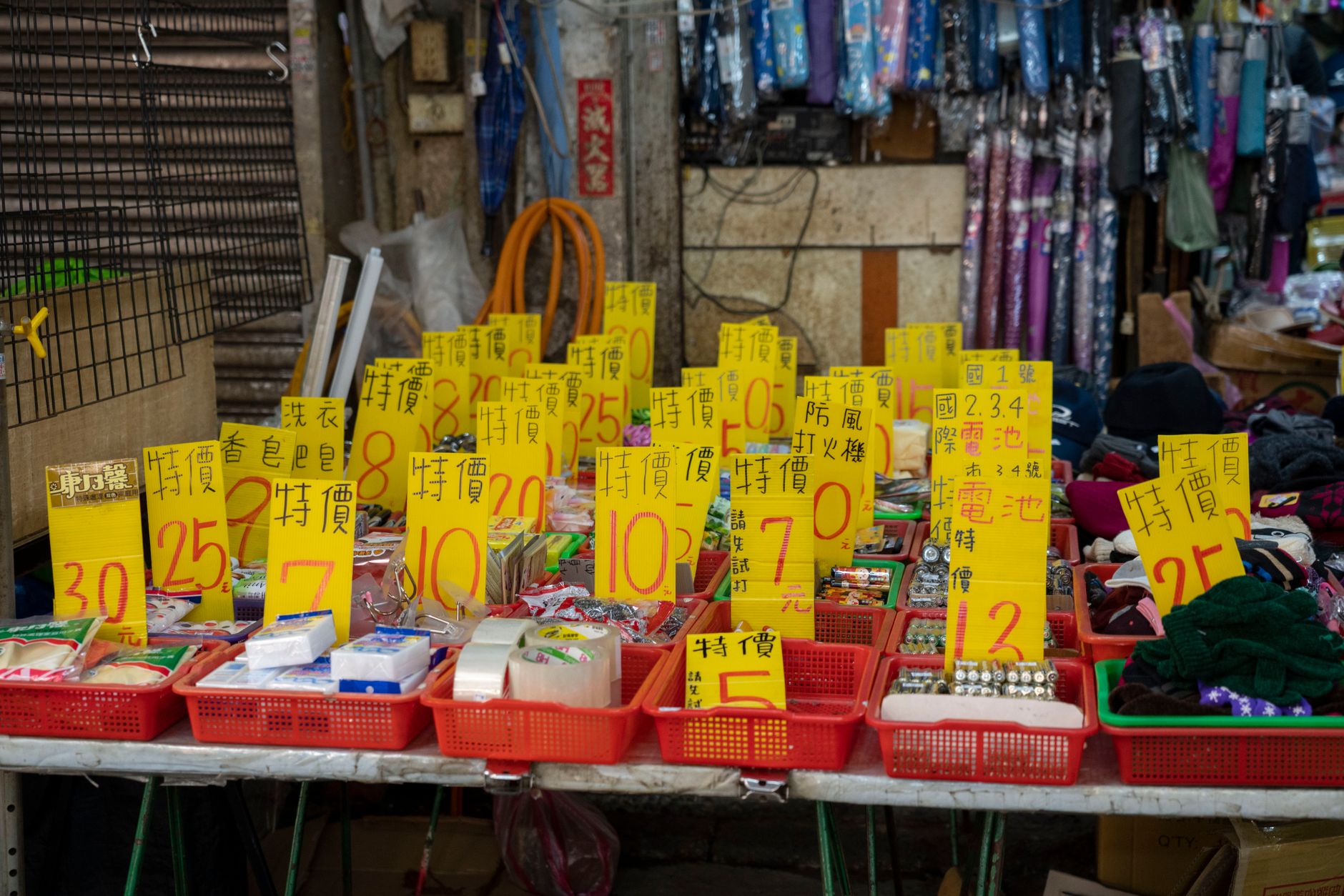
A few mistakes show up again and again, and each one is fixable once you can name it. The first is bringing too much stock in too many variations, which overwhelms a buyer instead of guiding them, when a tighter, clearer range with obvious best-sellers up front sells better than a table trying to be everything to everyone. The second is no visible pricing, which forces every buyer to ask and stops the shy ones from ever approaching at all. The third is treating every fair the same regardless of who attends it, rather than matching your stock and your price point to the specific crowd each event brings in.
The fourth mistake is the quiet one that costs the most over a year, and it is leaving with no way to contact anyone who did not buy on the day. A browser who almost bought is not a lost sale if you captured their details, and is simply gone forever if you did not. The fifth is undervaluing your own time in the price, which either burns you out within a season or trains your customers to expect handmade work at supermarket prices. If you are building your stock and your presence across several channels, our guide to marketing for online sellers and makers covers how the in-person stall and the online shop should reinforce each other rather than compete for your time.
How Do You Know If a Craft Fair Was Worth Doing Again?
The honest way to judge a fair is not the takings alone, because a quiet fair with the right audience can be worth more over a year than a busy one with the wrong crowd. Track four simple things after every event: total sales against the stall fee and travel cost, the number of new mailing list or social sign-ups you collected, whether anyone mentioned they had seen you there before, and how the day felt to trade, since a fair that leaves you exhausted and unpaid is not one to repeat even if the numbers scrape even. Write these four lines down the same evening while you remember them, because a month later every fair blurs into the same tired memory of packing the van in the rain.
Do this consistently and a pattern appears within three or four fairs, telling you which events, which price points and which display choices are earning their place in your calendar. This is the same discipline that sits underneath any working marketing plan, deciding on purpose what to repeat and what to drop rather than reacting to how one single Saturday felt. A maker who tracks this for a season stops guessing which fairs are worth the early alarm and the cold car park, and starts building a calendar around the ones that genuinely work.