
What Is a Brand, and Why Does a Creative Business Need One?
A brand is not your logo, your website colours or your Instagram grid, though all three carry it. It is the idea a customer forms in their head about what you make, who it is for and what they can expect from you every time, and that idea forms whether you shape it deliberately or leave it to chance. The Chartered Institute of Marketing frames a brand as the sum of everything a business promises and delivers, built through consistent experience rather than a single design decision, and a creative business feels the gap between a strong brand and a weak one faster than most, because the product is often intangible or one of a kind, and the buyer has almost nothing else to judge it by.
A freelance illustrator in Bristol who has drawn hundreds of book covers can still be invisible to a new client if nothing ties that work together into a recognisable name and style. A ceramics studio in Cornwall selling beautiful mugs at a market stall is competing against a hundred other beautiful mugs, and the maker who wins the sale is usually the one the customer already half-remembers from somewhere. The work has to be good. The brand is what makes the good work findable, rememberable and worth paying a fair price for, rather than treated as one option among many that all look roughly the same.

How Is Building a Brand Different for a Creative Business?
Every small business needs a brand, but a creative business builds one under conditions that make the job both harder and, in one respect, easier. The harder part is the sheer density of competition. Creative industries have long been one of the UK's fastest-growing sectors, which Creative UK's own work with the sector reflects, and that growth means more photographers, more illustrators, more small studios chasing the same clients every year. A crowded market punishes a brand that looks and sounds like everyone else's, because there is nothing for a buyer's memory to grab hold of.
The easier part, if you use it, is that your personal taste and point of view are already a genuine asset rather than something you have to invent. A plumber's brand has to be built almost entirely from service and reliability, because one plumbing job looks much like another. A creative business starts with a natural source of distinctiveness, the actual style, voice and choices that show up in the work itself. The mistake most creative owners make is treating the work as the whole brand and stopping there, when the brand is the work plus the consistent name, look and story wrapped around it that makes a stranger recognise your hand before they read your name.
What Should Your Brand Positioning Say?
Before you choose a colour palette or write a bio, you need to decide what you want to be known for and to whom, which is the job of positioning rather than design. Positioning is the deliberate act of defining how you are the best option for a specific group of people, relative to the real alternatives they would otherwise choose, as April Dunford sets out in her framework for positioning. For a creative business, the alternatives are rarely other creatives in your field. A couple choosing a wedding photographer is weighing you against a cheaper photographer, a talented friend with a good camera, and simply not hiring anyone and relying on phone snaps. Your positioning has to explain, in one honest sentence, why you are worth choosing over all three.
Working this out starts with naming the specific customer you serve best rather than everyone who might buy from you. A graphic design studio in Manchester that tries to serve every small business in the city will struggle to be memorable to any of them. One that decides to be the studio independent coffee roasters and small breweries turn to for packaging that looks handmade rather than corporate has a positioning a customer can repeat back to a friend. That specificity is not a limitation. It is the thing that makes referrals possible, because vague positioning gives people nothing to pass on. This is the strategic layer underneath everything visible, and it deserves its own thinking before you touch a logo, which is why it is worth reading alongside a fuller look at brand strategy and the discipline of positioning on its own.

How to Build Brand Recognition That Customers Remember
Once you know what you stand for, the next job is making sure people remember it, and this is where most creative businesses underinvest. Decades of research from the Ehrenberg-Bass Institute, based at the University of South Australia, has found that brands grow largely by being easy to notice and easy to recall at the exact moment a buyer is ready, and that recall is built through repetition and consistency far more than through clever one-off ideas. For a creative business this is genuinely reassuring, because it means the work is not to be constantly reinventing yourself. It is to pick a handful of recognisable signals and keep them the same for years.
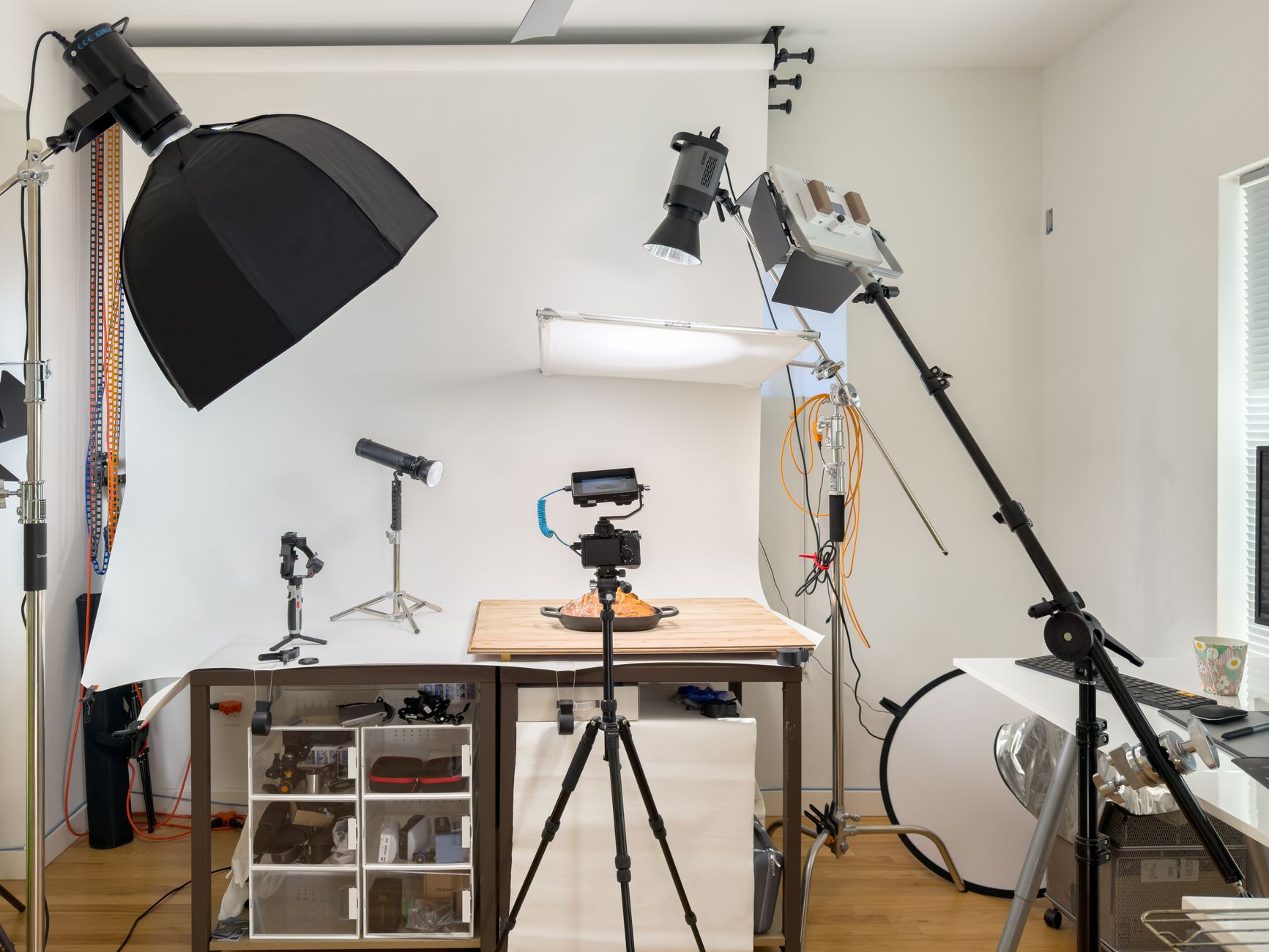
Those signals are what the same Institute calls distinctive brand assets, the consistent colours, fonts, phrases, image style or recurring motifs that let someone spot your work before they read your name, built slowly through repeated exposure rather than a single rebrand. The Cornwall ceramics studio that always photographs its mugs on the same worn wooden table, in the same soft morning light, with the same small stamped maker's mark on the base, is doing exactly this. None of it is expensive. All of it compounds, because a customer who has seen that table and that light three times before starts to recognise the fourth photo instantly, without reading a word of the caption. The failure mode to watch for is boredom with your own consistency long before your customers have even noticed it, and swapping your look every few months because you have grown tired of it, which resets the recognition back to zero as it was starting to build.
How to Protect Your Brand Name and Identity
A brand worth building is a brand worth protecting, and this is the part creative businesses most often skip until a problem forces the issue. If your business name, logo or a distinctive product design is copied by a competitor, you have far less recourse if you never registered it as a trademark in the first place. The British Library's Business & IP Centre network exists specifically to help small businesses and creatives work through what can be protected and how, from names and logos to original designs, and it runs free advice sessions in libraries across the country, which makes it one of the more overlooked resources available to a small creative operation.
Registering a trademark is not automatic and it is not free, but the Chartered Institute of Trade Mark Attorneys is clear that a registered mark gives you a much stronger legal footing than simply using a name and hoping nobody else picks it up, particularly once a brand starts to have real commercial value worth defending. For a jewellery maker whose signature clasp design has started selling well, or a design studio whose name has become known in its city, this stops being a theoretical concern and becomes a genuine business risk. The right time to check is well before a competitor forces the question, not after.

How to Build a Brand, Step by Step
None of this needs to take months, and a first working version can be drafted over a weekend, then refined as your business grows.
- Define your specific customer. Name the exact type of client or buyer you serve best, not everyone who could conceivably want your work.
- Write your positioning in one sentence. State what you offer, for whom, and why you beat the real alternatives they would otherwise choose.
- Choose your distinctive assets. Pick a small set of colours, fonts, a photography style or a recurring motif, and commit to using the same ones everywhere.
- Write your name and story once, then reuse it everywhere. Your bio, your tagline and the way you describe your work should read the same on your website, your social profiles and your business cards.
- Check what you need to protect. Look into whether your name, logo or a distinctive design is worth registering as a trademark before someone else claims it.
- Hold it steady for a year. Apply the same look, name and message everywhere for at least twelve months before you judge whether it is working, because recognition takes repetition to build.
Common Mistakes Creative Businesses Make When Building a Brand
The most common mistake is confusing a brand refresh with brand-building. An owner grows a little bored of their own colours or logo, changes them, and mistakes the resulting burst of activity for progress, when in fact they have reset the recognition their previous version had slowly earned. The second is letting every platform carry a slightly different version of the story, a punchier bio on Instagram, a more formal one on the website, a third version on a printed flyer, so that no single version ever gets repeated enough to stick.
The third mistake is skipping positioning altogether and going straight to a logo, on the assumption that a brand is a visual problem. A beautiful logo attached to a vague, undifferentiated offer does not make a business memorable, it makes it a well-dressed version of everyone else. The fourth is treating the brand as finished once the visual identity is done, when the actual work, showing up consistently, keeping the story the same, protecting the name once it has value, continues for as long as the business exists. A brand is a habit more than a project, and businesses that treat it as a one-off design job tend to watch the recognition they built fade within a year or two of no longer tending to it.

How Do You Measure Whether Your Brand Is Working?
A brand is working when people start doing your marketing for you, recommending you by name rather than describing what you do in general terms, and when new enquiries arrive already knowing roughly what to expect from you. Practical signals worth tracking include the share of new clients who arrive through referral rather than a cold search, whether people can describe your style back to you unprompted, and whether you can raise your prices without losing the clients who value what makes you distinctive. None of these show up overnight. Recognition of the kind that changes buying decisions is built through consistent presence over months and years rather than a single good campaign, so the honest measure of a creative business's brand is whether it looks recognisably the same, and is talked about the same way, this year as it did last year.