How Do Musicians Market Themselves?
In practice, musicians who build a career market themselves through five overlapping habits: they pick a specific audience rather than trying to reach everyone who likes music, they show up consistently in that audience's feeds and inboxes rather than only around release dates, they treat gigs as the strongest marketing channel they have rather than a separate activity, they design at least some of their output to be shared rather than only listened to, and they keep a simple record of what worked so the next release is easier than the last. None of this needs to be expensive. Most of it needs to be repeated for longer than feels comfortable.
The mistake worth naming early is the one almost every unsigned artist makes at least once, which is treating marketing as a burst of activity around a single, launch day. A single push, however well designed, cannot overcome months of silence either side of it. The musicians who build something lasting treat the quiet months between releases as the actual job, and the release itself as one moment inside a much longer relationship with an audience.

Why Marketing Matters More Than Ever for Musicians
The industry around you has genuinely grown, which is both good news and the reason the competition for attention has intensified. The UK music industry contributed a record £8 billion to the UK economy in 2024, and UK music sales and streaming subscriptions grew 7.4 percent in 2024 alone. That is real money moving through the system, and it means audiences are spending more on music than they have in years.
Globally the picture is more mixed, and worth understanding because it shapes where an independent artist should put their effort. Global recorded music revenues reached $36.2 billion in 2024, growing more slowly than in prior years. Streaming's share of that revenue dipped as overall growth slowed, a signal that the easy growth years of streaming are behind the industry and that where money is spent is fragmenting across more places rather than concentrating in one. For a working musician, the practical read is this. Streaming numbers alone are getting harder to grow through algorithmic luck, so the artists who thrive are the ones building a direct relationship with an audience that does not depend on a platform's mood. That is exactly the discipline behind the how to promote your music guide, which goes deeper on the channel-by-channel tactics that sit underneath the strategy in this piece.

Find Your Smallest Viable Audience Before You Chase a Bigger One
Most new artists aim their marketing at "people who like music", which is not an audience, it is the entire population. The stronger move, and one of the oldest ideas in marketing that still holds up under pressure, is to define the smallest group of people who would genuinely love what you make, and serve them so well they tell others. A folk singer-songwriter in Bristol who tries to appeal to everyone who streams acoustic music competes against every acoustic artist on Spotify. The same songwriter who decides her music is for people who loved the last decade of British folk revival, who miss proper storytelling in songs, and who go to small venue gigs on weeknights, has something to say to that group specifically, and that specificity is what gets shared.
This is not about limiting your ambition. It is about earning your way to a bigger audience by being unmistakably right for a smaller one first. A tight, loyal group of two hundred people who buy every release, come to every local gig and tell their friends is worth more to an early-career artist than twenty thousand passive streams that never convert into a ticket sale. Once that smaller group is genuinely served, the audience grows from the inside out, through the people who already care telling the people who might.

Build Mental Availability Between Releases
Here is the pattern that separates artists whose careers compound from artists who release something good every year or two and wonder why it never quite lands. Being easy to think of matters more than being clever once. An audience that has not heard from you in eight months has largely forgotten you exist by the time your new single drops, no matter how good it is, because attention that is not maintained decays. The artists who keep growing are the ones who stay present in small, consistent ways between releases, not around them.
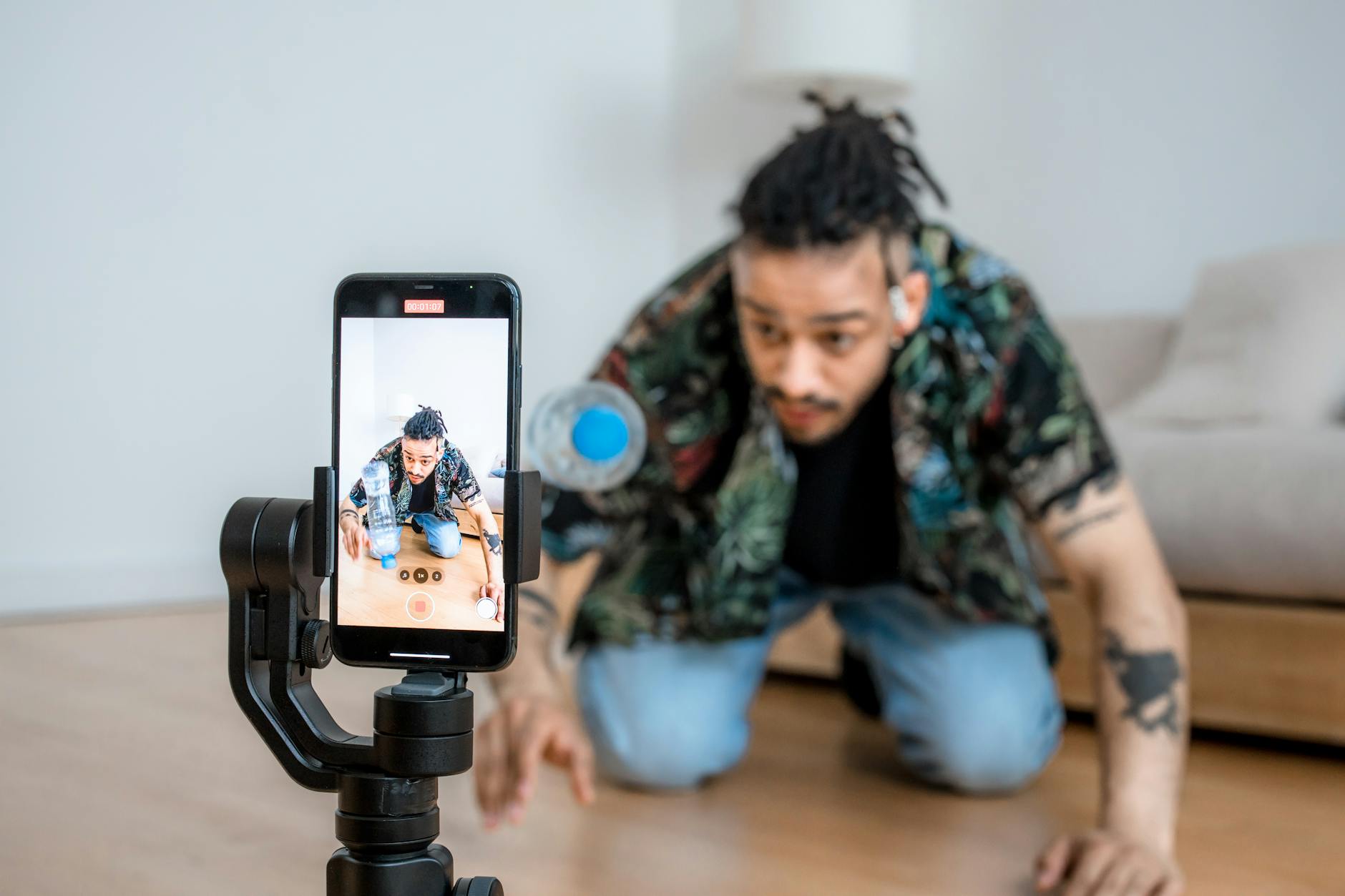
Consistency here means something specific and practical: the same handle, the same visual look, the same kind of post, showing up on a rhythm your audience can rely on, even if that rhythm is modest. A weekly voice note about how a song is coming along, a short clip from rehearsal, a photo from the last gig with a genuine caption, repeated on the same day each week, does more for long-term growth than an expensive video that appears once and then goes quiet for months. The recognisability compounds. A fan who sees the same tone and the same face turn up reliably starts to feel like they know you, and that feeling is what gets them to a gig, to a pre-save, to telling a friend.

Design Something Worth Sharing, Not Something Worth Hearing
A song can be genuinely good and still never travel past the people who already follow you, because being good and being shareable are different jobs. Getting shared has a shape you can design for. People share things that make them look good to share, things cued by something in their day, things that make them feel something strongly, things they can be seen doing, things that are useful, and things wrapped in a story. A songwriter does not need to hit every one of those at once, but picking even one deliberately changes what gets made.
Take the story angle, since it is the one musicians are naturally best placed to use. A single released with no context is a song. The same single released with the real, specific story behind the lyric, the argument it came from, the venue where it was first tried out and fell apart halfway through, gives a fan something they want to repeat to someone else. The song rides inside the story. An indie band from Manchester who filmed themselves recording a track live in a disused warehouse, with the awkward first take included, got more shares from that behind-the-scenes clip than from the polished music video it was meant to promote, because the clip gave people something worth talking about at the moment they were bored on a Tuesday evening. Design for that moment on purpose, rather than hoping the song alone will do the work.

Turn Live Shows into Your Growth Engine
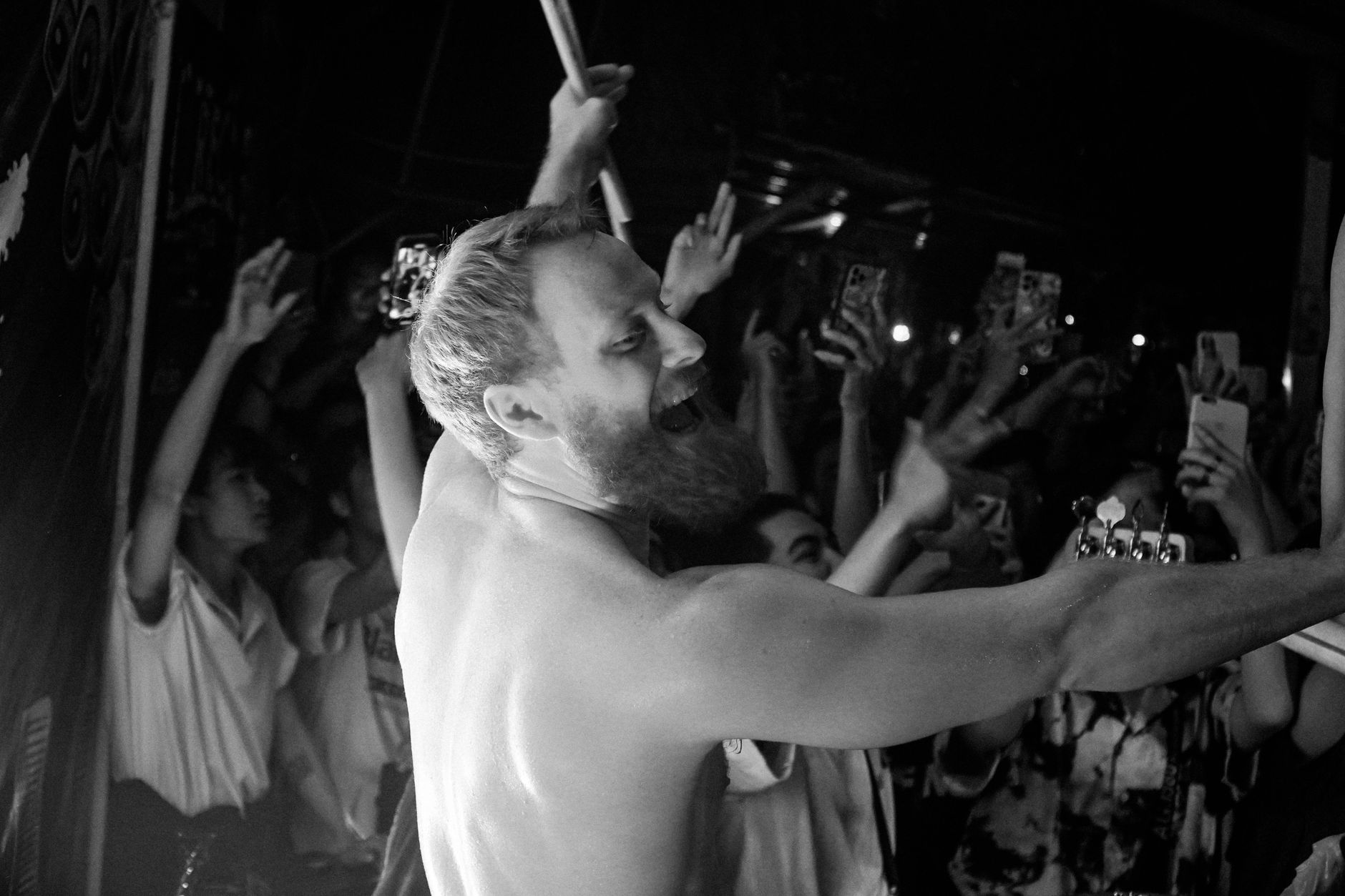
Live music is where the UK industry's growth is concentrated right now, and it is the channel most new artists undervalue as marketing rather than income. A concert took place every 137 seconds across the UK in 2024, as live music spend jumped 9.5 percent to $7.2 billion. That is an audience actively choosing to leave the house and pay to be in a room with music, which is a far stronger commercial signal than a passive stream. The record growth in UK live music revenue in 2024 has outpaced growth in industry employment, meaning demand for live experiences is rising faster than the workforce serving it, which is a genuine opening for an artist willing to gig consistently in their region.
Treat every gig as a marketing event, not only a performance. Collect emails at the merch table rather than only relying on someone finding your Instagram later. Film ten seconds of the best moment of the set for the next day's post. Ask the venue if you can be added to their mailing list description so their audience, not yours, hears about you. A single well-run gig, followed up properly, produces more durable fans than the same gig treated as a one-off with no capture plan attached. This is also where the smallest viable audience idea and the live circuit meet. Play the right rooms for the people who already like you, and the room fills itself through them, rather than chasing bigger stages before the smaller ones are full.

Build a Simple Marketing Plan You Can Keep Up
Musicians do not fail at marketing because they lack ideas. Most artists have more ideas than time. They fail because there is no simple structure holding the ideas together, so the good weeks and the quiet weeks cancel each other out. A workable plan for an artist is short enough to fit on one page and specific enough to act on this week.
- Name your smallest viable audience. Who specifically is this music for, and where do they already spend time, a local scene, a genre community, a particular playlist culture.
- Pick one weekly habit. A single recurring post, video or update, on the same day, that keeps you present between releases.
- Book gigs on a rhythm, not a whim. Commit to a realistic number of shows over the next quarter in rooms where your actual audience already goes.
- Capture every audience you reach. Email or a fan list at every gig, every release, so the relationship does not depend on an algorithm's mood.
- Design one shareable element per release. A story, a behind-the-scenes clip, a specific and honest detail worth repeating to a friend.
- Review monthly. Look at what grew, streams from a specific city, ticket sales, list sign-ups, and do more of whatever moved.
That plan takes an afternoon to write and much longer to hold to, which is the whole point. The wider thinking behind building this kind of plan, and the difference between the plan and the underlying strategy it carries out, is covered in our guide to how to create a marketing plan, which walks through the same structure for any small business.

Common Marketing Mistakes Musicians Make
A handful of mistakes account for most of the wasted effort in artist marketing. The first is going quiet between releases and expecting the next drop to land as hard as it would have if the audience had never stopped hearing from you. The second is trying to be for everyone, which spreads a small marketing budget of time across an audience too broad to reach any part of deeply. The third is treating gigs purely as performance rather than as the strongest data and relationship-building opportunity most independent artists have. The fourth is ignoring the story behind the music entirely and releasing tracks with no context, when a specific true story is usually more shareable than the song itself. The fifth is chasing every new platform trend rather than choosing two or three consistent habits and keeping them up, since the independent market's fragmentation into more platforms and formats makes consistency harder to hold, not less important. Avoid these five and a modest, steady effort will outperform a flashier one that burns out after a single release cycle.