
Start With a Concept and an Audience
Most podcasts that fade do so because they were never about anyone in particular. Before you buy a thing, write one plain sentence: this show is for a specific person, and after each episode they walk away with something useful. A show for new allotment growers that hands them one seasonal job they can do this weekend has a reason to exist. A show that is loosely about gardening does not, because nobody wakes up wanting that.
A little marketing science makes this concrete, and it is worth naming in plain English. Distinctiveness means being easy to recognise and hard to confuse with anyone else. A sharp concept, a memorable name, and a format that sounds like you and nobody else are what make a listener remember your show when they next have a gap to fill. The narrower and clearer the promise, the more distinctive the show, and the easier it is for the right person to choose you over the hundreds of vaguer options sitting next to you in the app.
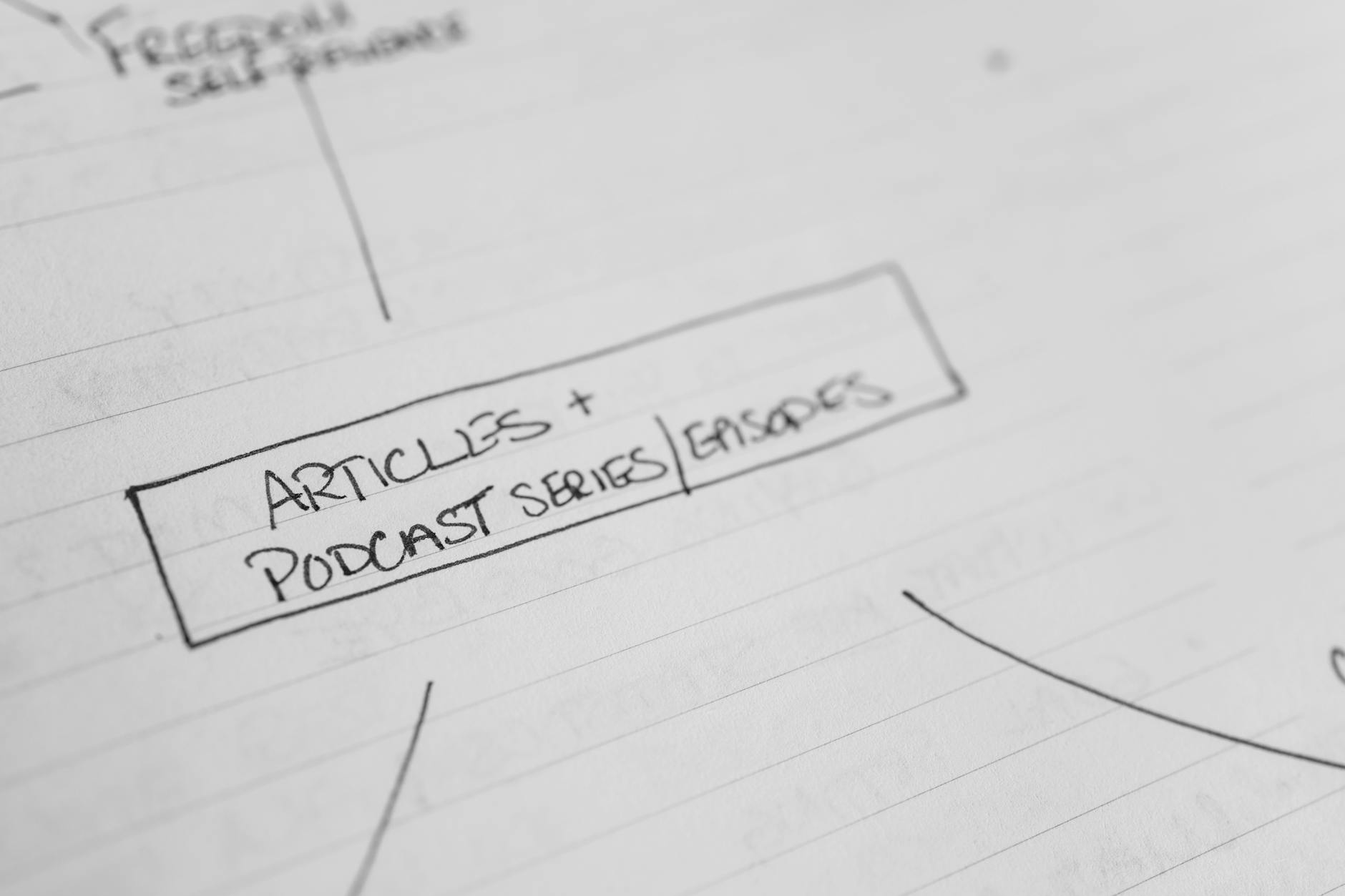
Pin down four things before you record. Who it is for, written as one real person rather than a vague crowd. What they get from each episode, in one line. How long episodes run, which sets the work you are signing up to every week. And the rough shape of an episode, so you are not inventing the structure each time. With those four settled, the rest of the build is mechanical.
Choose a Format You Can Sustain
The best format is the one you can keep producing when the novelty wears off. A solo show where you talk through one topic is the simplest to make and the easiest to schedule, because it depends on nobody but you. An interview show brings fresh voices and a built-in way to reach new listeners, since most guests share the episode they appear in, though booking and rescheduling eat time. A co-hosted show is good company and splits the work, as long as you both turn up. A tightly scripted narrative show sounds wonderful and takes far more editing than beginners expect.
Pick the lightest format that delivers your promise, then hold it steady. Consistency is doing more work here than production polish. A show that arrives every Tuesday at the same length builds a habit in the listener, and habit is what turns a one-time play into a subscription. Decide your cadence with a clear head. Weekly builds momentum fastest but is demanding. Fortnightly is a sane starting pace for one person with a job and a life. Whatever you choose, protect it, because a show that vanishes for a month loses the rhythm it spent weeks earning.
The Modest Kit You Need
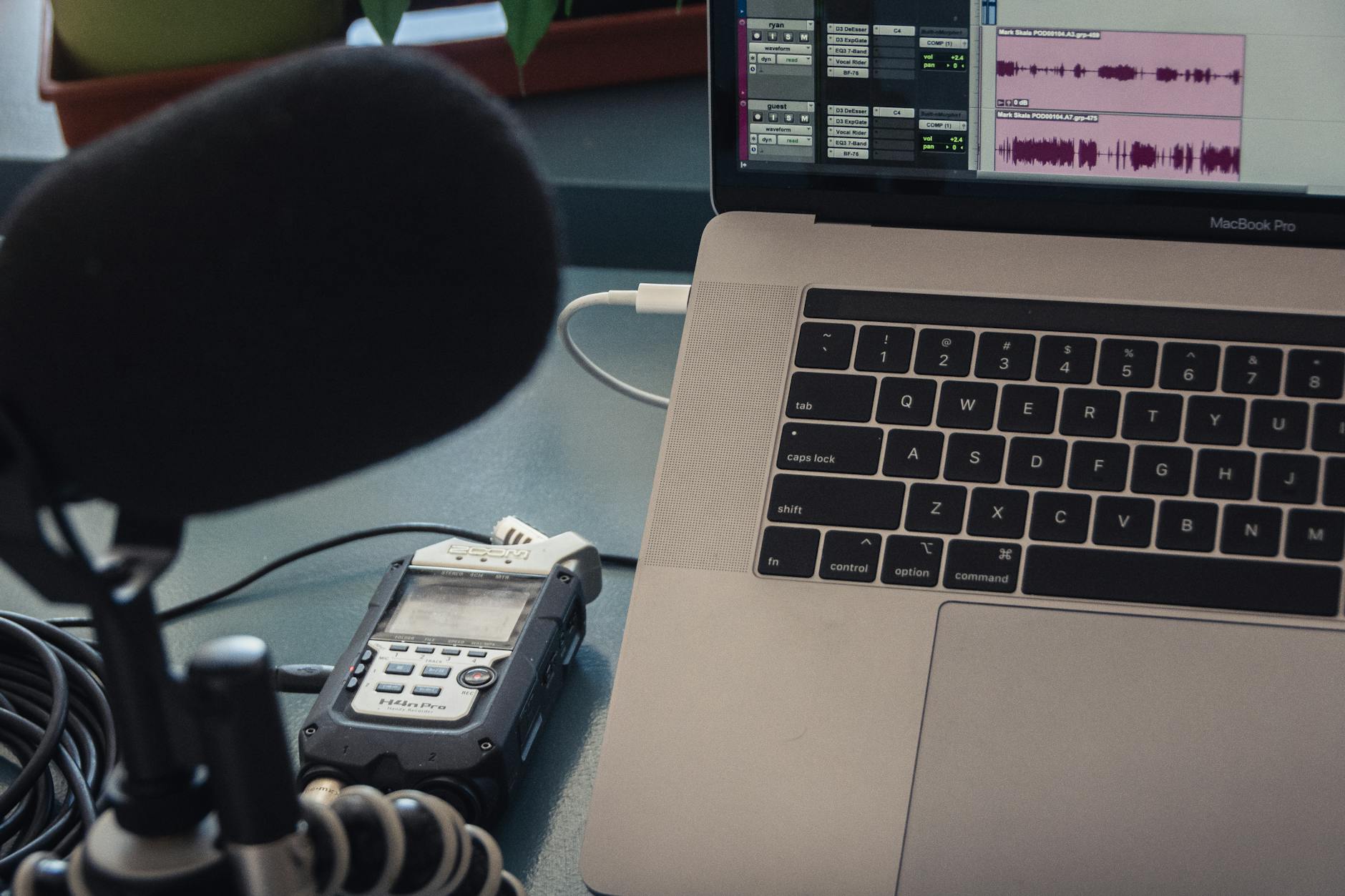
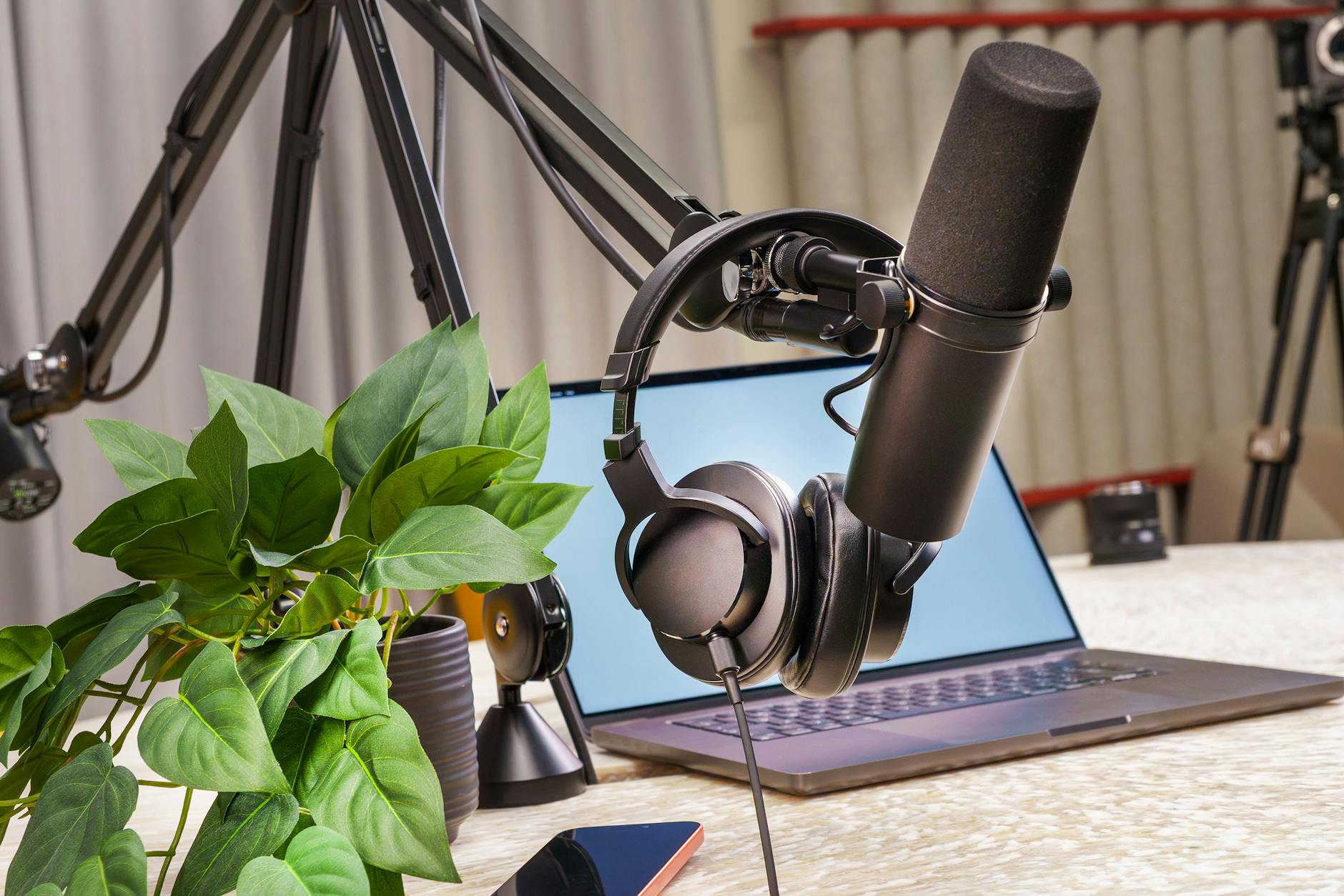
You need far less than the gear forums suggest. The single biggest jump in quality comes from the microphone and the room, not from spending more. Here is the honest starter list.
A USB microphone that plugs straight into your computer is the right first buy, in the thirty to ninety pound range. It is the difference between sounding like a phone call and sounding like a show, and it is most of the quality you will ever notice. A pair of basic wired headphones lets you hear problems as you record rather than discovering them in the edit. A quiet room with soft furnishings beats any amount of equipment, because the worst enemy of clear audio is echo, and a carpet, curtains, and a wardrobe of clothes soak up echo for free. A pop filter or a small foam windscreen, costing a few pounds, stops the hard popping sounds on words that begin with p and b.
That is the whole list to begin. Record into free software, publish through a free host, and you can be live for the price of one microphone. Resist the upgrade urge until you have shipped ten episodes and know what is holding you back. Most beginners spend on a mixer and a fancy interface they do not need, while recording in a kitchen that echoes. Fix the room first, it is free.
| Item | Rough cost | Why it matters |
|---|---|---|
| USB microphone | 30 to 90 pounds | The biggest single jump in how your show sounds |
| Wired headphones | You may own these | Catch audio problems while recording, not after |
| Quiet, soft room | Free | Soft furnishings kill the echo that ruins clarity |
| Pop filter or foam shield | A few pounds | Stops the harsh pop on p and b sounds |
Recording and Editing Basics
Good recordings start with three habits, none of which cost anything. Sit close to the microphone, roughly a hand's width away, because closeness gives you a fuller, warmer sound and drowns out the room. Record in your quiet, soft space at a sensible volume, watching the level meter so the loudest moments stay below the top of the scale, which keeps the sound from distorting. And record a few seconds of silence at the start of every session, which gives your editing software a sample of the room tone it can use to clean up the background.
For editing, free software does everything a new podcaster needs. The job is simpler than it looks. Trim the dead air at the top and tail, cut the long stumbles and the worst of the ums, and even out the volume so a quiet stretch is not followed by a loud one. Leave the rest. Over-editing makes a show sound airless and robs it of the human texture people came for. Most episodes need a light pass, not surgery. Export the finished episode as an MP3, which is the format every podcast app expects.
A short, repeatable structure makes editing faster and the show easier to follow. A brief intro that says what the episode covers, the main content, and a clear sign-off that tells the listener what to do next, whether that is subscribing, sending a question, or visiting a page. Reusing the same shape every week trains your listener and trains you, so each episode gets quicker to make.

Hosting and Distribution to Apple and Spotify
A podcast host is a service built to store your audio files and generate the RSS feed that the listening apps read. This is the one piece of plumbing you cannot skip, and trying to do it yourself by uploading audio to your own website usually ends in broken feeds. Use a proper podcast host. Several offer a free tier that is fine for starting out.
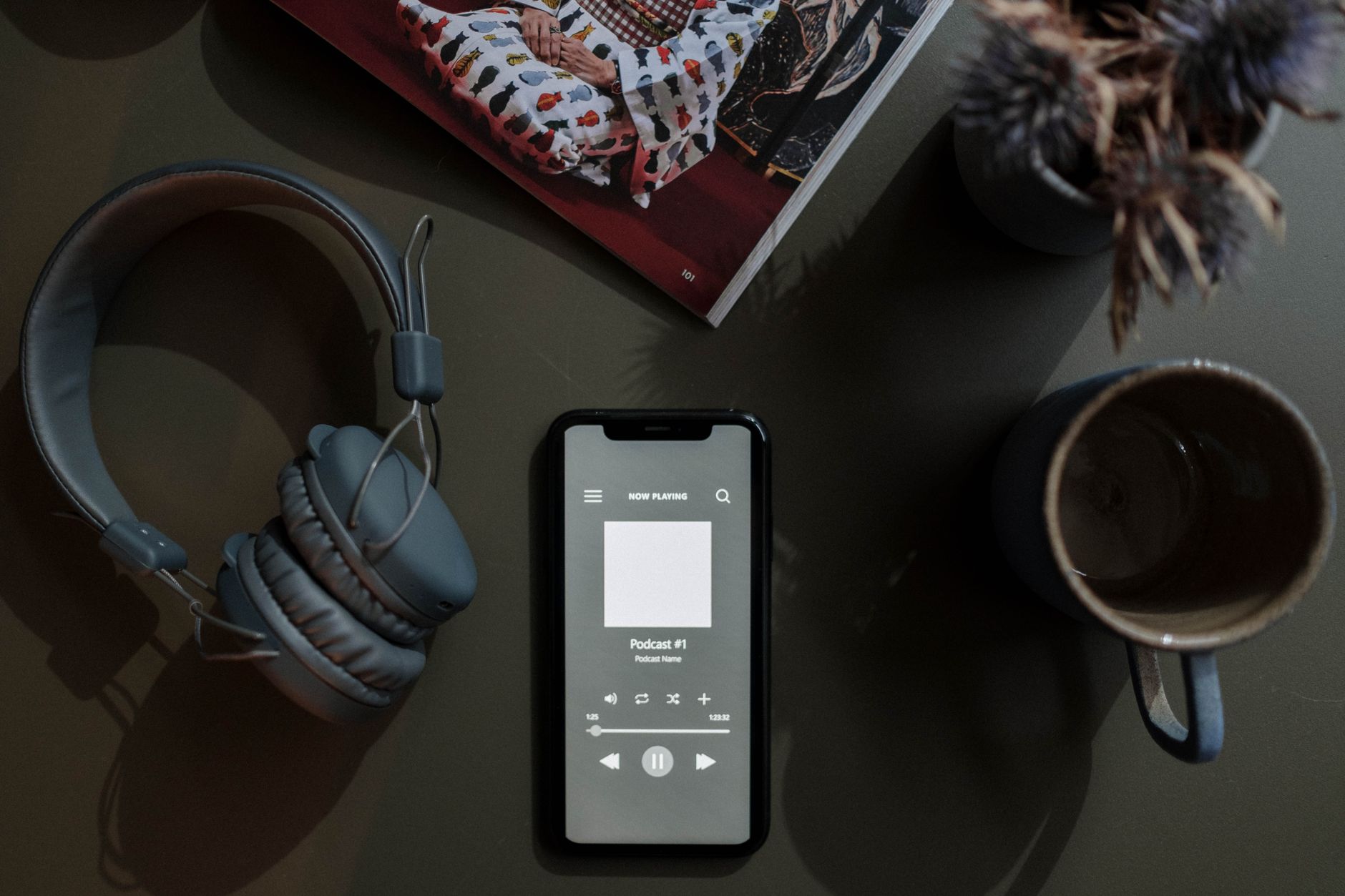
Distribution sounds technical and is mostly a one-time setup. You upload an episode to your host, the host produces a single RSS feed for your show, and you submit that one feed address to each listening app once. After that, every new episode you upload appears in all of them automatically, with no further submitting. Apple Podcasts and Spotify are the two that matter most for reach, so prioritise those, then add the smaller apps your audience might use. Before you submit, get three things right, because they are how a stranger judges your show in the app: a clear show title that says what it is, cover art that is readable as a thumbnail the size of a fingernail, and a description that states who the show is for and what they get.
Being in every app is mental availability at work, which means being easy to find and easy to remember at the moment a listener has a gap to fill. You do not know which app a given person uses, so being present in all of them, with a title and cover that register instantly, is how you get chosen when the moment arrives.
Launch With a Small Batch of Episodes
Do not launch with one episode. Launch with three. A new listener who likes your first episode wants to keep going, and a show with a single entry gives them nowhere to go and no reason to subscribe. Three episodes on day one lets someone binge, feel the rhythm of the show, and decide you are worth a place in their week.
Record those first three before you announce anything. It steadies your format while the stakes are low, builds a small buffer so week one is not a panic, and gives you a feel for how long an episode takes you. When they are ready, submit the feed to Apple Podcasts and Spotify, allow a day or two for approval, then announce. Tell the people you already have. Email anyone on a list, post where your audience already gathers, and ask a handful of friends to subscribe and leave an honest review in the first week, since early subscriptions and reviews help a new show surface to strangers. A modest, real launch to people who know you beats shouting into an empty room.
There is plenty of room to grow into. The Edison Research Infinite Dial 2024 report found that 47 percent of Americans aged 12 and older listen to podcasts monthly, a figure that has climbed steadily for years. The audience for audio is large and habitual, which is good news for a new show with a clear reason to exist.
Grow Through Guests, Search, and Clips
Once the show is live and steady, three reliable engines bring new listeners without a budget. They compound, so the work you do in month two keeps paying in month six.
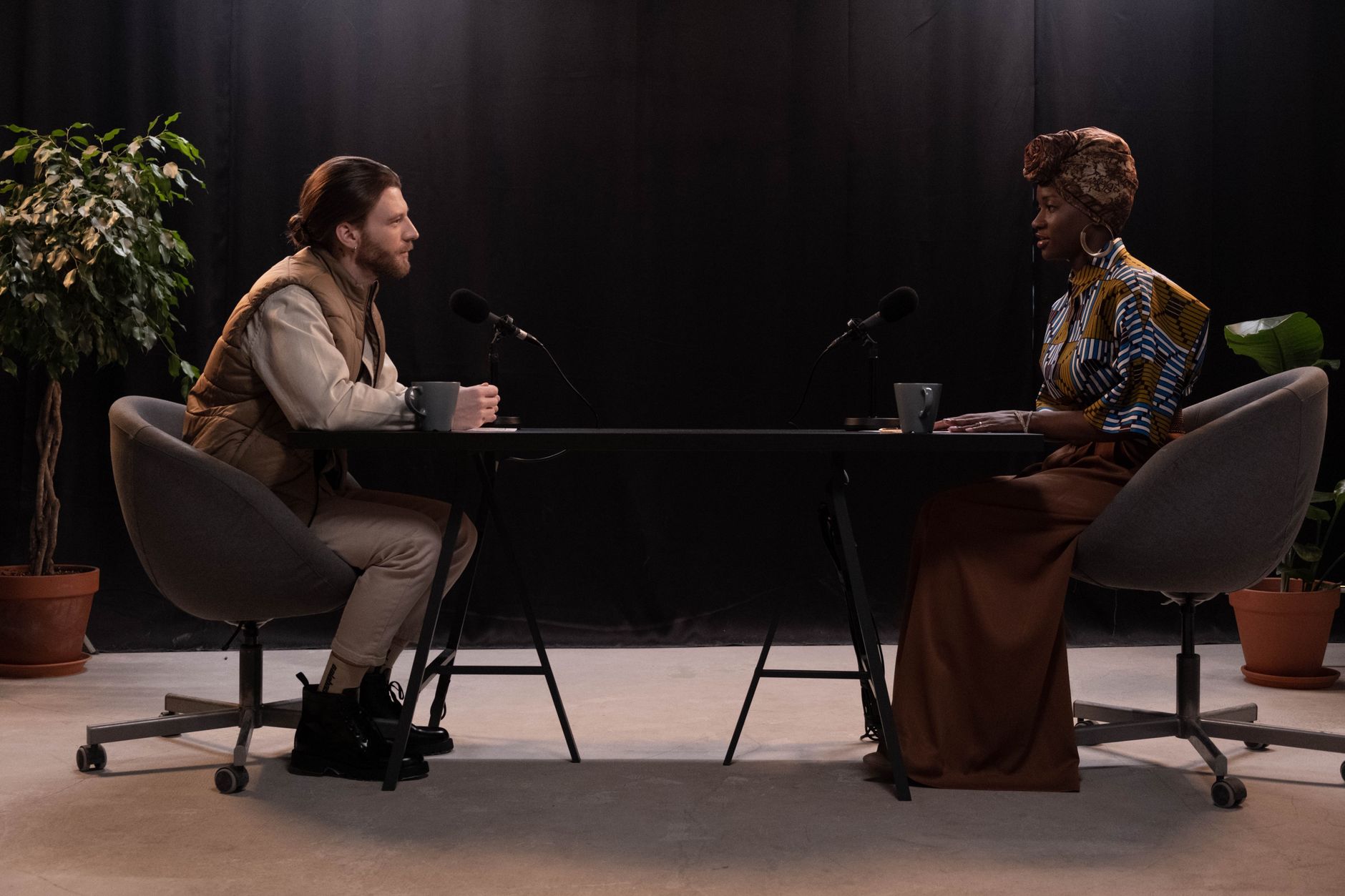
Guests are the fastest way to reach people who have never heard of you. A good guest brings their own audience, and most will share the episode they feature in, which puts your show in front of a warm crowd who already trust the person you interviewed. Search is the slow, durable engine. Give each episode a title and description written the way a listener would phrase the thing they want, because podcast apps and Google both read those words, and an episode that answers a real question keeps getting found long after it goes out. Clips are the discovery engine for social platforms. A sixty-second moment from an episode, captioned and posted where your audience already scrolls, reaches people who would never go looking for a podcast, and points the interested ones back to the full show. The same clip-and-share habit works for any creative output, and our guide on how to promote your music covers it in more depth.
You do not need all three at once. Pick the one that fits your format and energy, do it consistently for a couple of months, then add the next. A guest show leans naturally on guests. A solo expert show leans on search. A show with strong moments leans on clips. Consistency on one engine beats a scattered attempt at all three.
Turn Listeners Into Customers
If your podcast sits alongside a business, it can do more than build an audience. It can build the kind of trust that turns a listener into a customer, because hours spent in someone's ear is a depth of relationship few marketing channels reach. The trick is to let the trust build first and ask plainly when you ask at all.
Make every episode useful on its own, so a listener gets value whether or not they buy. Mention what you do and how someone works with you, clearly and without apology, but as a small, honest part of the show rather than its purpose. Give listeners one obvious next step, a single page to visit or a way to get in touch, and say it the same way each episode so it sticks. A show that owns the relationship with its audience, rather than renting attention through ads, is an owned audience in the truest sense, a group you can reach directly whenever you have something worth saying. That is a durable asset for a small business, and the podcast is how you build it one episode at a time. If you make a living from a creative craft, our guide to marketing for creators sets the podcast in the wider picture.
The Path From Idea to Live Show
The pattern holds across every step. Start narrow with a concept for a specific person, choose the lightest format you can sustain, buy only the microphone and quiet room that carry most of the quality, record and edit with a light touch, publish through a real host to Apple and Spotify, launch with three episodes to people who already know you, then grow on one engine at a time. Do that and you have a live, findable show built on foundations that hold. The businesses that get value from podcasting are rarely the ones with the best gear. They are the ones that picked a clear promise and kept it every single week.