
What Counts as Behind-the-Scenes Content?
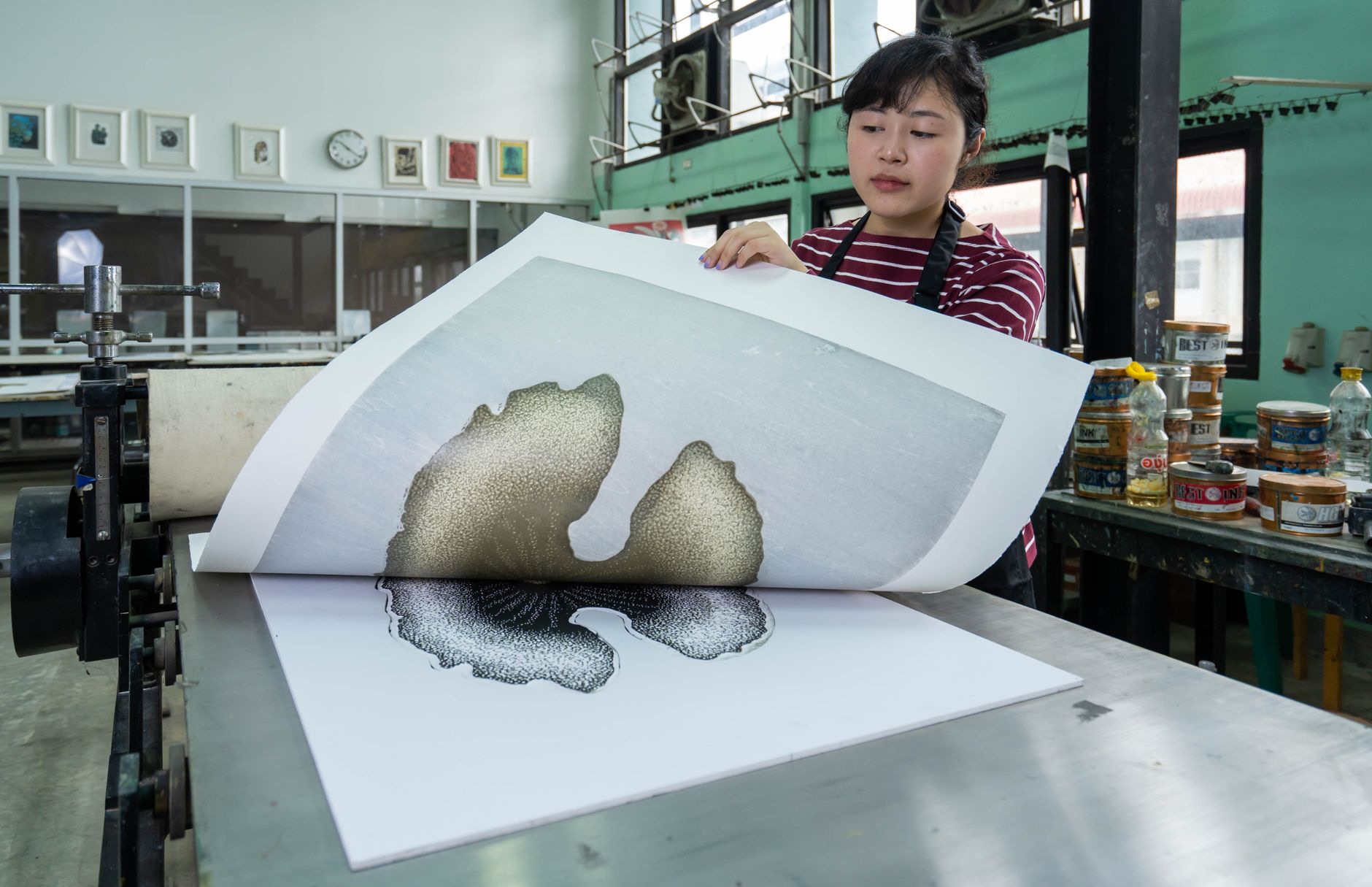
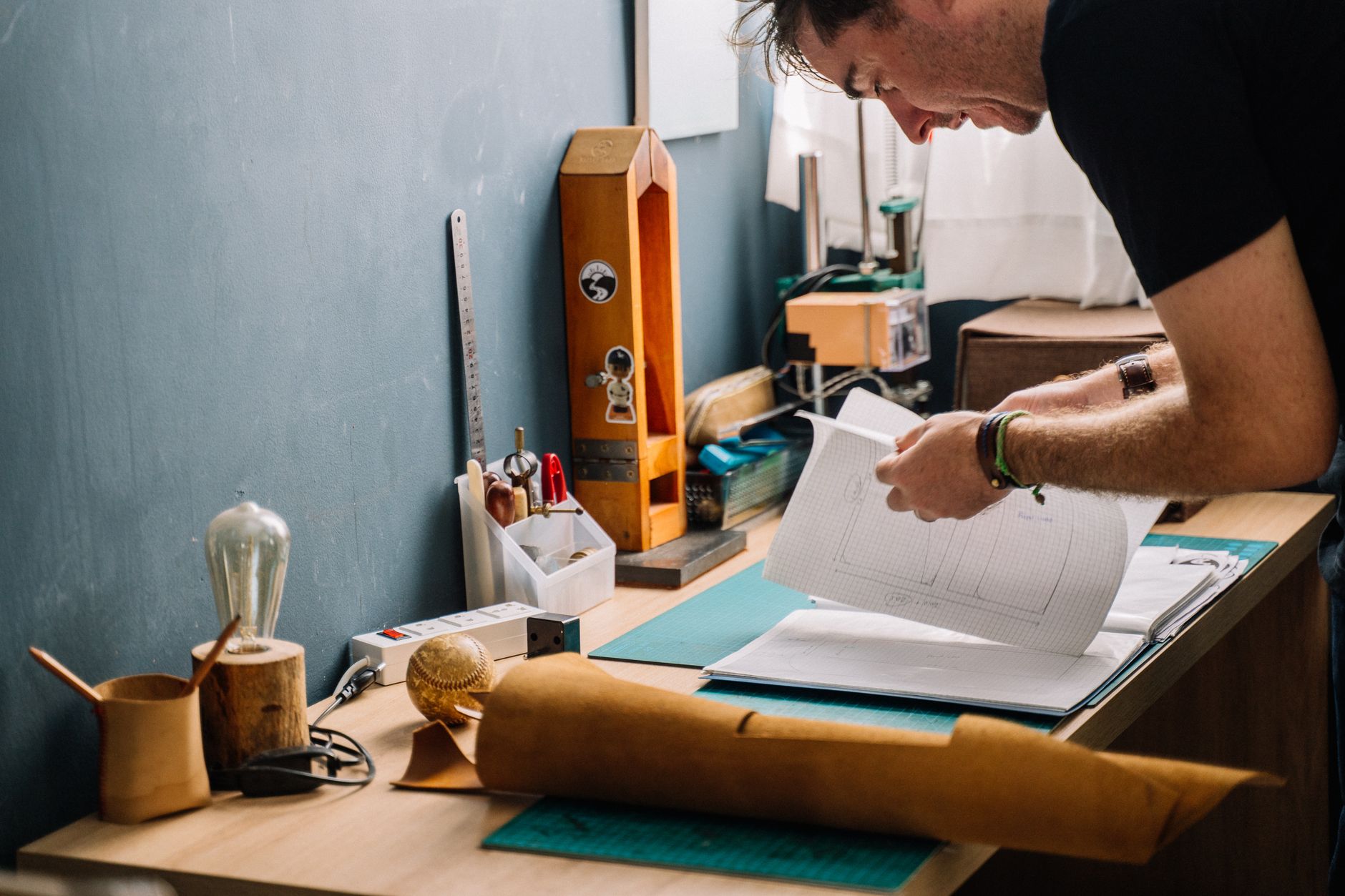
Behind-the-scenes content is any material that documents the making rather than the made. For a ceramicist that might be the centring of a lump of clay before it becomes a bowl, or a voice note explaining why a glaze cracked and had to be redone. For a milliner it might be pins going into felt on a wooden block, or a customer's face the first time they try on a finished hat. For a furniture maker it might be the sawdust on the workshop floor, the rejected joint that had to be cut again, the delivery van being loaded at dawn. None of it is the front-facing photograph you would put on a product page. All of it is the material that surrounds and precedes that photograph.
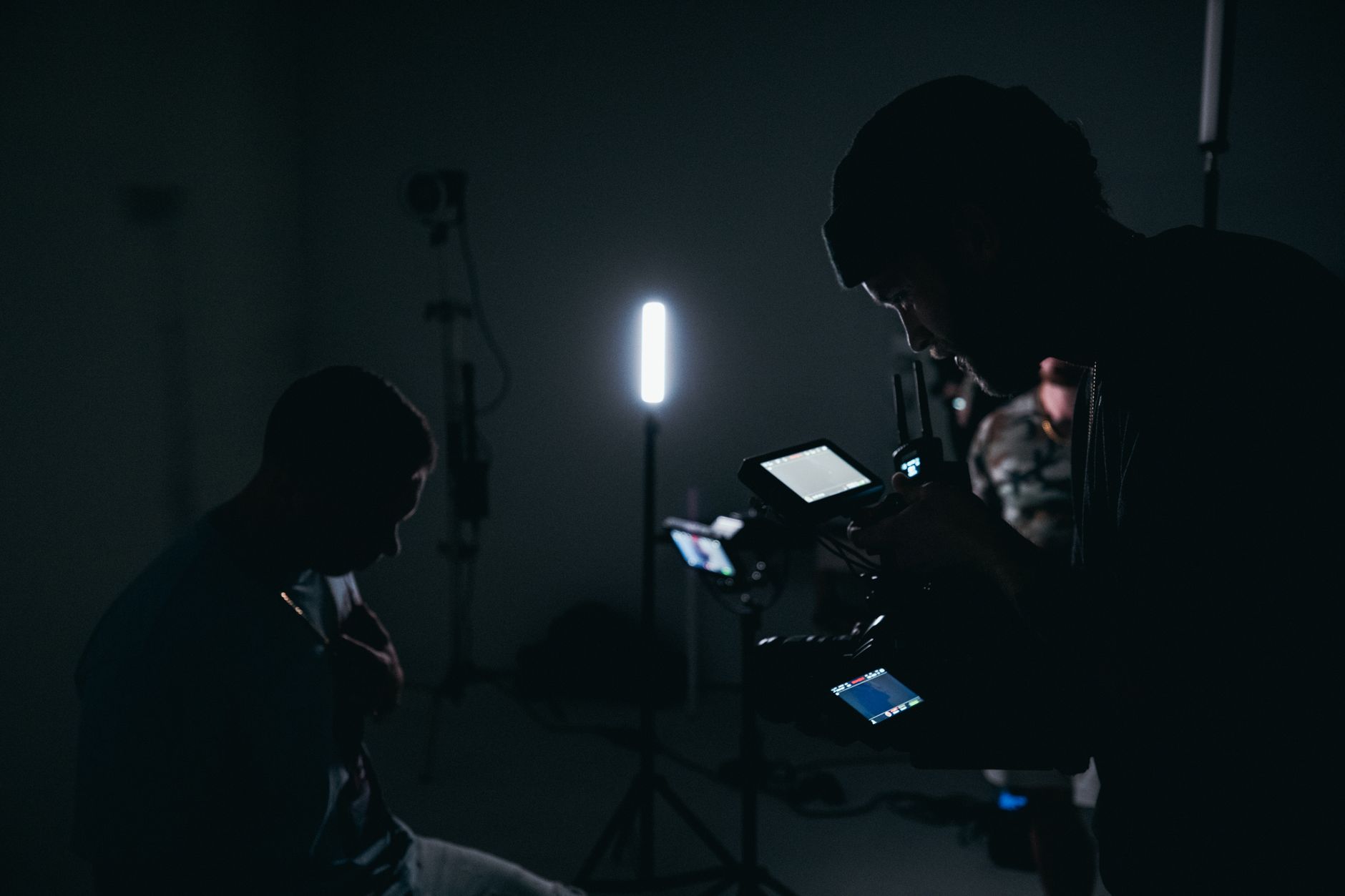
It comes in a small number of formats a creative business already has to hand. Short video clips filmed on a phone. A photo carousel of a piece at three stages. A caption that explains a decision rather than only naming a price. A timelapse of a slow process compressed into thirty seconds. None of it needs a production budget, which is part of why it suits a small operation so well. The raw material for it already exists on the workshop floor every single day. The only new habit is picking up the phone before wiping the clay off your hands.
Does Behind-the-Scenes Content Work?
Yes, and the reason is not that people simply enjoy watching someone work, though many do. It works because it supplies something a finished product cannot supply on its own: visible proof that the making was real, considered and done by a person rather than assembled somewhere unseen. Consumers are increasingly asking businesses to show that proof across every point of contact rather than take a claim at face value, a shift EMARKETER's 2026 research on authenticity describes directly. A photograph of the finished bowl is a claim. A video of the same bowl being thrown, wobbling slightly before it settles, is proof.
This lands harder against the backdrop of what is happening to trust more broadly. Edelman's 2026 Trust Barometer describes a public turning inward and growing warier of institutions and claims it cannot verify for itself, which raises the value of anything a business can show rather than merely assert. A small creative business is unusually well placed here. You are not trying to persuade a sceptical audience with an argument about quality. You are showing them the thing itself, mid-process, and letting them draw their own conclusion. That is a fundamentally easier sell than a claim ever was.
There is also a simple attention story behind it. UK viewing habits keep shifting further towards shorter, more informal video, a pattern Ofcom's 2026 Media Nations report tracks each year, and behind-the-scenes footage is exactly the kind of unpolished, native format that suits that appetite rather than fighting it. Marketing budgets across the UK are moving the same way. Investment in video was revised upwards to a seven-quarter high in the IPA Bellwether Report for Q2 2026, which tells you where the wider industry sees the return sitting right now. A small business filming its own process on a phone is riding the same current that larger advertisers are paying agencies to chase.

Why Behind-the-Scenes Content Suits a Creative Business
Every category of marketing content has a natural home, and behind-the-scenes work has found its truest one in creative businesses specifically, for a reason that goes beyond novelty. A creative business sells a story of transformation, raw material becoming a finished object through a skill the buyer does not have themselves. Showing that transformation is not a marketing add-on. It is the product's own most compelling advert, because it demonstrates the exact thing the buyer is paying for: judgement, hands, time.
There is a durable principle behind why this compounds rather than fading after a few posts. A recurring visual world, the same workshop, the same light through the same window, the same hands doing the same careful motions, becomes something a customer starts to recognise instantly, the way they would recognise a familiar face. Repeating that world consistently, rather than reinventing it every month, is what turns a stream of clips into a recognisable presence rather than a scattering of unconnected content. The workshop itself becomes a kind of signature, and a signature is worth more the longer it stays consistent.
It also carries the audience rather than arguing at them. A caption that lists features rarely earns a second look. A short clip of a mistake being fixed, a piece cracking in the kiln and the maker's honest reaction to it, holds attention because it is a small story with a beginning and an outcome, not a pitch. The commercial message rides inside that story, without needing to be stated. This is precisely the kind of content that does the persuading by entertaining rather than by asserting, and a creative business, with its hands, its materials and its daily small dramas, has more of this raw material sitting around unfilmed than almost any other type of business.

What to Show, and What to Keep Behind the Curtain
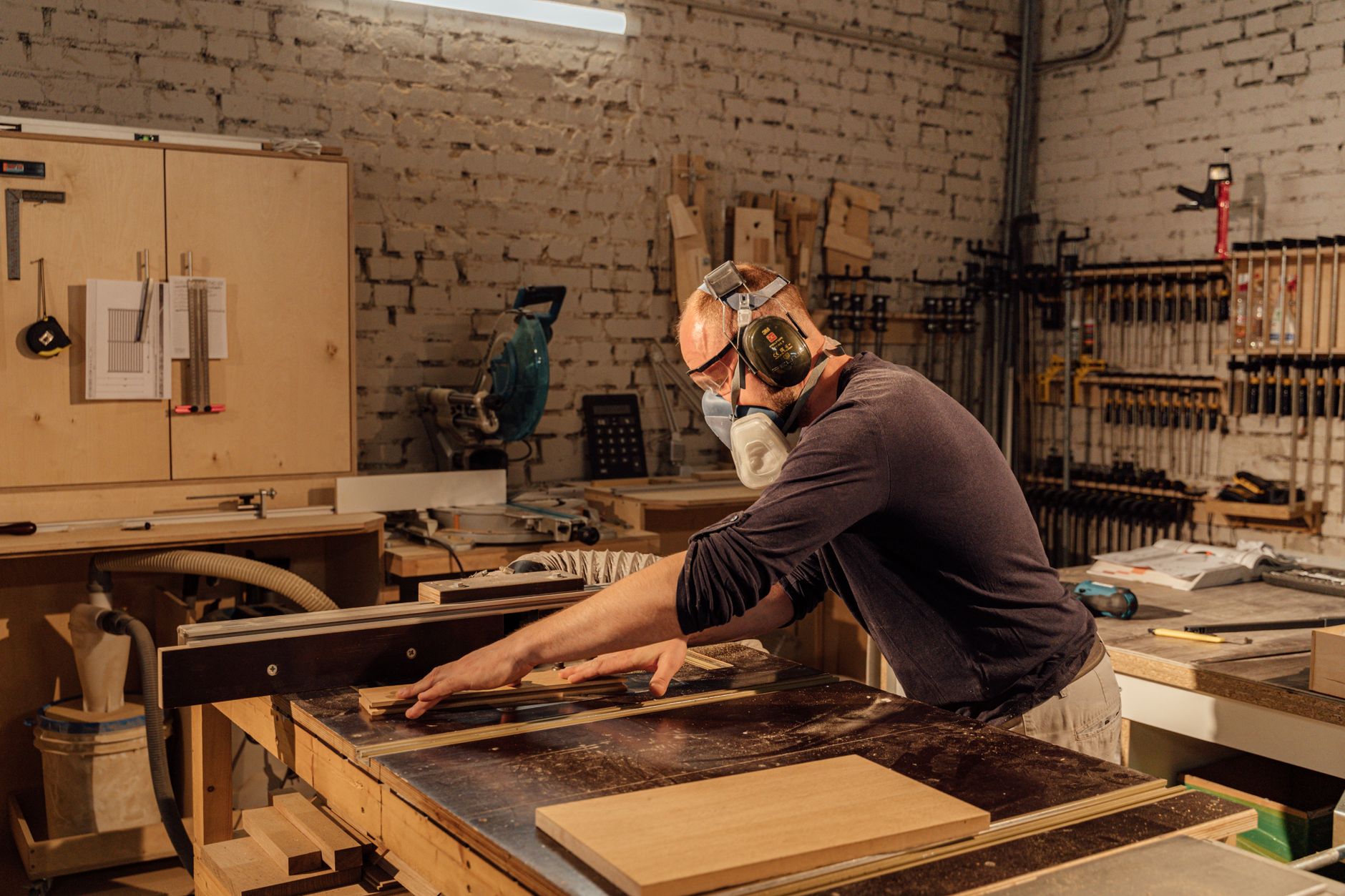
Not every corner of a workshop deserves a camera. The instinct, once you start filming, is to show everything, but showing everything is not the same as showing what matters. The useful question is not "what is happening in my workshop today" but "what is the thing about how I work that a buyer could not get from anyone else". If two furniture makers use the same wood and the same joints, but one spends an extra afternoon hand-finishing every edge by candlelight of patience rather than machine, that extra afternoon is the story worth filming, over and over, because it is the actual reason to choose that maker over the other. Content that shows a process any competitor could equally film teaches a customer nothing about why you specifically deserve the commission.
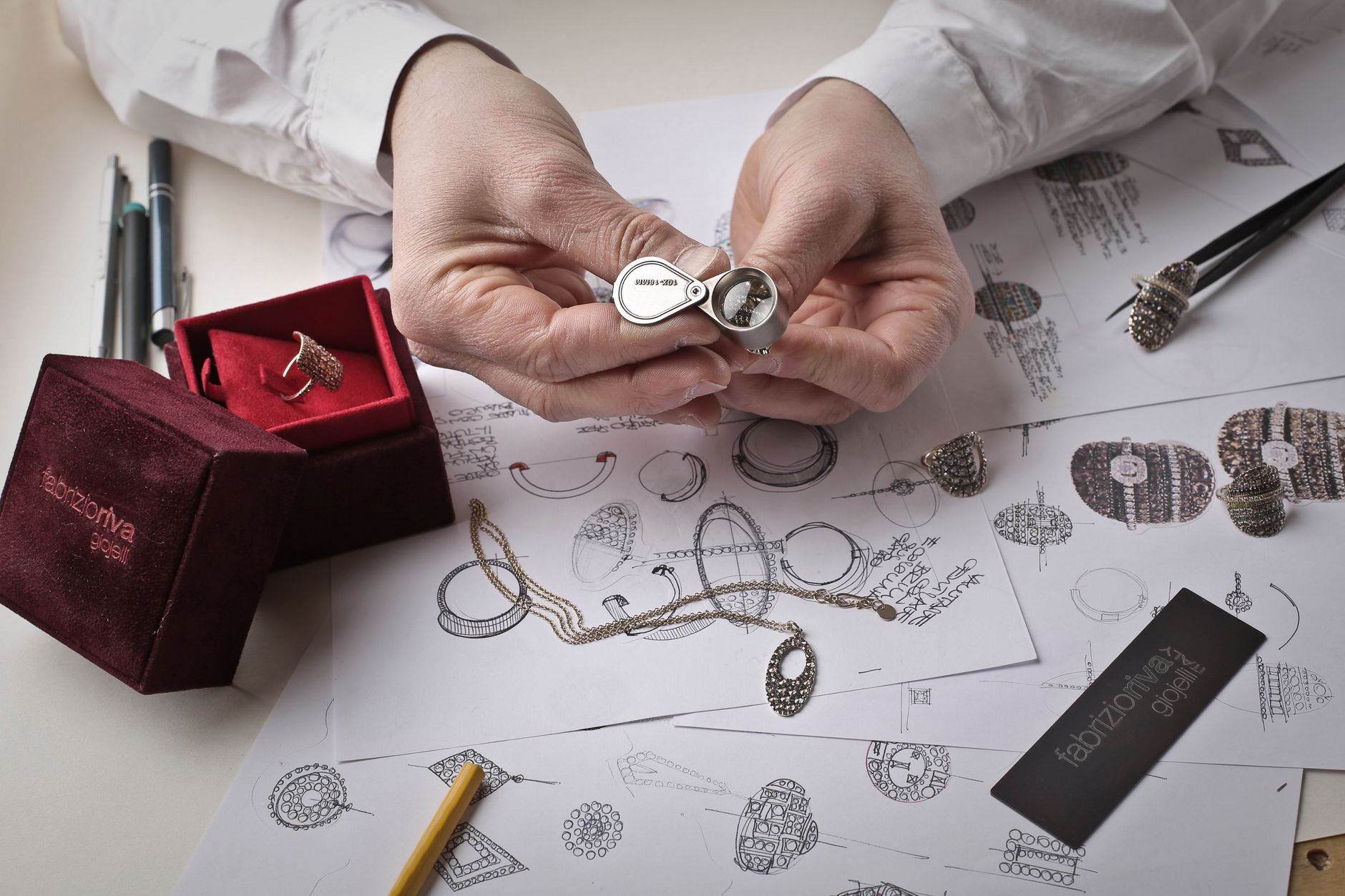
Picture a small jewellery workshop we will call Elm & Ore, an illustrative example built to make the point concrete. Elm & Ore could film anything happening on any given day, packaging, admin, a supplier call, the kettle boiling. Almost none of that is worth an audience's time. What is worth it is the moment a ring is hand-set under a loupe, the fine adjustment nobody would notice unless it was pointed out, and the maker explaining in one sentence why that adjustment matters. Filmed weekly, that single repeated moment becomes the thing Elm & Ore is known for, rather than a scrapbook of unrelated daily life.
The same logic decides what to keep behind the curtain. Genuine quality problems mid-resolution, a supplier dispute, a piece that is being reworked because it fell short, none of that belongs on camera while it is unresolved, because showing it before it is fixed damages the very trust the content is meant to build. Proprietary techniques you have spent years developing are also worth guarding rather than teaching to every competitor watching. The rule of thumb is straightforward. Show the craft that proves your judgement. Keep the parts that are still in progress, still going wrong, or genuinely yours to protect.
How Behind-the-Scenes Content Builds Trust When Budgets Are Tight
Behind-the-scenes content earns a place in a small creative business's plan for a reason that goes beyond taste. It is cheap at the exact moment cheap matters most. Marketing spend across the UK has been rising overall, with a net balance of businesses reporting an increase in the IPA Bellwether Report for Q1 2026 and a further net expansion recorded again in the Q2 2026 report from LBBOnline, and main media advertising specifically grew again through the same period, according to New Digital Age's coverage of that Q2 data. That headline growth sits alongside a quieter, less comfortable story underneath it. A meaningful share of businesses trimmed their spending over the same period, leaving a net reduction reported in that same Q2 Bellwether data, and financial confidence among UK firms softened further, with more businesses reporting a gloomier outlook than an optimistic one according to New Digital Age's reporting on the underlying panel data.
Read those two threads together and the picture for a small creative business becomes clear. Aggregate spend is rising, largely on the back of businesses that can afford to grow their budgets, while a real slice of businesses are cutting back and feeling less certain about the months ahead. A small workshop sits far more often in the second group than the first. Behind-the-scenes content is one of the only marketing levers that does not care which group you are in, because it costs a phone you already own and time you are already spending at the bench. It converts hours you were going to work anyway into proof a nervous, trust-poor market is actively looking for. When budgets are the constraint, the content that costs nothing but attention becomes the content worth prioritising.

How to Start Showing Your Process, Without Overexposing It
Starting does not require a plan with twelve steps. It requires a habit and a small amount of restraint.
- Pick one recurring moment, not everything. Choose the single stage of your process that says the most about your craft, and film that stage every time rather than whatever happens to be nearby.
- Film short and film often. A fifteen-second clip you post weekly builds far more recognition than a five-minute film you post twice a year. Consistency of a recurring visual world is what makes a workshop recognisable, and recognition needs repetition to take hold.
- Narrate briefly, in your own words. One sentence explaining why a step matters turns a pretty clip into a piece of proof. Silence leaves the viewer guessing.
- Show a genuine mistake occasionally. A crack, a redo, a piece that did not survive the kiln, handled, does more for trust than a run of flawless clips ever will.
- Let customers react, and use what they say. A customer's genuine surprise on collection day, filmed with their permission, sits close to the territory our guide to user-generated content covers in more depth, and the two work well side by side.
- Tie it back to the story you want to be known for. Behind-the-scenes footage lands hardest when it connects to the wider account of who you are and why you make things the way you do, which is exactly what our guide to brand story sets out how to build.
None of these steps needs new equipment. What they need is the decision to reach for the camera at the moment you would normally put it down.
Common Mistakes with Behind-the-Scenes Content
The first mistake is oversharing, filming everything indiscriminately until the feed becomes noise rather than proof, and the audience stops paying attention to any of it. The second is inconsistency, one enthusiastic burst of filming followed by months of silence, which forfeits the recognition that only builds through repetition. A workshop the audience saw once and then never again is a workshop they forget.
The third mistake is drifting away from the thing that differentiates you, showing generic process footage that any competitor in your trade could equally film, rather than the specific detail that is genuinely yours. Content like that fills a feed without building a reason to choose you over anyone else doing similar work. The fourth is treating behind-the-scenes content as a performance rather than a record, staging a mistake for effect or dramatising a step that is normally routine, which an audience senses quickly and trusts less for having sensed it. The fifth is filming with no context at all, a clip with no caption and no reason attached, leaving the viewer with footage but no story to hold onto. Behind-the-scenes content works because it is real. Every one of these mistakes chips away at that realness, which is the entire asset you were trying to build.