What I Mean When I Say Taste Is the New Scarcity
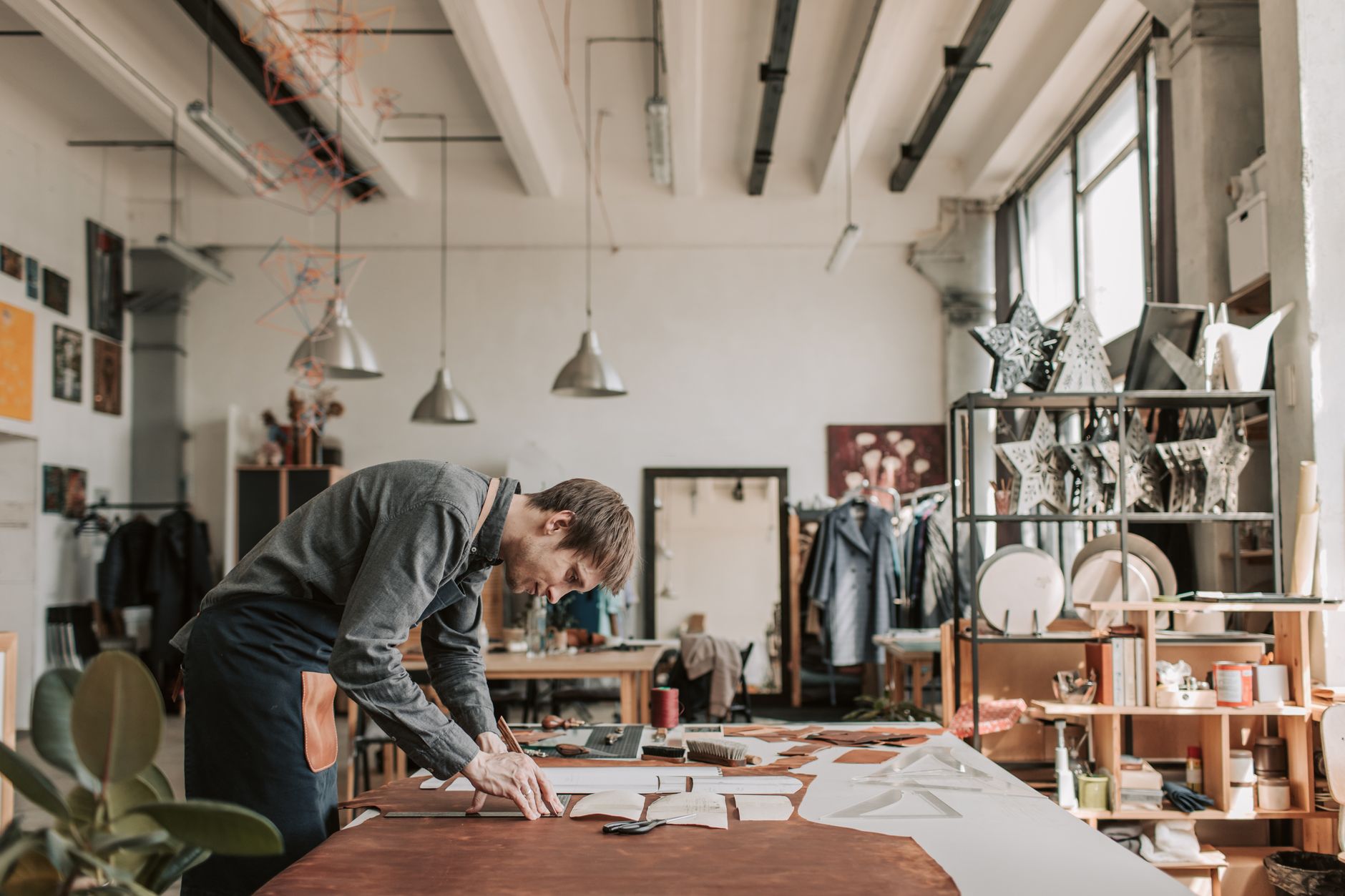
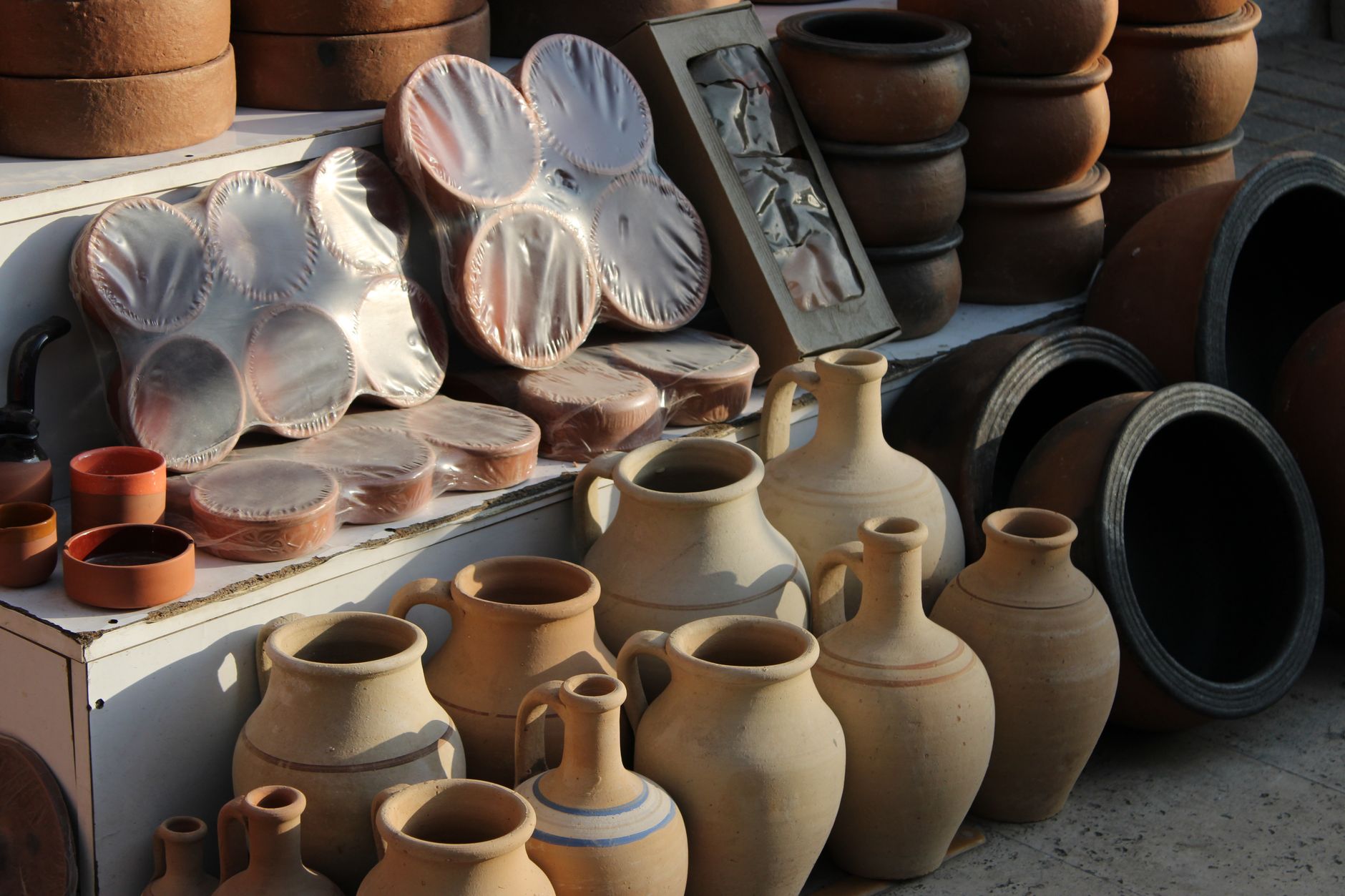
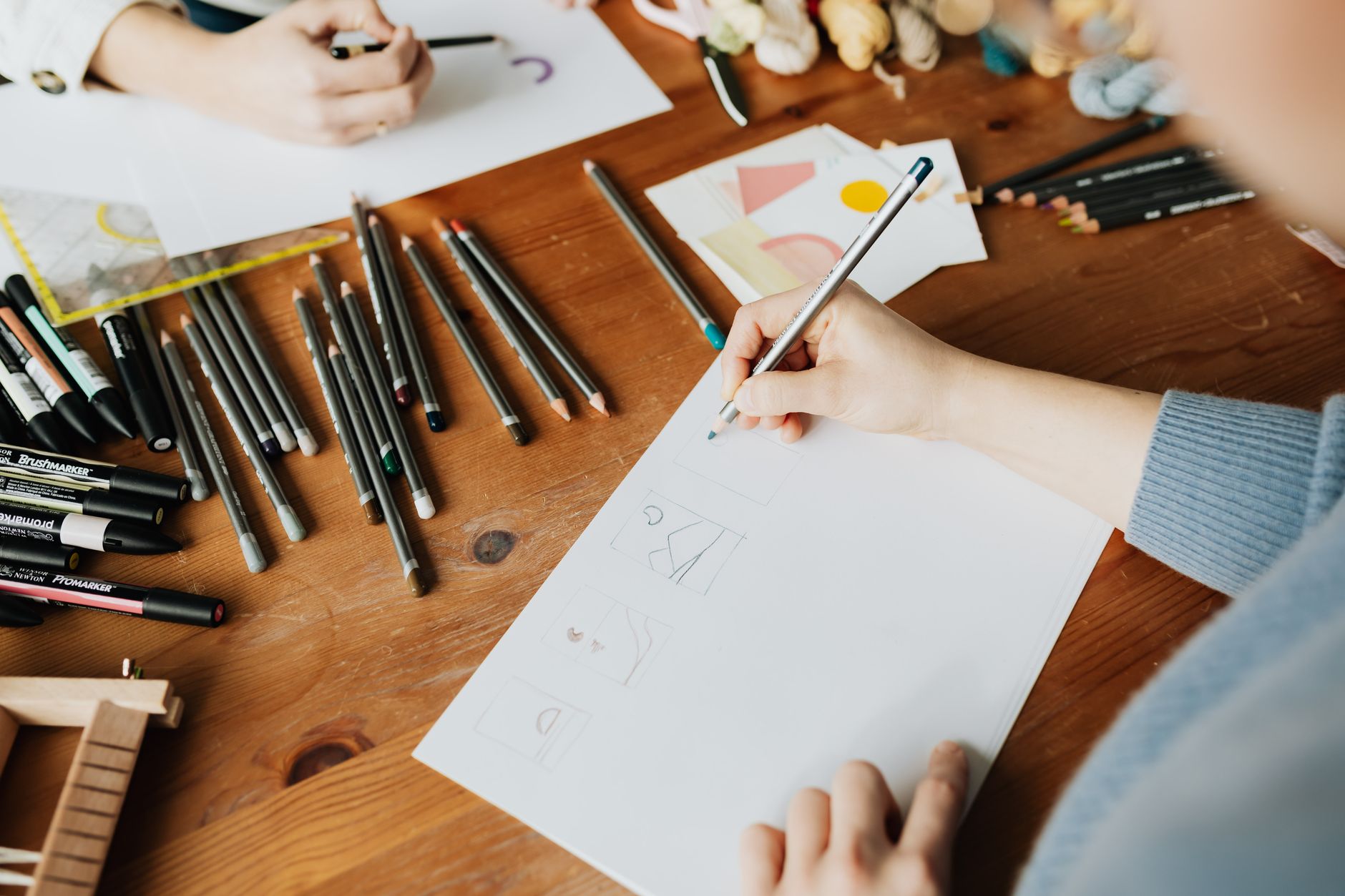
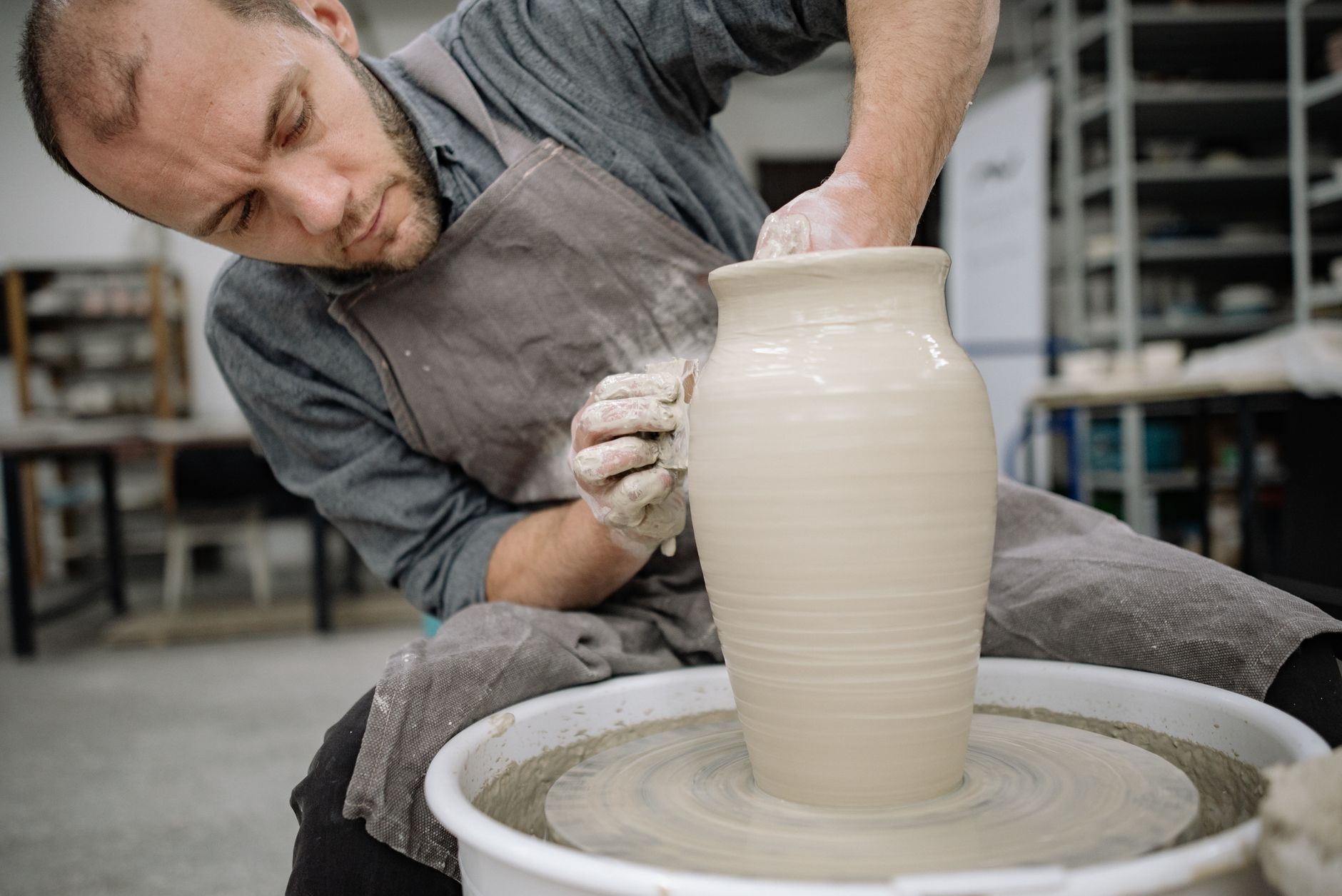
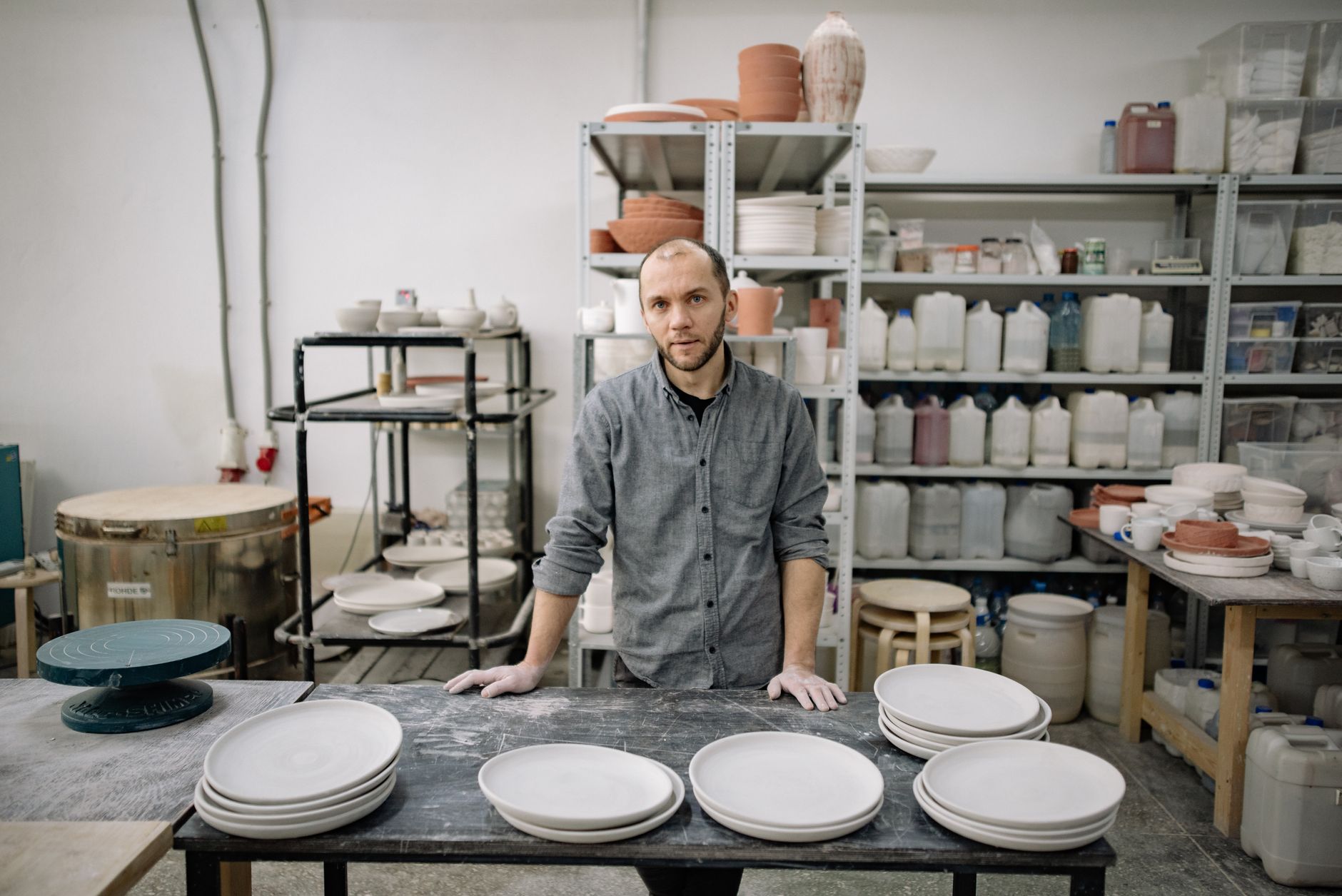
Let me be precise about the word, because it gets thrown around loosely. Taste, as I mean it here, is not a feeling or a flair for pretty things. It is the accumulated judgement that tells a creative person what to keep, what to cut, and what to say no to. A potter with taste knows which glaze to abandon halfway through a batch because it is competent but forgettable. A designer with taste knows which client brief to push back on because the safe answer will blend into every other safe answer in the market. Taste is a filter, applied consistently, over years, until the output of a business becomes recognisably itself rather than recognisably adequate.
For most of my career this filter was rare because the raw material it worked on was rare too. Good photography took a trained eye and expensive kit. A well-written page took a professional writer's afternoon. A passable logo took a designer's day rate. Scarcity of production meant that competent output alone carried value, because not everyone could produce it. Taste was a nice extra on top of a genuinely scarce skill.
That order has reversed. Production is now nearly free. A prompt produces a photo-realistic image in seconds. A model drafts a thousand words of clean, correctly punctuated copy before your coffee goes cold. What used to separate a professional creative business from an amateur one, the sheer ability to produce competent work, no longer separates anyone from anyone. The differences that remain are all upstream of production. They live in the choosing, not the making. That is why I say taste is the new scarcity. It is the one part of the creative process that a model cannot do for you, because taste requires having a stake in the outcome, and a model has none.

The Old Scarcity Has Gone
I want to sit with how fast this has moved, because I do not think most creative business owners have fully registered it. AI adoption inside businesses is no longer a frontier behaviour. Seventy-eight percent of organisations now report using AI in at least one business function, according to McKinsey's State of AI research. That is not a statistic about big technology companies experimenting on the edges. That is most organisations, doing most kinds of work, with a tool that produces competent creative output on demand. If seventy-eight percent of businesses have access to a tool that writes captions, drafts briefs, generates mock-ups and edits photographs, then competent output has stopped being a competitive advantage for anyone, because your competitor down the street has the same tool open in another tab.
I think of an illustrator I know in Bristol who spent a decade building a business on being reliably good, turnaround, colour accuracy, a clean line, work delivered on time. For years, being reliably good was the whole pitch, and it was enough, because reliably good was rare. Today a small business owner with no drawing skill at all can generate a competent illustration in the same house style in under a minute, for nothing. Her reliability has not become worthless. It has become table stakes, the floor everyone starts from rather than the ceiling she used to sell. The scarcity she built her business on is gone, and no amount of getting better at the same thing brings it back, because the thing itself is no longer rare.

Why People Already Distrust What the Machines Make
Here is the part that surprised me when I first read it, because I expected the opposite. You would think that as AI content became normal, people would simply get used to it and stop noticing. The evidence says the reverse is happening. Trust is falling as the volume rises, not adjusting to it. Over half of consumers, fifty-three percent, say they do not trust the information returned by AI-powered search results, according to Gartner's 2025 consumer survey. People are using these tools constantly and trusting what comes out of them less with every use, which tells you the discomfort is not a passing adjustment period. It looks structural.
The discomfort extends past the search box and lands directly on brands. Fifty-five percent of audiences say they are uncomfortable with the way brands use AI in their content and advertising, Forbes reported, a figure that should stop any creative business owner mid-scroll. More than half of the people you are trying to reach are already primed to flinch at the smell of a machine behind your work. That flinch is not fair to the businesses using AI thoughtfully, but it is real, and it does not care whether your use of the tool was tasteful or lazy. The suspicion attaches to the category, and you inherit it unless your work is distinctive enough to be read as unmistakably yours.
It gets worse for the specific currency creative businesses rely on most, proof. A recent study found that AI-generated fake product reviews are now effectively indistinguishable from genuine human reviews, to people and to automated detectors alike, according to research published via arXiv. Think about what that does to the whole system of social proof a creative business has depended on for a decade. If a five-star review can be fabricated at scale and nobody, not even a machine built to catch it, can tell the difference, then the review itself stops carrying the weight it once did. The mechanism that used to let a small creative business borrow trust from its past customers is being eroded from underneath, at exactly the moment machine-made content is flooding every channel. Proof needs to work harder to mean anything, because the cheap version of proof has been counterfeited into meaninglessness.

Competence Got Commoditised. Judgement Got Precious.
Put those two threads together, adoption at seventy-eight percent and rising distrust, and you get the actual shape of the problem a creative business is facing. Everyone has the tool. Almost nobody trusts what the tool alone produces. That gap between having the capability and having people believe in what you make with it is where the real business now lives, and it is a gap that pure production speed cannot close.
McKinsey's own research on this points at exactly this gap, noting that of the vast majority of organisations now using AI in some capacity, only a small minority have scaled it into anything that captures material value, the same State of AI work finds. Having the tool is common. Using it in a way that produces something worth paying for is not. That difference is judgement, applied at the point of choosing what the tool should make, what to reject, and what a human needs to add before the output is fit to put your name on. A creative business that treats AI as a replacement for judgement will produce the same forgettable output as everyone else who made the same mistake. A creative business that treats it as a tool a taste-driven human directs will produce work nobody else in their market can produce, because the direction is the part a machine cannot supply on its own.
I want to be honest about what this means for the word skill, because it is changing under our feet. For most of my career, skill meant the ability to execute, the steady hand, the trained eye, the years of practice that let a professional do something an amateur could not. Execution is now available to the amateur too, instantly. What remains scarce is the judgement about what is worth executing at all, and that judgement was never taught the way execution was, because until now it was never the bottleneck.
Taste Is a Craft You Build
I do not think taste is a gift some creative people are born with and others are not. I think it is a craft, built the same way any craft is built, through repetition, feedback and the willingness to say no far more often than you say yes. A photographer with real taste has taken thousands of shots she never showed anyone, and the discipline that separates her from an AI image generator is not that she can produce an image. A generator can do that faster. It is that she knows, on sight, which of a hundred competent images is the one worth showing, and she has built that knowing over years of shooting, discarding and shooting again.
This is a craft you can build deliberately, the way you would build any other. You build it by looking at more work than you make, by studying what the businesses you admire chose not to do as closely as what they did, and by protecting the handful of things that make your output recognisably yours rather than adjusting them every time a trend passes through. A tone of voice held for years. A colour palette you refuse to chase fashion away from. A way of framing a photograph that a regular customer would recognise blind, with your name covered. These are not decoration. They are the compounding asset that a machine, which has no memory of its own choices and no stake in being recognised, cannot build on your behalf. It can only be told to imitate what you have already decided, which is precisely why the deciding is now the valuable part of the job. If you want to see how this same principle looks when the flood is content volume rather than creative judgement specifically, our piece on standing out when AI content is free goes further into the mechanics of that flood.
How Growing Brands Put Taste to Work
There is a reason this matters for growth and not only for pride in the work. Businesses grow by being easy to recognise and easy to recall at the exact moment someone needs what they sell, and that recognition is built through consistent, distinctive choices repeated over years rather than through clever one-off campaigns. A creative business with real taste is, whether it knows it or not, running exactly this play. Every glaze a potter rejects, every crop a photographer chooses, every colour a designer refuses to swap out for the season's trend, adds another repetition to the pattern that makes the business recognisable. That repetition is what turns a name into a reflex in a customer's mind, and it is worth more than any single piece of output, however good.
This is precisely where the seventy-eight percent adoption figure cuts against the businesses that misuse it. A creative business that lets a generator make its choices ends up with output that looks like everyone else's output, because a tool trained on the average of everything tends to produce the average of everything. There is no distinctive asset being built there, no recognisable choice repeated over time, a rotating supply of competent sameness. Meanwhile the business exercising real taste, rejecting nine ideas for every one it keeps, is compounding the very asset that determines who gets remembered when the buying moment arrives. Distrust in machine-made search results, that fifty-three percent figure from Gartner, only strengthens this. When people trust an algorithm's summary less, they fall back on names they already recognise and trust directly, which rewards exactly the businesses that have spent years building that recognition through consistent taste rather than volume.
A Ceramicist in Cornwall, and What Good Taste Looks Like in Practice
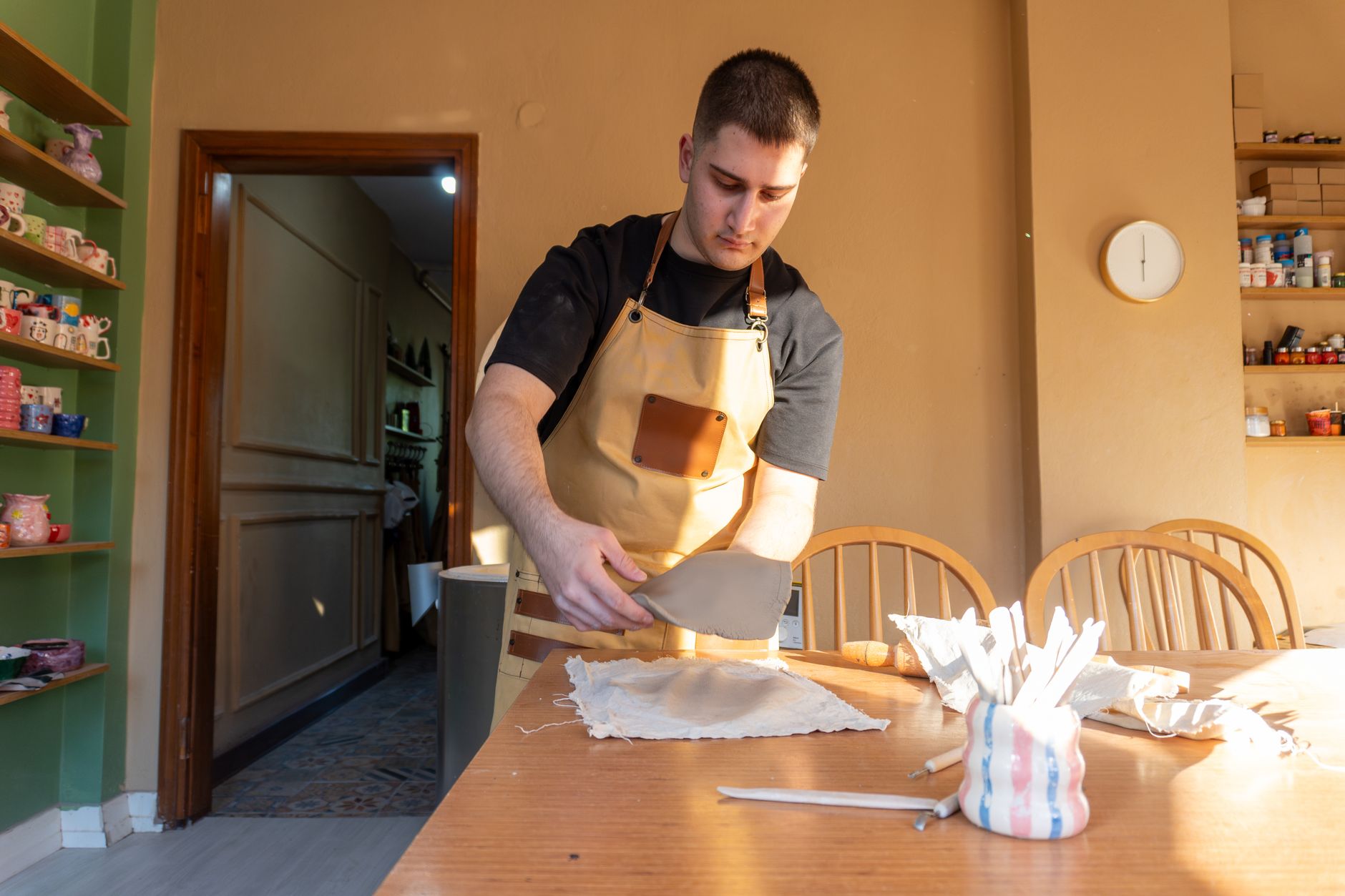
Let me make this concrete, because the argument only earns its place if I can point at a real business living it. I know a ceramicist working from a small studio near Falmouth who makes tableware for independent restaurants and a handful of loyal home customers. For years her marketing was word of mouth and the odd craft fair. When AI image tools arrived, the obvious temptation was to generate a flood of polished lifestyle shots of her mugs on tables she has never set, in kitchens she has never stood in, and post them daily to fill the feed the way half her competitors now do.
She did not do that. What she does instead is photograph the actual failures, the glaze that cracked in the kiln, the batch she scrapped, alongside the one piece from that batch that survived and taught her something. She writes two or three honest sentences about why she kept the one and binned the rest. It is slower than generating content, and it produces far less of it. It is also unmistakably hers, because the choosing is the whole story, and no generator has stood in her kiln room deciding which of forty mugs deserved to be sold. Her customers, restaurant owners who need to trust that what arrives on the delivery van will hold up under a busy Friday service, respond to that visible judgement more than they would to a flawless render, precisely because a flawless render is now something anyone can produce for nothing. Her taste is the product as much as the mug is.
The Businesses That Will Drown, and the Ones That Will Rise
Two paths open from here for a creative business, and the fork between them is exactly the judgement I have been describing. One business sees that AI can produce competent creative work for nothing and treats that as licence to produce ten times as much of it, filling every channel with generated variations that all look like a slightly different version of the same average idea. That business will find, as the fifty-five percent Forbes figure on audience discomfort with brand AI use suggests, that more of its audience notices and recoils rather than engages, and that its output drowns in a market already saturated with the exact same competent sameness from every other business that made the same choice.
The other business uses the same tool to do the parts of the job that never needed a human hand, generating a first pass, tidying a draft, drafting ten variations to choose from, and then applies the one thing the tool cannot supply, a clear decision about which of those ten is worth showing and why. That business produces less, on purpose. What it does produce carries the weight of a real choice behind it, and in a market where distrust of machine output is already measurable and rising, that weight is what earns attention rather than a flinch. The tool in both businesses' hands is identical. The outcome depends entirely on whether taste sat between the tool and the customer, or whether the tool was simply allowed to speak for the business unfiltered.
What Taste Asks of You, in Practice
None of this stays useful as a philosophy, so let me turn it into something you can do on a Tuesday. First, treat every piece of AI-assisted output as a first draft, never a final one. The discipline is not refusing the tool. It is refusing to let the tool's first answer be the last word, because the first answer is, by definition, the average one, and the average is precisely what is now free and everywhere.
Second, protect the handful of choices that make your work recognisably yours, and resist changing them because a trend passed through. A distinctive colour, a particular way you frame a shot, a phrase you always use, held consistently for years, is worth more to a creative business than a constant stream of fresh but forgettable variety. Consistency is what lets a customer recognise you at a glance, and recognition is what gets you chosen in the moment that matters.
Third, let your proof be real, and let it show the choosing, not only the result. Show the piece you rejected next to the one you kept, and say why. In a climate where fake reviews are reportedly indistinguishable from real ones and where over half of consumers already distrust machine-summarised information, visible, specific, individual judgement is the rarest and most credible thing a small creative business can offer. It cannot be faked at scale, which is exactly what makes it worth something.
This is the belief that the whole of Starlight Tech is built on, and I want to be direct about it here rather than leave it implied. We are building Compass because the research and thinking that used to sit behind an agency's day rate, the part that decides what is worth making and what is worth saying no to, should not be locked away from the person making the work. Compass is designed to handle the parts of marketing that never needed your taste, the scheduling, the research, the first pass at a plan, so that the hours you have left go towards the choosing, which is the part only you can do. The whole point of building it to teach you as you go rather than simply do the work for you is that your judgement is the asset we want to grow, not replace. A tool that did your choosing for you would be taking the one thing from a creative business that a machine should never be allowed to take.
The Decade Taste Decides
For most of my career the creative businesses that struggled were the ones who could not produce enough, fast enough, cheap enough, to compete with bigger budgets. That fight is over, and oddly, everyone won it and lost it at the same time. Production is free now, for you and for every competitor down the street, which means the fight has moved somewhere else entirely, into the choosing. The businesses that will thrive over the next decade are not the ones that generate the most. They are the ones with the discipline to reject nine ideas for every one they keep, to hold their distinctive choices steady while trends churn past them, and to show their customers the real judgement behind the work rather than a flawless output nobody can trust any more anyway. Taste used to be a nice finishing touch on top of a genuinely scarce skill. It has become the skill. The creative business owner who understands that, and builds the discipline of taste the way they once built the discipline of craft, is going to be the one still standing when the flood of average recedes and people go looking, as they always eventually do, for the work that was clearly chosen by someone who cared.