What Is Retail Marketing?
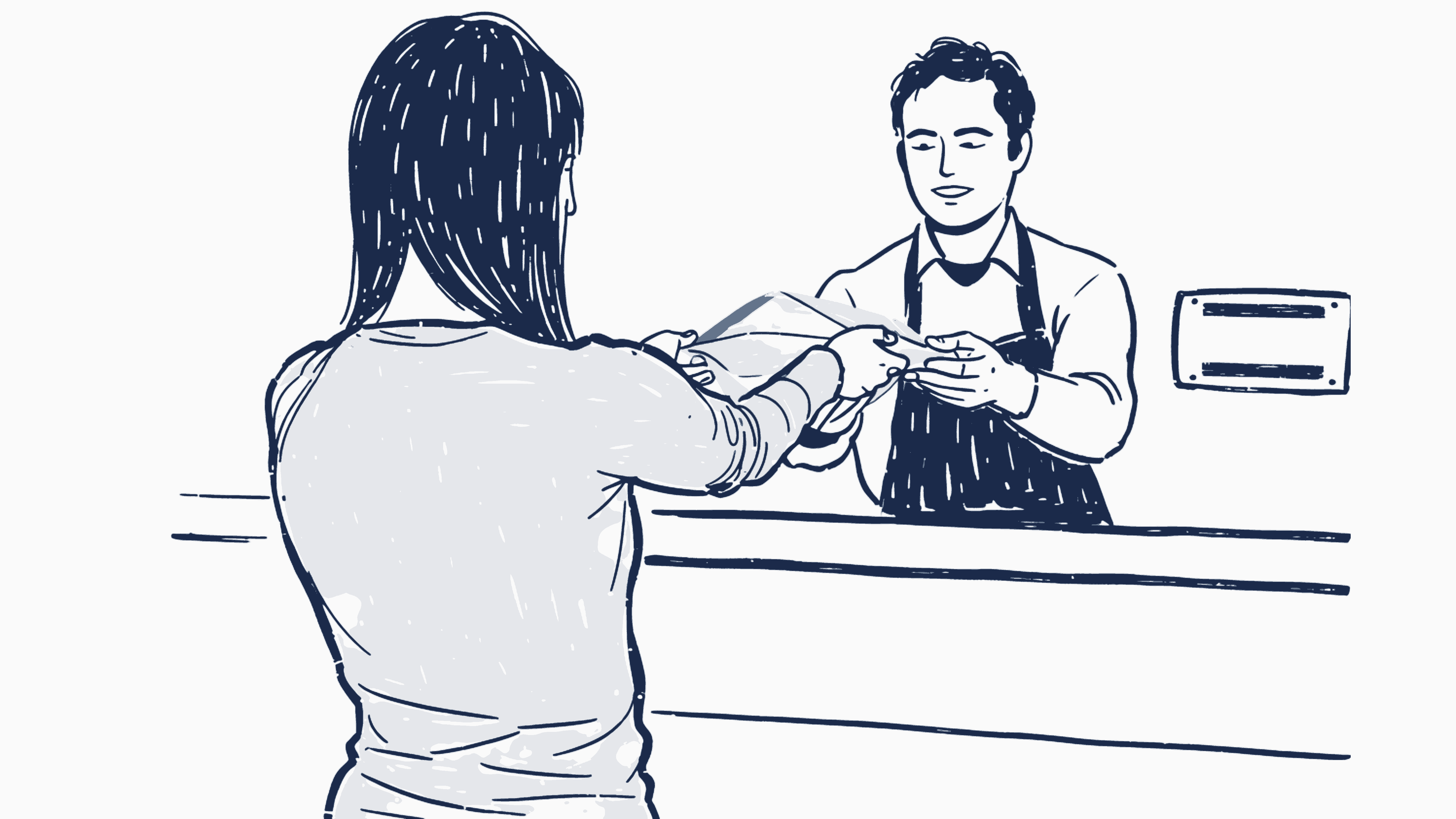
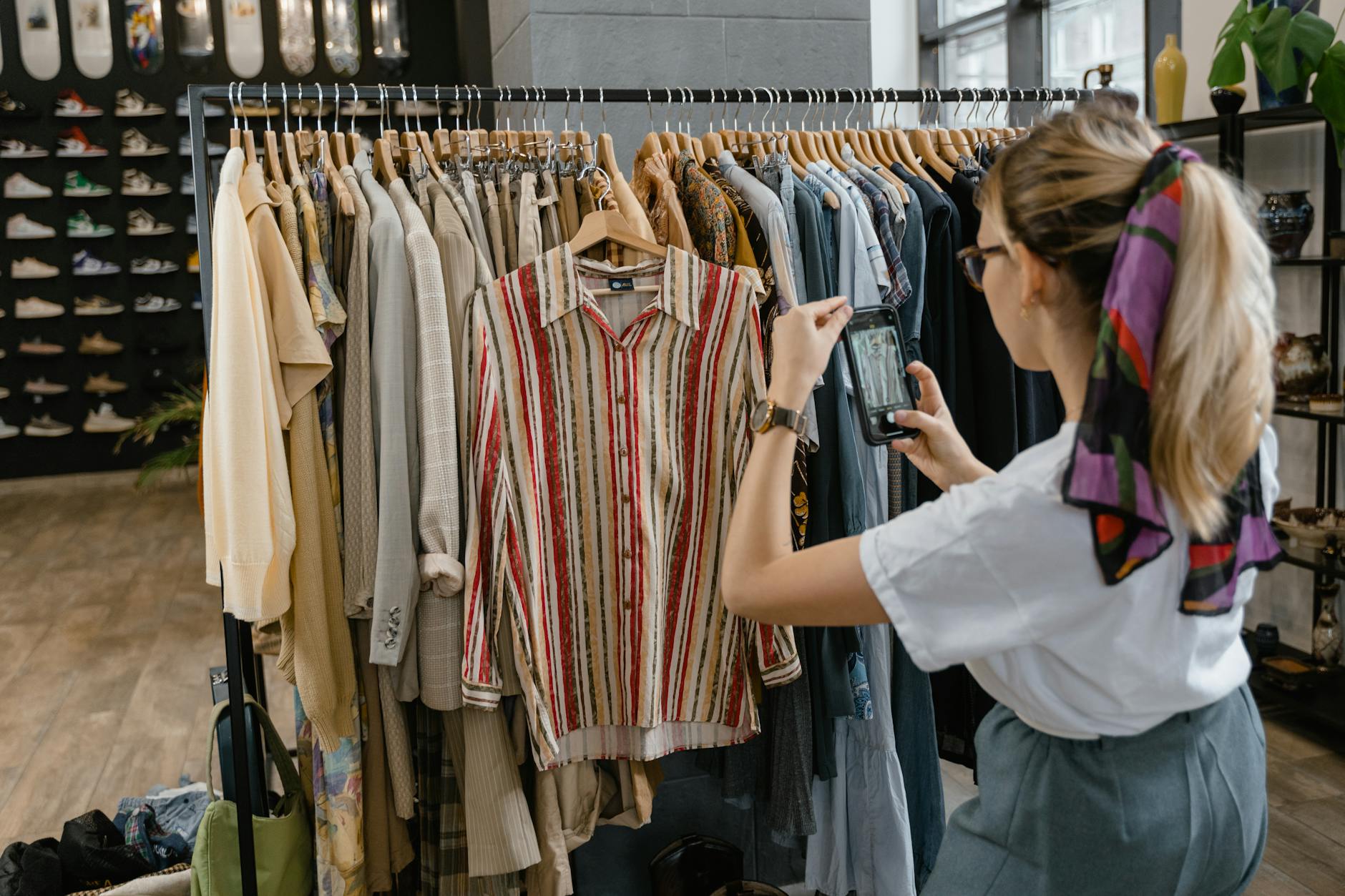
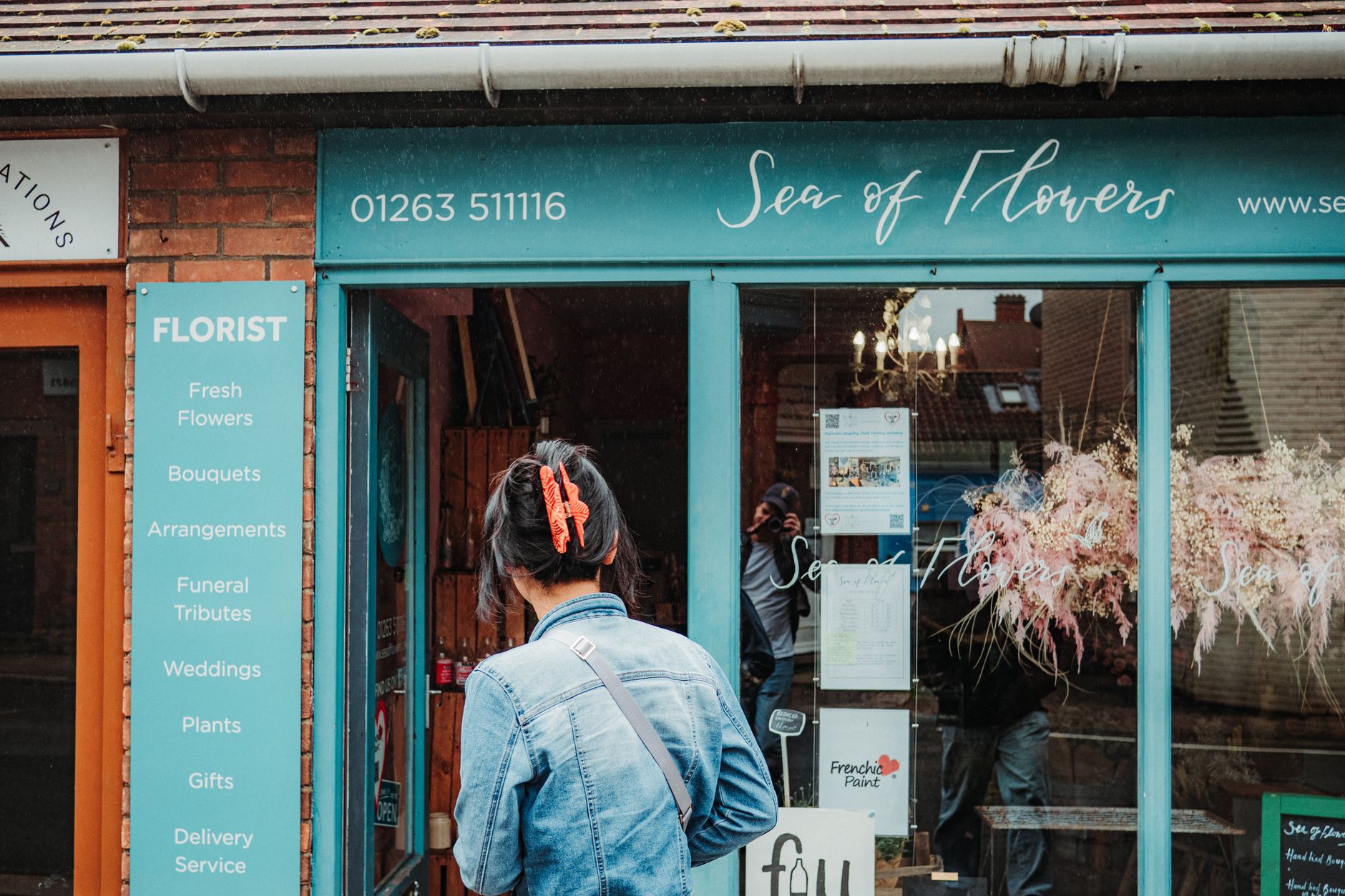
Retail marketing is the set of activities a shop uses to attract the right shoppers, persuade them to buy, and bring them back again, spanning both the physical experience of the shop and the digital presence that surrounds it. In practice that means four things working together. The shop itself, the window that stops someone on the pavement, the layout that guides them once inside, the pricing and signage that make a decision easy. The people, the way staff greet a shopper and remember what they bought last time. The reminders, the emails, social posts and local listings that keep the shop in mind between visits. And the proof, the reviews and word of mouth that tell a stranger the shop is worth trying. None of these four works well in isolation. A beautiful window with no follow-up email loses the shopper the moment they leave, and a well-written email means nothing if the shop itself is confusing to browse. Retail marketing is the discipline of making all four pull in the same direction, so a shopper who notices you once has several reasons to notice you again.

How Is Retail Marketing Different from Ecommerce Marketing?
The overlap is real. Both aim to turn attention into a sale and a sale into a repeat customer, and both rely on clear pricing, honest description and a proof that other people have bought and liked what you sell. The difference sits in where the persuasion happens. Retail marketing does much of its work in physical space, the window, the layout, the till-point chat, the parking and the pavement, while ecommerce marketing does the equivalent work on a screen, the product photography, the checkout flow, the delivery promise and the reviews under the listing.
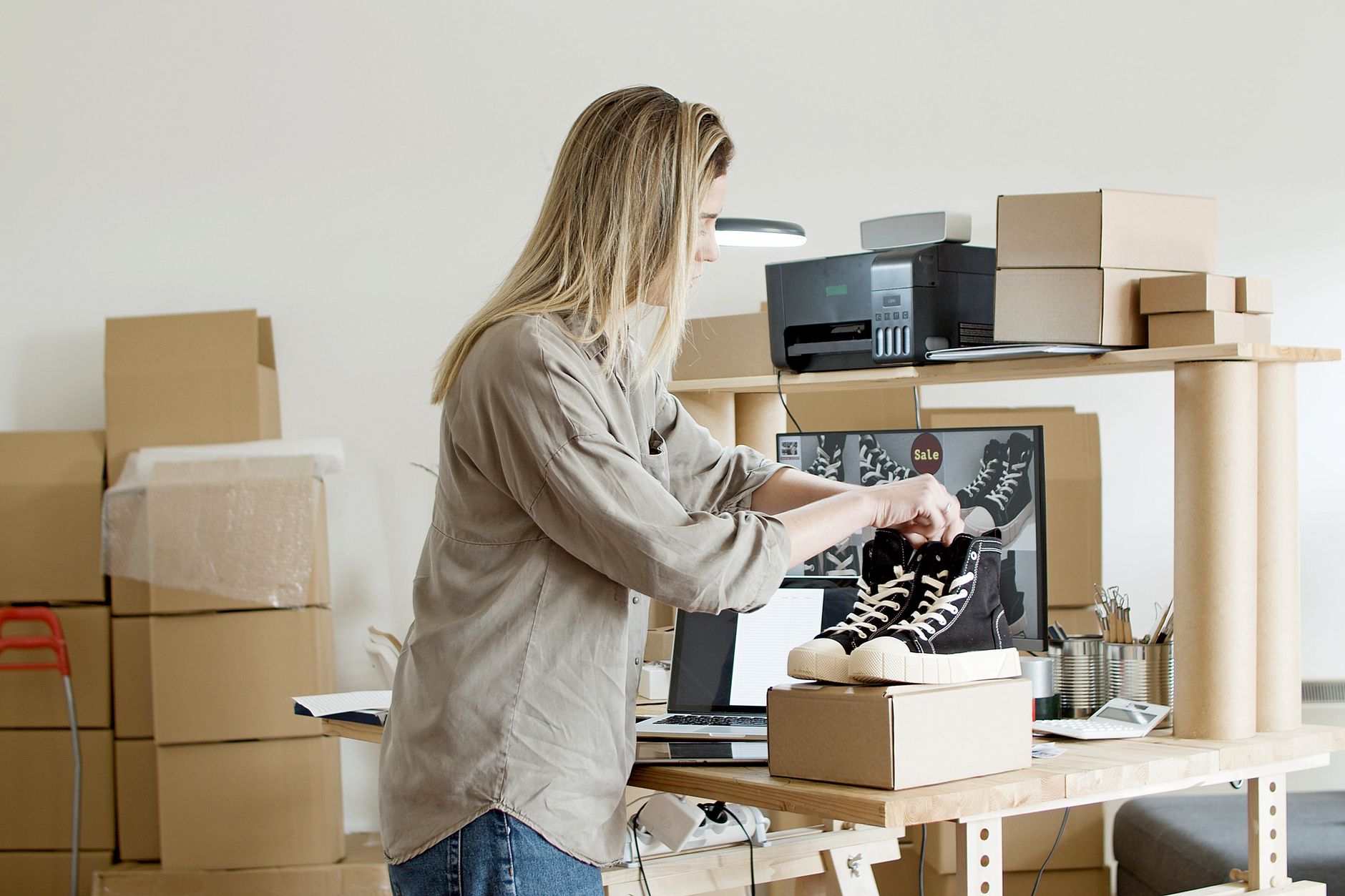
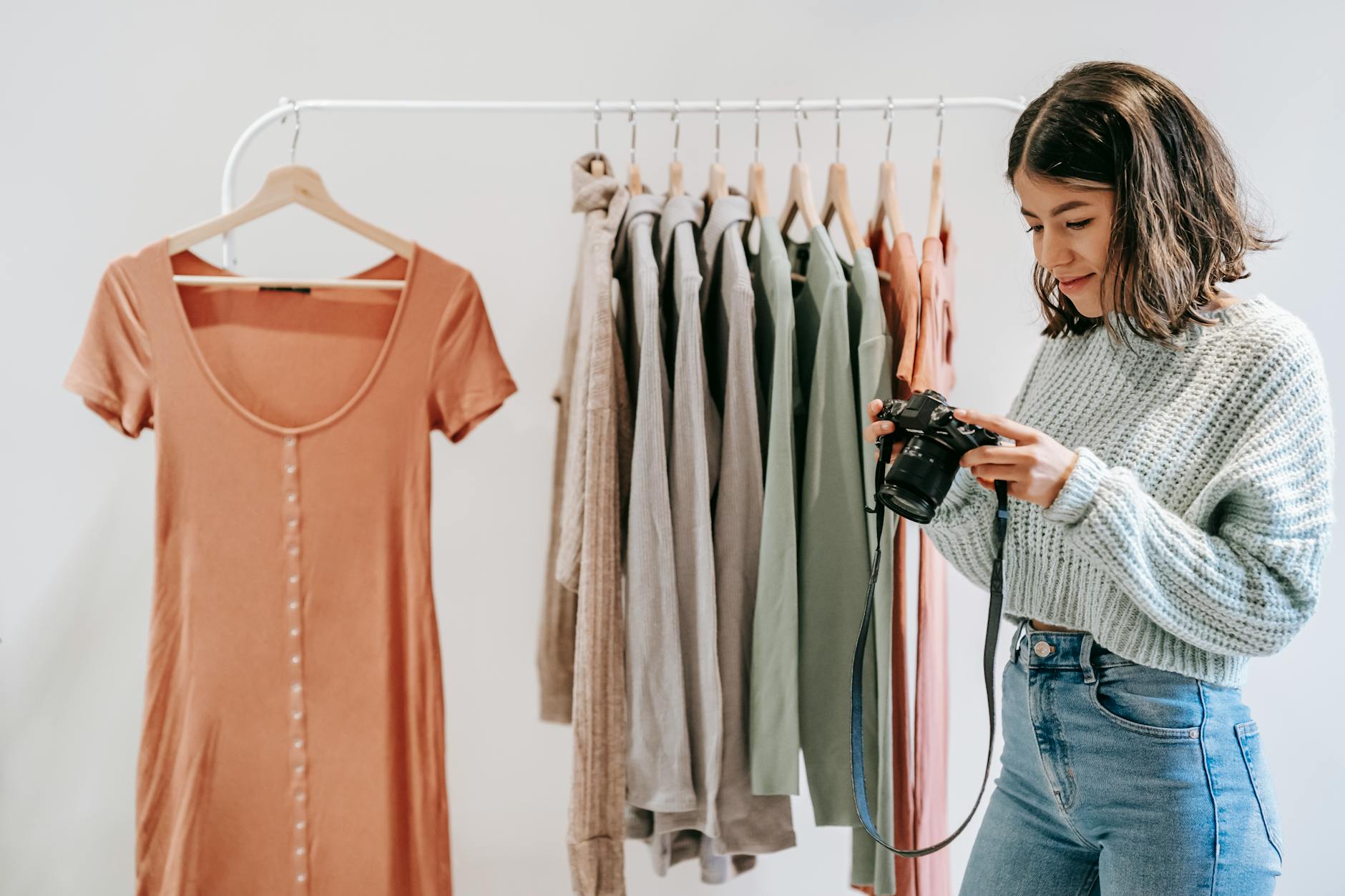
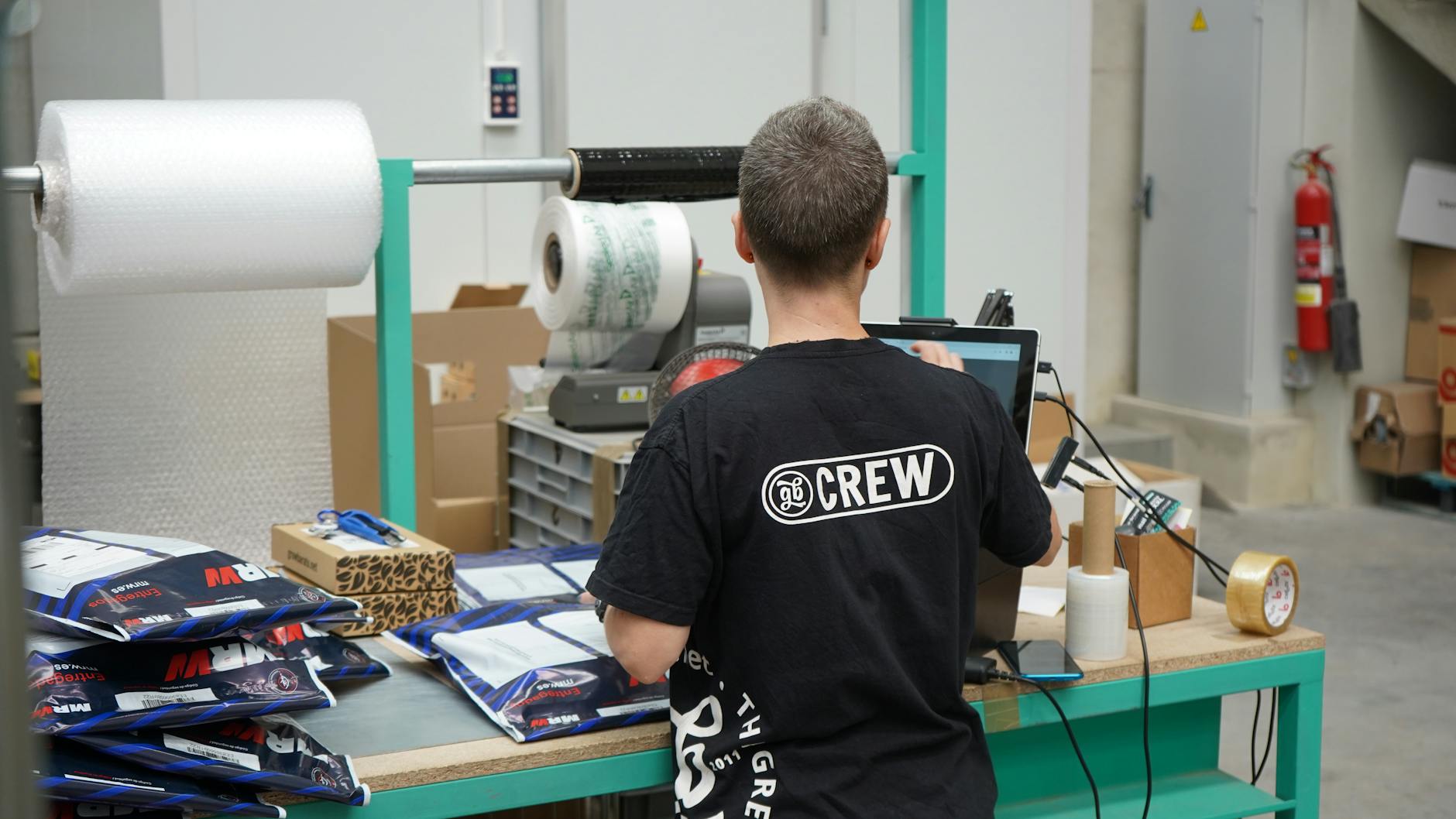
Most independent shops now sit somewhere between the two, and this is the useful part. A shop with a Google Business Profile, an Instagram feed and even a simple online order form for click and collect is already doing ecommerce marketing alongside its retail marketing, whether it labels it that way or not. The UK data shows why neither can be ignored on its own. Online spending values rose by 12.1 percent comparing the three months to February 2026 with the same period the year before, and the online share of retail sales reached 28.2 percent that month, according to the Office for National Statistics. That leaves roughly seven in ten pounds of retail spending still happening through a physical shop, which is the reassurance an independent retailer needs when a marketplace advert makes online look like the whole game. It is not. It is a growing slice of a picture where the shop itself still does most of the work, and the two channels should be built to reinforce each other rather than compete for the same hour of your week. For a shop that also sells through a website or a marketplace, our guide to marketing for retail businesses sets out how the two sides fit together.

Why Retail Marketing Matters for Independent Shops Right Now
The overall market is growing, but unevenly, and that unevenness is exactly where an independent shop's marketing decisions matter most. UK retail sales volumes rose by 1.2 percent over the month in May 2026 and were 3.2 percent higher than a year earlier, and the Office for National Statistics reported the same bulletin also showing volumes still 0.4 percent below their pre-pandemic level from February 2020. Read together, those two figures say something specific. The market has recovered most, but not all, of the ground it lost, and the recovery is not evenly spread across every shop on every high street. Some of that recovered spending is landing on the shops that stayed visible through the quiet years and some of it is not.
The shape of that recovery has been lumpy rather than smooth, which matters for how you plan. Sales volumes rose 1.8 percent in January 2026, the largest monthly rise since May 2024, taking the annual increase to 4.5 percent, per the same ONS bulletin. Then in April 2026, sales fell by 1.3 percent, the largest monthly fall since May 2025, as the ONS reported. A shop that only shows up during the good months and goes quiet the rest of the time is riding that volatility rather than smoothing it out. A shop with a steady, ongoing marketing presence is better placed to catch the swings up and cushion the swings down, because shoppers already know where to find it when spending picks up again.

How Shoppers Decide Whether to Buy From You
Not every shopper who walks past your window is ready to buy, and treating them as if they were is where a lot of independent shop marketing goes wrong. Some people walking down the street have not yet realised they need what you sell, the birthday gift they have not thought about, the coat they did not know was worn through until they saw a better one. Others already know they have a need but have not decided how to meet it, and still others know exactly what they want and are comparing three shops before they choose one.
Each of these shoppers needs something different from you. The person who does not yet know they need a gift responds to an inviting window that plants the idea, not a hard sell on a specific product. The person comparing shops responds to specifics, your price, your stock, what makes you different from the shop two doors down. The person who has already decided to buy from somewhere today, and is deciding between you and a competitor, responds to the smallest thing tipping the balance, a friendly greeting, an easy returns policy, a review on your door. A shop that puts the same generic "sale now on" sign in the window for every kind of passer-by is speaking to none of them properly. Thinking in terms of what a shopper already knows, rather than assuming everyone who walks past is in the same frame of mind, changes what you put in the window, what you say at the counter and what you post online, and it costs nothing extra to get right.

Building Recognition That Brings Shoppers Back
Here is the part that matters most for a shop with a modest budget. Growth for a small retailer comes overwhelmingly from new shoppers discovering you and choosing you again next time, not from squeezing more spend out of the handful of people already loyal to you. That means your marketing effort is better spent making the shop easy to notice and easy to remember than on elaborate loyalty schemes aimed only at existing customers. A bigger shop down the road will naturally have more loyal customers than you simply because it has more customers, that is the arithmetic of scale rather than a sign it is doing something cleverer. Your job is not to out-loyalty a bigger competitor. It is to be the shop that keeps coming to mind.
That recognition is built through consistency more than cleverness. The same colours on your shopfront, your bags and your social posts. The same tone in every caption and every till-point conversation. A distinctive detail, a particular scent at the door, a signature way of wrapping a purchase, a phrase every member of staff uses, that a regular shopper would recognise even with your name covered up. None of that requires a design agency. It requires deciding what your shop's small set of recognisable signals are and repeating them everywhere, rather than reinventing the window display and the social feed every few weeks because it feels stale to you. It rarely feels stale to a shopper who only sees it once a fortnight, and the repetition is exactly what makes you the shop they think of first.
Balancing Promotions and Brand Building
Every independent shop reaches for a discount when a month goes quiet, and a well-timed promotion genuinely does bring people in that week. The trap is treating promotions as the whole strategy rather than one tool inside it. A shop that only ever markets through discounts trains its shoppers to wait for the next one, and each promotion pulls forward sales that would likely have happened anyway rather than creating new demand from nowhere. The volatile month-to-month swings in the national figures, that 1.8 percent rise in January 2026 followed by the 1.3 percent fall in April, per the ONS retail sales data, are partly the mirror of an entire market leaning on the same promotional calendar and creating the same lumps in demand.
The steadier approach splits your effort between the two jobs marketing does. Most of your ongoing activity, the window, the social presence, the emails, the reviews, should be aimed at staying visible and trusted so shoppers already have you in mind before they need anything specific. A smaller, deliberate slice, a seasonal offer, a clearance rail, a launch event, should be aimed at converting that visibility into a sale this week. Neither replaces the other. A shop that only builds visibility never converts it into a till receipt, and a shop that only discounts burns through goodwill and margin without ever becoming the name people think of first. Roughly weighting your ongoing time toward staying visible and trusted, with promotions as the smaller, sharper layer on top, tends to outperform either extreme over a year.

A Practical Retail Marketing Plan for an Independent Shop
A working plan does not need to be complicated, it needs to cover the ground consistently. Six things, done every week, beat a burst of activity followed by three quiet months.
- Make the shop itself the advert. Refresh the window on a set schedule, keep the layout easy to browse without help, and price things clearly so a shopper never has to ask.
- Claim and complete your local listings. A full, accurate Google Business Profile with current opening hours, photos and a way to message you is often the first thing a nearby shopper checks.
- Post consistently, not constantly. A couple of honest posts a week showing real stock, real customers and real moments in the shop build more recognition than a burst of ten posts followed by silence.
- Ask for reviews at the moment of the sale. The best time to ask a happy customer for a review is the same day, at the counter or in a follow-up message, while the experience is fresh.
- Keep a simple list of past customers. An email address or a phone number taken with permission at the till lets you reach people directly when you have something worth telling them about.
- Plan your promotions in advance. Decide which two or three moments in the year deserve a genuine offer, rather than discounting reactively every time a week looks quiet.
Write those six down against a calendar for the next three months and you have a working retail marketing plan, built from the ground up rather than copied from a template that assumes you sell online only.

Common Retail Marketing Mistakes Independent Shops Make
A handful of habits undercut good intentions. The first is changing the shop's look and message too often, chasing what feels fresh rather than what a shopper would recognise, which resets the recognition you were building every time you do it. The second is marketing only to shoppers who are ready to buy this week, and ignoring the much larger number who are not in the market yet but will be eventually, which leaves you invisible when they finally are. The third is discounting as the only lever, which trains customers to wait rather than to trust your everyday price. The fourth is treating the online side, a website, a marketplace listing, a social feed, as an afterthought rather than a genuine extension of the shop, when the ONS data on online spending growth shows a real and rising share of spend moving through exactly those channels. The fifth is measuring only footfall or follower counts instead of the business result, repeat visits, average spend and genuine new customers, which are the numbers that pay the rent. Fix these and a modest weekly effort will outperform an occasional expensive push almost every time.