Choose Your Clothing Model
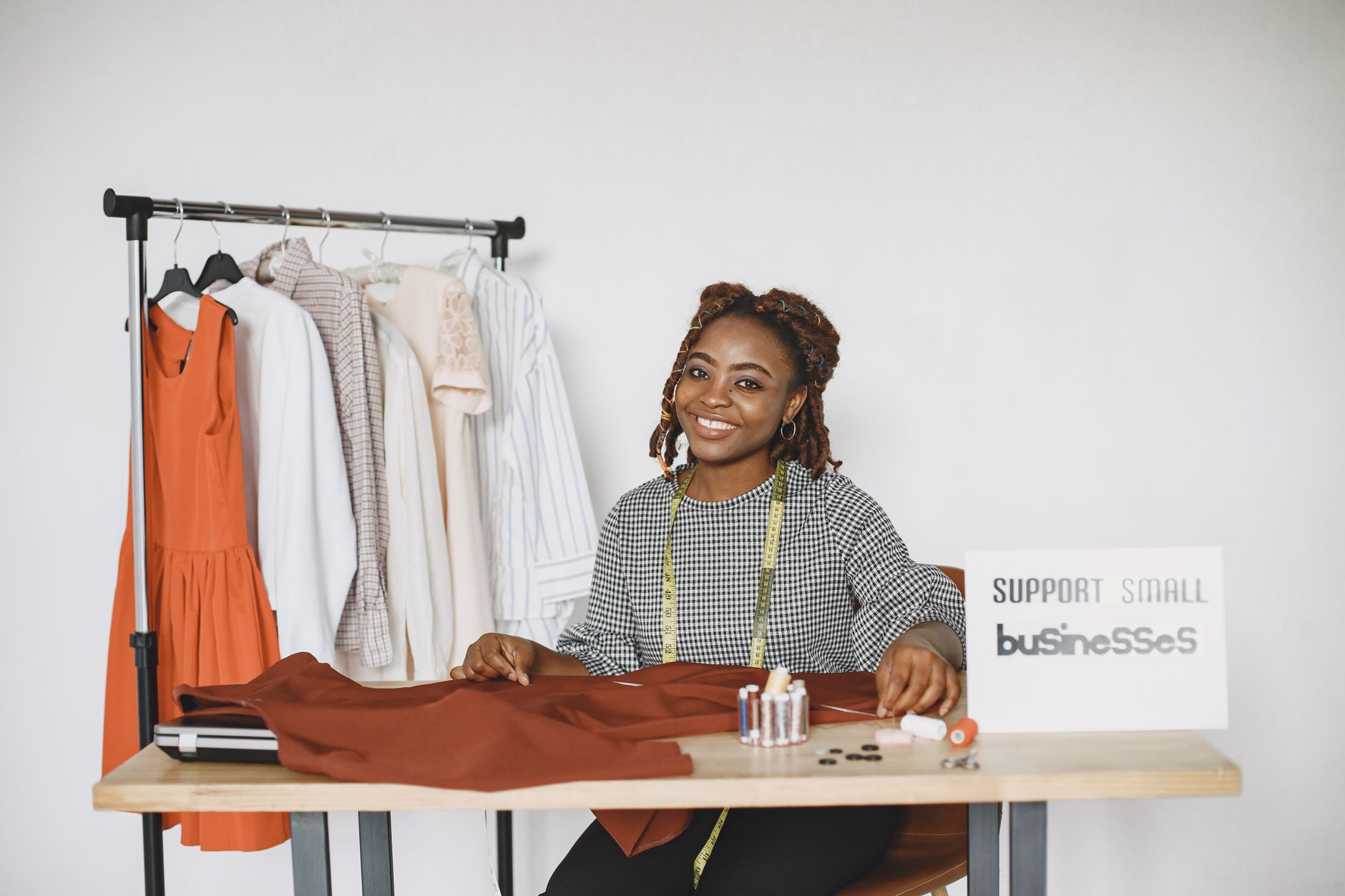
Your model decides your risk and your margins, so pick the one that fits where you are. Print on demand, where a supplier prints your design onto garments only when someone orders, removes stock risk entirely at the cost of thinner margins, and is the lowest risk way to test designs. Made to order suits handmade or customised pieces, where you produce after the sale. Buying wholesale to resell, the boutique model, needs upfront stock but gives better margins and control. Designing and manufacturing your own line is the most ambitious, with the highest cost and the biggest payoff if it lands. Many brands start with print on demand to test what sells, then reinvest into stock once a design proves itself.
Find Your Niche and Brand
The blank tee with a generic slogan competes with everyone, so the clothing businesses that stand out sell to a specific person with a specific identity. A niche, a community, a cause, an aesthetic, a sense of humour, a place, gives people a reason to choose you and to wear you proudly, which turns customers into walking adverts. Your brand is the look, the voice, and the feeling people get, and consistency across your products, photos, and social makes it recognisable. That distinctiveness is what marketing science calls being memorable, and in fashion it is the whole game. Decide who you are for and what you stand for before you design a thing.
A concrete example helps. Rather than printing a generic slogan on a blank tee, imagine a brand built for a specific community, say trail runners in a particular region. The pieces carry the in jokes, the routes, and the mindset of that world, the photography shows real runners on real trails, and the voice sounds like one of them. A trail runner who finds it feels seen and wears it with pride, which turns them into a walking advert among exactly the people most likely to buy. That is what a niche and a brand do in fashion: they give people a reason to choose you over a cheaper, blanker option, and a reason to tell their friends. Start narrow and specific, because a brand that means everything to a few outsells one that means nothing to many.

Source or Make Your Products
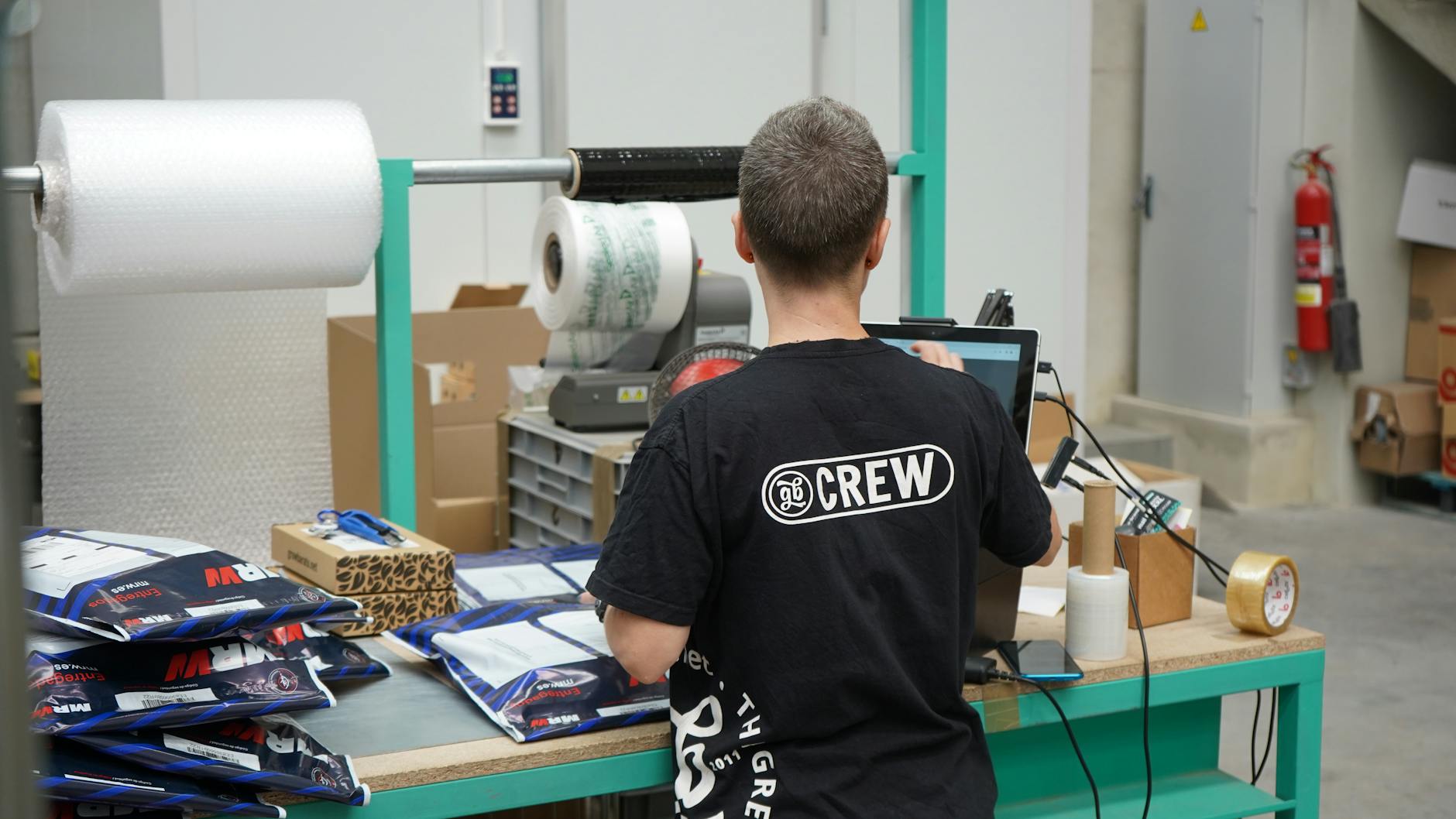
Quality is the fastest way to win repeat customers or lose them, so order samples of everything before you sell. For print on demand, test the garment quality, the print durability, and the real delivery times across suppliers. For wholesale, vet suppliers for reliability and ethics, since customers increasingly care where clothes come from. For your own designs, work with a manufacturer who can handle your volumes and standards. Start with a tight range of strong pieces rather than a sprawling catalogue, because a focused collection that sells beats a hundred designs that gather dust.

Set Up Your Shop and Price for Profit
Most clothing brands sell on their own site, often Shopify, plus a marketplace like Etsy for handmade or a presence on Instagram and TikTok where fashion is discovered. Strong photography matters more here than almost anywhere, because people buy how a garment looks and feels. Price for profit, not only to undercut: cover the product cost, the fees, the shipping, and the returns, which run higher in clothing because of sizing. Roughly 30% of fashion items bought online in the UK are returned, with poor fit the top reason, so build that into your numbers, then add the margin you need. A confident price tied to a clear brand sells better than the cheapest option, because in fashion price signals identity as much as cost. How to start an online shop and how to sell on Etsy cover the setup in more detail.
Get Found and Win Your First Customers
Clothing is discovered visually and socially, so your marketing leans on showing the product in the world. Build a presence on the one or two platforms your customers use, post consistently, and let the clothes do the talking through real photos and people wearing them. Capture emails so you can announce drops and restocks without paying to reach the same fans twice. Your first customers often come from your own community and the niche you built the brand around, so engage there with care rather than broadcasting. Marketing for ecommerce goes deeper, and a focused marketing strategy beats scattering effort across every channel at once.
Build a Brand People Wear and Recommend
The clothing businesses that last build loyalty, not only sales. A customer who loves the fit, the message, and the experience becomes a repeat buyer and a recommender, which is the cheapest growth in fashion. Look after the experience around the product, clear sizing, easy returns, a thank you, the occasional early access for fans, and treat your community as people rather than a list. A strong niche brand with a few hundred true fans is more durable than a generic store chasing strangers, because those fans buy again and bring friends who share their taste.
The UK Rules
The admin is light. Register as a sole trader or company with HMRC once you pass the £1,000 trading allowance. Clothing sold in the UK must carry the right labelling, including fibre composition, and you are responsible for product safety, so check the rules for what you sell. Selling online makes you the retailer in law, with duties around clear information, returns, and refunds, set out in the official GOV.UK guidance on online and distance selling. Keep records from day one, and factor VAT into your plans if you grow past the threshold.
Mistakes New Clothing Brands Make
Fashion is unforgiving of a few common mistakes, and avoiding them gives a new brand a real chance. The first is launching with no identity: a generic blank with a slogan that competes with everyone and stands for nothing. People wear clothes that say something about them, so a brand with a clear niche, voice, and point of view earns a place in a wardrobe that a faceless store never will. Decide who you are for before you design a thing.
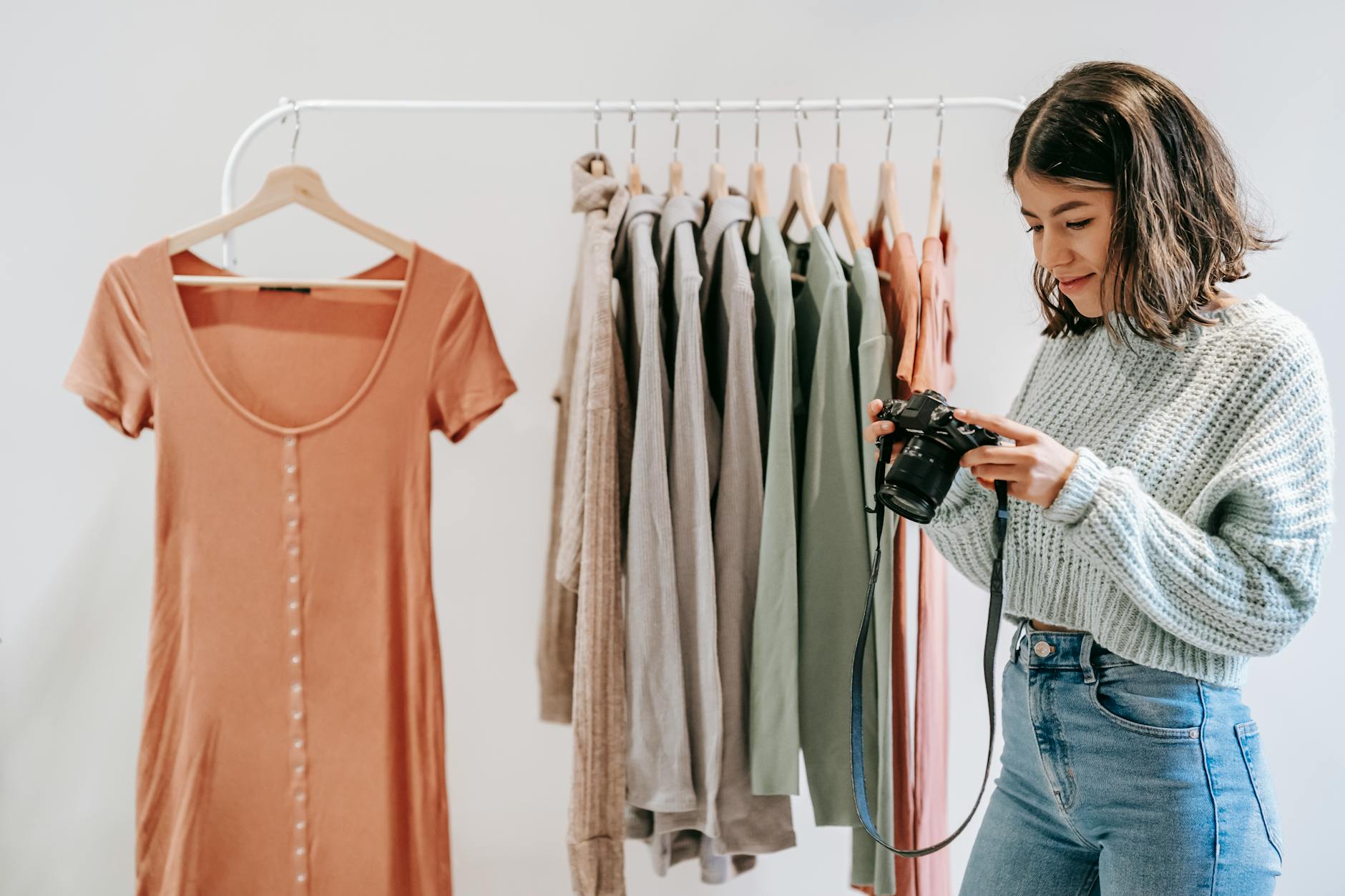
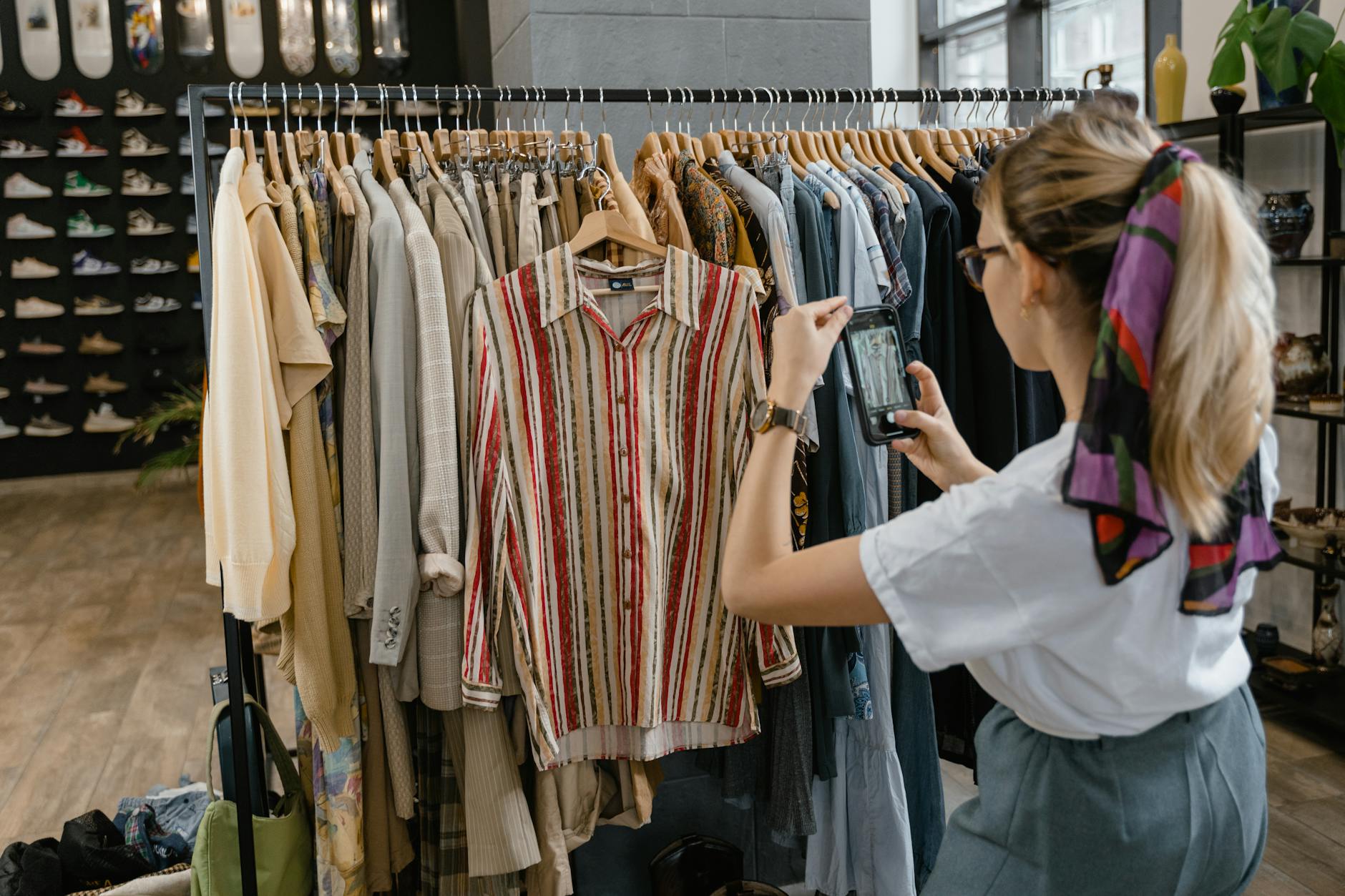
The second is skimping on photography. Customers buy how a garment looks and feels, and they can only judge that through your images. Poor, badly lit photos sink conversions no matter how good the clothes are, while strong, consistent images on real people sell. If you invest in one thing early, make it how your products are shown.
The third is over ordering stock. Buying deep on untested designs ties up cash in inventory that may not sell, which is the fastest way to run out of money. Start with a tight range, or use print on demand to prove a design before committing to stock, then reinvest into what sells rather than guessing big up front.
The fourth is underpricing. Competing on price in fashion is a losing game against bigger brands and cheap imports, and it cuts the margin you need to cover the high return rates clothing carries. Price for profit and tie that price to a clear brand, because in fashion the price signals identity as much as cost, and a confident price often sells better than a cheap one.
The fifth is ignoring sizing and returns. Clothing returns run high because fit is hard to judge online, so vague sizing and an awkward returns process cost you sales and reviews. Clear size guides, honest fit notes, and an easy returns policy reduce both the returns and the frustration, and they build the trust that brings customers back.
The sixth is treating customers as a list rather than a community: the brands that last build loyal fans who buy again and bring friends who share their taste, which is the cheapest growth in fashion. And the last is posting with no consistency. A clothing brand is discovered visually and socially, and that only works if you show up regularly with content that fits your identity, real people wearing the pieces, the story behind a design, the world your customer lives in. Sporadic posting and chasing every trend dilute the distinctiveness that makes a brand memorable. Pick the one or two platforms your customers use, post with a consistent look and voice, and let the brand become recognisable. Avoid these and a small clothing label can grow into something people are proud to wear and quick to recommend.