
How Etsy Decides What Sells
Etsy is a search engine with a shopfront on top. When a buyer types something into the search bar, Etsy ranks listings on how well they match the words searched, how relevant the listing looks, and how likely it is to sell once a buyer lands on it. That last part matters more than most sellers expect. Etsy watches whether people click your listing, favourite it, and buy it, then promotes listings that convert and pushes down ones that do not. A beautiful product nobody can find, or one people click but never buy, slides down the results until it is invisible.
Two ideas from marketing science explain why this works the way it does, and naming them in plain English helps you act on them.
- Mental availability in Etsy search. Being the listing that comes up, and gets remembered, at the moment a buyer is ready. On Etsy, that moment is a search. You earn it by matching the exact words buyers type and by giving Etsy the signals that you sell, so the platform keeps showing you.
- Distinctiveness. Looking unmistakably like you, not like every other shop in the category. A buyer scrolling a grid of near-identical thumbnails settles on the one that stands out and reads as made for them. Distinctiveness is what turns a scroll into a click.
- Positioning. Being obviously right for a specific buyer. A shop that tries to be for everyone competes with everyone. A shop that is clearly for one kind of buyer wins that buyer without a price war.
You do not need to study any of this to use it. The steps below put all three to work.

Step 1: Write Titles and Tags Around What Buyers Search
Your title and your thirteen tags are the single biggest lever on whether your listing appears at all. Etsy reads them to work out what you sell and which searches to show you in. The mistake almost every new seller makes is writing titles for themselves rather than for the search bar. A title like "Wildflower Dreams" tells Etsy nothing, because nobody types that. A buyer types "personalised birth flower necklace" or "silver wildflower pendant gift for mum".
Start from the words buyers type into search. Type the start of a phrase into Etsy's own search bar and read the autocomplete suggestions, because those are real searches ranked by demand. Note the phrases that match what you make, then build your title from the front, leading with the words a buyer would search and following with the details that help the right person choose. Spread your thirteen tags across the variations you could not fit in the title: long phrases, gift framings, materials, occasions, recipient. Use all thirteen every time, because each unused tag is a search you have chosen not to appear in.
Take a worked listing and carry it through the guide. Say you make hand-poured soy candles and your bestseller is a coffee-scented one. A weak title reads "The Morning Ritual Candle". A title built for search reads "Coffee Scented Soy Candle, Hand Poured Coffee Lover Gift, Natural Vegan Candle". The tags then mop up the rest: "coffee candle", "coffee lover gift", "soy wax candle", "vegan candle", "housewarming gift", "gift for him", "scented candle", "hand poured candle", and on through all thirteen. Same candle, but now it can surface for dozens of real searches instead of one phrase nobody types.

Step 2: Win the Click With the First Photo
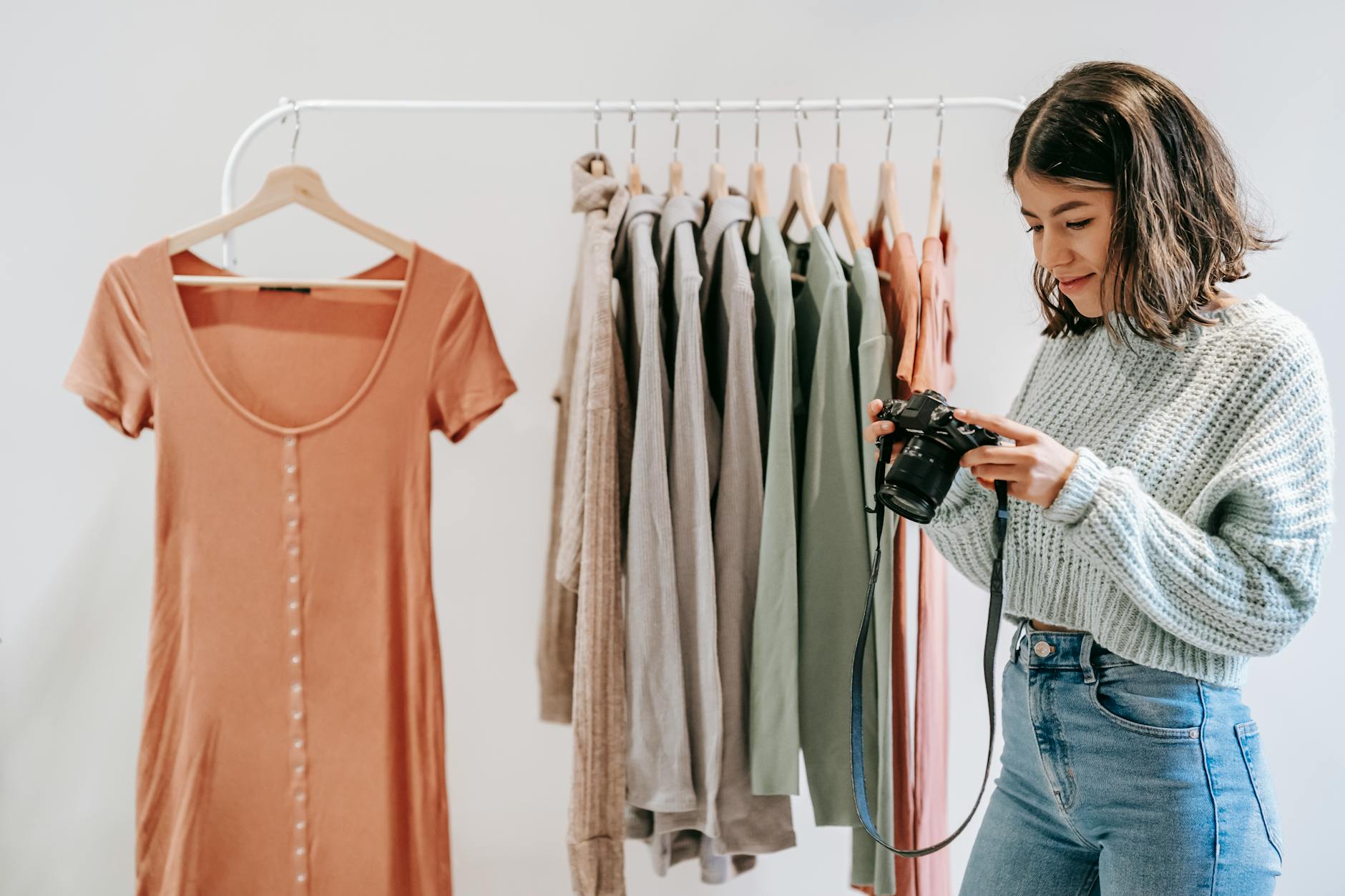
You can rank perfectly and still sell nothing if your first photo does not earn the click. In the search grid, a buyer sees a thumbnail, a price, and little else. The first image is doing the entire job of selling at that moment, and it is competing against a screenful of rivals. This is where distinctiveness pays off. A clean, bright, well-lit photo that shows the product clearly and looks like it belongs to your shop will out-click a dim or cluttered one every time, even when the product behind it is identical.
Lead with a photo that shows the product filling the frame on a simple background, lit so the colour and texture read at thumbnail size. Then use the remaining image slots to answer the questions a buyer asks before paying: scale next to a familiar object, the product in use or in a real setting, close-ups of detail and finish, and the packaging if it doubles as the gift. For the coffee candle, the first image is the candle lit on a clean surface with the label facing forward, warm and inviting at thumbnail size. The later images show the candle held in a hand for scale, burning on a bedside table, a close-up of the wax and label, and the boxed version a buyer could send as a gift. Each image removes a reason to hesitate.

Step 3: Pick a Niche You Can Own
Trying to sell to everyone on Etsy is the fastest way to be found by no one. The platform rewards relevance, and a buyer rewards a shop that reads as made for them. A narrower niche is easier to rank for, easier to photograph consistently, and easier for a buyer to choose, because the listing speaks to a specific person rather than a vague everyone. This is positioning doing its work. "Candles" puts you against millions of listings and the biggest sellers in the category. "Candles for coffee lovers" puts you against a handful, and a coffee lover who finds you feels you were built for them.
Look at your range and find the thread that a specific buyer would search for and recognise. It might be a theme, a recipient, a style, a material, or an occasion. Let that thread shape your titles, your tags, your photos, and your shop copy, so the whole shop reads as one clear offer rather than a jumble. A buyer who lands on a coherent, clearly-positioned shop browses the rest of your listings and often buys more than the one item that brought them in. If you sell in the handmade and maker space, our guide on how to sell art online goes deeper on building a body of work around a single recognisable style.

Step 4: Price for Margin After Fees
A sale that leaves you with nothing is not a sale, it is a hobby with extra steps. Etsy's fees stack up unseen, and many sellers price off their material cost alone, then wonder why a busy month leaves the bank balance flat. Before you set a price, you have to know what each sale truly costs you once Etsy has taken its share.
Etsy charges a listing fee for each item, a transaction fee on the sale price including shipping, a payment processing fee, and a percentage for Offsite Ads when a sale comes through one. On top of that sit your materials, your packaging, and the hours you spend making and posting. Price from the full picture, not the material cost. Add up materials, packaging, the platform fees on the sale, and a real figure for your time, then set a price that clears all of it with margin left over. Build the fees into the price rather than hoping volume covers them.
Run the coffee candle through it as an illustration of the method, not as Etsy's exact published rates. Say the wax, wick, fragrance, vessel, and label cost you 4 pounds, packaging adds 1 pound, and the platform fees on the sale come to roughly 1 pound 50 once the listing, transaction, and processing fees are counted. That is 6 pounds 50 before you have paid yourself a penny for the time spent pouring, labelling, and posting. Price the candle at 9 pounds and you are working for pennies an hour. Price it at 18 pounds, position it as a considered gift rather than a cheap commodity, and the margin finally pays for your time and leaves room to grow. Pricing higher with clear positioning beats pricing low and racing every other shop to the bottom.
| Cost line | Per candle |
|---|---|
| Materials | 4.00 |
| Packaging | 1.00 |
| Etsy fees on the sale (illustrative) | 1.50 |
| Subtotal before your time | 6.50 |
| Sale price | 18.00 |
| Left for your time and margin | 11.50 |
Step 5: Turn Buyers Into Reviews and Repeat Custom
Reviews are how a stranger decides to trust you, and on Etsy they feed straight back into search. A listing with a steady stream of recent, high-rated reviews converts better, and Etsy promotes listings that convert. So reviews are not only social proof, they are a ranking signal you earn one happy buyer at a time. New sellers with no reviews face the hardest version of the trust problem, which is why the first job after a sale is to make that buyer glad they took the chance.
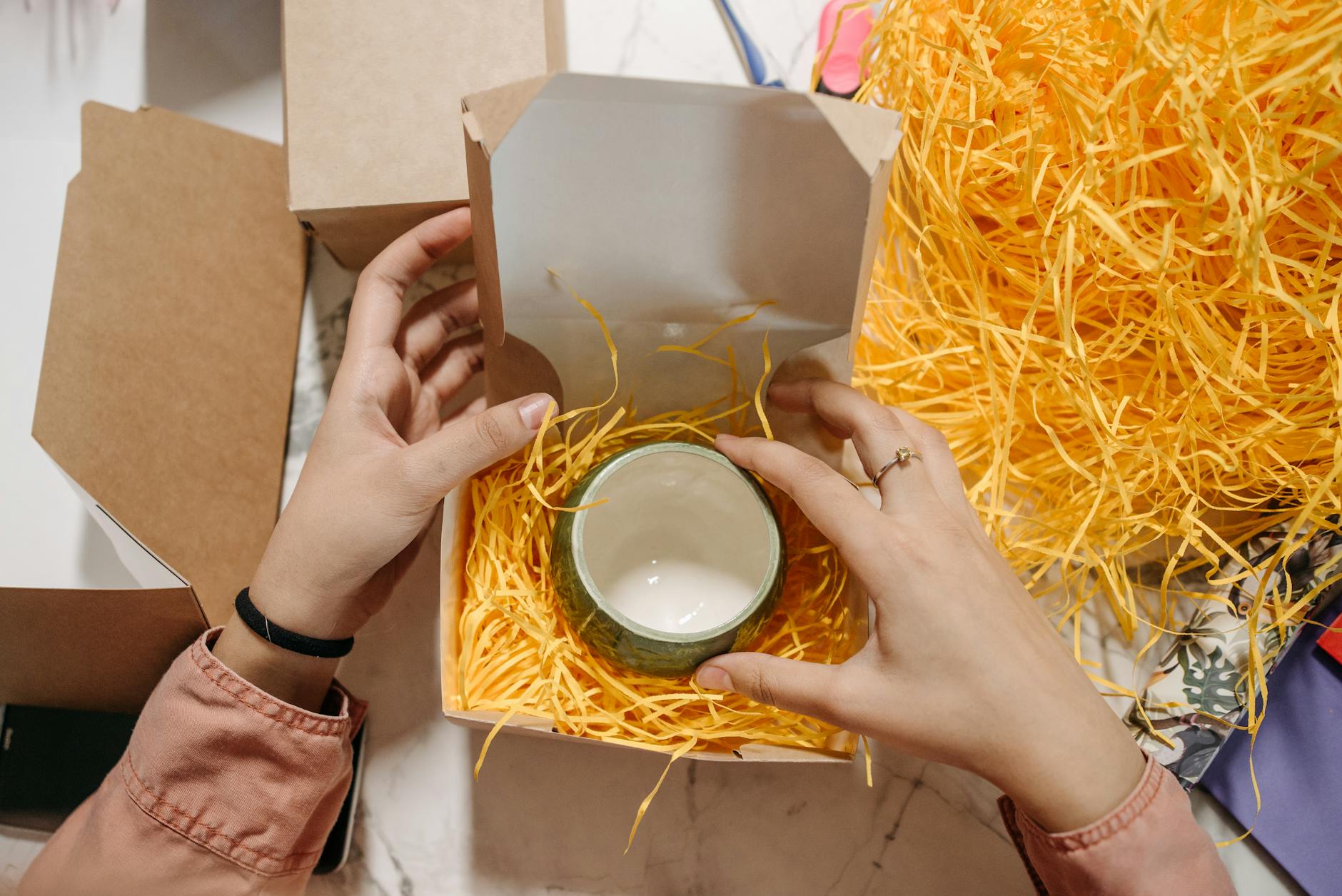
Deliver a little more than the buyer expected, then make it easy and natural for them to say so. Post promptly and package with care, because the unboxing is part of what they review. Add a short handwritten note or a small thank-you that costs little and lands well. A few days after delivery, send a brief, friendly message asking how they are getting on and inviting a review if they are happy, without pestering. The same buyers are also your cheapest future sales. Someone who already trusts you costs a fraction of a new stranger to sell to again, so give repeat buyers a reason to return: a thank-you discount for a second order, a heads-up when something new lands, a seasonal range they will want. A buyer who loves their coffee candle is the easiest person on earth to sell a matching wax melt to at Christmas.

Step 6: Build Traffic You Own
Everything so far lives inside Etsy, and that is the quiet risk. Etsy can change its search algorithm, raise its fees, or shift which listings it favours, and your shop has no say in it. Sellers who rely on Etsy search alone are renting their entire audience from a landlord who can change the terms overnight. The makers who build something durable use Etsy to find buyers, then bring those buyers somewhere they own.
Point your wider presence back at the shop and capture the people it reaches. Share your work where your buyers already spend time, whether that is Instagram, Pinterest, or TikTok, and let the personality behind the shop come through, because a face and a story travel further than a flat product shot. Most importantly, build an email list. A buyer who hands you their email can be reached for every new launch and every season without paying Etsy or an algorithm for the privilege, and it is the one audience no platform can take from you. Etsy allows limited contact through its own messaging, so add value there too, but treat owned channels as the real asset. For the bigger picture of building a store that is not wholly dependent on one platform, our guide on how to start an online shop covers the full path. To go deeper on the channels and tactics specific to this marketplace, see our marketing for Etsy sellers page.

The Order That Works
The pattern is the same down the whole list. Get found first, because a listing nobody sees cannot sell whatever its quality. Win the click with a first photo that stands out in the grid. Own a niche so a specific buyer feels you were made for them. Price so the sale leaves you with margin once Etsy has taken its cut. Turn buyers into reviews and repeat custom, because trust and loyalty compound. Then build traffic you own, so a change to Etsy's rules cannot take your whole business with it. Run your own bestseller through the worked example above, line by line, and you will usually find the next move is one title, one photo, or one price away.