
What Is Customer Retention?
Customer retention measures how many of the customers who bought from you once come back and buy again, over a given period. It is usually expressed as a rate, the proportion of customers from an earlier period who are still active and purchasing now, and the flip side of it is churn, the proportion who drift away. A shop with strong retention keeps a larger share of its past customers spending with it month after month, so growth compounds instead of resetting to zero every time a marketing campaign ends.
For a physical retailer this often happens naturally, through the habit of walking past the same shop on the same street. Online, none of that friction exists to keep a customer in place. A competitor is one search away, and nothing stops a buyer forgetting you exist within a few weeks unless you give them a reason to come back. Retention is the deliberate work of creating that reason, through the product, the experience around it, and the communication that follows the sale.
Why Does Customer Retention Matter for an Online Shop?
The straightforward answer is economics. A customer who already bought from you needs less convincing than someone who has never heard of you, so serving them again generally costs you less effort and less spend than winning a stranger. Online shopping has also become the default for a large and durable share of UK retail spend rather than a passing trend, and the Office for National Statistics tracks this shift in its ongoing internet sales series, which shows online's share of total retail sales settling at a permanently higher level than it held before 2020. That matters for retention because it means the customers you already have are increasingly comfortable buying from a screen rather than a shop, so the barrier to them coming back to you specifically is lower than it has ever been, provided you give them a reason to.
There is a second reason retention deserves real attention, and it is about resilience rather than cost. A shop that depends entirely on new customers is exposed every time an advertising platform gets more expensive or a trend shifts attention elsewhere. A shop with a base of repeat buyers has a floor under its revenue that does not depend on this week's traffic. That floor is what lets a small online business plan with some confidence instead of living campaign to campaign.

Customer Retention vs Customer Acquisition: Where Should You Focus?
This is where a lot of small online shops overcorrect, and it is worth being precise about the trade-off rather than picking a side. The well-evidenced view of how brands grow, set out by Byron Sharp and the Ehrenberg-Bass Institute, is that the bulk of growth for almost every brand comes from acquiring new, often light or occasional buyers, not from deepening loyalty among the existing base. Larger brands do have customers who buy slightly more often and stick around slightly longer, but that loyalty is mostly a by-product of being bigger and more available, not something you can manufacture through a loyalty scheme on its own. Read plainly, that means an online shop cannot retention its way to growth. New customers have to keep arriving.
The mistake is concluding from this that retention does not matter, because that misreads the evidence. Acquisition brings the customers in. Retention decides how much of what you spent to bring them in you get to keep earning back. The long-running effectiveness research from the IPA, associated with Les Binet and Peter Field, backs this up from the budget side, finding that the businesses which grow most sustainably tend to split their effort broadly between building demand for the long term and driving activation in the short term, rather than pouring everything into one. Translated for a small online shop, that means most of your energy goes on getting found by new buyers, while a smaller, steady share goes on making sure the buyers you already won are not forgotten the moment the parcel arrives. Neither job replaces the other. For a fuller picture of how these choices fit together, our guide to customer loyalty covers the deeper relationship-building side, while this piece stays focused on the mechanics of getting someone to purchase a second time.

What Turns a One-Time Buyer Into a Repeat Customer?
A single sale rarely creates loyalty on its own. What brings someone back is a small set of things happening in the right order.
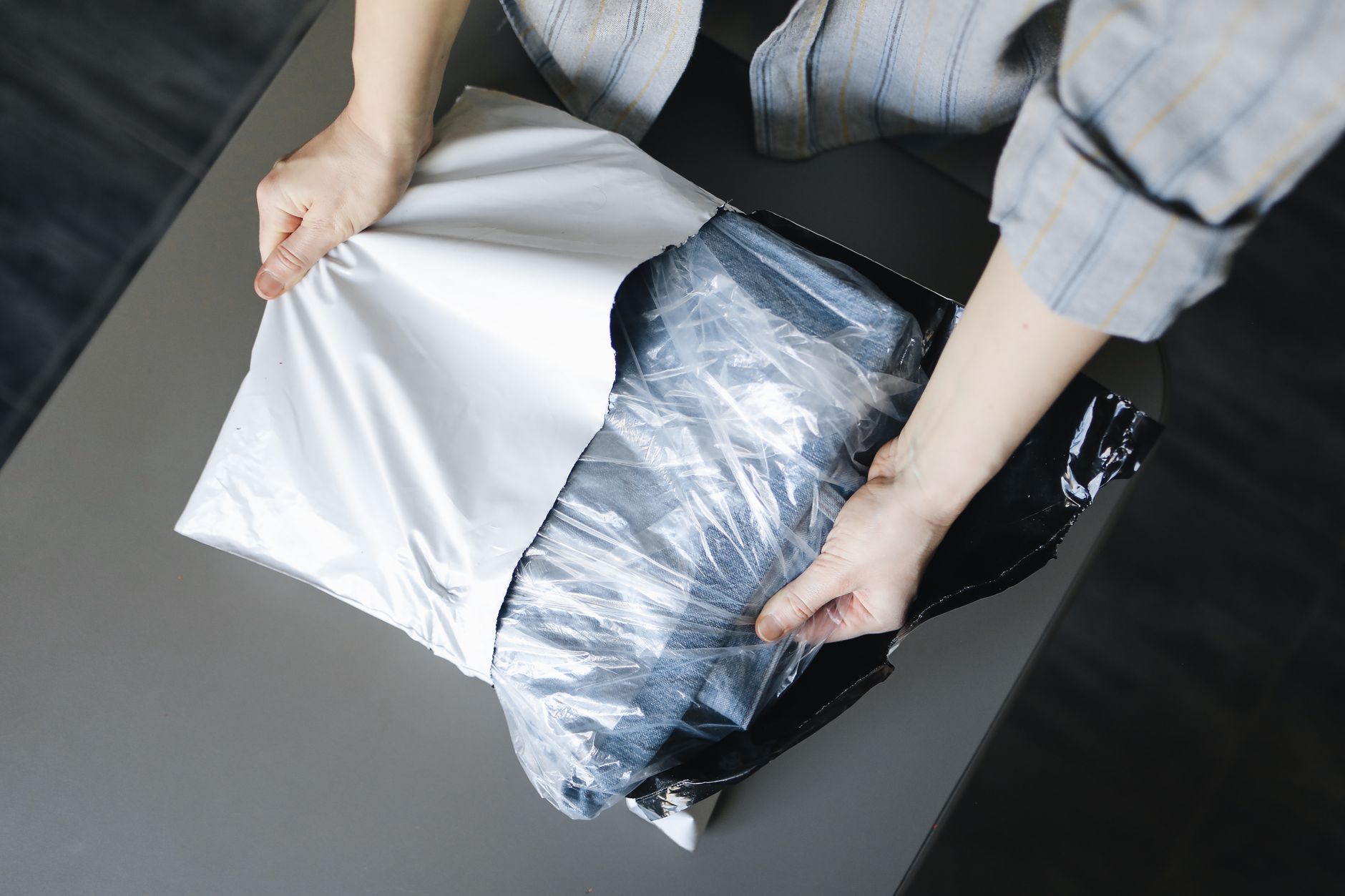
The product has to do what it promised, without exception. This sounds obvious and is skipped constantly under pressure to ship fast. A customer who receives exactly what they expected, on time, has no reason to hesitate before buying from you again. The experience around the purchase matters almost as much as the product itself, the packaging, the ease of tracking an order, how quickly a question gets answered if something goes wrong. And the communication after the sale has to acknowledge that the customer's relationship with you did not end at the checkout. A shop that goes silent the moment payment clears is asking to be forgotten, and forgetting, more than dissatisfaction, is the real reason most customers do not come back.
This is where the classic thinking on customer awareness, developed by Eugene Schwartz, is genuinely useful even outside advertising copy. A customer who has bought from you is not the same as a stranger who has never heard of you. They already know your product, so the message that brings them back is not the one that first won them, it is one built around fit, reassurance and a reason to return, rather than a repeat of the original pitch. A skincare shop that emails a first-time buyer with the same discount banner it used to win them in the first place is wasting the moment. That buyer already knows the product. What earns the second order is confirmation that it worked, a suggestion of what pairs well with it, or a genuine thank you.

How Do You Build a Post-Purchase Journey That Brings Buyers Back?
A post-purchase journey is the sequence of things a customer sees and hears after they buy, and building one deliberately is one of the highest-leverage things a small online shop can do, because most competitors never bother.
- Confirm the order properly. Send a clear, warm confirmation that sets accurate expectations for delivery, rather than a bare transactional receipt.
- Follow up after delivery. A short message a few days after the parcel should have arrived, checking the product met expectations, catches problems early and shows a customer someone is paying attention.
- Ask for a review at the right moment. Once the customer has had time to use the product, not the moment it ships, is when a review request feels genuine rather than automated.
- Suggest something genuinely useful. A follow-up based on what they bought, a companion product, a refill, a seasonal update, works far better than a generic newsletter blast.
- Give returning customers a reason to feel recognised. A small acknowledgement that this is not their first order, a note, an early look at something new, a modest thank-you gesture, costs little and signals that you remember them.
- Keep a light, regular presence between purchases. Not constant selling, but enough consistent contact that your shop stays easy to think of the next time the need comes up.
None of these steps requires software a small shop cannot afford or hours it does not have. What they require is deciding, on purpose, that the relationship continues after the sale, and then building a simple, repeatable version of that sequence rather than leaving it to chance.

Why Loyalty Programmes Often Fail (and What Works Instead)
Loyalty schemes are the first thing many online shops reach for, and it is worth being honest about their limits before you build one. McKinsey's research on loyalty programme design finds that most loyalty programmes fail to create real value for the business unless they are rebuilt around a genuine, tangible benefit to the customer, rather than a points system that mainly rewards people who were going to buy again anyway. A points scheme bolted onto a shop with a mediocre product or a slow delivery experience does not fix either problem, it adds administrative overhead to a relationship that was never going to last.
Where loyalty programmes do work, McKinsey's broader analysis of the category finds that the businesses leading in loyalty tend to outperform on the underlying customer economics, meaning the programme sits on top of a genuinely good repeat-purchase experience rather than trying to invent one out of thin air. The practical lesson for a small online shop is to get the fundamentals right first, the product, the delivery, the follow-up, before adding a formal scheme. A simple, honest version of loyalty, remembering a customer's name, thanking them for a second order, occasionally surprising a regular with something small, often does more for a small shop than a full points and tiers system that few customers ever engage with properly.

How to Measure Customer Retention
You cannot improve what you are not tracking, and retention has a small number of numbers worth checking regularly. The simplest is a repeat purchase rate, the share of customers who buy more than once within a set window, say ninety days or a year depending on how often people naturally need what you sell. Alongside it, watch the time between orders, since a lengthening gap between purchases is often the first sign that a customer's habit is fading before they disappear altogether. Average order value among repeat customers is worth watching too, because returning buyers often spend more per order once they trust you, which is one of the quieter economic benefits of a healthy repeat base.
Do not try to build an elaborate dashboard before you have the basics. A monthly check of how many of last quarter's customers bought again is enough to tell you whether your retention work is moving in the right direction, and it is far more useful than a vanity metric like total followers, which tells you nothing about whether anyone is buying twice.

Common Mistakes That Kill Repeat Purchases
A handful of habits undo retention before an online shop even notices. The first is treating every email as a sales pitch, so customers learn to tune out and eventually unsubscribe, rather than reading each message as it arrives. The second is going silent after the sale entirely, leaving the customer's next thought about you to be whatever a competitor's advert puts there instead. The third is inconsistent delivery and service, since one bad experience after several good ones can undo the trust that took months to build. The fourth is over-relying on discounts to bring people back, which trains customers to wait for a sale rather than buying at full price, and erodes the margin retention is supposed to protect. The fifth is ignoring the data that already exists, a shop's own order history usually shows exactly which products bring people back and which do not, and too few owners ever look.
Avoid these and the ordinary work, a good product delivered as promised, honest follow-up, and a light consistent presence between orders, does most of the job on its own.