Decide What Your Shop Is For
Before a single photo, decide who your shop is for and what it sells. This is the most important call you will make, and most sellers skip it. A Depop buyer scrolls past hundreds of items a session. They stop, follow, and buy from shops that read as one clear thing rather than a random pile. A shop that is obviously 90s sportswear, or cottagecore dresses, or Y2K going-out tops, or worn-in workwear, gives a buyer a reason to follow and check back. A shop that is one of everything gives them nothing to remember.
This is what marketers call distinctiveness, and on Depop it is the whole game. Being distinctive means a buyer can describe your shop in a sentence and recognise it next time it shows up. Pick a lane you can keep filling: a decade, a vibe, a category, a price point, or a tight mix of two of those. You can still list the odd thing outside it, but the spine of the shop should be one recognisable identity. That identity feeds everything below. It tells you which photos to shoot, which words to use, who to price for, and who to keep in touch with.
A clear niche also makes your sourcing easier. When you know your shop is, for example, vintage Levi's and band tees, you know what to grab in a charity shop and what to leave. The shop with a point of view is faster to run and faster to grow, because every decision has a reference.
Photograph for the Depop Look
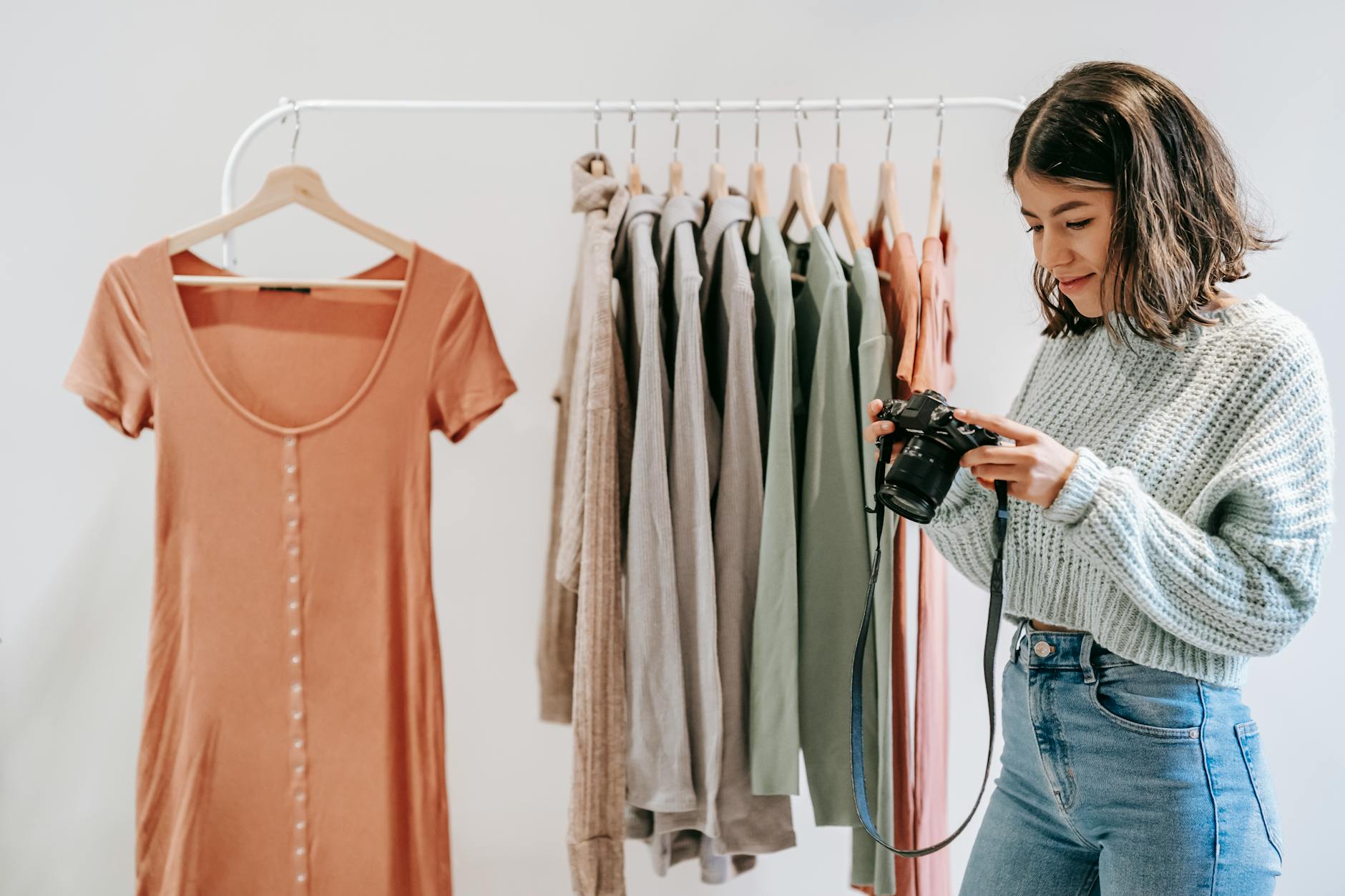
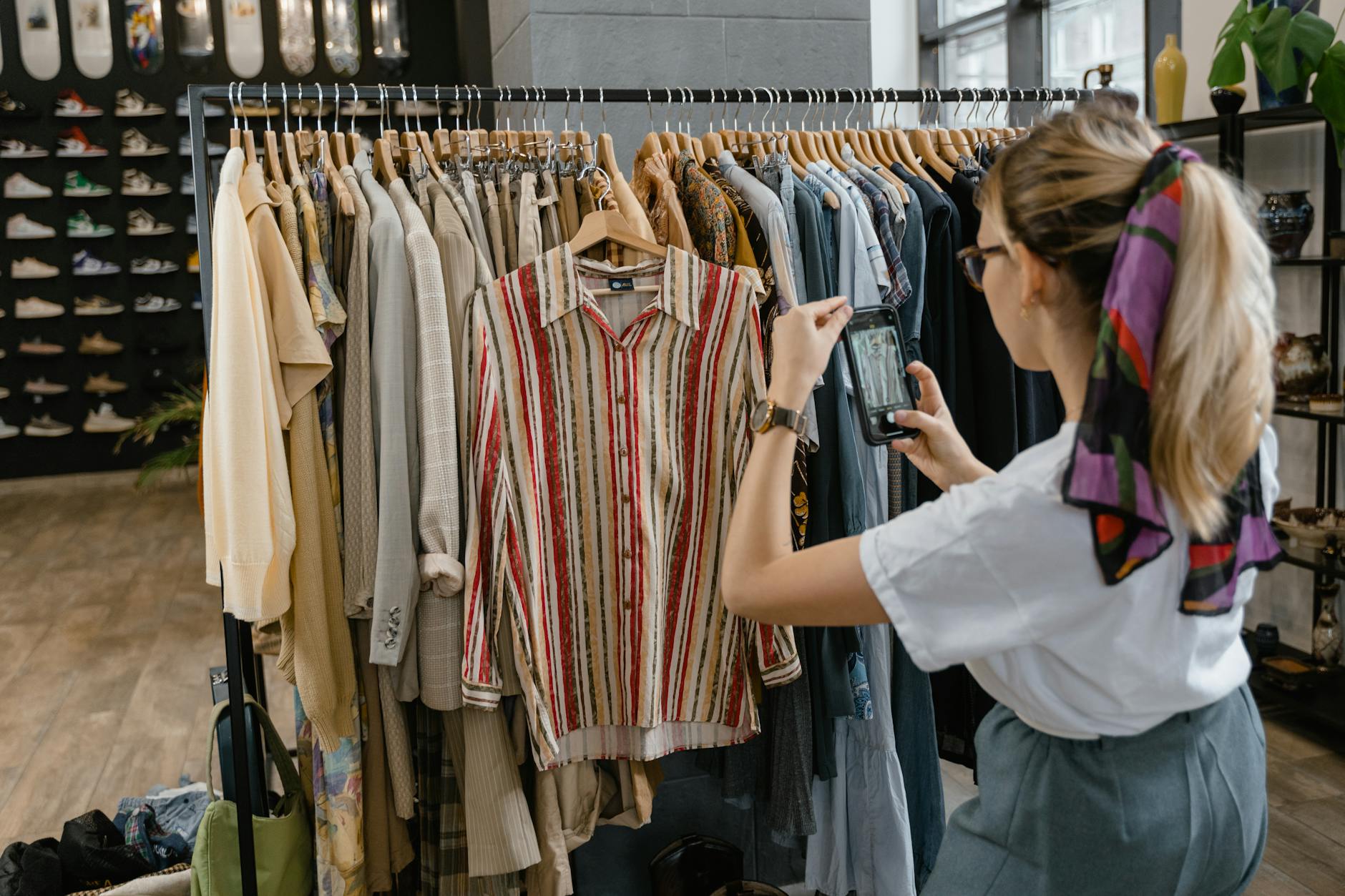
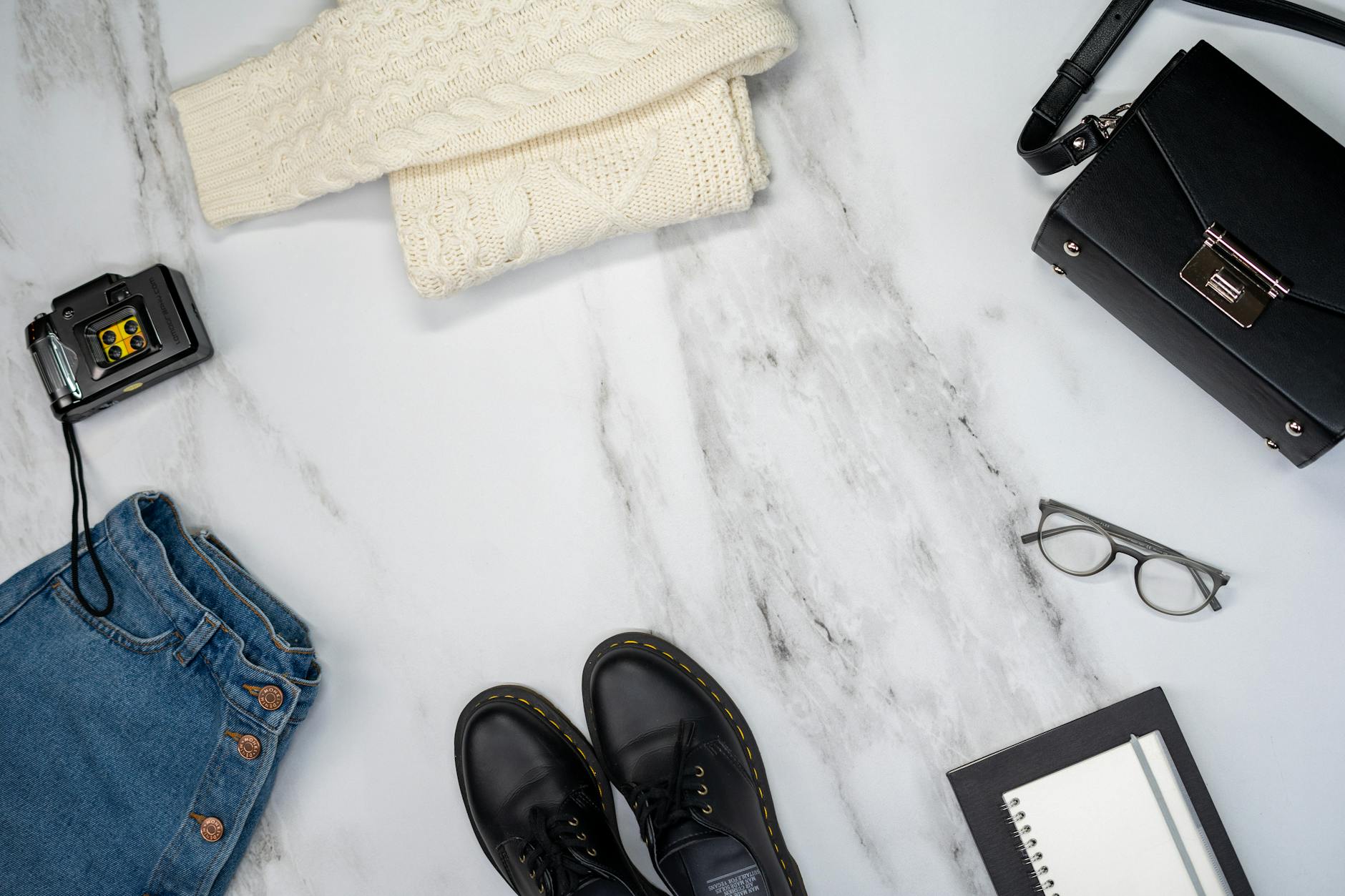
Depop buyers scroll a visual feed, so your photos are the shop. The platform rewards a consistent, styled look, and a buyer decides whether to tap in the half second your first image is on screen. The single biggest upgrade most sellers can make is shooting in bright, natural daylight against a plain, consistent background. Near a window in the daytime beats any indoor bulb. A plain wall, a clean rail, or a neutral sheet keeps the eye on the item.
Style your shots so they read at a glance and feel like they belong together. Use the first image to show the whole item clearly, then add detail shots: the label, the fabric, any flaw, the fit on a hanger or a body. A buyer cannot touch the item, so the photos have to do the reassuring. Showing a flaw openly builds trust and cuts returns and disputes, because the buyer knows what they are getting.
Consistency across listings is what builds the recognisable shop. When every photo shares a background, a light, and a framing, your shop grid looks intentional, and an intentional grid earns the follow. This is your distinctive look doing its job. A buyer who follows because the grid looks good is a buyer who sees your next ten listings without you paying for the privilege.
Run a quick check on every listing before it goes live. Is the first image bright, sharp, and showing the whole item? Are there detail shots of the label, the fabric, and any wear? Does the set match the rest of your shop? If yes to all three, the listing is ready to earn a tap.
Title and Describe for Search
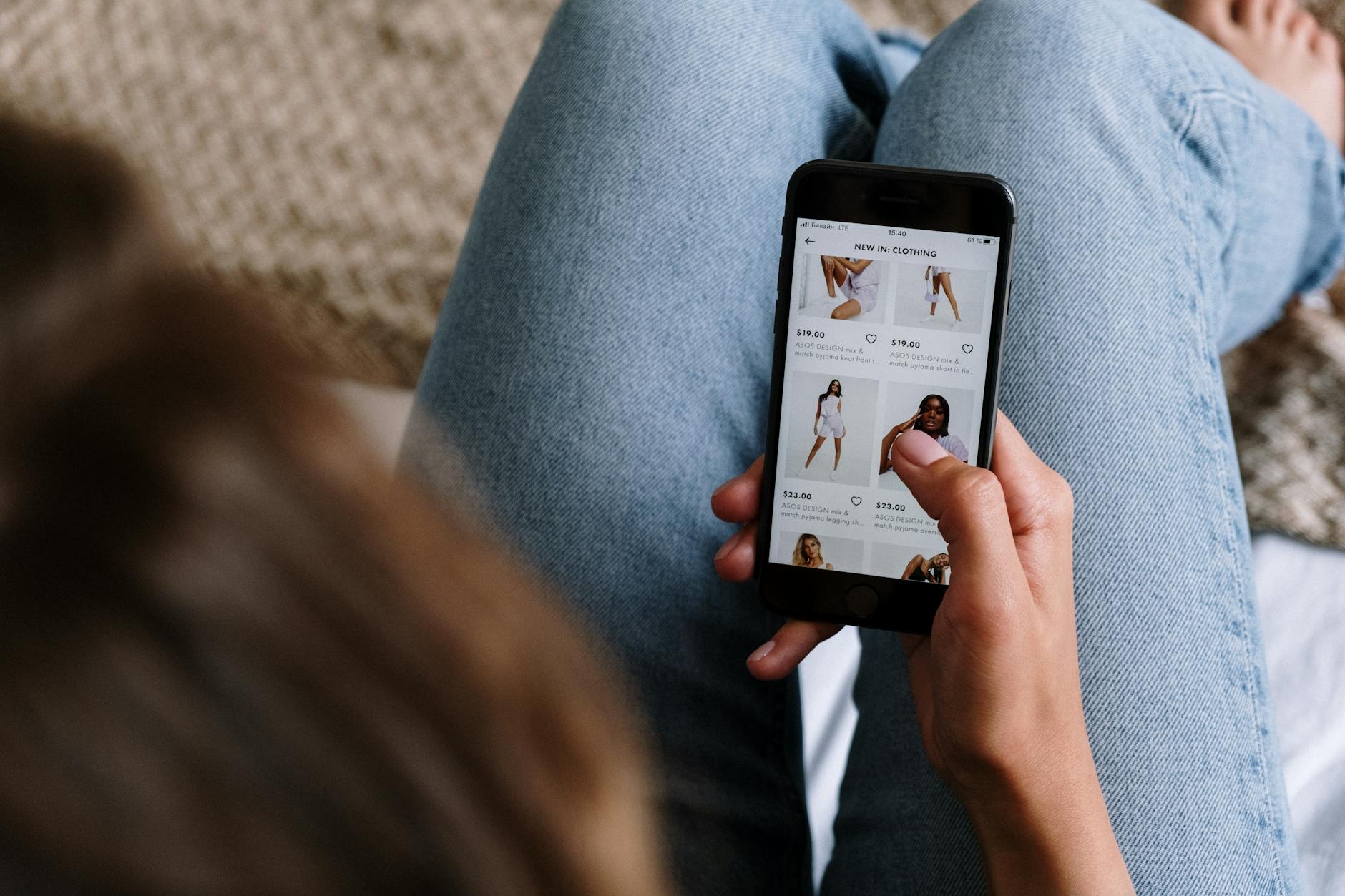
Depop blends a social feed with a search engine, and a large share of sales come from buyers searching for something specific. They type a brand, an item, a size, and a style. If those words are not in your title and description, the listing is invisible to that search, however good the photo is. Vague or jokey titles like "cute summer top" cost you the buyers who are searching with money in hand.
Write the title the way a buyer searches: brand, item, size, colour, and style, in plain words. "Nike vintage navy hoodie size M" finds far more buyers than "cosy oversized fave". In the description, repeat those terms naturally and add the rest of what a buyer needs to decide: measurements taken flat, the material, the condition, and the fit. Measurements matter more than a size label, because vintage sizing drifts and a buyer who knows the chest and length is a buyer who does not message you to ask, then drift away while they wait.
Depop lets you add hashtags and attributes, so fill them in. Use the brand, the category, the size, the colour, and a couple of style tags a buyer in your niche would search. This is mental availability at the listing level: the more of the right entry points you give the search, the more often your item is the one that shows up at the moment a buyer is looking. Thin titles and empty attributes are demand you are choosing not to capture.
Price to What Sells, and Use Bundles
Price to what items like yours have sold for, not to the hopeful asking prices sitting unsold. On Depop you can see what comparable items list for, and you can learn from your own sold history what sells. Price a little under the nearest realistic comparable to win the tap, and leave a small margin so you can accept a sensible offer without losing money. Depop buyers expect to make offers, so build that room into the number rather than pricing at your true floor and having nowhere to go.
Here is a worked example you can run against your own shop. Say you list 30 items at an average of 18 pounds and sell 6 in a month, a fifth of the shop. Your revenue is 108 pounds. Now you make three changes. You reprice 10 slow items down toward their sold comparables, you turn on bundle discounts, and you accept reasonable offers within a day. Sell-through rises from a fifth to a third, so 10 items sell, and two buyers take three-item bundles instead of one. The same 30 listings now turn over far more stock and clear the slow items that were aging in your shop.
| Listings | Sell-through | Items sold per month |
|---|---|---|
| 30 | 20% | 6 |
| 30 | 33% | 10 |
Bundles are the lever most casual sellers ignore, and they do real work. Offering a discount when a buyer takes two or more items raises the average order, clears slow stock alongside the popular pieces, and saves you packing and posting time per item. A buyer who came for one band tee and leaves with three because the bundle made it worth it is a better sale for both of you. Set a clear bundle rule, say 15 percent off two or more, and mention it in your shop bio so buyers know to fill a basket.

Keep the Shop Active and Ship Fast
Visibility on Depop rewards activity. The feed favours sellers who list and refresh often over those who upload in occasional bursts and go quiet. A steady rhythm of fresh and refreshed listings keeps your shop surfacing to buyers and followers, which is the same mental availability idea again: show up regularly in the place your buyers already look, and you are the shop they remember when they are ready to spend.
Build a simple weekly rhythm rather than a monthly marathon. List a handful of new items, refresh a few older ones so they resurface, and tidy anything that has aged or sold. Refreshing a listing, by tweaking it or relisting it, pushes it back up the feed in front of new eyes, so your good stock that did not sell first time gets another run rather than sinking out of sight.
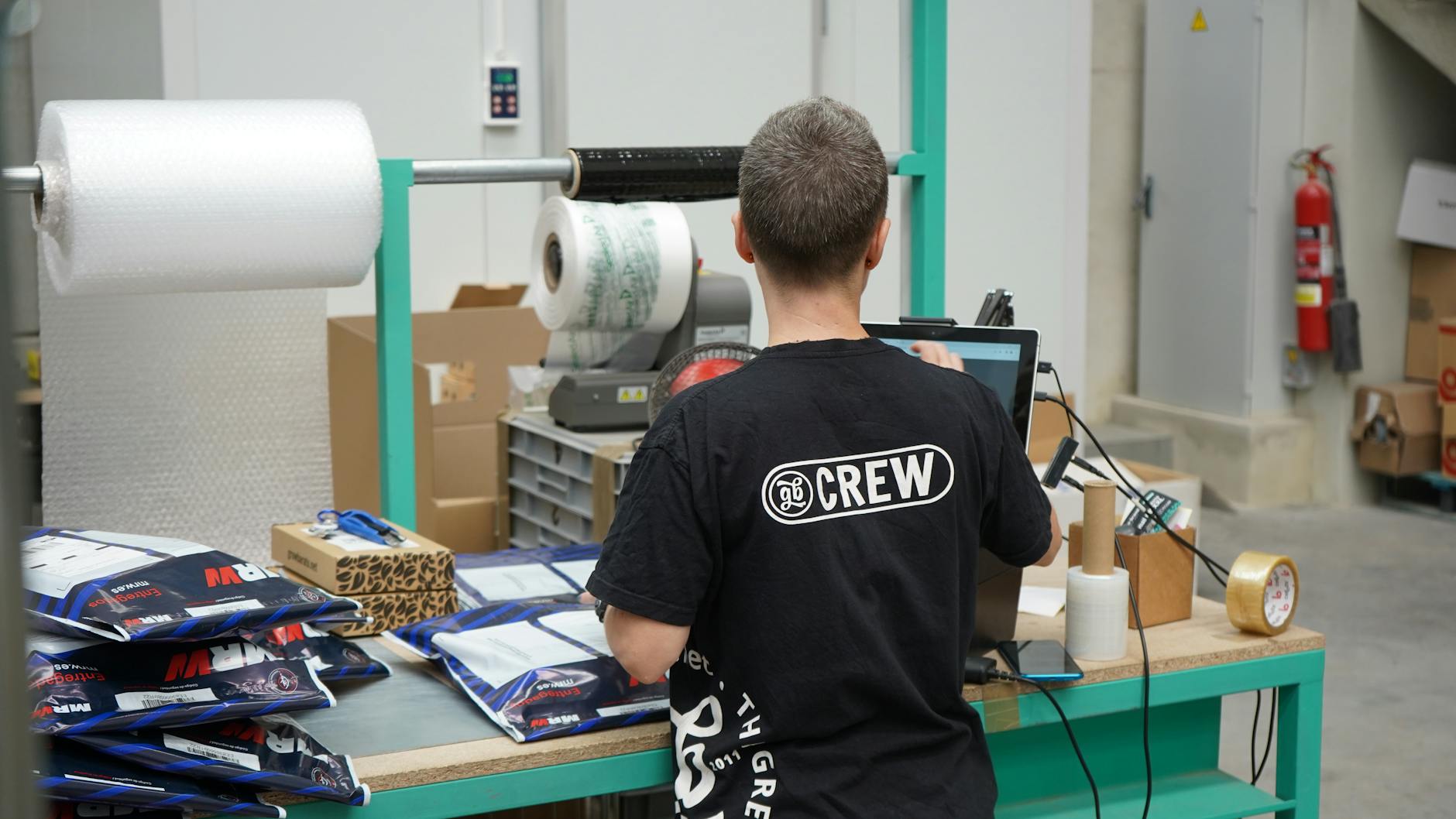
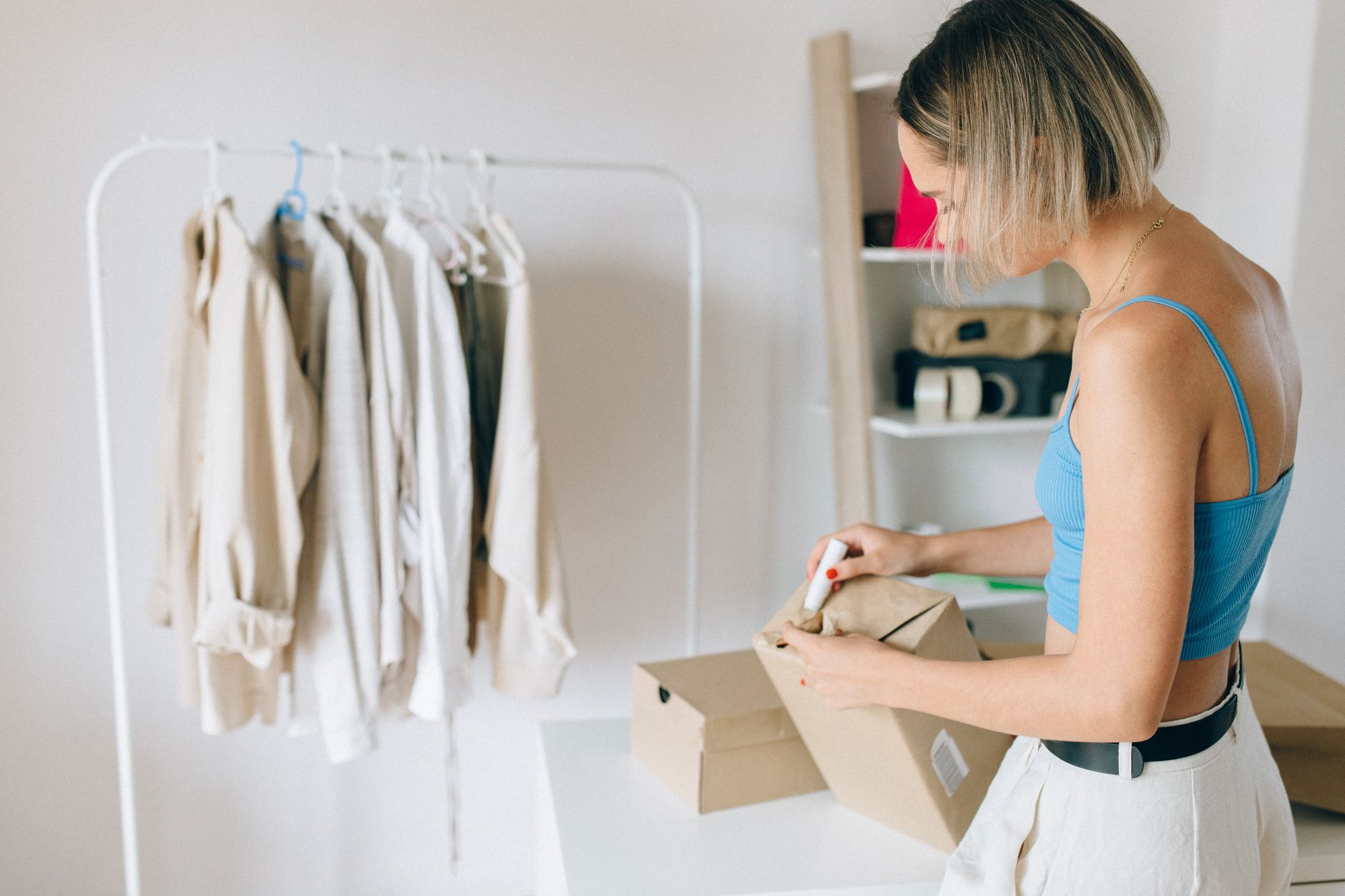
Shipping is the other half of staying active, and it is where trust is won or lost. Ship fast, within a day or two, and package the item with a little care. A buyer who gets a quick, tidy delivery is the buyer who leaves a five-star rating, and ratings are how the next stranger decides you are safe to buy from. Slow or sloppy shipping costs you the rating, and the rating costs you the next sale. The sellers who treat dispatch as part of the product, not an afterthought, are the ones who build a wall of good reviews that sells on their behalf.
Turn Buyers Into Followers and Repeat Custom
The sellers who grow treat Depop like a shop, not a clearout, and a shop lives on repeat buyers. A buyer who already trusts you is the cheapest sale you will ever make, because they have seen your photos hold up, your shipping land fast, and the item match the listing. Yet most sellers never do a thing to bring a happy buyer back, and the relationship cools the moment the parcel arrives.
Make it easy and natural to come back. Reply to messages quickly and warmly, because fast friendly replies turn a browser into a buyer and a buyer into a follower. Thank people when they buy, and pop a small handwritten note or a thank-you in the parcel so the unboxing feels like a real shop. Keep listing in your niche so a follower has a reason to check back, and let your regulars know when fresh stock in their taste lands. Good ratings and repeat buyers compound: the more you earn, the more the next stranger trusts you on sight, and the social proof does the selling for you.
There is a line to respect here. Depop's terms keep transactions on the platform, so do not push buyers to pay you off Depop or treat it as a way to dodge fees. What you can do, where it is allowed and the buyer is willing, is build a following on your own social channels, an Instagram for your shop, say, so you have a way to show new stock and stay in mind that you own outright. The principle is the same as any small business: keep the people who already bought close, give them a reason to come back, and let the platform handle the part it is there for.
If you want to go wider than one platform, our guide on how to sell on Vinted covers the same craft on a different audience, and how to start an online shop walks the move from a marketplace to a storefront of your own. For sellers building a creative brand around what they make or curate, marketing for creators goes deeper on building an audience that follows you across platforms.

The Habits That Build a Shop
The pattern across all of this is the same. Decide what your shop is for, so a stranger has a reason to follow. Shoot photos and write titles that fit how Depop buyers look and search. Price to what sells and use bundles to move more per order. Stay active and ship fast so you keep surfacing and keep your ratings high. Then turn the buyers you win into followers and regulars, because repeat custom is the cheapest growth a shop has. Run the worked example against your own listings first. A small lift in sell-through, on stock you already own, beats a weekend of frantic uploading. That is how a clearout becomes a shop, one habit at a time.