Why Most Listings Sit Unsold
A Vinted item that does not sell almost never has a demand problem. The platform has demand to spare. Secondhand marketplace Vinted topped $1.1 billion in revenue in 2025, up 38 percent year on year, with gross marketplace value reaching 10.8 billion euros, according to Just Style's report on Vinted's 2025 results. Millions of buyers open the app every day looking for the kind of thing sitting in your wardrobe. So when an item sits for three weeks, the issue is rarely that nobody wants it. The issue is that your listing does not get seen, does not get trusted, or does not feel worth the price next to the listing beside it.
A small amount of marketing science explains what separates the listings that sell from the ones that stall, and it helps to name it in plain English. Three ideas do most of the work on Vinted:
- Showing up in the feed and in search. Buyers find items two ways: by scrolling the feed and by searching for a brand, size, or item. Being the listing that appears, with the right words in the title and a fresh enough timestamp to surface, is how you get seen at the moment someone is ready to buy. A perfect item nobody sees may as well not exist.
- Social proof. Strangers decide whether to trust you in seconds, and your ratings and completed sales do that work for you. A seller with dozens of five-star reviews and a fast-dispatch record wins the sale over an identical item from a brand new account, because the buyer feels safe handing over money.
- Clear positioning. When a buyer can tell at a glance that your item is the genuine article, in the condition you claim, at a fair price, the decision is easy. Honest descriptions and accurate photos make you the obvious choice over a vaguer listing they have to second-guess.
You do not need to study any of this to use it. The steps below put all three to work for you, in the order that builds a steady income rather than a few lucky sales.
Take Photos That Sell the Item
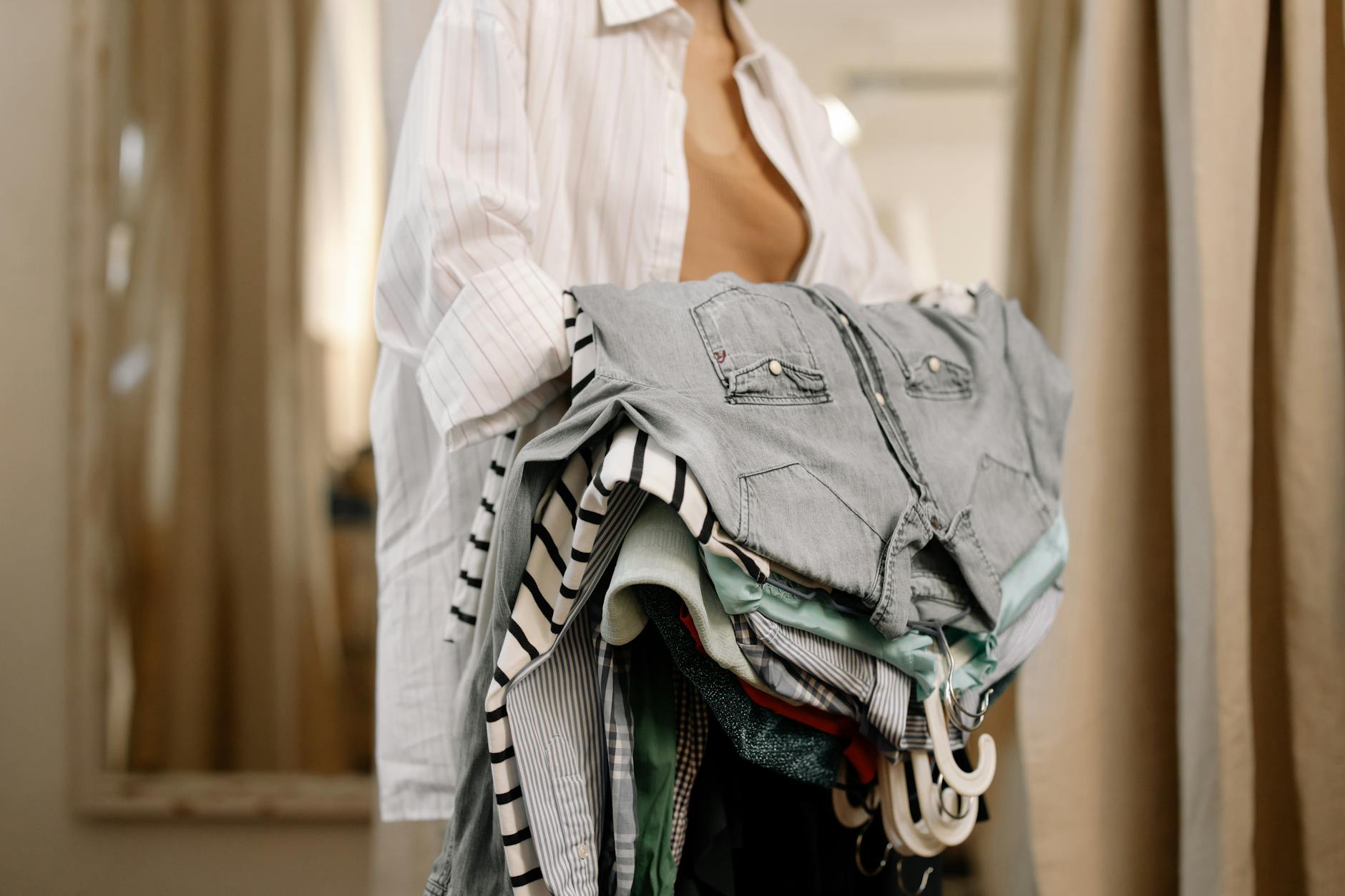
Photos are the single biggest lever on Vinted, because they are the first thing a buyer sees and the main thing they judge. A poorly lit photo of a good item loses to a well-lit photo of an average one every time. You do not need a camera or a studio. You need daylight, a plain background, and a few minutes per item.
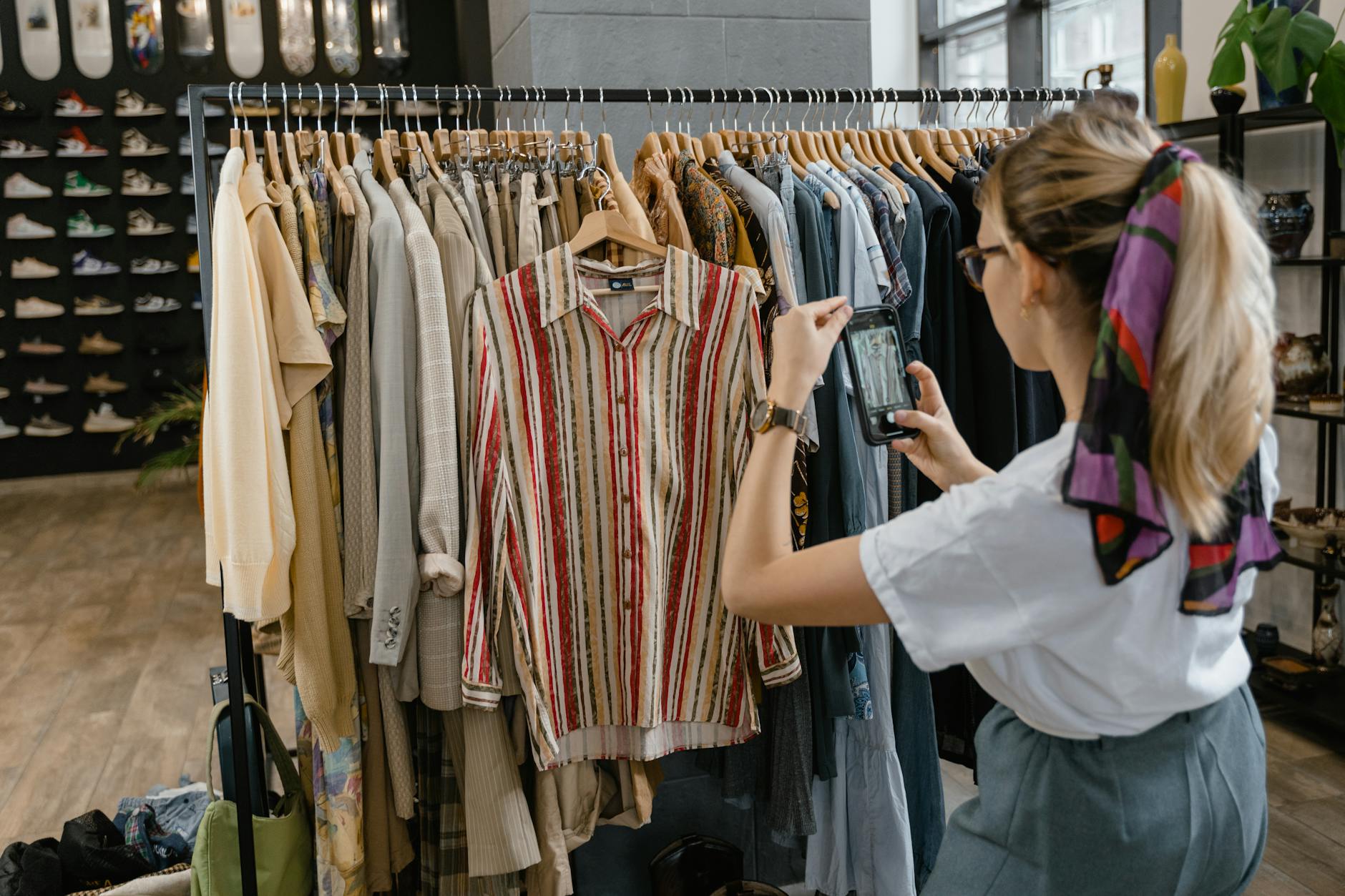
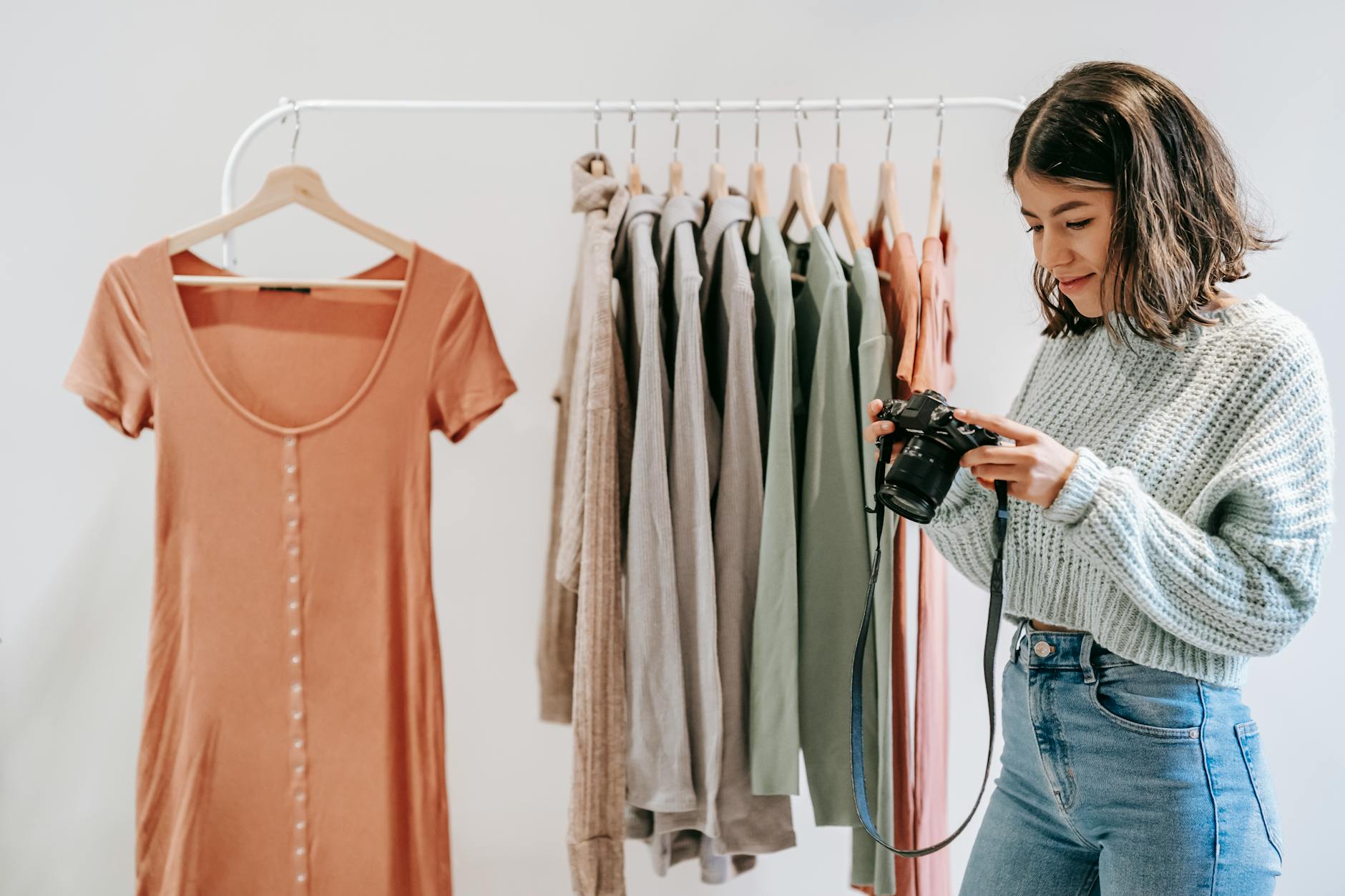
Shoot near a window in natural light, never under a yellow ceiling bulb that distorts the colour. Lay the item flat on a clean, plain surface, or hang it where it keeps its shape. Fill the frame so the item is the whole photo, not a small shape in a busy room. Take the full set Vinted allows: the front, the back, the label showing brand and size, the fabric composition tag, and a close-up of any flaw. Showing a small mark or a worn hem is not a weakness, it is the honesty that earns trust and heads off a dispute later. A buyer who sees the flaw and buys anyway is a buyer who will not open a complaint when it arrives. Clear, complete, honest photos are positioning made visible: they tell the buyer in a glance that you are the genuine, fair seller, so they choose you without hesitating.
Write Descriptions That Answer the Question
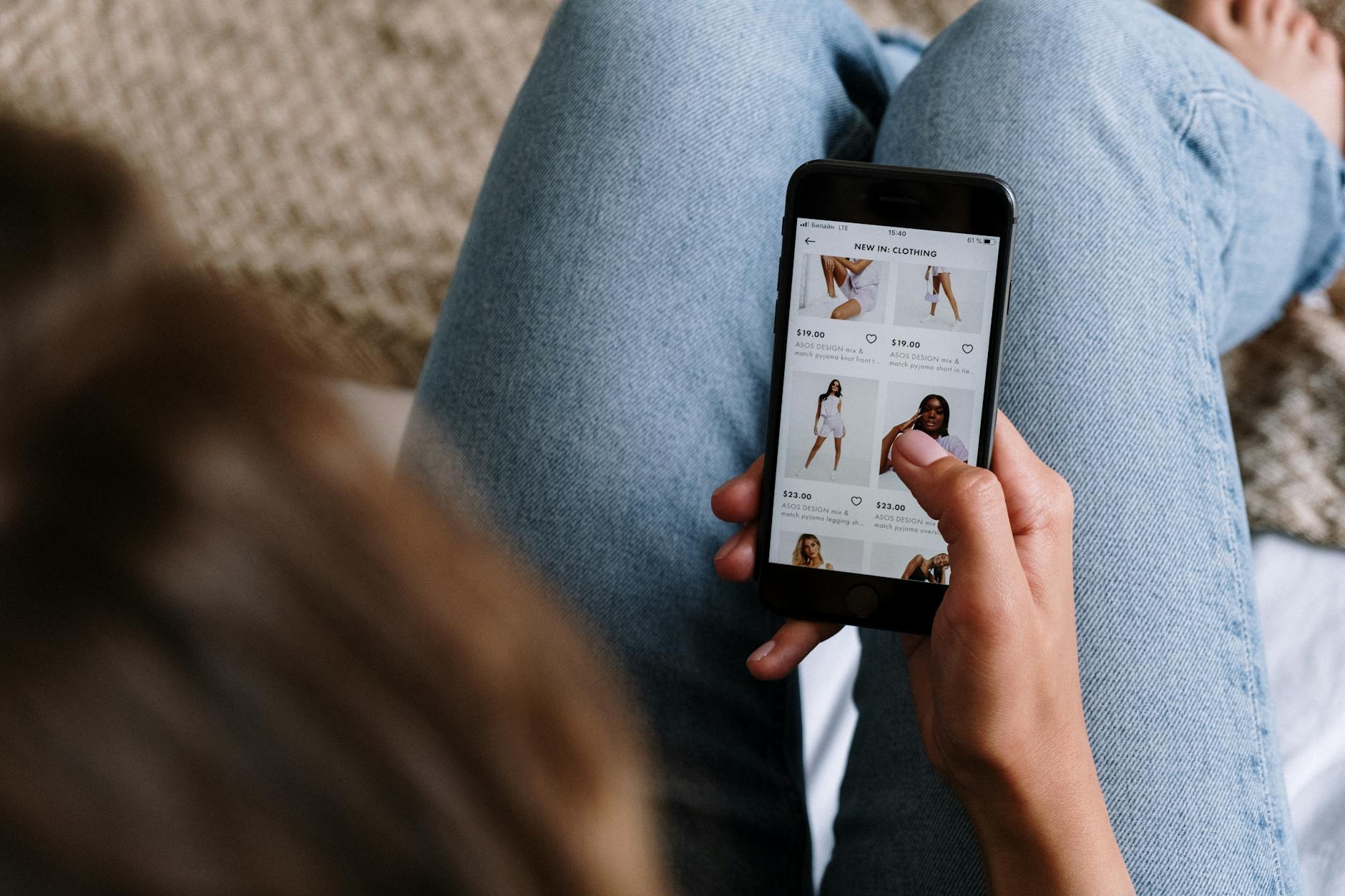
A good description does one job: it answers the questions a buyer would otherwise have to ask, so they can decide on the spot. Every unanswered question is a reason to scroll past to a clearer listing. Vinted gives you a title and a description, and both matter for being found and for being trusted.
Put the words buyers search into your title and description: the brand, the item type, the size, the colour, and the fit if it runs large or small. Someone searching "Zara linen blazer size 12" should find your Zara linen blazer in a size 12. State the condition plainly and match it to your photos, name the exact measurements for anything where fit matters, and flag any flaw in words as well as pictures. Mention why you are selling if it helps, a wrong size or a wardrobe clear-out reads as honest rather than as hiding a fault. Keep it readable and specific. A description that names the real details is the one that surfaces in search and converts the scroll into a sale, because it meets the buyer at the exact moment they are deciding.
Price for the Buyer, Not for What You Paid
The most common pricing mistake on Vinted is anchoring to what you originally paid. The buyer does not know or care what an item cost you. They are comparing your price to every similar item in the feed right now, and they expect a secondhand saving. Across Vinted, buyers paid on average 72 percent less than the original retail price in 2025, so the platform's whole pull is the discount. Price as if you are the buyer scrolling, not the seller remembering the receipt.
Search the sold-and-similar listings for your item and see what comparable pieces are priced at. Set yours in that range, a touch lower if you want a quick sale, a touch higher if it is pristine or a sought-after brand. Build in room for an offer, because many buyers will send one and Vinted nudges them to, so a price with a few pounds of headroom lets you accept and still hit your number. Factor in that the buyer pays the shipping and buyer protection on top, which raises the total they see, so a keen item price keeps you competitive. Pricing for the buyer is how you sell this week instead of relisting next month.
Use Bumps and Fresh Listings to Get Seen
Vinted's feed rewards freshness. New and recently bumped listings surface higher, and items that have sat untouched for weeks sink out of sight. Getting seen is half the battle, so a little visibility management keeps your wardrobe in front of buyers without spending much.
List in batches at the times buyers browse, evenings and weekends, so your items land in the feed when the most people are scrolling. Use a bump on the items most likely to sell, a paid nudge that lifts a listing back to the top of relevant feeds and searches, and weigh the small cost against a quicker sale on a higher-value piece. For items that have gone cold, delete and relist rather than leaving them buried, which gives them a fresh timestamp and a new run at the feed. Spread your listings across days rather than posting forty at once, because a steady trickle keeps you appearing in the feed day after day. This is how you stay visible at the buying moment, which is the whole game on a platform where the next scroll always brings a new option.
Dispatch Fast and Protect Your Ratings
On Vinted your ratings are your reputation, and your reputation is what makes the next sale easier than the last. A wall of five-star reviews and a fast-dispatch record is social proof working for you around the clock, reassuring every new buyer before they have read a word from you. One slow or careless sale can dent that, so the dispatch habit matters as much as the listing.
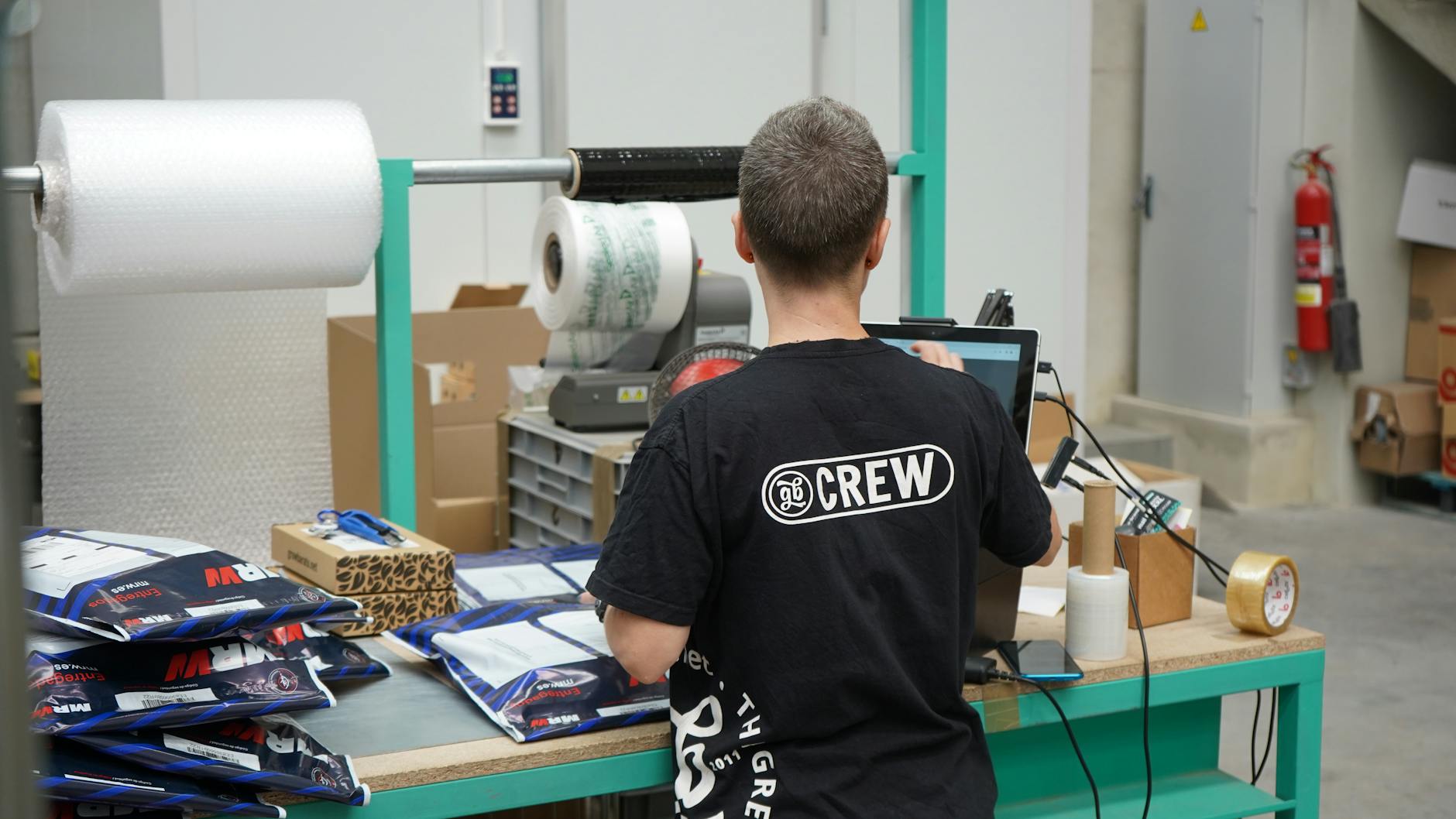
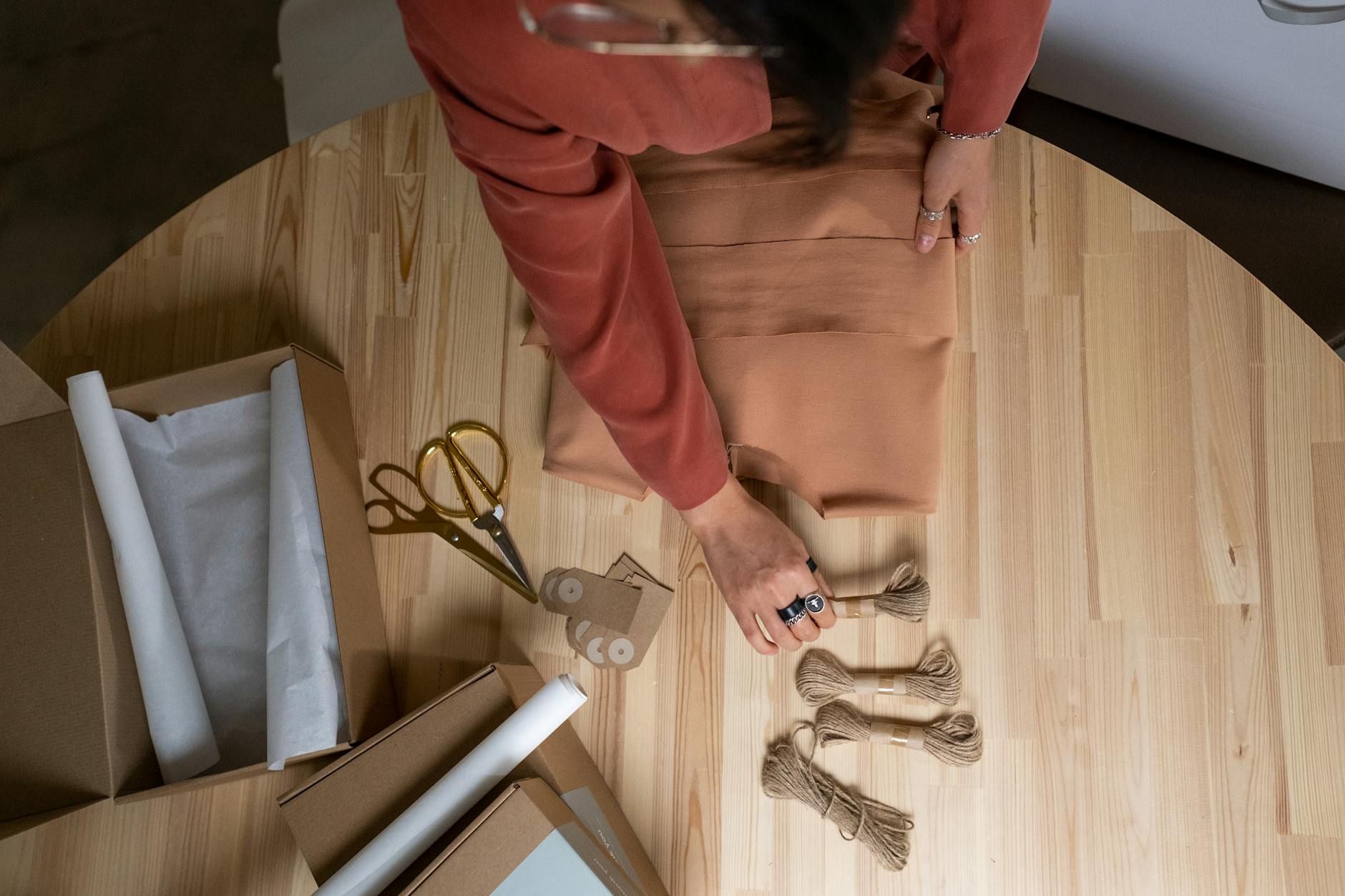
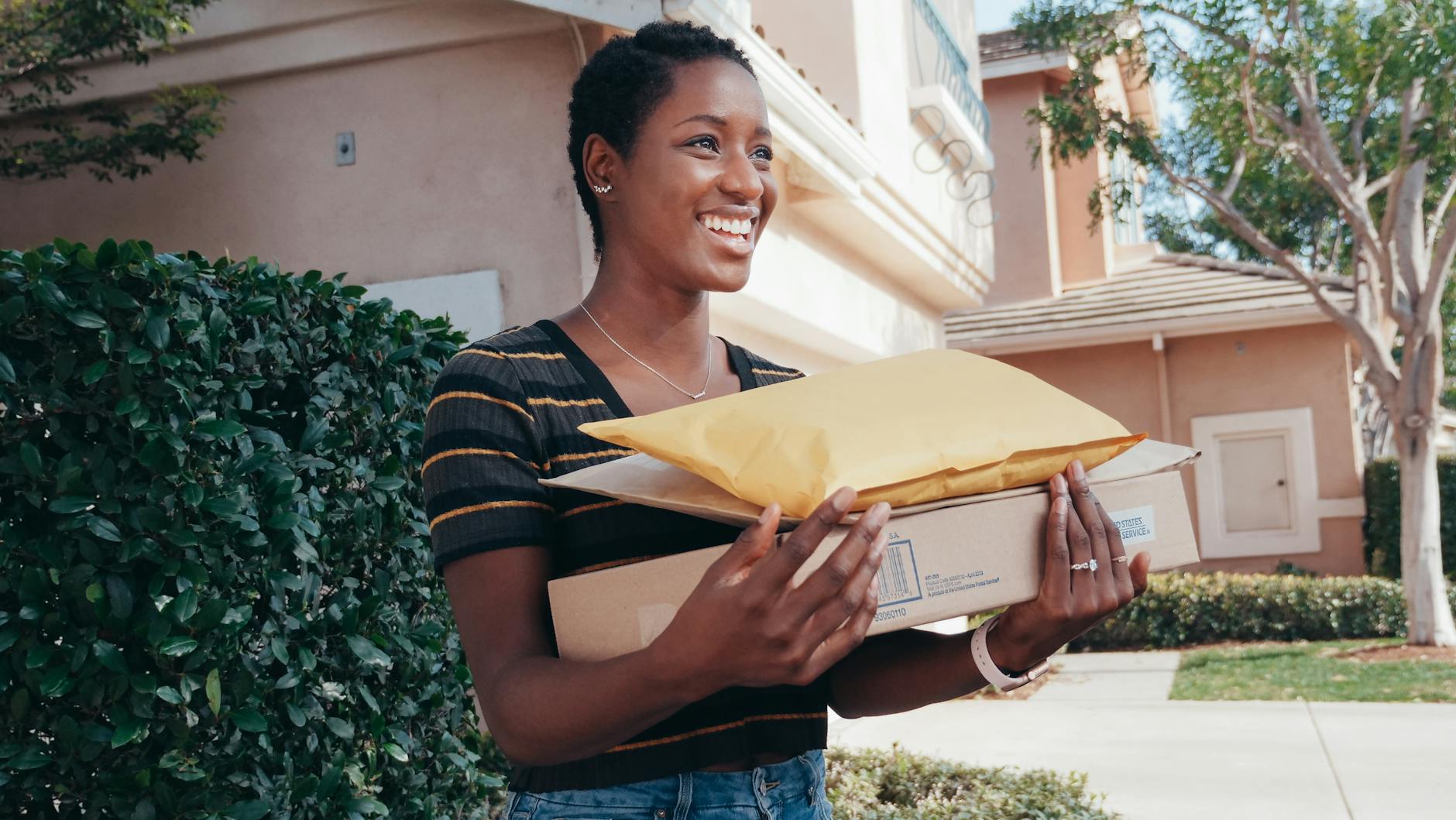
Post within a day of a sale, well inside Vinted's window, because fast dispatch earns better reviews and the buyer is happiest when the thing they bought arrives quickly. Package it with care, a clean mailing bag, tissue if it suits the item, and a short thank-you note costs pennies and lifts a four-star review to five. Use the prepaid label and drop-off Vinted provides so tracking protects both sides. Reply to questions and offers quickly while the buyer is still interested, since a fast, friendly reply often closes a sale a slow one loses. Each smooth sale adds to the ratings that win you the next buyer, which is how a Vinted account compounds from a few sales into a steady stream.
Sell Bundles to Lift the Average Sale
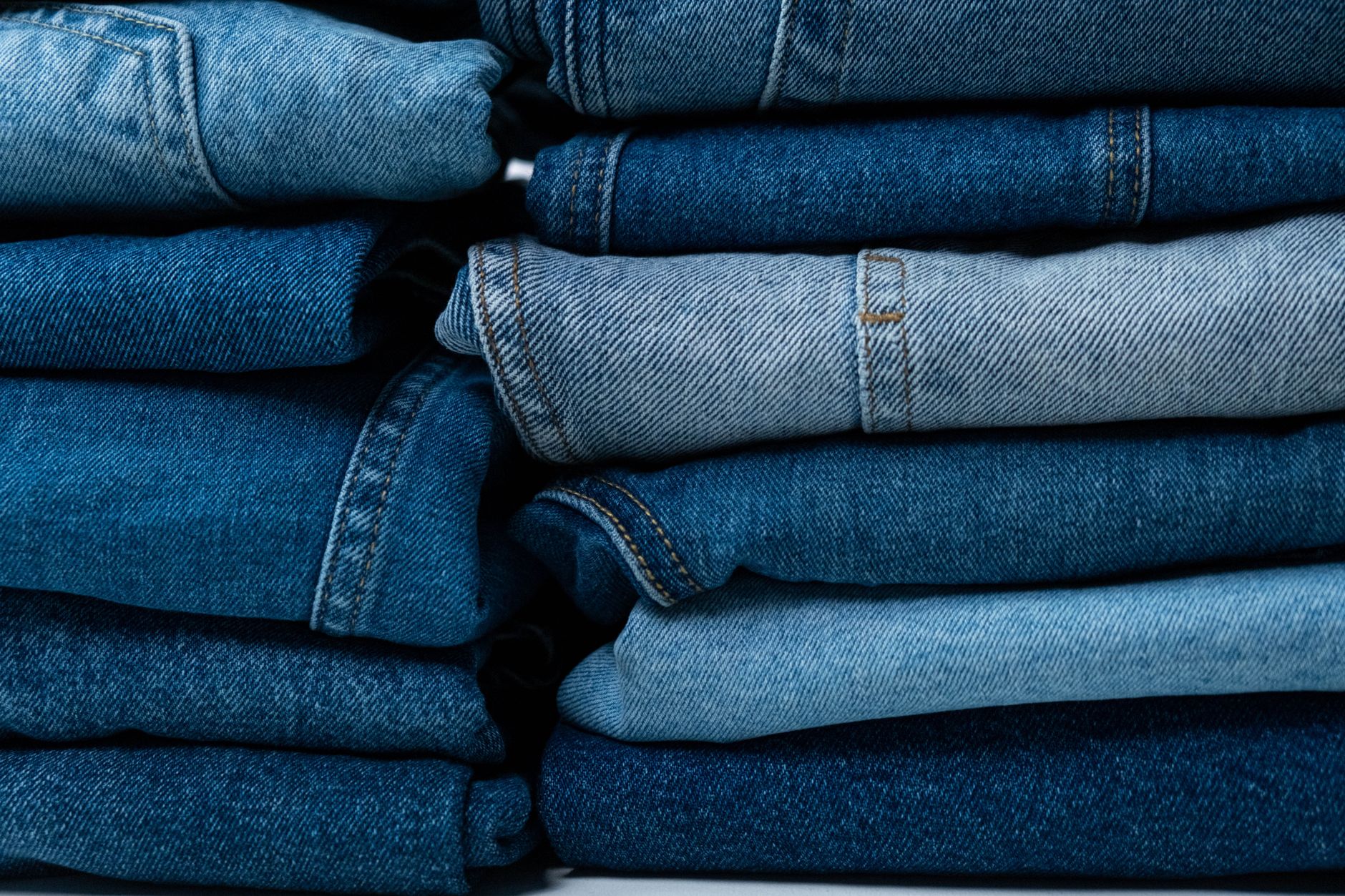
A bundle is two or more of your items bought together, and it is the simplest way to lift how much each buyer spends. Vinted encourages buyers to add several items from one seller into a single bundle with combined shipping, which suits you and them: they save on postage, you make one larger sale and one trip to the drop-off instead of several.
Make bundling easy and attractive. Offer a bundle discount in your settings so a buyer browsing your wardrobe sees an instant reason to add a second and third item. When someone likes or buys one piece, a friendly note pointing them to related items they might want turns a single sale into a bundle. Group items that go together, a set of similar sizes or a matching style, so the buyer clearing out their own wardrobe finds several things at once. A bundle raises the average sale and cuts your admin per item, which is what turns Vinted from pocket money into a side-income worth the time.
A Worked Example You Can Run
Here is what the difference looks like with real-ish numbers, shown as an illustration rather than a cited statistic. Say you list 30 items in a month with average photos, prices anchored to what you paid, and dispatch whenever you get round to it. Ten sell at an average of 8 pounds, and your ratings stay middling. That is 80 pounds for a fair bit of effort.
Now tighten the same wardrobe. You shoot every item in daylight with the full photo set, write searchable honest descriptions, price against the sold listings with offer-room built in, bump your three best pieces, dispatch within a day, and switch on a bundle discount. More items get seen and trusted, so 18 sell. Buyer-led pricing and a few accepted offers hold the average at 9 pounds. Three buyers take a bundle, lifting the average order. Your fast dispatch builds five-star reviews that make the following month easier still. The same 30 items now bring in around 160 pounds, and the account keeps getting stronger.
| Items listed | Sold | Average sale | Monthly income |
|---|---|---|---|
| 30 | 10 | £8 | £80 |
| 30 | 18 | £9 | £162 |
Run the example against your own wardrobe before you judge it. The lift does not come from listing more stuff. It comes from making the same items easy to find, easy to trust, and easy to buy, then protecting the ratings that make next month easier than this one.
Turn Selling Into a Steady Side-Income
The pattern across every step is the same. Get seen by listing fresh and bumping your best items, get trusted with honest photos, searchable descriptions, and fast dispatch, and make buying easy with buyer-led prices and bundles. Do that consistently and Vinted stops being a one-off clear-out and becomes a reliable monthly income, because each smooth sale builds the ratings and the visibility that bring the next one. If you sell across more than one platform, our guides on how to sell on Depop and how to start an online shop cover the same craft for a wider audience, and our hub on marketing for creators goes deeper on building a following that buys.