Decide What You Offer
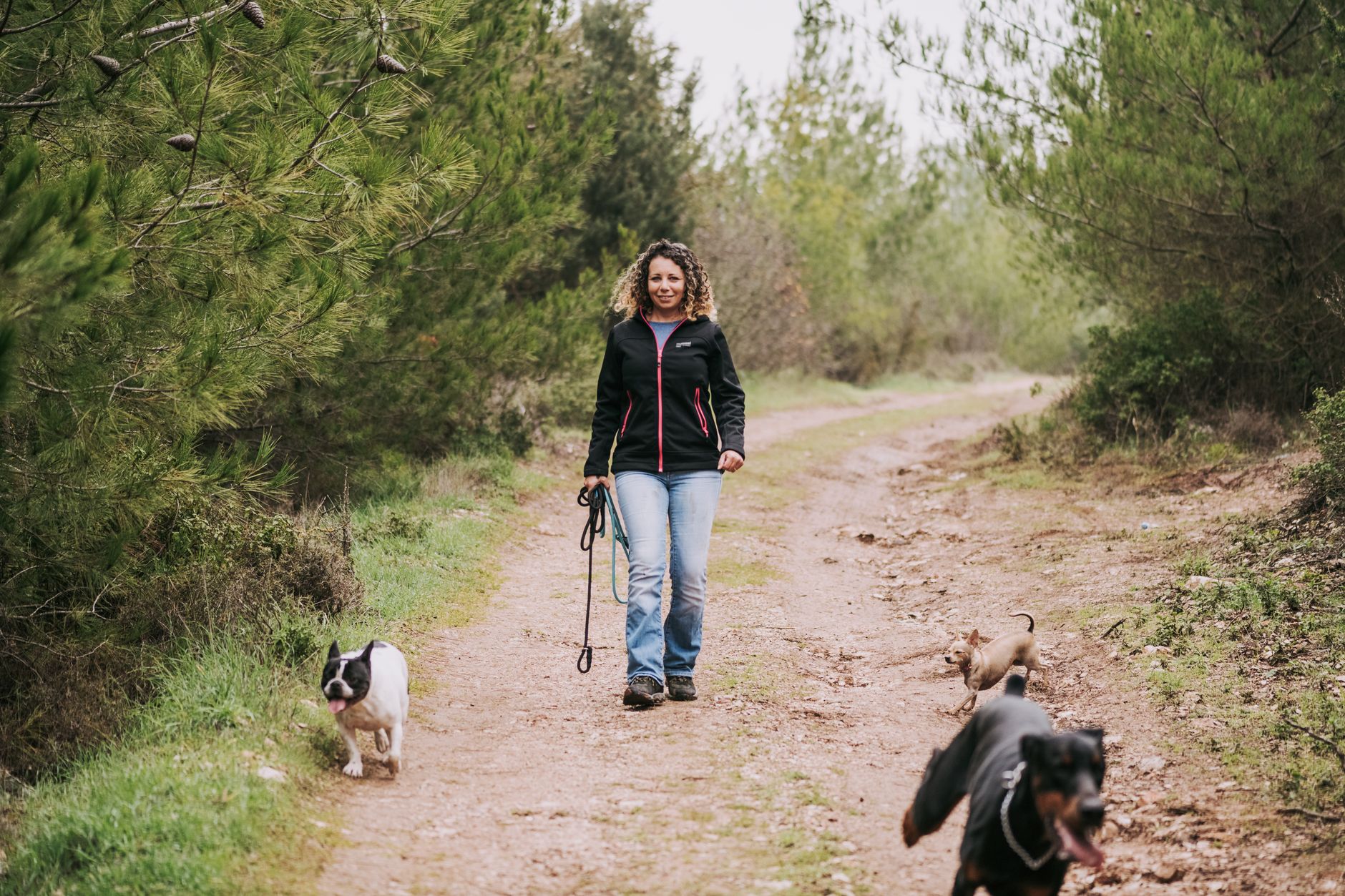
"Dog walking" can mean several things, and choosing makes you easier to book. Solo walks suit nervous, reactive, or elderly dogs and command a higher rate. Group walks are more efficient and cheaper per dog, but need a confident handler and the right insurance and ratios. Many walkers add related services that fill the day and the diary: drop in visits, pet sitting, puppy visits for new owners, and home boarding or day care. Each has different demands and, importantly, different rules, so start with what suits your experience and your local demand, then expand once you have a base.
A clear offer also sharpens how you describe yourself. "Solo and small group dog walking in [your area]" tells an owner in seconds you are right for their dog, which wins more of the right enquiries than a vague "pet services". That clarity is positioning, and it costs nothing.
The Setup: Insurance, Checks, and Kit
The admin is light but it matters, because you are taking responsibility for someone's pet and often their keys. Get specialist pet business insurance before your first paid walk; it covers public liability, the dogs in your care, and key cover, and owners increasingly expect it. Register as a sole trader with HMRC once you expect to pass the £1,000 trading allowance. A canine first aid course is not legally required but is a strong trust signal and a useful skill to have. Your kit is modest: spare leads and slip leads, poo bags, water and a bowl, towels, treats, and a reliable way to transport dogs safely if you collect them. Keep records of each dog's needs, vet details, and an emergency contact from day one.
Know the Licensing Rules
Walking dogs in public usually does not need a national licence, though some local councils run permit schemes for walking multiple dogs in their parks, so check with yours. Home boarding, dog day care, and selling or breeding animals are different: under the Animal Welfare (Licensing of Activities Involving Animals) Regulations 2018, you need a licence from your local council to run those from England, and similar rules apply across the UK. The official GOV.UK animal activity licensing guidance sets out exactly what needs a licence and the standards involved. If you plan to board or run day care, factor the licence and the welfare standards into your plan from the start rather than discovering them later.
Price Your Dog Walks for Profit
Price the service, not a vague hourly rate, and factor in the unpaid time: travel between dogs, collection and drop off, and admin. A common mistake is undercutting to win work, which traps you in long days for thin margins. Solo walks carry a premium because they are one to one; group walks earn more per hour but need more dogs and the right setup. For a sense of the going rate, the average UK dog walk costs around £11.25, rising to about £13.45 in London, so price against local norms rather than guessing. Regular bookings can sit slightly below ad hoc rates because they are reliable and efficient, but never so low that a full week leaves you tired and broke. Charging a fair, confident price also signals that you take the responsibility seriously, which is exactly what an anxious owner is looking for when they hand over a lead and a key.

Get Your First Clients
This is where a new dog walking business succeeds or stalls. Lead with local search, because an owner typing "dog walker near me" is ready to book. Set up and complete a Google Business Profile with your area, your services, and real photos of happy dogs you walk, then gather reviews from every satisfied owner, because the walker with more recent, higher rated reviews wins the enquiry before an owner has read a word else. Reviews carry extra weight here, since trust is the whole decision when someone is letting you into their home and taking charge of their dog.
Beyond search, local Facebook groups, community boards, and a friendly relationship with the nearby vet, groomer, and pet shop send a steady stream of word of mouth. A card on the right noticeboards and leaflets through doors in the streets you want to cover still pull for this work. For the wider playbook, marketing for local businesses goes deeper, and side hustle ideas UK covers turning a small start into steady income. Asking every happy owner for a review and a referral is the cheapest way to find the next client, and our guide on how to get more Google reviews makes the ask a habit.

Keep Dogs and Owners Happy
The money in dog walking is in the regular round, because a standing slot every weekday is predictable income that costs nothing to win again. After a first walk that goes well, ask for the regular booking directly, and keep the owner reassured with the small things that build loyalty: a quick photo or note after each walk, turning up on time, and flagging anything you notice about their dog's health or mood. Owners stay with a walker they trust completely, and those trusted regulars become your best source of referrals to other dogs in the same streets and parks.
Your First 90 Days
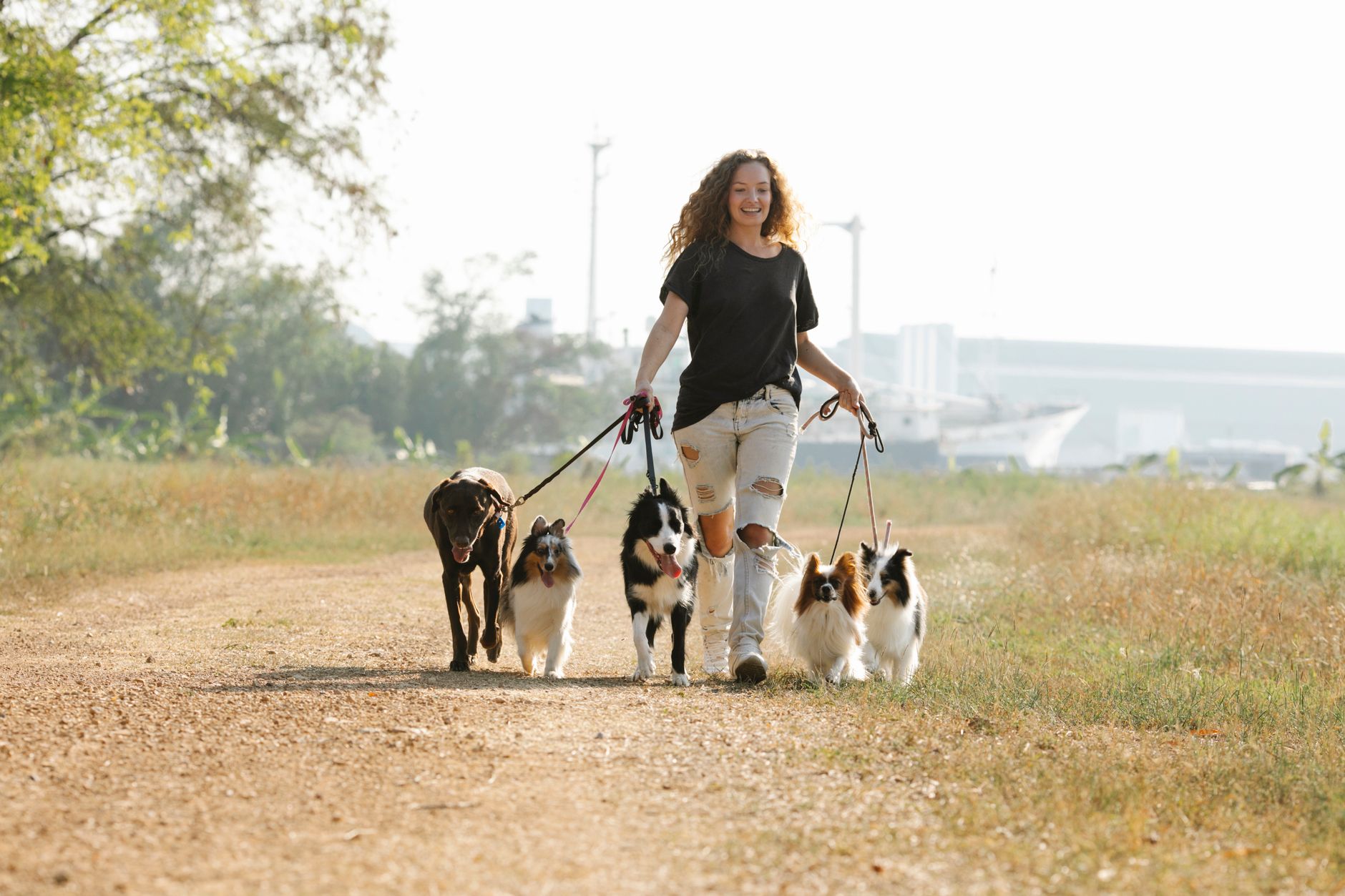
A realistic plan keeps the start manageable. Spend the first fortnight on setup: insurance, your Google Business Profile, a simple price list, and a canine first aid course if you can. Use the following weeks to win your first two or three clients through local groups, the vet's noticeboard, and word of mouth, even at an introductory rate, because the goal now is proof, reviews, and a routine. By month two, ask every happy owner for a review and the regular slot, and let those reviews start lifting you in local search. By month three you should have a small core of weekday regulars, a handful of reviews doing your marketing for you, and referrals arriving without spend. Grow into more dogs deliberately, keeping your ratios safe and your standards high, rather than saying yes to every request until the days become a scramble.
Common Mistakes New Dog Walkers Make
A few avoidable mistakes cost new walkers clients and confidence in the first months. The biggest is skipping insurance and the paperwork, because one accident without cover can end a young business, and owners now ask for proof before they hand over a key. Sort the insurance, the records, and the registration before the first paid walk, not after.
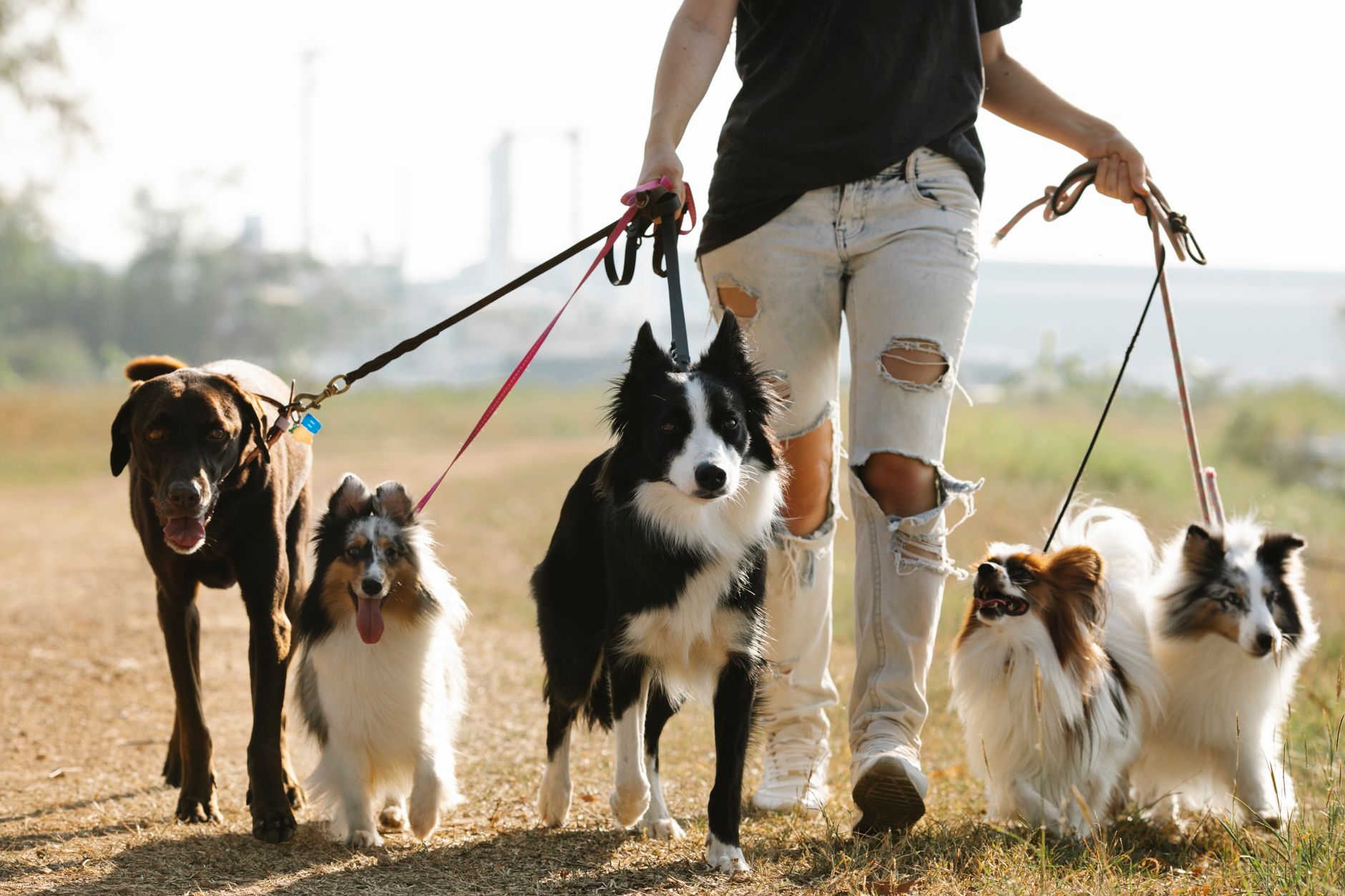
The second is taking on too much too fast: large groups before you have the handling experience and the right insurance ratios, or more dogs than you can collect, walk, and return safely in a day. A scramble shows, and a tired walker makes mistakes with other people's pets. Grow the round deliberately, keeping every dog safe and every owner reassured, and the referrals will fill the diary faster than overreaching ever could.
The third is underpricing to win work. The cheapest walker in the area attracts owners who leave the moment someone cheaper appears, and it caps your income at the exact point you are proving you are reliable. Charge a fair, confident rate from the start, because the owner trusting you with their dog and their home is buying peace of mind, not a bargain.
The fourth is being hard to find or slow to reply. An owner searching for a walker books the one who answers first and looks trustworthy, so a thin Google Business Profile with no photos or reviews loses work to a complete one before you have said a word. Set the profile up properly, gather reviews from day one, and reply to enquiries quickly while the need is fresh.
The fifth is neglecting the relationship once a client is on board. Dog walking runs on trust, and trust is built in the small things: turning up on time, a quick photo after the walk, flagging anything you notice about the dog, and never cutting a walk short. Owners stay for years with a walker who clearly cares, and drift from one who treats it as a chore. And the last is a missed habit rather than a mistake: not asking for reviews and referrals. A single sentence at the end of a good week, would you mind leaving a quick review, and do you know a neighbour whose dog needs walking, is the cheapest marketing in the business. Build the ask into your routine from the first client, and the round grows itself.