Why Local Promotion Is Different
Promoting a local business is not a smaller version of national marketing. The pool of customers is finite, they live or work within a short distance of you, and most of them buy at a specific moment of need rather than on a whim. A boiler stops working, a school run leaves time for a coffee, a special occasion needs a table booked. Your job is to be the obvious choice when that moment lands for someone close by.
Three plain ideas from marketing science explain why some local businesses grow while others stay flat, and naming them makes the rest of this guide easier to apply.
- Local mental availability. Being the business that springs to mind first when someone nearby is ready to buy. You build it by showing up consistently in the handful of places your local customers already look, so you are the name they remember when the need arrives.
- Social proof. People trust the judgement of other local people more than any claim you make about yourself. Recent reviews, photos, and word of mouth are how a stranger decides you are safe to choose at the exact moment they are deciding.
- Clear positioning. Being obviously right for a specific local customer. When a visitor can tell in seconds that you are built for someone like them, in their area, they pick you over a vaguer competitor without thinking hard about it.
You do not need to study any of this to use it. The channels below put all three to work, and our hub on marketing for local businesses sets out the wider strategy they sit inside.
Own Your Google Business Profile
For a local business, your Google Business Profile is the most valuable piece of marketing you control, and it is free. When someone searches for what you sell near them, or pulls up the map, your profile is what decides whether you appear, where you rank, and whether the click goes to you or the business next door. It is the front door to local mental availability, and most small businesses leave it half built.
Claim the profile and complete every field. Pick the correct primary category and add the secondary categories that fit. Set accurate opening hours and update them for holidays. Add real photos of your premises, your team, and your work, because a profile with genuine photos earns far more clicks than a bare one. List your services with short descriptions, add your service area if you travel to customers, and keep your name, address, and phone number identical to how they appear on your website and everywhere else online. That consistency is a ranking signal, and small mismatches hold you back.
Then keep the profile alive. Post updates, offers, and events through it. Answer the questions people leave. Reply to every review, good or bad. An active profile signals to Google that the business is real and current, and it signals to a searcher that you pay attention. This is the single highest-return hour you can spend on local promotion, and once it is set up it keeps working without you.

Build a Steady Flow of Reviews
Reviews are how strangers decide you are trustworthy before they have read a word of your website, and for a local business they are decisive. A business with more recent, higher-rated reviews ranks better in the map results and wins the click ahead of a competitor with a thin or stale profile. The behaviour is near universal: BrightLocal's 2026 Local Consumer Review Survey found that 97% of consumers read reviews for local businesses when deciding where to spend. If reviews are the weak link in your local promotion, you are losing customers at the moment they are choosing.
The reason most local businesses have few reviews is simple: they never ask. Happy customers rarely think to leave one unprompted, so the flow dries up. Build a habit of asking every satisfied customer, at the natural high point, right after a good job done or a meal enjoyed. Make it effortless by sending a direct link to your review form, so leaving feedback takes a tap rather than a hunt. Reply to each review when it lands, thank the good ones by name, and answer the critical ones calmly with a fix. A recent, growing set of reviews is social proof doing its job, and it compounds: the more you have, the more the next customer trusts you, and the more Google trusts you too. Our guide on how to get more Google reviews breaks the asking process into a few repeatable steps.

Partner With Other Local Businesses
The businesses around you already have the audience you want, and they are not your competitors. A cafe and a hairdresser, a plumber and an estate agent, a gym and a physiotherapist all share the same local customers without fighting over them. A partnership puts you in front of that shared audience at a fraction of the cost of buying attention from scratch, and it borrows the trust the other business has already built.
Find a few businesses that serve the same local customer but sell something different, and make a specific, mutual arrangement. Recommend each other to customers who fit. Display each other's cards or leaflets. Run a joint offer, where a customer of theirs gets something from you and the reverse. Co-host a small event. The key is that it is concrete and two-way, not a vague promise to mention each other sometime. Each partnership widens your local mental availability into a room of people who already trust the business introducing you, which is why a warm referral from a neighbouring business converts so much better than a cold advert.

Show Up at Community Events
Local promotion is partly about being seen as a real part of the place, not a faceless name. Community events, a market stall, a sponsored local team, a school fair, a charity fundraiser, a stand at a town event, put a face to your business and create the kind of repeated, friendly exposure that builds mental availability over time. People buy from businesses they recognise and feel warmly towards, and showing up in the community is how a small business earns that recognition without an ad budget.
Pick events where your actual customers will be, rather than chasing footfall for its own sake. Bring something useful or memorable, a sample, a small demonstration, a simple game, a giveaway worth keeping, so people leave with a reason to remember you and a way to find you again. Sponsoring a local team or event puts your name on shirts, banners, and programmes that the community sees week after week, which is consistent local exposure for a modest, predictable cost. Capture details where you can, so a one-off meeting at a stall can become a customer later. The point is steady presence in the place you serve, not a single big splash.

Get Into Local Press, Groups, and Listings
There are channels in every local area that already gather your customers, and getting into them puts you in front of people actively looking for local recommendations. Local newspapers and community magazines still carry weight, especially with the audiences many small businesses most want to reach. A genuine story, a new opening, a milestone, a local cause you are backing, a useful seasonal tip from your trade, can earn coverage that an advert never would, and it arrives wrapped in the publication's own credibility.
Local Facebook groups, neighbourhood apps, and community forums are where people now ask "can anyone recommend a good..." every single day. Join the ones that serve your area, be helpful rather than salesy, and you become the name that gets tagged when someone asks. Get listed accurately in the local directories your customers use, keeping your name, address, and phone number identical everywhere, because those consistent listings reinforce your Google ranking and catch searches that never touch your website. None of this costs much beyond attention, and each channel adds another place your local customers keep seeing you.
Make a Simple Local Offer
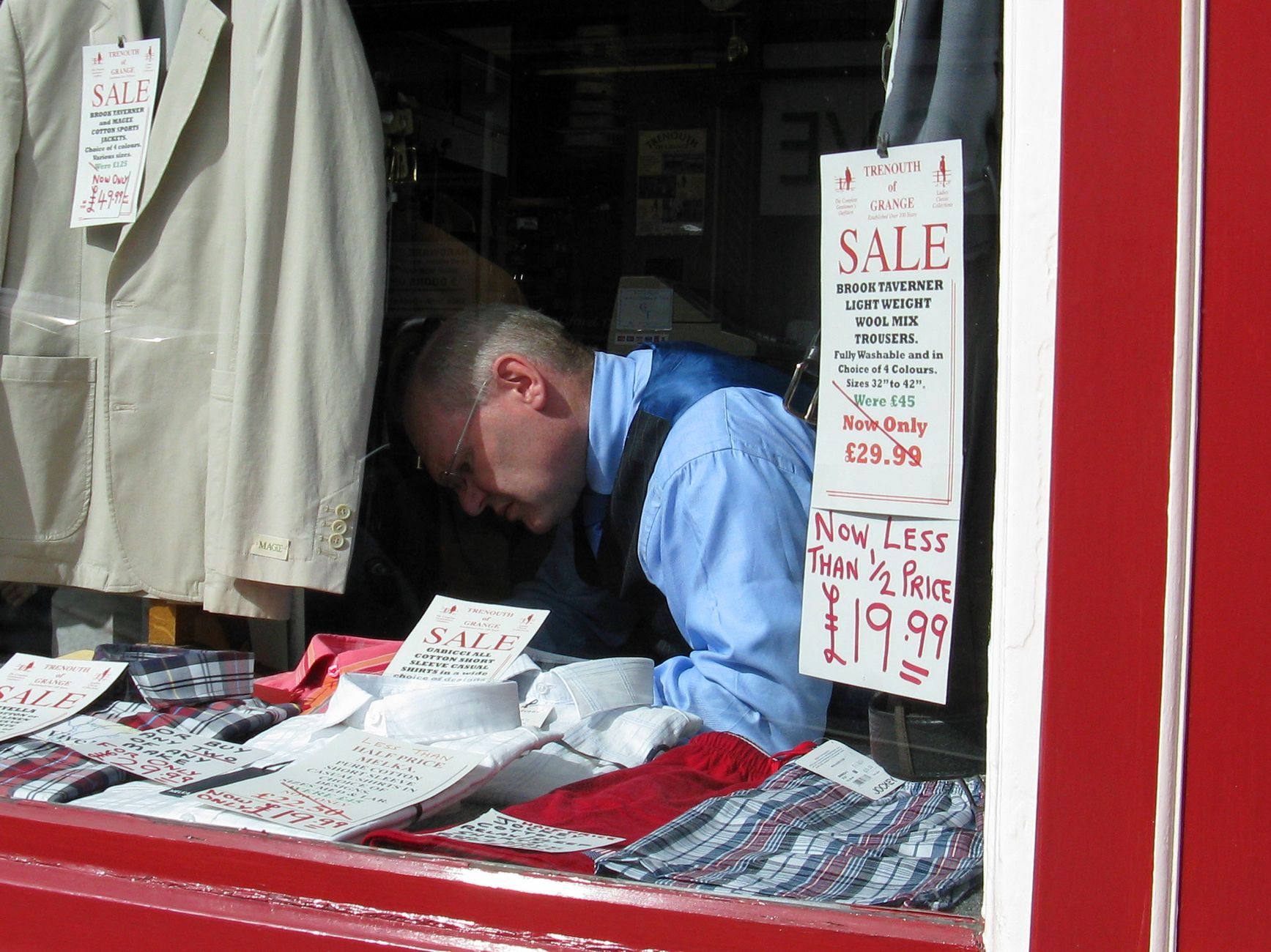
All the visibility in the world is wasted if there is no clear reason to act now. A simple, specific local offer turns interest into a first visit, and a first visit into the chance to win a regular. The offer does not have to be a heavy discount. It needs to lower the bar to trying you for the first time, and it needs to be obvious wherever a local customer meets you.
Make it concrete and easy to understand: a set amount off a first booking, a free add-on with a first order, a local-resident rate, a bundle that makes the first try feel like good value. Put it on your Google Business Profile, in your event giveaways, in your partner arrangements, and in your local listings, so every channel above points at the same clear next step. This is positioning made practical: a well-aimed offer tells the right local customer that you are built for someone like them and gives them a reason to act today rather than someday. Keep it simple enough to track, so you can see which channel brings the offer in and put more behind what works.
A Worked Example
Picture a small business in one town: a salon, a cafe, a trades business, the shape is the same. Today it relies on passing trade and the odd word of mouth, and growth is flat. Over one quarter, the owner works the channels above in order. They complete and start posting on their Google Business Profile, and begin asking every happy customer for a review with a direct link. Within weeks the profile climbs the local map results and the review count grows from a handful to dozens, so more of the people searching nearby find them first and trust what they see.
Then they add reach. They set up two partnerships with non-competing local businesses, take a stall at a community event, and join the busiest local Facebook group, being helpful rather than pushy. Every one of those channels carries the same simple first-visit offer. The effect is cumulative: the same person now sees the business on the map, in a neighbour's recommendation, at the local event, and in the group, so the name sticks. New customers arrive saying they "kept seeing" the business, which is local mental availability and social proof compounding. None of it required an advertising budget. It required showing up consistently, in the right places, with one clear reason to act. For the longer strategy behind that pattern, our guide on how to market a local business goes deeper.