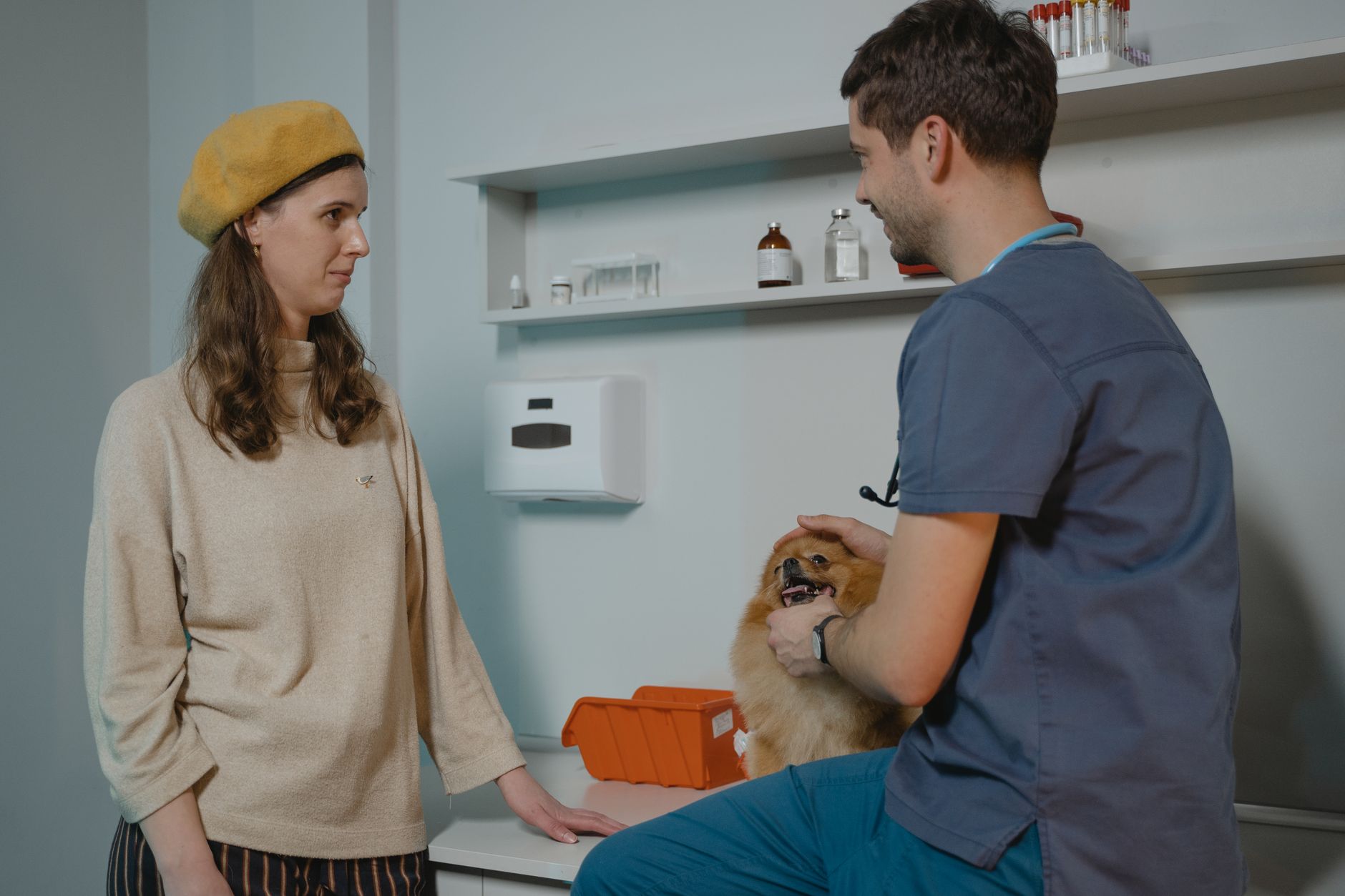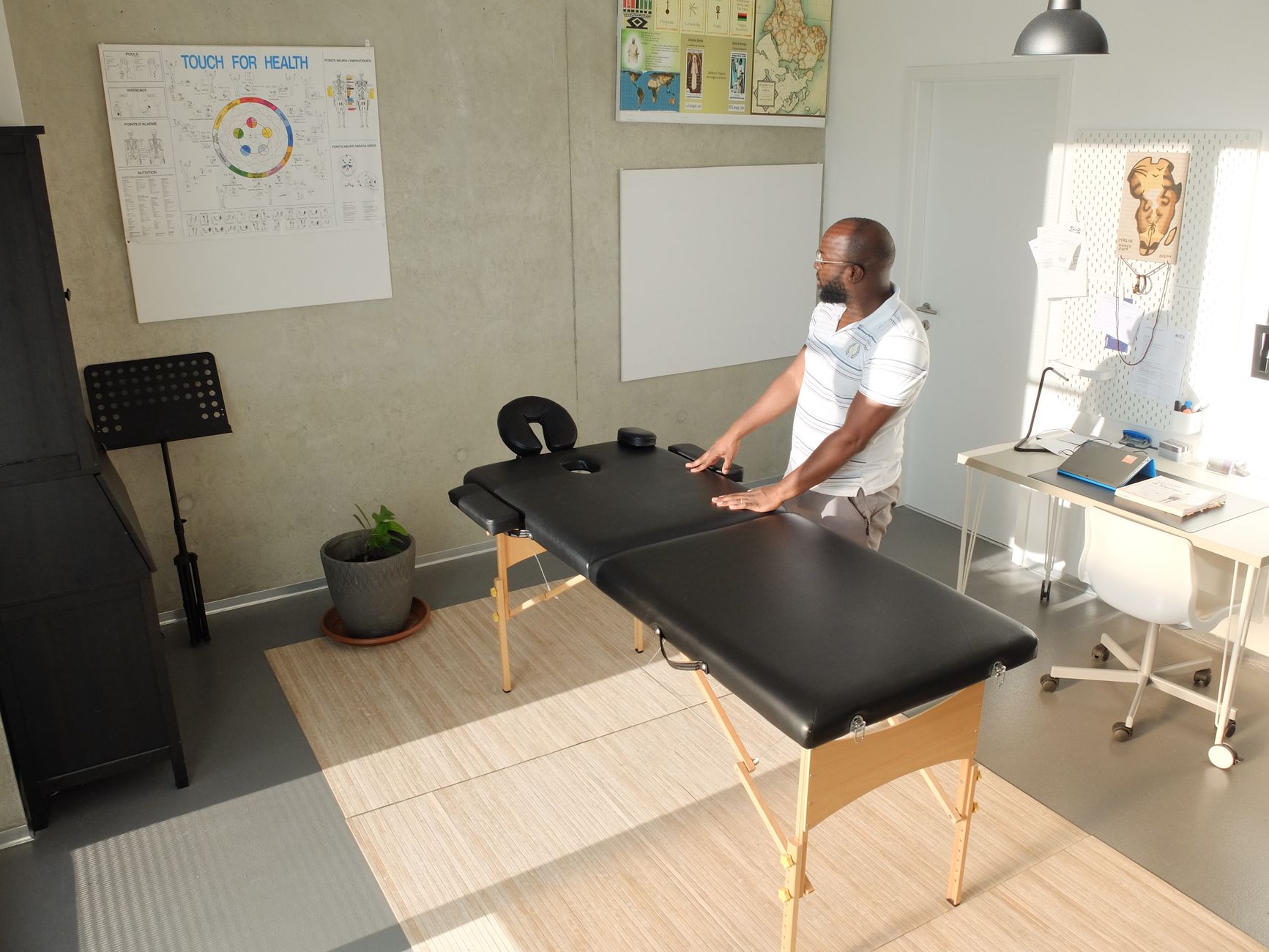

What Is Marketing for Osteopaths?
Marketing for an osteopathy practice covers everything that shapes whether a patient chooses you over another practitioner, finds you in the first place, and comes back or refers a friend. That spans your Google Business Profile and website, the relationships you keep with GPs, physiotherapists and personal trainers, the reviews patients leave, and the small, repeated signals, a consistent name, a consistent tone, a consistent face, that make you recognisable rather than interchangeable. It is a crowded field to be recognisable in. There were 5,653 osteopaths on the register as at 31 March 2026, according to the Professional Standards Authority, and most of them are competing for the same local pool of back pain, sports injuries and postural problems that you are. Marketing is how you become the specific one that pool thinks of first.
How Do Osteopaths Get More Patients?
Osteopaths get more patients by making themselves easy to think of and easy to choose at the exact moment someone needs manual therapy, not by running a single advert and hoping. In practice that means four things working together. A complete, regularly updated online presence, so a search for an osteopath near a specific postcode returns you with current hours, real photos and recent reviews. A deliberate referral network with GPs, physiotherapists, midwives and personal trainers, built over repeated, genuine contact rather than one introductory email. A visible flow of fresh reviews, because trust in a health practitioner is earned patient by patient and shown publicly. And consistency, in your name, your tone and the way you describe what you treat, so the association sticks in someone's memory before they ever need you. The underlying mechanism is what marketing science calls mental availability, and the evidence here is consistent: brands and practices grow by consistently reaching the light, occasional buyers of a category rather than narrowing their effort to people already walking through the door. For an osteopath, that means staying visible to the far larger group who are not booking this week but will need you eventually.

Why Osteopaths Can't Rely on Word of Mouth Alone Any More
Word of mouth still matters, and for many practices it remains the single biggest source of new patients. The trouble is that it is no longer enough on its own. With 5,653 osteopaths now on the register, a patient who used to simply ask a friend now has a search engine, a map full of pins and a page of reviews to wade through before they ever act on that recommendation. Most osteopaths in the UK work in the independent sector, with a small but growing number also undertaking NHS work, which means the majority of practices are genuinely running their own patient acquisition rather than receiving a steady stream of referrals from a single employer. Word of mouth gets someone to consider you. What they do next, whether your profile confirms the recommendation or undermines it with an out-of-date website and no recent reviews, decides whether they book.

How Does Marketing for Osteopaths Differ From Marketing for Chiropractors?
Osteopaths and chiropractors are frequently treating the same patient for the same complaint, often a bad back, a stiff neck or a sports injury, which means you are genuinely competing for attention in the same searches and the same local Facebook groups. The practical difference in marketing comes down to positioning rather than channel. Our guide to marketing for chiropractors covers the chiropractic side of that same crowded search result, and the two professions tend to differ in how they explain their approach to a worried patient, manipulation versus manual therapy, acute pain relief versus whole-body treatment. The lesson for an osteopath is not to copy a chiropractor's marketing wholesale, but to be precise about what makes your particular approach the right fit for the patient you serve best, since most of the independent sector practices in this field are small enough that a clear point of difference is worth more than a generic claim to treat everything.

Growing Demand From Private Health Insurance and Corporate Wellbeing
One of the clearest opportunities for osteopaths sits outside the walk-in patient entirely. Growth in UK healthcare spending since the pandemic has been strongest for voluntary health insurance schemes, which grew by 13.8 per cent in real terms in 2024, according to the Office for National Statistics. That is a growing channel of patients whose treatment is already pre-approved through an insurer or an employer cash plan, and it rewards a practice that has made the effort to sit on the relevant insurer panels, keep its invoicing straightforward, and make clear on its website and Google profile that it accepts those referrals. A practice that only markets itself to self-pay walk-ins is leaving an expanding part of the market for someone else to pick up.

How to Build Mental Availability So Patients Think of You First
Mental availability is the marketing science term for how easily and how often a patient thinks of your practice at the moment they need one, and it is built the same way for an osteopath as it is for any brand, through consistent, recognisable presence over time rather than a single burst of effort. That means the same name, the same tone of voice, and the same visual identity across your website, your Google profile, your social posts and any printed material in your waiting room, so a patient who has seen you mentioned twice already half-recognises you the third time. The evidence here points firmly towards breadth as well as consistency. The strongest growth comes from reaching the whole pool of light, occasional buyers in a category, which for an osteopath means staying visible to the much larger group who are currently fine and will only need you after a bad lift or a long drive, not only the smaller group already searching today. A short, honest weekly post about a common movement problem does more for that recognition over a year than an occasional discount ever will.

How Should an Osteopathy Practice Split Its Marketing Budget?
A common mistake is spending almost everything on short-term activation, an introductory offer, a boosted post, a one-off leaflet drop, while leaving nothing for the steady visibility that builds trust before a patient is ready to book. The clearest evidence on this balance comes from a large dataset of effectiveness case studies, which found that across contexts the optimum split to achieve positive business outcomes is to invest over 60 per cent on brand building and a little under 40 per cent on activation. For a small practice this translates into something practical. The majority of your time and budget should go towards the things that build recognition and trust over months, a complete online profile, a steady flow of reviews, genuine referral relationships, and only a smaller share towards short-term pushes like an introductory assessment offer, which bring in bookings now but do little to grow the pool of people who will think of you next year.

What Channels Work Best for an Osteopathy Practice?
Rather than trying to be the right osteopath for everyone in your area, the practices that grow fastest tend to choose the smallest specific group they can serve exceptionally well, postnatal patients, office workers with sedentary back pain, or local club athletes, and build their channels around that group rather than spreading thin across everyone. A complete, regularly updated Google Business Profile matters more than almost anything else, since it is usually the first thing a worried patient sees before your website. A steady flow of recent reviews, asked for at the end of every appointment rather than occasionally, keeps your public trust signals current. Referral relationships with GPs, physiotherapists and personal trainers bring in patients who arrive already primed to trust you. And for a practice built around a specific specialism, whether that is sports injuries or antenatal care, positioning that clearly on your site and profile rather than listing every possible treatment is the stronger pull, a point our guide to marketing for specialist practices covers in more depth. A clear marketing plan is what keeps these channels working together rather than running as disconnected one-off efforts.

How Do You Turn Patients Into Referrals?
A happy patient does not automatically become a source of new ones. That requires a specific, repeatable prompt, not a hope that they will mention you unprompted. The practices that generate steady referrals tend to do three things well. They give patients something genuinely useful to pass on, a simple stretch, a clear explanation of what caused the problem, something worth repeating to a friend because it has real value on its own. They ask directly and at the right moment, straight after a successful course of treatment, when the relief is freshest, rather than leaving it to chance. And where a patient is willing, they let a real recovery story do the talking, since a specific, honest account of someone's back pain resolving carries far more weight with a new enquirer than a generic claim about your approach ever will. None of this needs to feel like selling. It needs to feel like the natural extension of care you are already giving, made slightly more deliberate.