
What Is Beauty Marketing?
Beauty marketing is everything a hair, skin, nail or wellbeing business does to attract new clients and keep the ones it already has coming back. That spans your Google Business Profile, the way your window display reads from the pavement, the photos you post of finished work, the reviews clients leave after an appointment, and the referral you earn when a client tells a friend. It is distinct from simply doing good treatments, because a salon can do excellent work and still sit half-empty if nobody beyond the regulars knows it exists. Marketing is the bridge between the skill in the chair and the client who has not walked through the door yet. For a business that lives and dies by footfall and word of mouth, that bridge carries more weight than almost any other part of running the business.

How Do Beauty Businesses Stand Out on a Crowded High Street?
A beauty business stands out by being clearly positioned for a specific client, visibly trusted through recent reviews, and recognisable at a glance through a consistent look and name. None of those three things depends on budget. A salon that knows exactly who it is for, that keeps fresh proof from real clients in front of new ones, and that looks and sounds like itself everywhere it appears, beats a bigger competitor that is busy trying to be everything to everyone. The rest of this guide works through each of those three levers in turn, because together they are the actual mechanics of standing out, rather than a vague instruction to "be different".
The Beauty Market Is Growing, but Growth and Profit Are Not the Same Thing
The sector a beauty business competes in is genuinely expanding. UK beauty spend carried its growth through to 2025, rising 10.7% year on year, with the average shopper spending £328 on beauty across the year, according to Barclays. That is a market getting bigger, not smaller, which on its own sounds like good news for anyone running a salon or clinic. The catch is that growth in spend does not automatically mean growth in margin for the people doing the treatments. The National Hair & Beauty Federation's latest State of the Sector survey found an industry that is, in its own words, busy but not profitable, as reported by Scratch Magazine. More client spend is moving through the category, but costs are rising alongside it, which makes the marketing question sharper rather than softer. The businesses capturing that growth are the ones clients choose first, not the ones hoping the rising tide lifts every chair in town.
Why the High Street Is Filling Up, Not Emptying Out
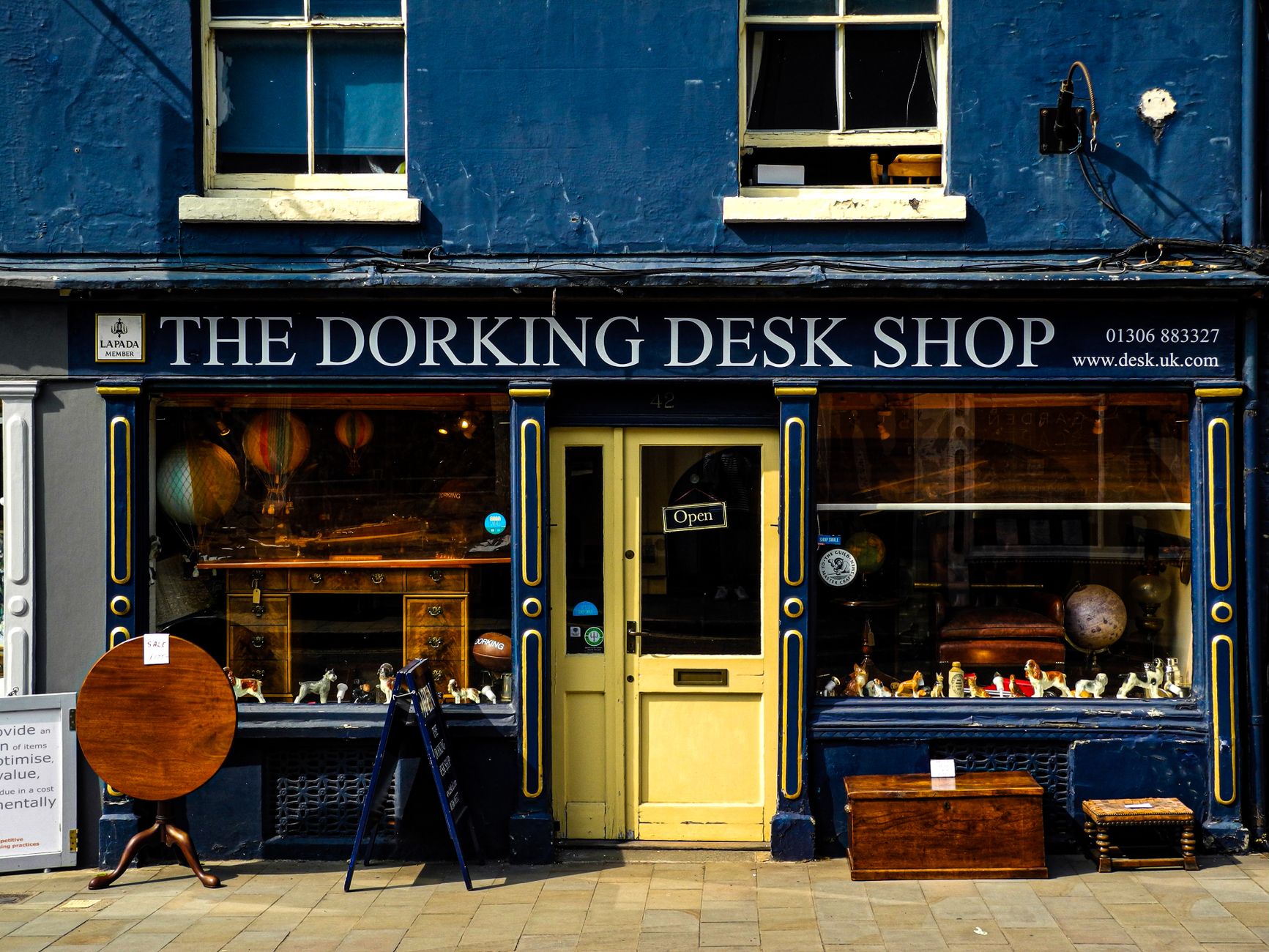
For years, the story told about the UK high street was one of decline, and plenty of owners still plan their marketing around that assumption. The newer data tells a different story in the places that matter most for a beauty business. Central London now has a high street vacancy rate of 7 per cent, alongside an average rateable value of £496 per square metre, according to Centre for Cities. Oxford Street's vacancy has fallen from 4.3 per cent at the end of 2024 to 0.4 per cent by June this year, CBRE's midyear review found, and major Central London streets more broadly now sit at around 5 per cent vacancy or below, with retail parks at 6.1 per cent, the lowest of any format, per CBRE's market outlook. Outside the strongest pitches the picture is more mixed. High street voids across the UK still stand at 13.5 per cent, and shopping centre vacancy at 16.5 per cent, according to Green Street data cited by Savills. Read together, this means the best units are filling fastest, which is exactly where a beauty business wants to be and exactly where it will have the most neighbours. A fuller unit next door is not a threat to ignore. It is a reason to be unmistakable before that neighbour opens its doors.
Loyalty Already Leans Your Way, If You Give Clients a Reason to Stay
Here is a fact that should change how a salon owner thinks about client retention. Despite a fragmented market and cost pressures that would normally send people shopping around for the cheapest price, 78 per cent of UK professional treatment users stay loyal to the same beauty or grooming professional for their treatments, Mintel found. That figure says something important about the whole category rather than about any one business. Beauty and grooming services already sit on a foundation of trust that most retail categories would envy, because the work is personal, repeated, and built on a relationship with the person holding the scissors or the needle. The lesson is not to pour effort into loyalty schemes, since the loyalty is already structurally present once a client has found you. The real lever is getting more of the right new clients through the door in the first place, because once they are in the chair, the category itself does a lot of the retention work. A new client acquired well this quarter is a client this sector's own numbers say is likely to stay for years.
Reviews Decide Who Gets Chosen Before They Ever Walk In
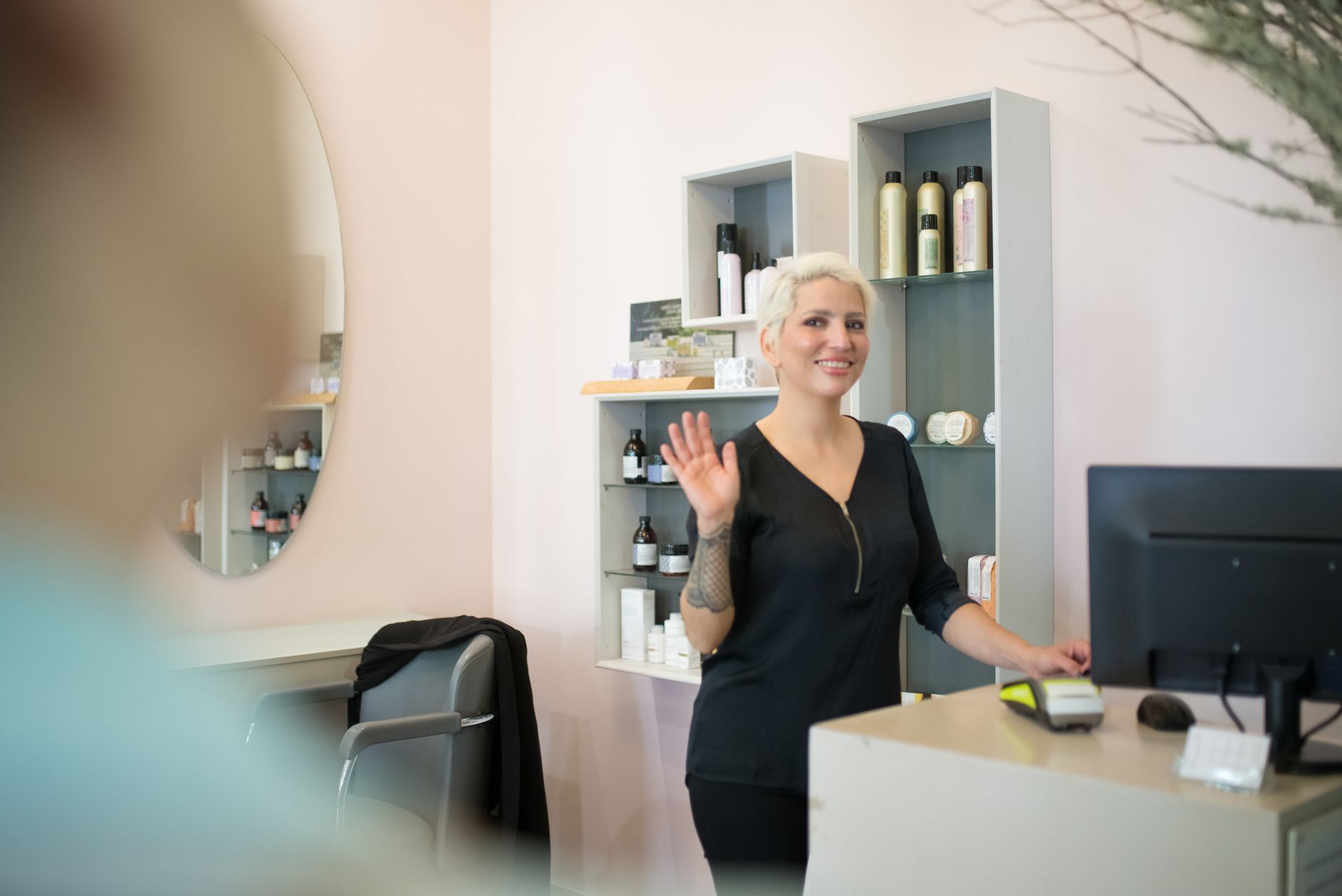
A client deciding between three salons on the same road rarely bases that choice on anything they can see from the pavement. They base it on what other people have said. Nearly half of consumers, 47 per cent, will not use a business with fewer than 20 reviews, and only 9 per cent will take a chance on one with five or fewer, BrightLocal's Local Consumer Review Survey found. For a new salon or a therapist starting out, that is a genuinely hard number to sit with, because it means the first handful of reviews matter disproportionately. Make asking every happy client for a review, on the day of their appointment, a standing habit rather than something you remember to do once a year.
The way clients find those reviews is shifting too. The share of consumers using AI tools to find local business recommendations has climbed from 6 per cent in 2025 to 45 per cent today, per BrightLocal's AI trust research. A client may now ask an AI assistant to recommend a good balayage colourist nearby before they ever open a map app, and that assistant is drawing on the same reviews, the same consistent facts across your website and your Google Business Profile, and the same up-to-date presence that always mattered for search. Keeping your profile complete, your reviews current and your details accurate is no longer only good practice for Google. It is how you get named by the tools your next client is already asking. Our guide to marketing for beauticians goes further into building that local presence channel by channel.

Choose the Position You Want to Own
Standing out starts with a decision most beauty businesses never make deliberately, which is deciding exactly who you are the right choice for and why. Positioning strategist April Dunford frames the starting point plainly: you begin with your competitive alternatives, what the customer would do if your business did not exist, because that is what defines what makes you different, Dunford writes. For a beauty business, those alternatives are rarely the salon two doors down. They include the chain offering a cheaper blow-dry, the mobile therapist who comes to the client's home, the drugstore shelf of at-home treatments, and simply not bothering at all this month. A salon that positions itself against a chain on speed and price is fighting a battle it was never built to win. A salon that positions itself as the place for clients who want a therapist who remembers their skin history and their last three colour formulas is competing on ground a chain cannot follow onto. Decide which alternative you are genuinely better than, for which client, and let that decision shape your window, your booking page and the words you use to describe yourself. Our guide to brand strategy and our deeper look at positioning both walk through how to make that decision properly rather than by accident.
Build Distinctive Assets Clients Recognise at a Glance
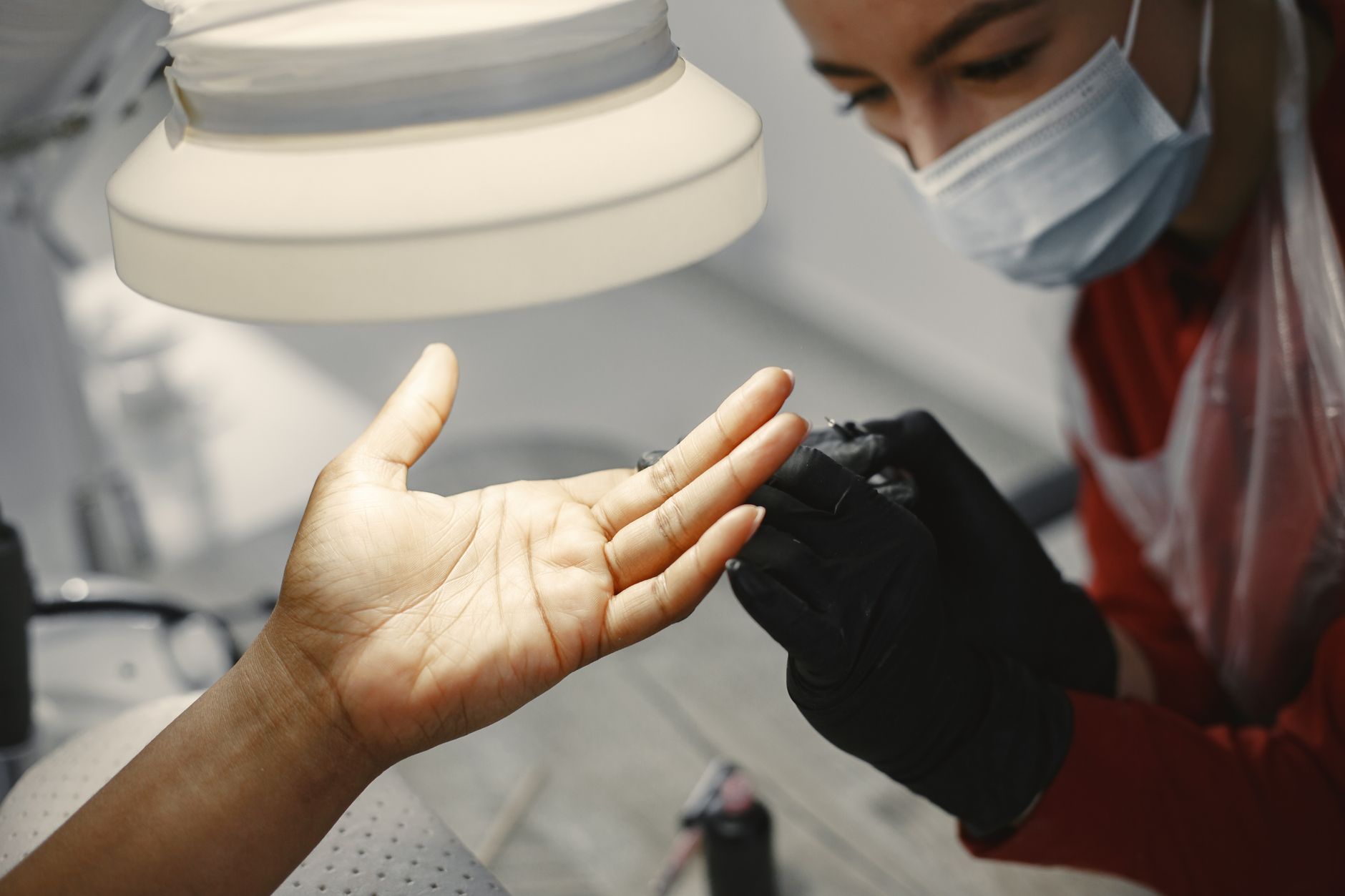
Once you know who you are for, the next job is making sure you are instantly recognisable to them. A brand's mental availability, how likely it is to be thought of or easily spotted in a buying situation, is one of the most reliable predictors of whether it gets chosen, as Mark Ritson's Mini MBA sets out. For a beauty business, this is not an abstract idea. It is your signature colour on the shopfront and the booking confirmation, the same filter and framing on every before-and-after photo, the same tone in every caption, the uniform your staff wear, the scent in the reception, the little ritual every client gets at the end of an appointment. None of it has to be expensive. All of it has to be repeated until a client can recognise your work in their feed before they read your name. A salon that changes its look, its logo and its tone every few months is erasing the recognition it spent the previous few months building. Pick your signals, keep them, and let them compound.
A Beauty Marketing Plan You Can Start This Week
Putting all of this into motion does not require a marketing degree or a big budget. It requires a short list of habits, held consistently.
- Name your client and your alternative. Write down the specific client you serve best and the real alternative they would choose instead of you, and let that shape everything that follows.
- Lock your look. Pick a colour, a tone of voice and a style of photo, and use them everywhere, your window, your social posts and your booking confirmations.
- Ask for a review every time. Build the request into the end of every appointment, on the day, while the result is still fresh in the client's mind.
- Keep your facts current. Check your Google Business Profile hours, services and photos monthly, since this is what both clients and AI tools now read to decide whether to recommend you.
- Post real finished work weekly. A genuine before-and-after beats a polished stock image every time, because it is proof a machine cannot produce.
- Review once a quarter. Check whether your reviews, your bookings and your repeat rate are moving, and adjust the plan rather than abandoning it after one quiet month.
Six habits, held steadily, do more for a beauty business than any single burst of spending. For the businesses working across hair, skin and wellbeing under one roof, our marketing for personal care practitioners page sets out how this applies across a broader treatment list, and how to create a marketing plan shows how to turn these habits into a schedule you can keep.