
What Gets a Wellbeing Business More Bookings?
More bookings come from removing friction and building recognition, not from finding one clever trick. The UK health and wellness market is not a quiet corner of the economy where a good therapist can coast on word of mouth alone. The health and wellness spas sector alone is now worth £8.2bn across 3,794 businesses, having grown at a 13.1% annual rate between 2020 and 2025, according to IBISWorld's 2026 industry report. The UK also holds the sixth-largest spa market and the ninth-largest wellness tourism market in the world, per the Global Wellness Institute. That scale cuts both ways. There are more potential clients than ever, and there are more competitors than ever fighting for the same appointment slot.
In a crowded category, the businesses that win the booking are rarely the ones offering the single best treatment. They are the ones that are easiest to find, easiest to book, and easiest to trust at the exact moment a client decides they need a massage, a class or a session. That decision moment is short and it is not planned in advance for most clients. If your booking page takes four clicks to reach, if your last review is eighteen months old, or if nobody can remember your name when a friend asks for a recommendation, you lose that moment to someone who made it easier. The rest of this guide works through each lever in order.

Make Booking You the Easiest Option
Friction is the quiet killer of bookings, and most wellbeing businesses have far more of it than they realise. Think about the actual steps a new client has to take right now to book with you. Do they have to call during opening hours and hope someone answers? Send a message and wait a day for a reply? Or can they open your Google Business Profile at 9pm on a Sunday and book a Tuesday morning slot in under a minute? Our guide to setting up and using your Google Business Profile covers this in detail, because for most local wellbeing businesses that profile is now the first and sometimes only page a prospective client sees before deciding whether to book.
The practical fix is usually simple rather than expensive. Add a booking link to your profile, your Instagram bio and your website that goes straight to a live calendar, not to a contact form that generates a reply you have to send yourself. Show your real opening hours and keep them accurate, because a client who arrives to find you closed when your profile said open rarely tries again. Every step you remove between "I want this" and "it is booked" recovers bookings you are currently losing to a competitor who made it one click shorter.

Show Up Consistently Where Your Clients Already Look
Bookings compound when a client already half-recognises your name before they even search for a therapist, class or clinic. That recognition is built the same way for a wellbeing business as it is for any brand people choose without much deliberation, through consistent, repeated presence in the places clients already look, rather than one clever post that tries to do all the work at once. A yoga studio that posts the same class times, the same warm tone and the same handful of instructor faces every week becomes the studio a local person thinks of first when a friend asks where to start. Change your name, your look or your message every few months chasing what feels fresh, and you reset that recognition to zero each time.
This matters more as the wider market keeps growing. The UK health and wellness market reached USD 125.59 billion in 2024 and is projected to grow to USD 181.66 billion by 2033, a compound annual growth rate of 3.76%, according to IMARC Group. More money is moving into the category every year, and more of it goes to the practices that are already visible and familiar rather than the ones starting from scratch each quarter. Our guide to marketing for wellbeing businesses sets out the channels worth committing to for this exact reason, so you can pick two or three and repeat them properly instead of spreading thin across everything.

Let Reviews and Word of Mouth Do the Selling
A wellbeing business sells trust before it sells a treatment. Nobody lies on a massage table or steps onto a yoga mat for the first time with a stranger unless something has already told them it is safe to do so, and increasingly that something is a review written by someone else. Make asking for a review a standing part of your closing routine, not an occasional afterthought when you remember. Ask the client while they are still on the table or at the front desk, on the day, when the experience is freshest, rather than in a follow-up email a week later that most people delete unread.
Word of mouth works best when there is something specific and shareable to repeat, not a vague compliment. A client who tells a friend "she fixed my shoulder in one session and gave me three stretches to do at home" is doing marketing for you that no advert could match, because it is specific, it is useful, and it came from someone the friend already trusts. Build that specificity into the experience itself. A short, genuinely useful takeaway handed to every client, a printed stretch sheet, a simple aftercare note, gives people something concrete to mention when the subject comes up, and it costs you almost nothing to produce.

Price and Package Sessions So the Decision Is Simple
Confusing pricing loses bookings, because a client who cannot work out what something costs or which option applies to them often closes the tab rather than asking. Keep your prices visible and simple. One clear rate for a first session, one clear rate for a returning client, and one clear package price if you offer one, is easier to book against than a menu of six variations that requires a phone call to decode.
Packages also help with the growing appetite for regular wellbeing spending rather than one-off sessions. The broader UK wellness market is valued at over USD 223 billion, with spa market revenue alone exceeding USD 3.7 billion, according to Statista, and a meaningful share of that spend now goes on ongoing memberships and course bookings rather than single visits. A block of six sessions booked and part-paid up front does two things for you. It removes six separate booking decisions down to one, and it gives the client a reason to return before their commitment lapses, which steadies your diary in weeks that would otherwise be quiet.

Stop Losing Bookings to No-Shows and Slow Replies
Every wellbeing practice loses real revenue to two ordinary problems, the client who does not turn up and the enquiry that gets answered too late to convert. Neither needs an expensive fix. A simple automated reminder sent the day before and the morning of an appointment cuts no-shows meaningfully, because most no-shows are forgetfulness rather than a change of heart. Most booking platforms built for small clinics and studios include this as standard, so if yours does not, it is worth switching.
Slow replies matter more than most owners assume. A prospective client messaging on a Friday evening about a Monday appointment has usually messaged more than one practice, and the first clear, friendly reply tends to win the booking regardless of who is objectively the better therapist. This is a genuine test of your systems rather than your skill. Growth in the wider spa and wellness sector has slowed to 1.5% in 2025, reaching £8.1bn, up from £8.0bn in 2024, according to IBISWorld's market size data, a sign that competition for each booking is intensifying even as the category grows overall. In a market growing that slowly, the practice that replies within the hour rather than the day takes the booking the slower one would otherwise have earned.

Serve One Type of Client Brilliantly
Trying to be the right choice for everyone is one of the surest ways to be a memorable choice for no one. A wellbeing business that narrows its focus to a specific type of client, postnatal clients, marathon runners, office workers with desk-related back pain, tends to fill its diary faster than one that markets itself as suitable for anyone with a body. This is not about turning people away. It is about being so clearly the right answer for one group that they refer you without hesitation, while everyone else can still book you, they simply are not who your marketing is built to speak to first.
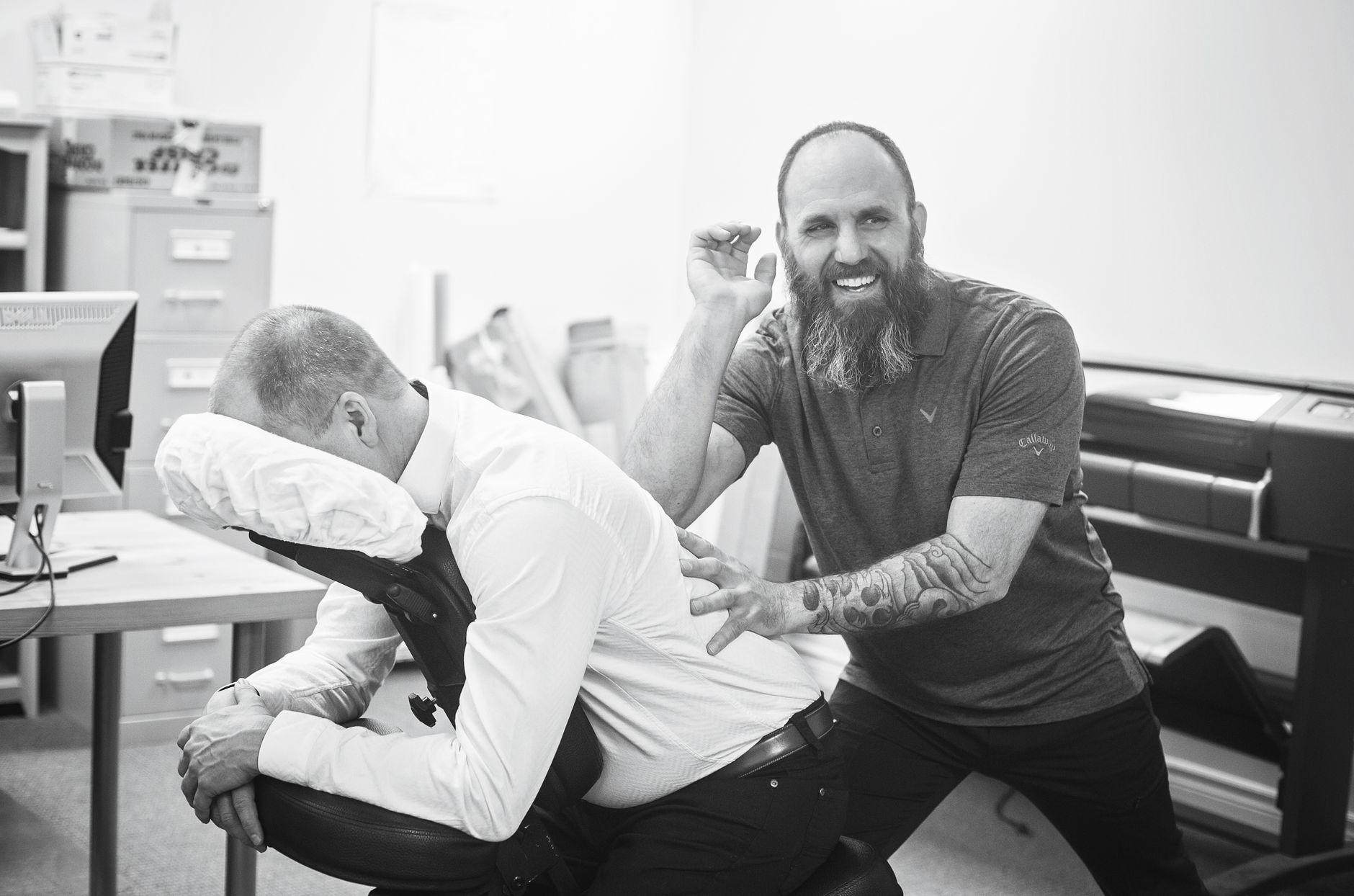
This works particularly well for wellbeing businesses moving into corporate work, where the client is a company rather than an individual and the sales cycle is longer but the value per booking is much higher. The UK corporate wellness sector is worth £708.2m in 2026 across around 101 businesses, growing at a 3.3% compound annual rate since 2020, according to IBISWorld, and the wider UK corporate wellness market generated USD 3,458.6 million in revenue in 2024, projected to reach USD 4,325.6 million by 2030, according to Grand View Research. A massage therapist who decides to become known specifically for on-site chair massage for tech company offices is competing in a smaller, less crowded conversation than one who tries to be a general wellness provider to the whole city, and that smaller conversation is much easier to be remembered inside.
Track the Numbers That Move Your Diary
Most wellbeing business owners track how busy they feel rather than what is driving bookings, which makes it hard to know what to repeat and what to drop. Three numbers are worth checking monthly. First, where new bookings came from, a search, a review, a referral, a social post, so you can put more effort behind whatever is already working rather than guessing. Second, your no-show rate, so you can see whether a reminder system is paying for itself. Third, the ratio of new clients to returning clients, because a diary full of first-time bookings and no repeat visits usually points to a pricing, aftercare or follow-up problem rather than a marketing one.
None of this needs complicated software. A simple spreadsheet updated once a month, alongside a clear marketing strategy that names who you serve and where you show up, will tell you more about what is filling your diary than any amount of guessing based on how the week felt.