
What Is a Salon Brand, and Why Does It Matter?
A salon brand is the set of consistent impressions, visual, verbal and experiential, that make your business recognisable and that sit in a client's mind as a reason to choose you over the salon two streets away. It is built from a few deliberate choices: who you serve best, what you want to be known for, and the details you repeat every single time so they start to mean something. A brand is not a rebrand project you do once and file away. It is a discipline you practise every day a client sits in your chair.
Why does this matter for a business that could do good treatments and let word of mouth carry it? Because the sector is genuinely crowded. Official statistics on the hairdressing and beauty salon sector describe it as one of the most fragmented parts of the UK economy, dominated by small, independently owned businesses rather than national chains, according to the Office for National Statistics. Industry analysis of the sector points the same way, describing intense competition between thousands of independent operators, with low barriers to entry keeping new salons opening on every high street according to IBISWorld's analysis of the sector. In a market that crowded, being good is not enough on its own. Plenty of good salons close because nobody outside their existing clients ever heard of them. A brand is what makes a good salon a known one.

How Do Salons Attract Clients?
Salons attract clients mainly through recognition and proof rather than persuasion. Someone thinking about a facial, a fresh set of lashes or a colour appointment rarely sits down and weighs up detailed arguments. They think of a name that already feels familiar, check what other people say about it, and book. That means a salon attracts clients by being the name that comes to mind at the right moment, backed by evidence that it delivers.
In practice that comes down to four things working together: a clear idea of who you are for, a look and voice that stays the same everywhere, visible proof from real clients, and a strong local search presence, so you show up when someone nearby searches for the treatment you offer. Local search behaviour research shows that consumers routinely check a business's online presence, its reviews and its Google listing, before deciding whether to book, according to BrightLocal's local search statistics. The same research finds that recent reviews carry more weight with consumers than an older stack of five-star ratings, so a steady flow of fresh reviews matters more than a large historic total according to BrightLocal's consumer search behaviour research. A salon that keeps its listing accurate, keeps asking for reviews, and gives clients a consistent reason to remember it is doing the four things that bring people through the door. Our dedicated guide to marketing for hair and beauty businesses goes deeper on the channel-by-channel detail behind this.
Why Positioning Beats Trying to Be "The Best" at Everything
The most common brand mistake in this industry is trying to be everything to everyone. A salon menu with forty services, a mission statement about being "your one-stop beauty destination", and a target audience of literally anyone with hair or skin. That sounds ambitious. It leaves nothing for a client to remember you for.
Positioning is the discipline of deciding, on purpose, what you want to be the best at for a specific group of people, rather than letting the market decide it for you by default. That starts with naming your real alternatives. A high-end colour specialist is not competing with the £15 blow-dry bar down the road, and pretending otherwise muddies both businesses. It continues by identifying the one or two things you genuinely do better than those alternatives, whether that is a specific technique, a particular niche like curly hair or bridal work, or an experience nobody else offers. Then you find the people who care most about exactly that, and you build everything around them.
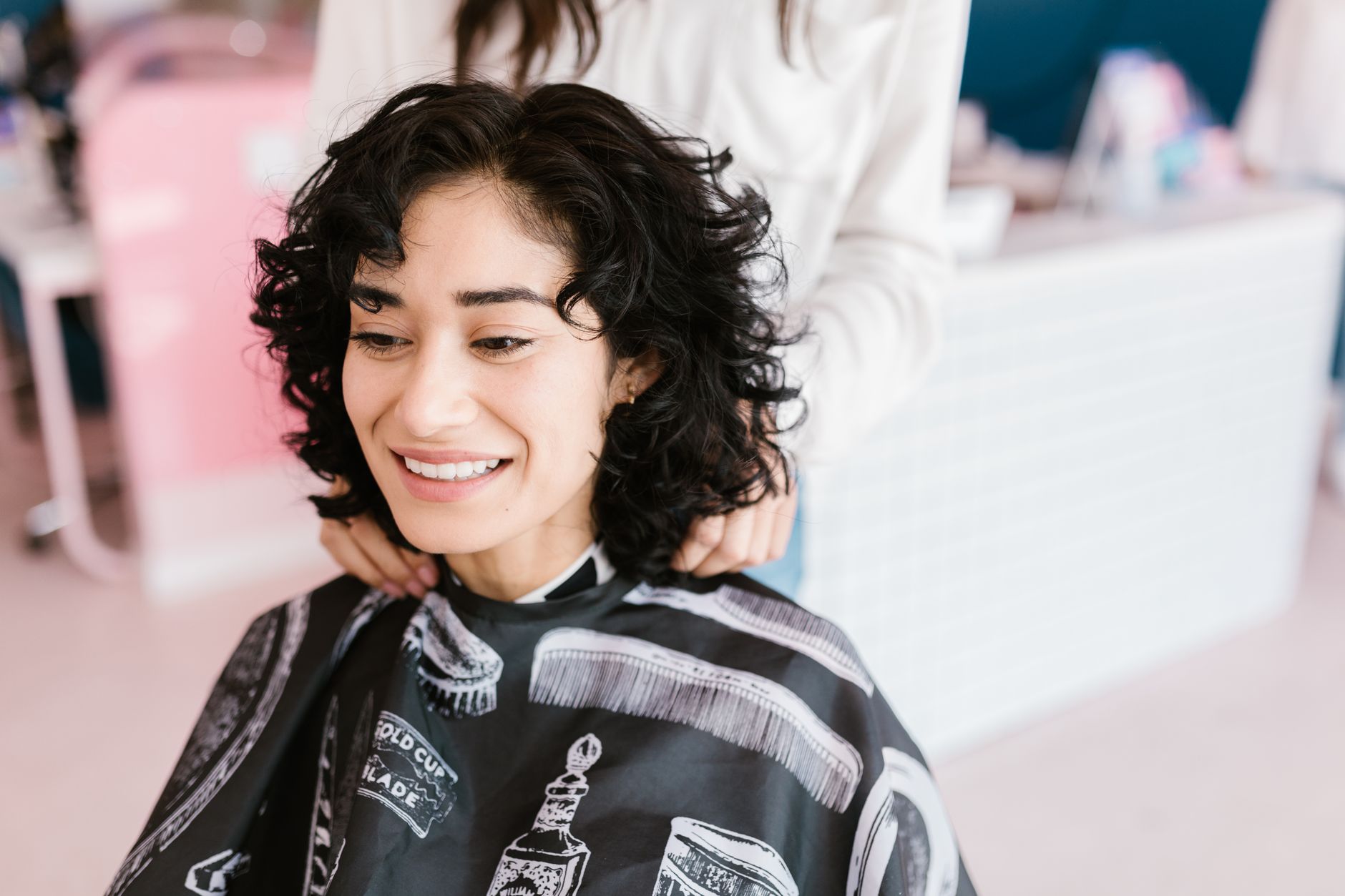
Picture two salons on the same Sheffield street. One calls itself a general beauty salon and lists every treatment it can think of. The other calls itself the curly hair specialist, trains every stylist in the same technique, and only takes clients who want that. The second salon will turn some people away. It will also be the only name that comes to mind the moment someone with curls moves to the area and asks a hairdressing group for a recommendation. Narrow, deliberate positioning is what makes a small salon findable in a crowded market, and it is worth reading alongside our guide to positioning if you want to work through the choice properly.
Building the Distinctive Assets Clients Recognise Without Thinking
Once you know what you stand for, the next job is making it recognisable at a glance, without a client having to read a word. This is where most salon brands stop too early, with a nice logo and nothing else consistent behind it.
Distinctive assets are the small, repeated details that let a client spot your business before they consciously register why: a signature colour used on every wall, every apron and every bag, a specific tone in how your staff greet a client, a scent that plays as soon as someone walks in, a particular way you finish every treatment, a small ritual like a warm towel or a specific playlist. None of these need to be expensive. They need to be the same every single time, because consistency is what turns a nice touch into a recognisable asset. A salon that changes its look, its playlist and its greeting every few months is starting its recognition from zero each time. A salon that keeps the same handful of signature details for years is building an asset that a rebrand could never buy in one go.
This is also where the two or three moments you want to be thought of in matter. A nail bar might want to own the "quick lunchtime top-up" moment and the "special occasion set" moment, and those two situations call for different signals, speed and convenience for one, indulgence and occasion for the other. Naming those moments and building your distinctive touches around them is what turns a pleasant salon into the one people picture the instant the need arises.
The Brand Is the Feeling in the Chair, Not the Logo on the Window
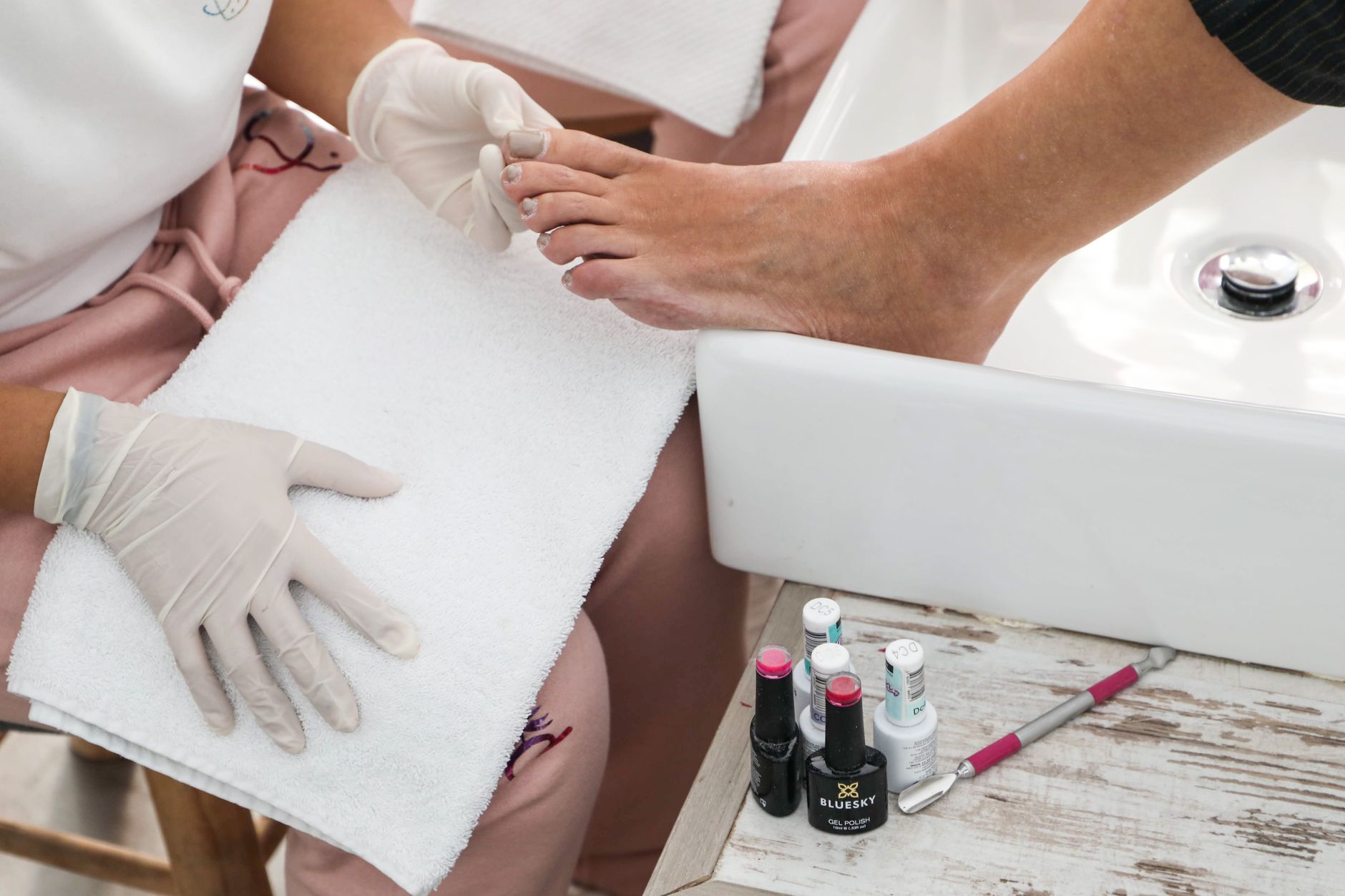
Here is the part that a salon owner focused on Instagram grids and window signage can miss. A brand lives in the gap between what you say about yourself and what a client feels sitting in your chair. If your marketing promises a calm, unhurried experience and the reality is a rushed technician glancing at the clock, the brand a client forms is the rushed one, whatever your website says. The visible identity, the name, the colours, the captions, only works if the experience behind it matches. That means the brand project belongs to the whole team, not whoever manages the social media, because every technician, every phone call and every late-running appointment is writing the brand whether anyone planned it or not.
Practically, this means checking your brand against the real experience regularly. Does a first-time client's actual visit deliver the feeling your marketing promises? Do your staff describe the salon the same way you would? Is the thing you say makes you different visible to a client during the appointment, or only on your website? A salon that closes that gap, so the promise and the experience genuinely match, builds a brand that survives a bad review, because the next ten clients walk out feeling exactly what was promised. Our guide to brand strategy covers how to set these long-term choices down on paper so the whole team is working from the same page.
Turning Local Search and Reviews Into Brand Proof
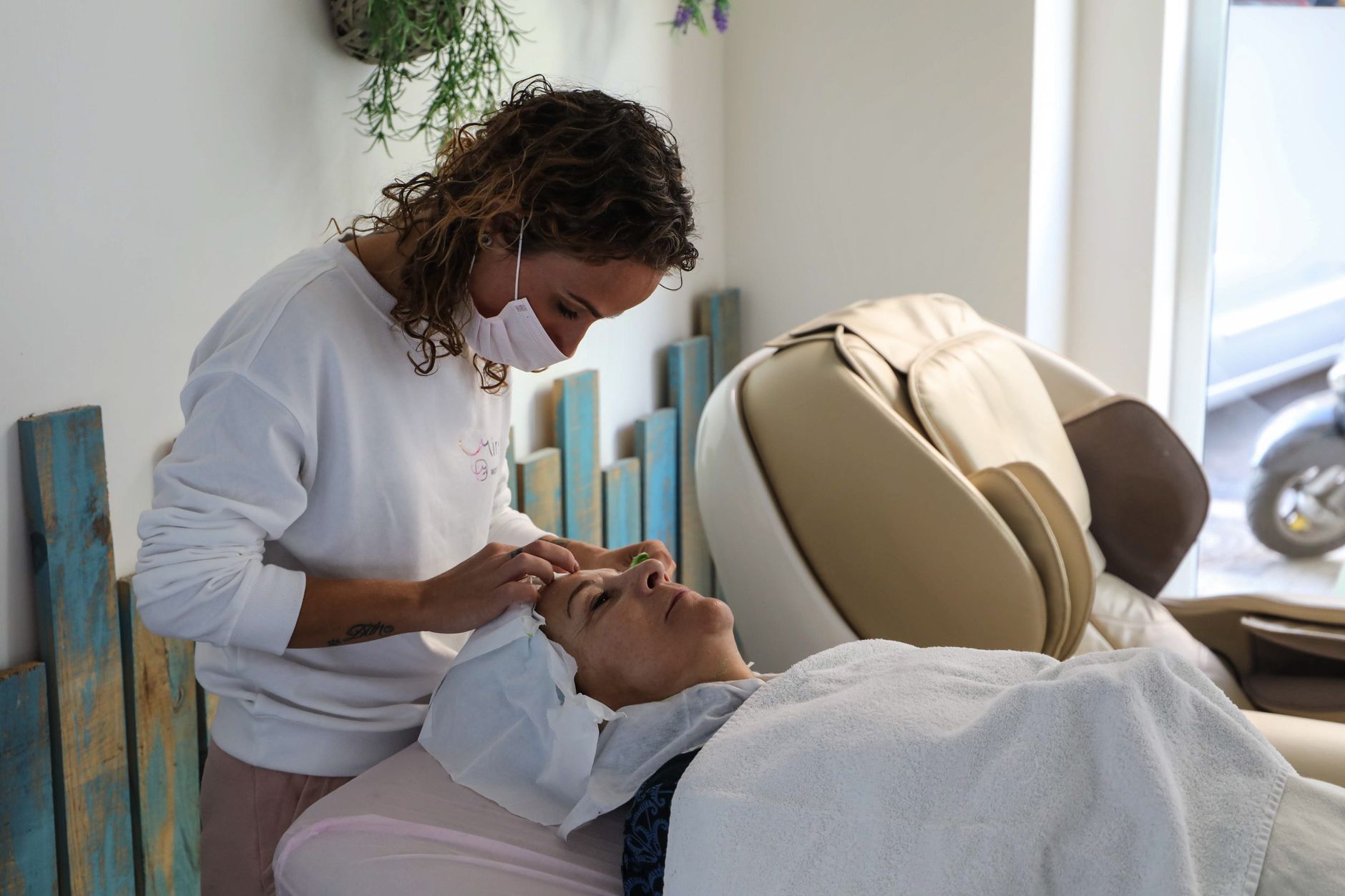
A brand that lives only in your own head does nothing for you. It has to show up in the places a potential client looks before they have ever met you, and for a salon that overwhelmingly means local search and reviews. Local search research also finds that a strong local presence drives footfall directly, since most people researching a nearby service business go on to visit or make contact within a short window of searching, according to Rio SEO's study of local search consumer behaviour. That means your Google Business Profile, your opening hours, your photos and your review count are not admin. They are the shop window most new clients see first.
Reviews specifically are where brand and proof meet. Top-performing salons retain 56 percent more first-time visitors than the industry average, according to research from Boulevard reported by Salon Today, and the gap between salons that turn a first visit into a returning client and those that do not usually comes down to whether the experience matched what the reviews promised. Asking every satisfied client for a review, on the day, while the experience is fresh, should sit on your weekly to-do list rather than being something you remember to do once a year. It is the cheapest, most reliable brand-building activity available to a small salon, and it directly feeds the local search visibility that brings the next client through the door.
Make the Experience Worth Talking About
Marketing does not have to be a straight pitch to work, and a salon has a genuine advantage here because a treatment is already an experience rather than a transaction. Clients remember the moments that surprised or delighted them far more than they remember your prices. A hot towel finish nobody expected, a genuinely funny welcome message, a small hand-written note tucked into a takeaway bag, a signature drink offered every visit, these small pieces of showmanship give clients something to talk about and photograph, which does more for a small salon's reach than any advert.
The strongest version of this is repeated over years rather than reinvented every season. A salon that has offered the same playful signature touch since it opened builds a story clients tell new people, "you have to try the thing they do with the towels", which spreads the brand through conversation far more effectively than a paid post ever could. Entertainment and genuine personality earn attention that a straightforward list of services never will, and for a small salon competing against bigger names, being the memorable one beats being the merely professional one.
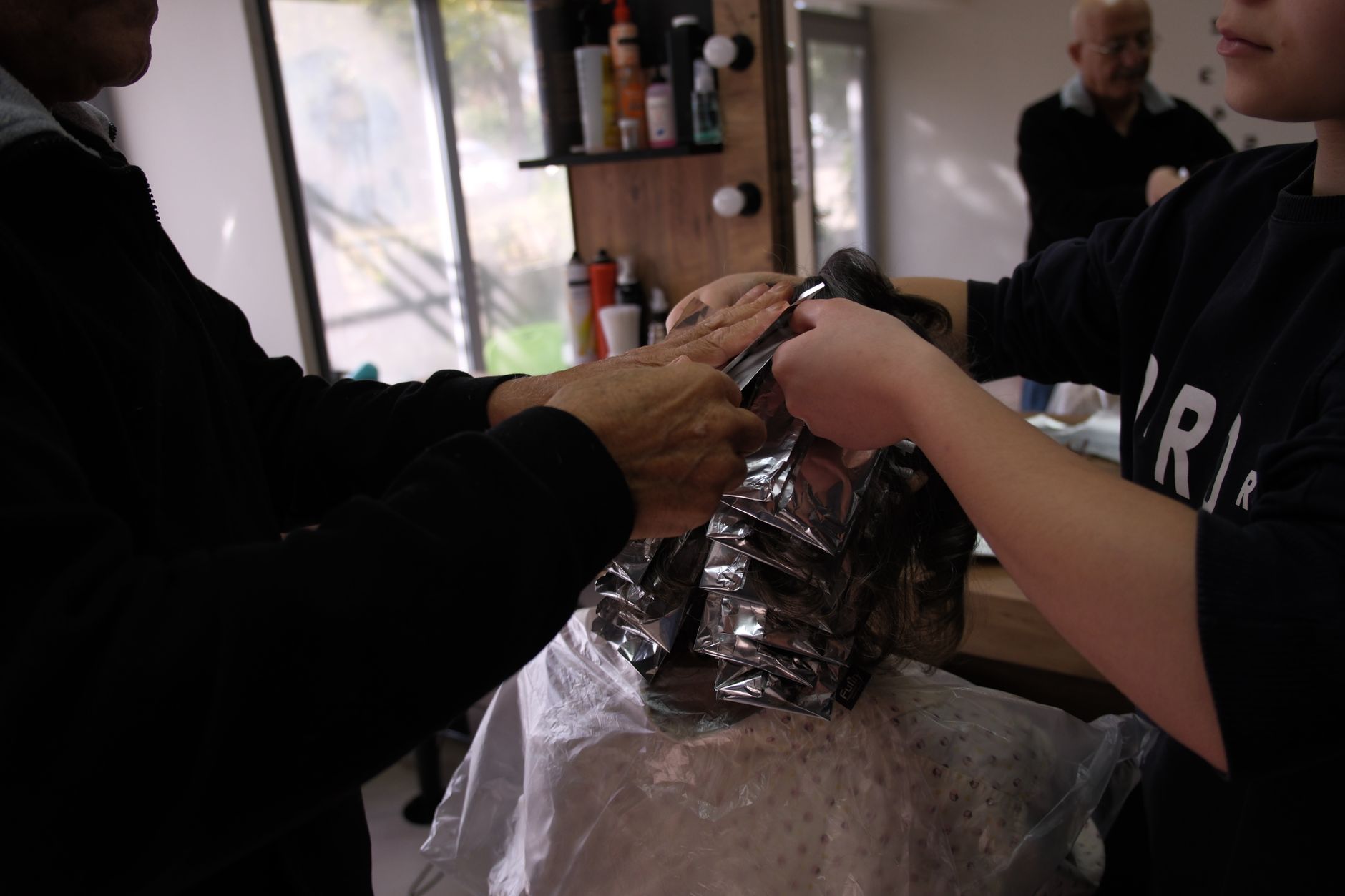
How to Build a Salon Brand, Step by Step
None of this needs a large budget or an agency. It needs a handful of deliberate decisions, held consistently.
- Name who you serve best and what you want to be known for. Pick a narrow group and a clear reason they should choose you, rather than trying to appeal to everyone who owns hair or skin.
- Decide your two or three signature touches. A colour, a scent, a ritual, a greeting, whatever fits your brand, and commit to using every single one every single time.
- Check the real experience against the promise. Sit in your own waiting room. Book a treatment as a stranger would. Fix any gap between what you say and what happens.
- Get your local presence right and keep it right. A complete, accurate Google Business Profile with real photos, updated hours and a steady flow of recent reviews.
- Ask for a review on the day, every time. Build it into the end of every appointment as a standing habit rather than an occasional ask.
- Hold the line for a year. Resist changing your look, your signature touches or your message every few months, because recognition is built through repetition, not reinvention.
Six steps, applied consistently, will do more for a small salon than any single campaign. What comes next is turning these choices into a weekly rhythm of activity, which our guide to marketing strategy walks through in more detail.