Why a Release Plan Beats a Release Day
A single upload with one post behind it asks the streaming platforms to do all the work for you, and they will not. Editorial and algorithmic playlists, the smart radio that feeds people music like the songs they already play, and the recommendation rails all respond to early signals. Saves, playlist adds, repeat listens, and a concentration of activity in the first days tell the platform that real people care about this track, and the platform responds by showing it to more of them. Spread thin activity across a vague window and none of those signals fires hard enough to matter.
A plan fixes that by doing three things. It warms up demand before the song exists publicly, through pre-saves and a heads-up to the people most likely to listen. It concentrates that demand into release week so the early signals land together. Then it keeps the song moving for weeks through video and live moments, so the track has a long tail instead of a one-day spike. The sections that follow build each part, and the worked timeline at the end stitches them into dates you can put on a calendar.
A little marketing science sits under all of this, and it is worth naming in plain English because the same three ideas run through every section below.
- Mental availability. Being the artist who comes to mind when someone is in the mood to press play. You build it by showing up consistently in the places your listeners already are, so when they want something to listen to, your name surfaces before a stranger's does.
- An owned audience. A direct line to your fans that no platform can throttle or take away. Followers on a social app belong to the app, and the reach you get is whatever the algorithm decides to give you on the day. An email list, by contrast, is yours. You can reach every person on it whenever you release something, which is why it is the single most valuable asset an independent artist can build.
- Distinctiveness. The look, sound, and story that make you recognisable in a feed full of music. A consistent visual identity across your cover art, videos, and profiles means a listener who half-remembers you can find you again, and a new listener starts to recognise you after a couple of exposures rather than forgetting you instantly.
You do not need to study any of this to use it. The plan below puts all three to work.
Before the Release: Build the Run-Up
The weeks before a song goes live are where the release is won or lost, and most independent artists leave them empty. Use them to set up a pre-save campaign, warm up your existing audience, and prepare the assets you will need so release week is execution rather than scramble.
A pre-save is a listener telling the platform in advance that they want this track in their library the moment it lands. It matters because all those saves register on release day at once, which is exactly the concentrated early signal the algorithms reward. Set up a pre-save link through a distribution or smart-link tool, then point every channel you have at it: your social profiles, your email list, your bio link, and a pinned post. Treat the pre-save as the single call to action for the whole run-up, so you are not splitting attention across five asks.
While the pre-save campaign runs, build anticipation rather than only announcing a date. Share the story behind the song, a few seconds of the hook, a clip from the studio, the cover art reveal. Each piece gives people a reason to care before they can hear the finished track, and each one is a chance to point at the pre-save. This is mental availability under construction: by the time the song lands, the people most likely to play it have seen it coming for weeks.
Get your assets ready in the run-up too, because release week is no time to be making them. You want the cover art, three or four short-form video clips, a batch of social posts, and a written email to your list all prepared in advance. Lock your visual identity while you do it. Consistent fonts, colours, and a recognisable style across every asset is the distinctiveness that makes you stick in a crowded feed instead of blurring into the scroll.
Playlist Pitching, Done Properly
Playlists are still one of the clearest routes to listeners who have never heard of you, and you have more control over the pitch than most artists realise. There are three kinds worth your time, and they each need a different approach.
Editorial playlists are the ones the platforms curate themselves, and the main lever you have is the pitch you submit through your distributor or the platform's artist tool before the song goes live. Pitch at least a week or two ahead, because late submissions miss the window entirely. Write the pitch like a human introducing the track: the genre and mood, the story, the instruments, where it would sit. Specific and honest beats vague and grand every time, because a curator is matching your song to a real listening context, not grading your enthusiasm.
Algorithmic playlists, the personalised radio and recommendation rails that feed listeners music like what they already play, are not pitched. They respond to the same early signals the whole release week is built to generate: saves, repeat plays, and people adding the track to their own libraries. Everything else in this plan feeds them, which is why concentration in the first week matters so much.
Independent and user-curated playlists are the ones run by individuals, blogs, and small curators in your genre. These you can reach out to directly. Find the curators who already feature music like yours, send a short personal note with a private link to the track and one line on why it fits their list, and keep a simple record of who you contacted and what they said. A handful of well-matched independent playlists can do more for a small release than chasing one giant editorial slot you were never going to land. The point throughout is fit: a curator whose listeners already like your kind of music is worth ten who do not.
Release Week: Concentrate the Activity
Release week is where the run-up pays off. The whole job is concentration: get as much real listening, saving, and sharing as you can into the first few days, because that is the signal that tips a track from invisible to recommended.
On release day, post everywhere you have a presence, and lead with the song itself rather than a polite announcement. Your pre-savers are converting to listeners automatically, so your job is to bring everyone else in. Email your list first, because they are the warmest audience you have and the one platform you fully control. Post the short-form videos you prepared. Update your bio links to point at the new track. Ask the people closest to you to add the song to their own libraries and playlists, because each save is a small vote the algorithm counts.
Then keep going for the rest of the week rather than stopping on day one. Release a second video clip on day three, a behind-the-song post on day five, a thank-you to early listeners over the weekend. The aim is to keep the activity high across the whole window the platforms watch, not to fire everything on the first morning and go quiet. A song that keeps gathering saves through its first week gives the recommendation engines a reason to keep widening its reach, and that wider reach is what carries it past the people who already follow you.

Build a Fan Email List You Own
If you take one thing from this guide, make it this: build an email list. Every other channel you promote on belongs to someone else. Social reach is whatever the algorithm grants you that day, and streaming followers see only the slice of your posts the platform chooses to surface. An email list is the one audience you own outright, the one place you can reach every fan on demand, every time you release something. For an independent artist, it is the most valuable thing you can build, and almost nobody building their own music career does it well.
Start collecting emails everywhere you have attention. Offer something small in exchange: an unreleased track, early access to tickets, a demo, a behind-the-scenes note. Put the sign-up on your bio link, your website, and a pinned post, and mention it from the stage at every show. The trade is simple and fair: the fan gives you a direct line, you give them something they cannot get from a casual follow.
Then use the list, gently and with care. A note when a new song lands, an early heads-up on tickets, the occasional story from the studio. You are not blasting people, you are keeping a relationship warm with the fans most likely to stream every release, buy a ticket, and tell a friend. Over a few releases, that list becomes the engine room of your promotion. While other artists start each release from zero and hope the algorithm is kind, you start with a warm audience you can reach directly, which is the difference between renting attention and owning it.
Short-Form Video and Social
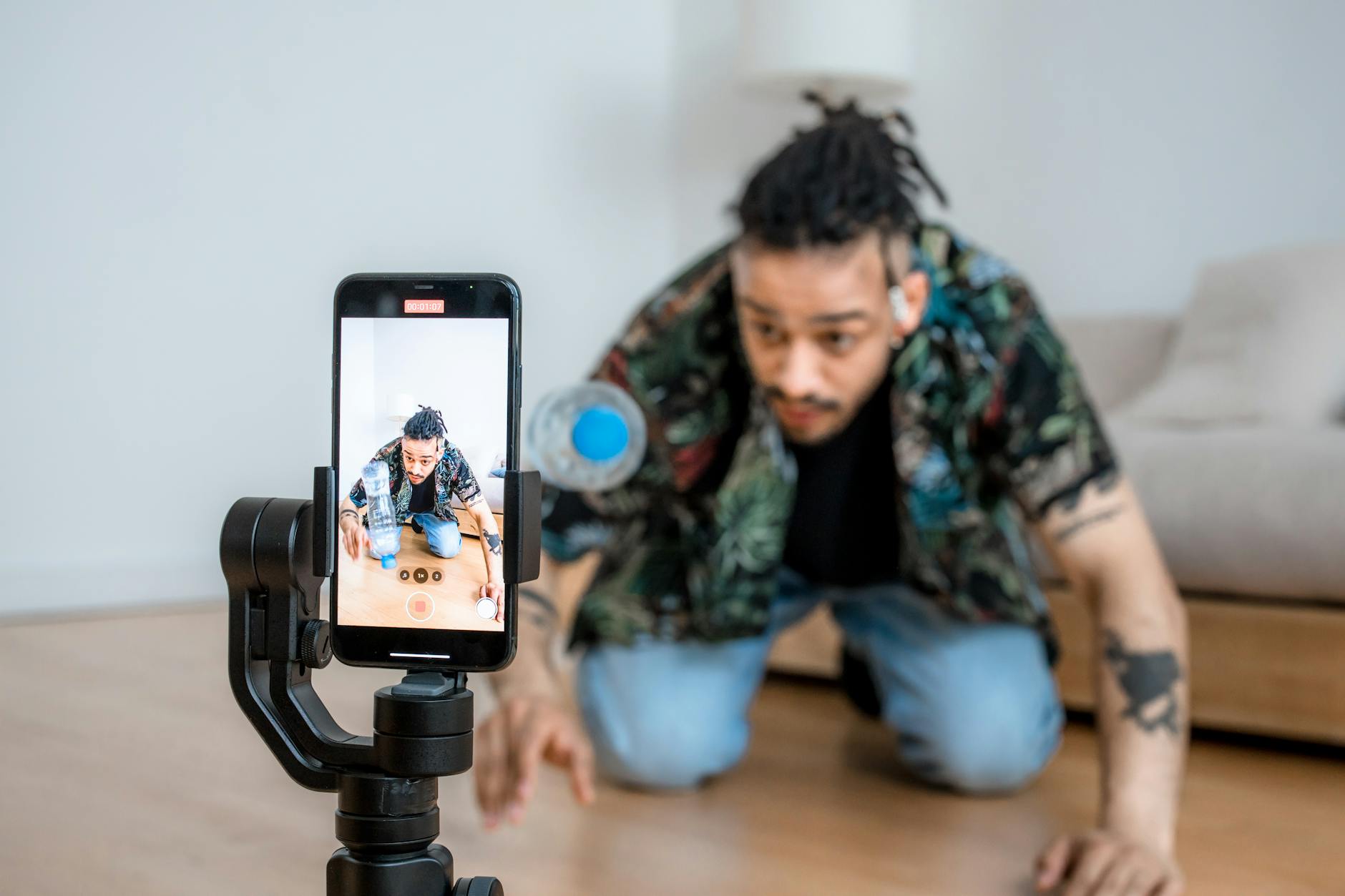
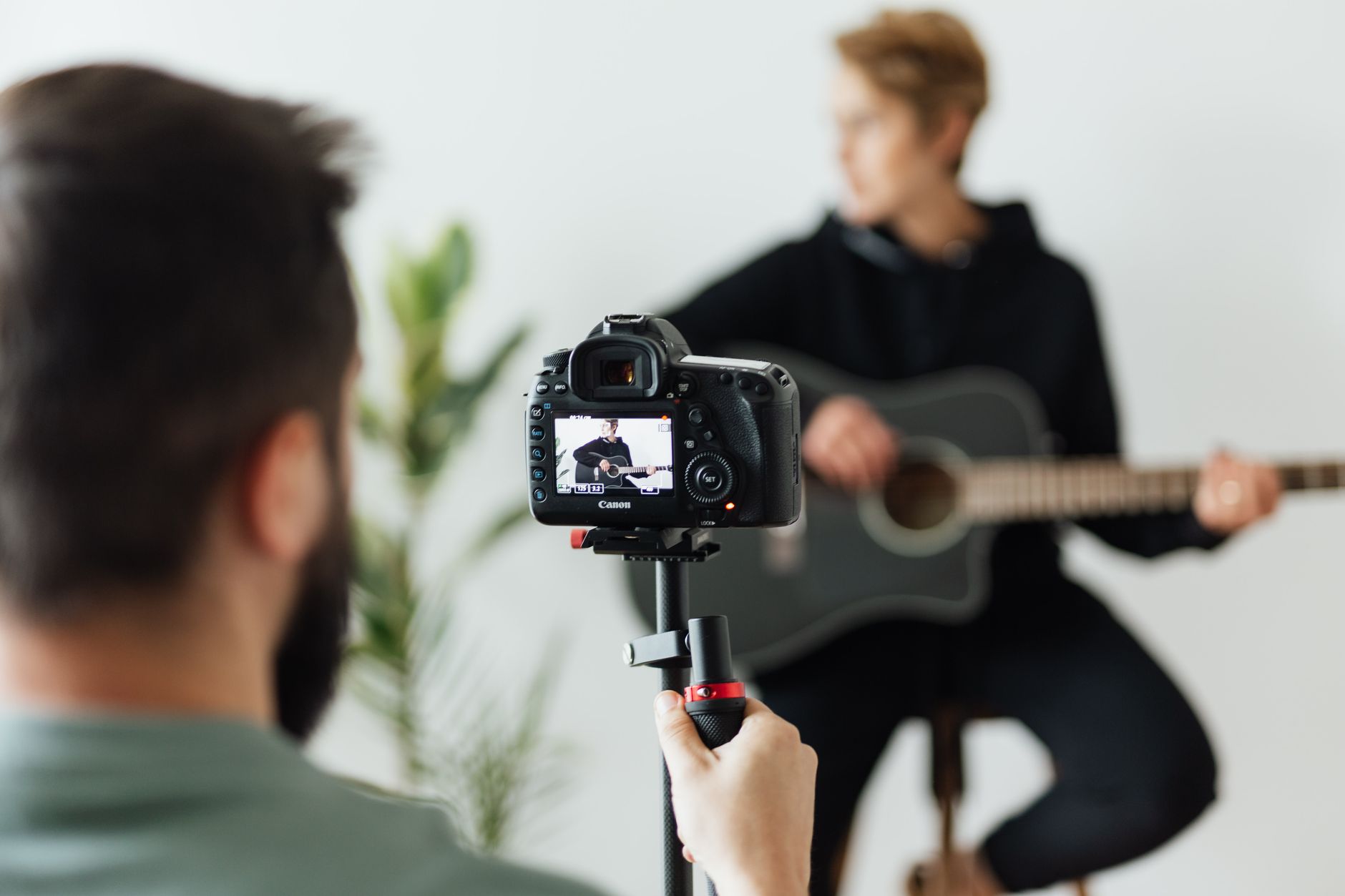
Short-form video is now one of the main ways listeners find new music, and it sits right at the centre of any honest promotion plan. According to the IFPI Engaging with Music 2023 report, video streaming through platforms like YouTube and TikTok accounts for around 31 percent of the time people spend with music each week, almost level with paid audio subscriptions. For an independent artist, that is a discovery channel you can use without a marketing budget, because a clip that connects can put your song in front of people who would never have found it through a playlist.
The craft of it is simpler than it looks. Lead with the strongest few seconds of the song, the hook a listener will remember, rather than building up to it. Make several different clips around one track instead of posting once, because the same song framed three ways reaches three sets of people, and you cannot predict which version travels. Show your face and your story, since people follow artists, not audio files, and the personal angle is what turns a passing view into a follow. Then point everything back to the places that compound, the streaming link in the moment and the email sign-up underneath it.
Treat consistency as part of the work. A recognisable visual style across your clips builds the distinctiveness that makes a half-remembered artist findable again, and a steady posting rhythm keeps you mentally available for the next time someone wants something to play. One viral clip is luck, a steady stream of decent ones is a strategy, and the second is the one you can control.
Live and Local: Turn Rooms into Fans
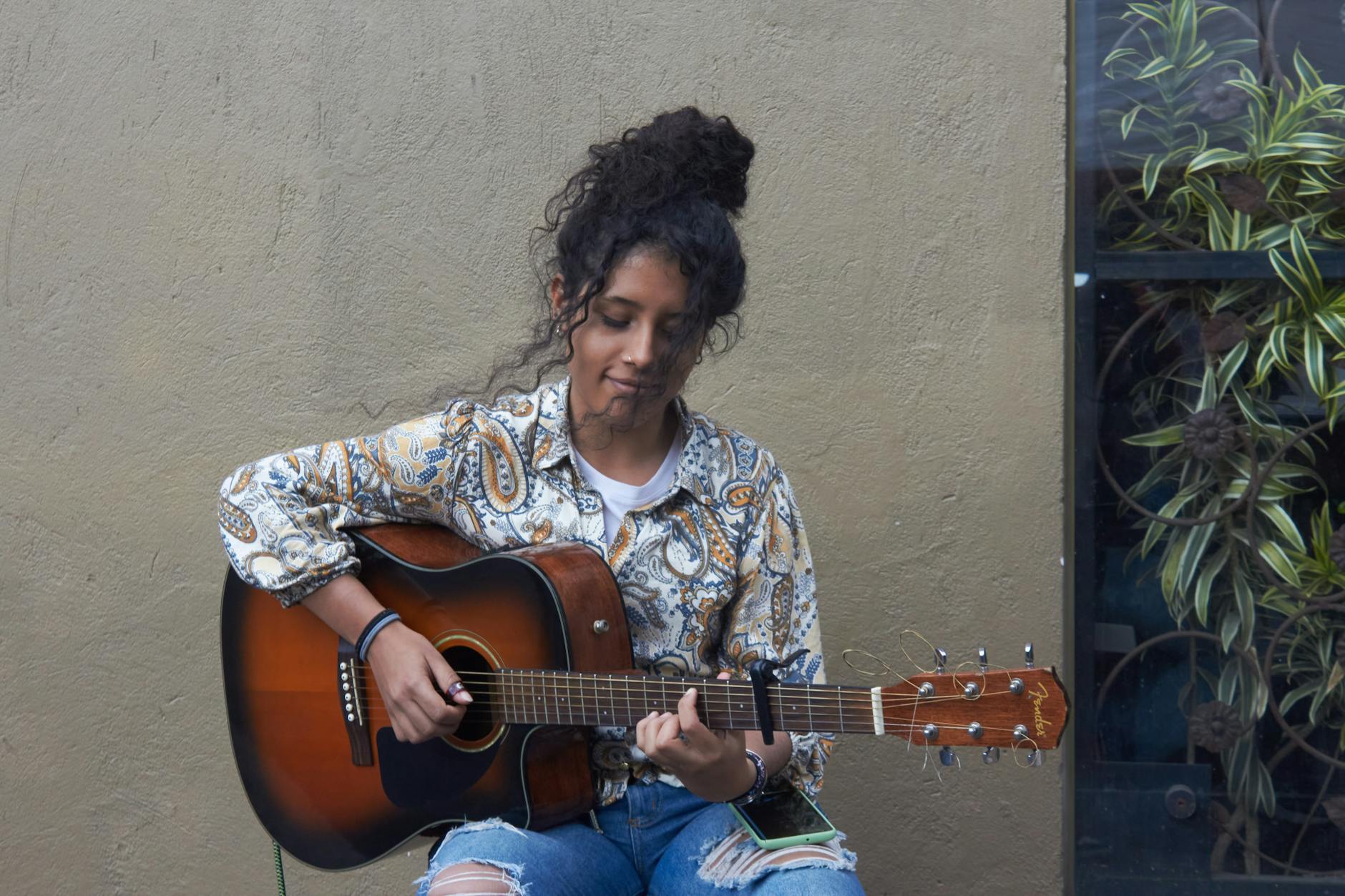
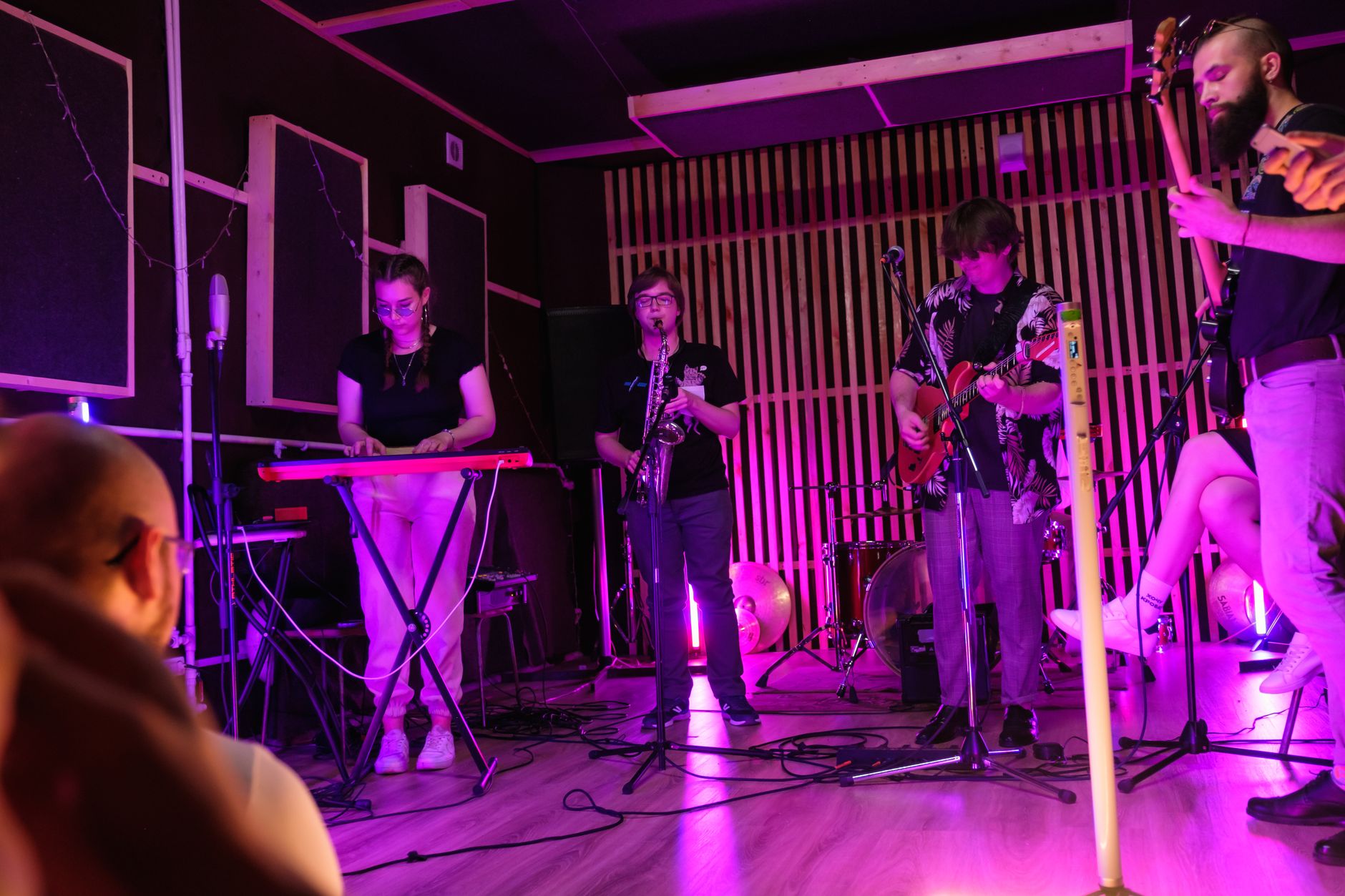
Playing live is still one of the most reliable ways to turn a casual listener into a real fan, because a person who has stood in a room while you played remembers you in a way a scroll-past never matches. For an artist building their own audience, every show is a promotion event, not only a gig, and the difference is what you do around it.
Treat the local scene as a network rather than a series of one-off bookings. Get to know the venues, promoters, and other acts in your area, play with bands whose audience overlaps with yours, and turn up for other people's shows so they turn up for yours. A scene that knows you brings you support slots, shared bills, and word of mouth that no ad buy reproduces. This is mental availability built in the real world, the same principle as showing up online, applied to the rooms where music happens.
Capture every show so it works twice. Film a song or two for your short-form video, take photos for your social and press, and most of all, collect emails at the merch table or with a sign-up sheet. A person who liked you enough to watch a full set is exactly the fan you want on your owned list. Done across a year of local shows, this is how a regional following compounds into something a release can build on, room by room, name by name.
Turn Streams into Superfans
The goal of all this promotion is not a one-time spike in plays, it is a growing base of fans who come back for everything you make. Streams are the start of a relationship, not the end of one, and the artists who last are the ones who convert listeners into the kind of fan who pre-saves the next single without being asked.
The conversion happens through the direct channels this guide keeps returning to. A listener who finds you on a playlist hears one song and forgets you unless something pulls them closer. A follow on a streaming platform is better, but you only reach a fraction of those followers with any given post. An email subscriber is a fan you can reach every single time. So the whole funnel runs one way: discovery brings people in through playlists and video, and your job is to move them down the line toward the owned channel where the real relationship lives. Every promotion you run should make that next step easy, the sign-up under the video, the early-access offer in the bio, the reason to give you a direct line.
Look after that core of fans and they become your promotion. They share your releases, bring friends to shows, and stream every track on day one, which feeds the early signals that start the next release strong. A few hundred genuine fans you can reach directly will do more for a career than a million passive streams you cannot, because the fans come back and the streams do not.
A Worked Release Timeline
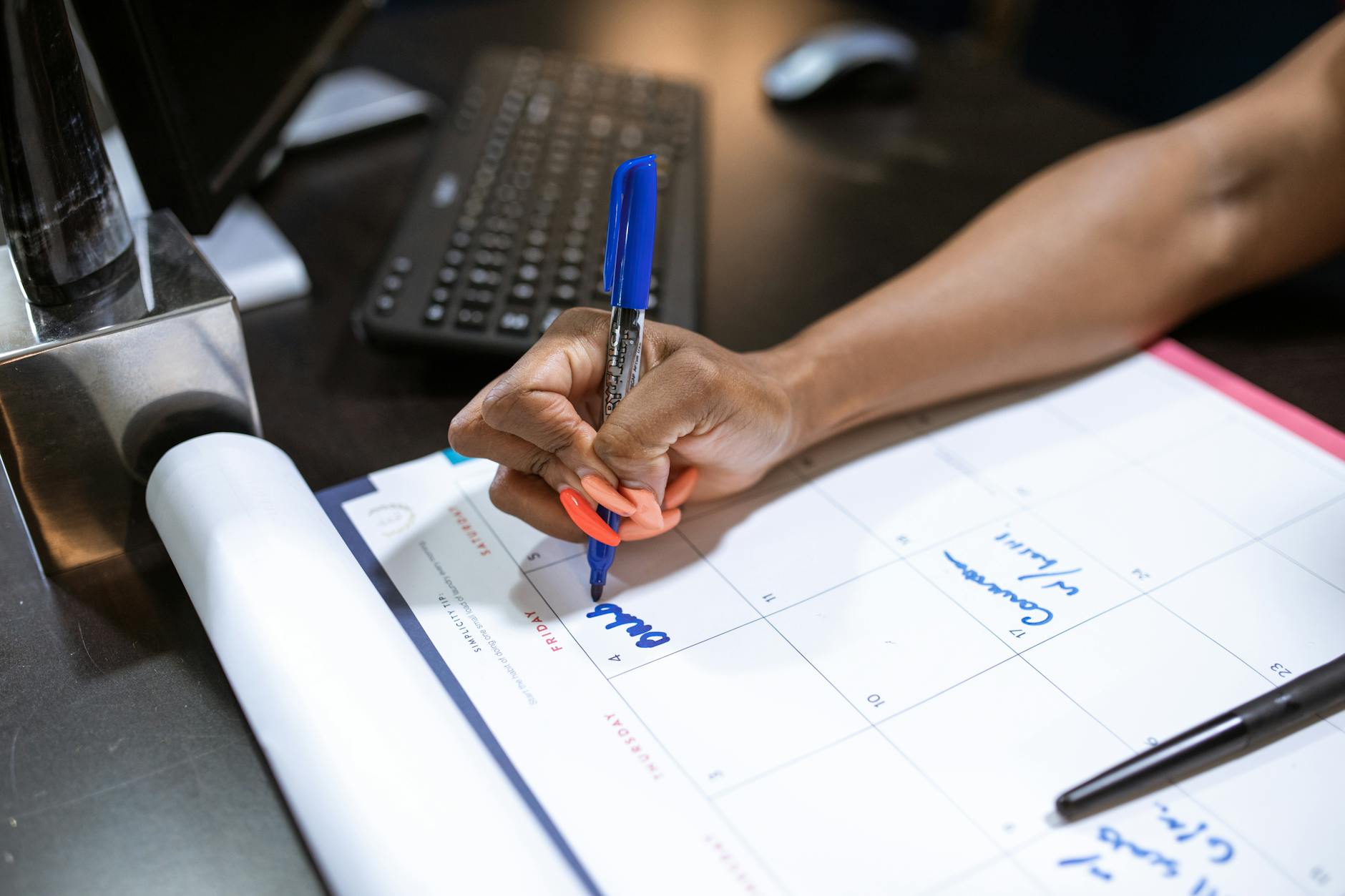
Here is the whole plan as dates you can run against your next single. Adjust the spacing to your own pace, but keep the order.
| When | What to do |
|---|---|
| 4 weeks before | Finish the master and cover art. Set up the pre-save link. Lock your visual identity. Write the email to your list. |
| 3 weeks before | Submit your editorial pitch through your distributor. Start posting the run-up: story, studio clips, cover reveal, each pointing at the pre-save. |
| 2 weeks before | Reach out to independent and user playlist curators with a private link. Prepare three or four short-form video clips. |
| 1 week before | Push the pre-save hard across every channel. Tease the hook. Remind your email list it is coming. |
| Release day | Email your list first. Post everywhere, leading with the song. Drop your first video. Ask close fans to save and add it. |
| Release week | Keep posting: a second video on day three, a behind-the-song note on day five, a thank-you over the weekend. Sustain the activity. |
| Weeks after | Keep making video around the track. Play it live. Capture shows for content and collect emails. Convert listeners into your owned audience. |
Run this once and you have a release that builds instead of sinking. Run it across several singles and the email list, the local following, and the recognition compound, so each release starts from a stronger base than the last. That compounding is the whole game, and it is available to any artist willing to plan the run-up instead of hoping for the day.
For more on building an audience as an independent creator, see our guide on marketing for creators. If you are thinking about a podcast alongside your music, how to start a podcast covers the same audience-building thinking, and how to get followers on Instagram goes deeper on the social side of the plan.