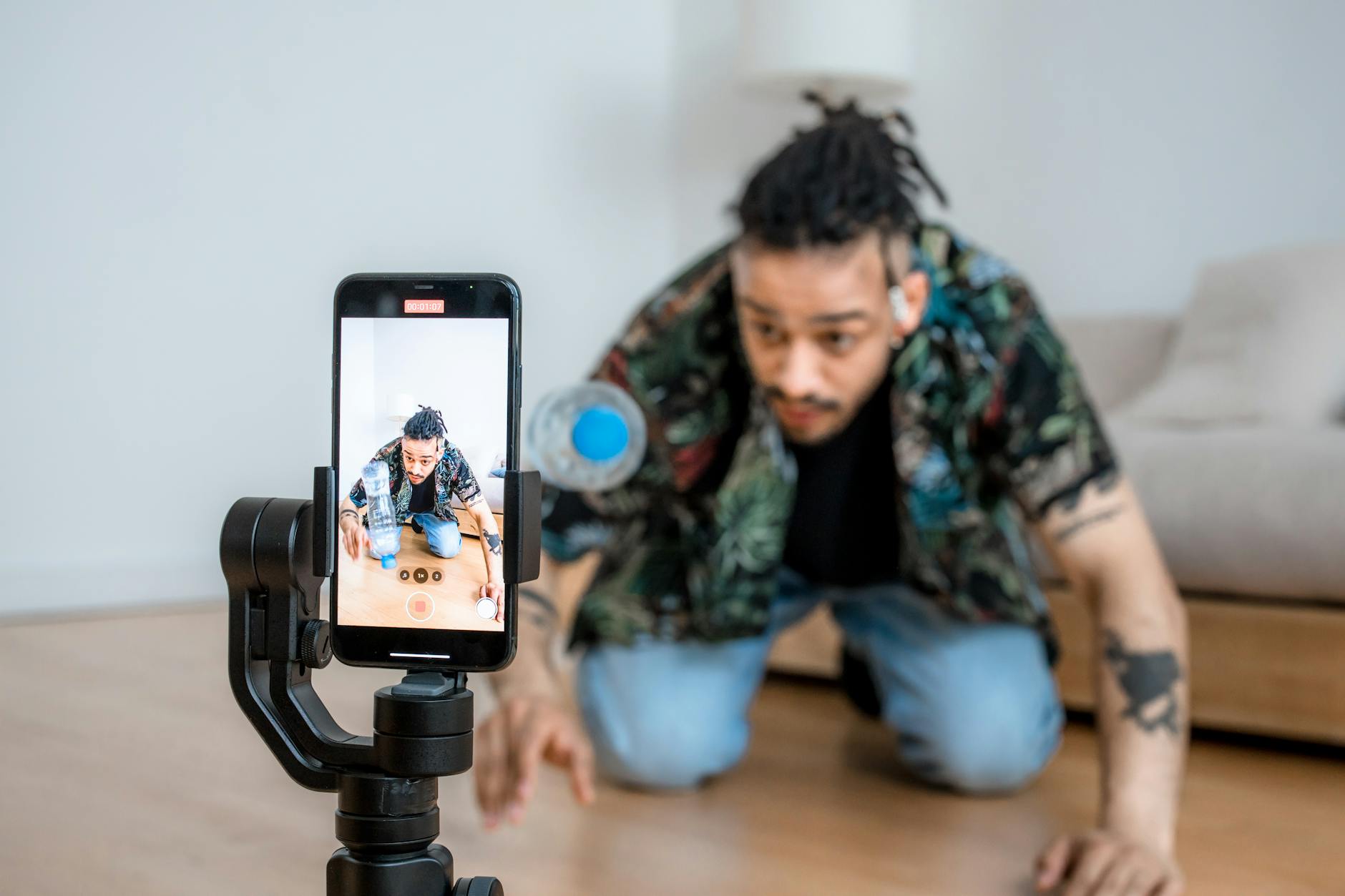

Why Watch Time Beats Follower Count
It helps to understand what TikTok is optimising for before you try to grow on it. The feed is built to keep people watching, so the platform shows a video to a small test audience first, measures how they respond, and pushes it wider only if the signals are strong. The signal that matters most is watch time: how much of the video people see, whether they finish it, and whether they watch it twice. Likes and comments help, but a video people scroll past after one second goes nowhere no matter how many hashtags sit under it.
This is why chasing follower count directly fails. A follower who never watches your videos is invisible to the system. The account that grows is the one making videos that hold attention, because every strong watch-time signal earns the next video a bigger test audience. People watch a lot of short video, which gives you room to be found. GWI's survey for the Digital 2025 report found respondents spend an average of 6 hours and 42 minutes a week watching short clips like TikToks and Reels, more than they spend on longer online video, and the DataReportal essential TikTok stats show the typical TikTok user spends meaningfully longer in the app each day than the typical Instagram user. The attention is there. Your job is to earn a slice of it with videos worth finishing, and the follows take care of themselves.
A little marketing science sits under this, and it pays to name it in plain English. Three ideas do most of the work on TikTok.
- Mental availability. Being the account that comes to mind when someone wants what you make. You build it by showing up consistently in the same lane, so the platform and the viewer both learn what you are for.
- Distinctiveness. Having a look, a voice, or a format that is recognisably yours after one second. On a feed where every video competes with the next swipe, being instantly recognisable is worth more than being polished.
- Buying moments. The real-life situations that turn a viewer into a customer. Someone planning a party, fixing a problem, or treating themselves. Content that meets those moments converts attention into sales instead of leaving it as a view count.
You do not need to study any of this to use it. The steps below put all three to work.

Step 1: Pick a Clear Lane
The accounts that grow fastest are the ones a stranger can describe in a sentence after watching one video. A clear lane tells the viewer what they will get if they follow, and it tells TikTok who to show you to. When your videos wander across unrelated topics, the platform struggles to find the right audience and viewers never form a reason to come back. A baker who posts only sourdough tutorials trains both the algorithm and the audience far faster than one who posts sourdough one day, holiday photos the next, and a motivational quote after that.
Pick a lane narrow enough to be distinctive and wide enough to keep making videos. "Cake decorating for beginners" beats "food" because it promises something specific. Write your lane as the sentence a happy follower would use to recommend you. If you cannot say it in one line, the audience cannot either. This is positioning made practical: when a viewer can tell in a second that you are made for someone like them, they follow without thinking hard about it, and that instant recognition is the distinctiveness that makes you stick in a crowded feed.
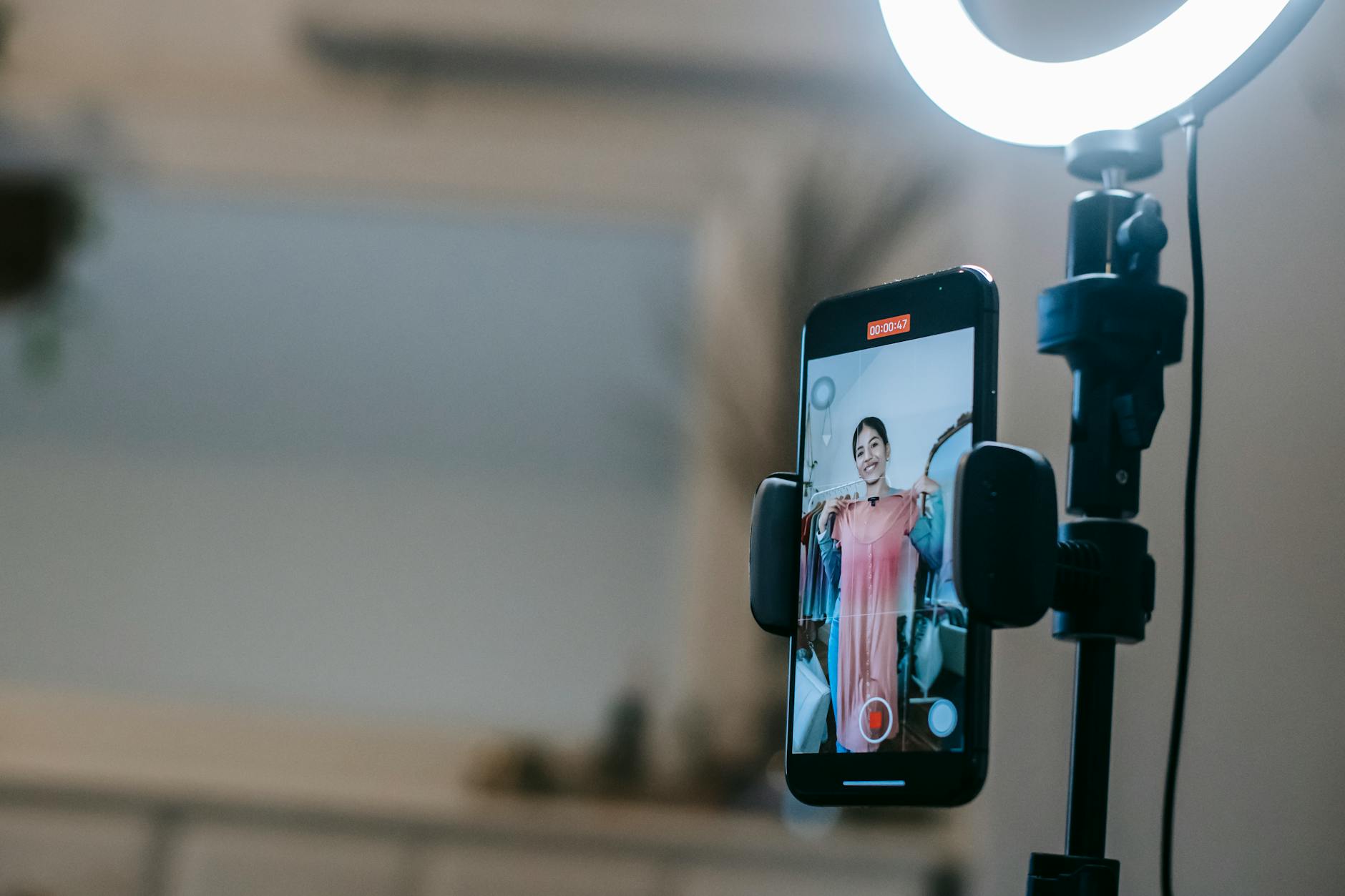
Step 2: Hook Them in the First Two Seconds
On TikTok the first two seconds decide everything. A viewer's thumb is already moving, and your video has to give them a reason to stop before the watch-time signal is lost. A strong hook shows the payoff up front rather than building to it. If your video is a recipe, the finished cake comes first. If it solves a problem, you name the problem in the opening frame. The slow intro that works on YouTube is a scroll on TikTok, because the audience has not chosen to watch you yet, they are deciding whether to in real time.
Open with the most interesting moment, the boldest claim, or the result, then earn the rest of the watch by delivering on it. Put text on screen that states what they will get, so even a muted viewer knows why to stay. Cut the throat-clearing: "Hi everyone, welcome back" is two seconds of nothing while the audience leaves. Test different openings on the same content and watch which holds viewers longest, because a better hook on the same video can double its reach without changing anything else.
Step 3: Post a Rhythm You Can Keep
Consistency does two jobs at once. It gives the platform more chances to find the video that breaks out, and it builds the mental availability that keeps you in mind between purchases. One viral video brings a spike and a flat month after. A steady rhythm compounds, because every post is a fresh test audience and a fresh chance to be remembered. The accounts that grow are rarely the most polished, they are the most consistent over months.
The trap is setting a pace you cannot sustain. Posting daily for two weeks then vanishing for a month trains the audience to forget you and gives the algorithm nothing to work with. Pick a rhythm you can hold through a busy week, three videos a week held for a year beats daily videos abandoned in March. Batch your filming so a slow day does not break the chain, and keep a running list of video ideas so you never sit down to a blank screen. Volume matters because most videos will be average and the occasional one will carry you, but you only get the breakout by having posted enough to roll the dice.

Step 4: Use Trends and Sounds With a Point of View
Trending sounds and formats are a shortcut to reach, because TikTok surfaces content using a sound that is already moving. Used well, a trend carries your distinctiveness to a wider audience. Used badly, it makes you one more identical clip the viewer has seen ten times today. The difference is a point of view: what does your lane add to this trend that nobody else can?
Jump on a trending sound early, while it is rising rather than saturated, and bend it to your subject instead of copying the original beat for beat. A florist using a trending audio to show a bouquet coming together adds something a generic dance never will, because it pairs the reach of the trend with the distinctiveness of the lane. Skip trends that have nothing to do with what you do, since reach without relevance brings followers who never watch your next video and drags your watch-time average down. The point of a trend is to put your distinctiveness in front of new people, not to replace it.

Step 5: Lead With Watch Time and Completion
This is the honest core of growing on TikTok: optimise for watch time and completion, not for follows. Follows are the lagging signal that the watch time was good. Every time you sit down to plan or review a video, ask whether people will finish it, because that is the number the platform rewards and the number that earns your next video a wider audience.
Keep videos as long as they stay interesting and no longer, since a tight fifteen-second video that people finish beats a baggy minute they abandon halfway. Build a reason to rewatch, a detail people missed the first time or a loop where the end leads back to the start, because a second view is a powerful signal. Read your analytics for the moment viewers drop off, then fix that moment in the next video rather than guessing. End with a light reason to follow that fits the content, "follow for the next one in this series" works because it tells the viewer what they will get. Chase the completion rate and the follower count rises behind it.
Here is what that focus looks like with real-ish numbers, shown as an illustration rather than a cited statistic. Say you post twelve videos in a month and they average a 20 percent completion rate, so most get a small test audience and stall. You tighten two things: a sharper hook in the first two seconds and shorter videos that hold to the end. Average completion rises from 20 percent to 45 percent. The platform now pushes more of those videos to wider audiences, a couple break out, and your monthly views climb from 30,000 to well over 100,000 on the same twelve posts. The follower count follows the watch time, not the other way round.
| Videos per month | Average completion | Likely outcome |
|---|---|---|
| 12 | 20% | Small test audiences, few break out |
| 12 | 45% | Wider reach, breakouts, followers climb |

Step 6: Turn Attention Into Customers
For a small business running its own marketing, followers only matter if some of them buy. A large following that never converts is a vanity number that costs you time to maintain. The point of the watch time and the lane and the consistency is to meet a buying moment: the viewer who watches your cake videos and then books you for their daughter's birthday. Build the path from video to purchase deliberately rather than hoping it happens.
Make the next step obvious and easy. Put a clear, current link in your bio and point to it in your videos when the moment fits. Pin the videos that show what you sell and why someone would choose you, so a new visitor who lands on your profile sees the offer fast. Answer the questions buyers ask in your content, because a video that handles an objection doubles as a sales conversation at scale. This is where distinctiveness and the buying moment meet: people buy from the account they remember at the moment the need arrives, and a clear lane plus a clean path to purchase is what makes you that account. If you want the wider picture across platforms, our guide on social media marketing for small business covers how the channels work together, and the principles here carry over to short video everywhere, including our guide on how to get followers on Instagram.
The Order That Works
The pattern across all six steps is the same. Earn the watch time and the followers follow. Pick a lane so the right people find you, hook them before the scroll, post a rhythm you can hold, use trends to carry your distinctiveness wider, lead with completion over follower count, then build the path that turns attention into customers. Run the worked example against your own analytics first, because a sharper hook on the videos you already post often beats a month of chasing a viral moment. That is the growth available to a small business running its own marketing, and most of it sits one habit away. For creators building a business around their audience, our marketing for creators hub goes deeper on the specifics.