What Does Marketing for Caterers Involve?
Marketing for a catering business covers everything that gets a stranger to trust your food with their wedding, their office party or their mother's wake, before they have tasted a single plate. That trust is built from a handful of ingredients: photographs that show real food at real events, reviews from people the prospect half-recognises as like them, a presence with the venues and planners who refer work your way, and a steady drip of content that keeps your name in front of people who are not booking anything this month but will be eventually. For many catering businesses, this sits inside the wider category of booked services, where the sale happens once for a fixed date rather than on a repeat weekly basis, and our guide to marketing for booked services covers the pattern that connects caterers to photographers, mobile hairdressers and marquee hire firms. Caterers who treat marketing as a single leaflet drop or an occasional social post are leaving most of this work undone. The businesses that book out their calendars treat it as a standing habit, not a campaign.
How Do Caterers Get More Bookings?
Caterers get more bookings by making it easy for someone to trust them with a date that cannot be rebooked if it goes wrong. That trust comes from three things working together: visible proof that past events went well, a clear answer to the question of what kind of caterer you are, and a presence in the places people search as a date approaches, a venue's recommended supplier list, a wedding fair stand, a search engine, or a friend's recommendation. A caterer who waits for enquiries to arrive is relying on luck. A caterer who keeps fresh photos coming, asks every client for a review while the event is still warm in their memory, and follows up with planners and venues after every job, is building a pipeline rather than hoping for one. Our guide to how to get more bookings sets out the wider mechanics that apply to any business selling by appointment or by date, from the first enquiry through to the deposit. For catering specifically, the fastest lever is usually the simplest one: make the proof impossible to miss, and put it in front of people before they ever pick up the phone.

Why Reviews Decide Who Gets Booked
Reviews do more work for a caterer than almost any other form of marketing, because food bought for an occasion that cannot be repeated is a genuinely risky purchase. Get the venue wrong and you lose a deposit. Get the caterer wrong and you risk someone's wedding day. That risk is exactly why buyers lean so heavily on what other people say before they book. 47% of consumers will not use a business with fewer than 20 reviews, and only 9% are willing to use one with five or fewer, which means a caterer sitting on a handful of reviews from three years ago is being filtered out before an enquiry is ever sent. Age matters as much as volume. 74% of people look for reviews written in the last three months, and 32% want them from the last two weeks, so a glowing review collected after last summer's wedding season has likely stopped counting in a buyer's mind by the time this year's enquiries start. The practical answer is to make asking for a review part of the job itself, the same way you pack the van or send the invoice, so a request goes out within a day or two of every event while the memory and the gratitude are both still fresh.
The Market Caterers Are Selling Into Right Now
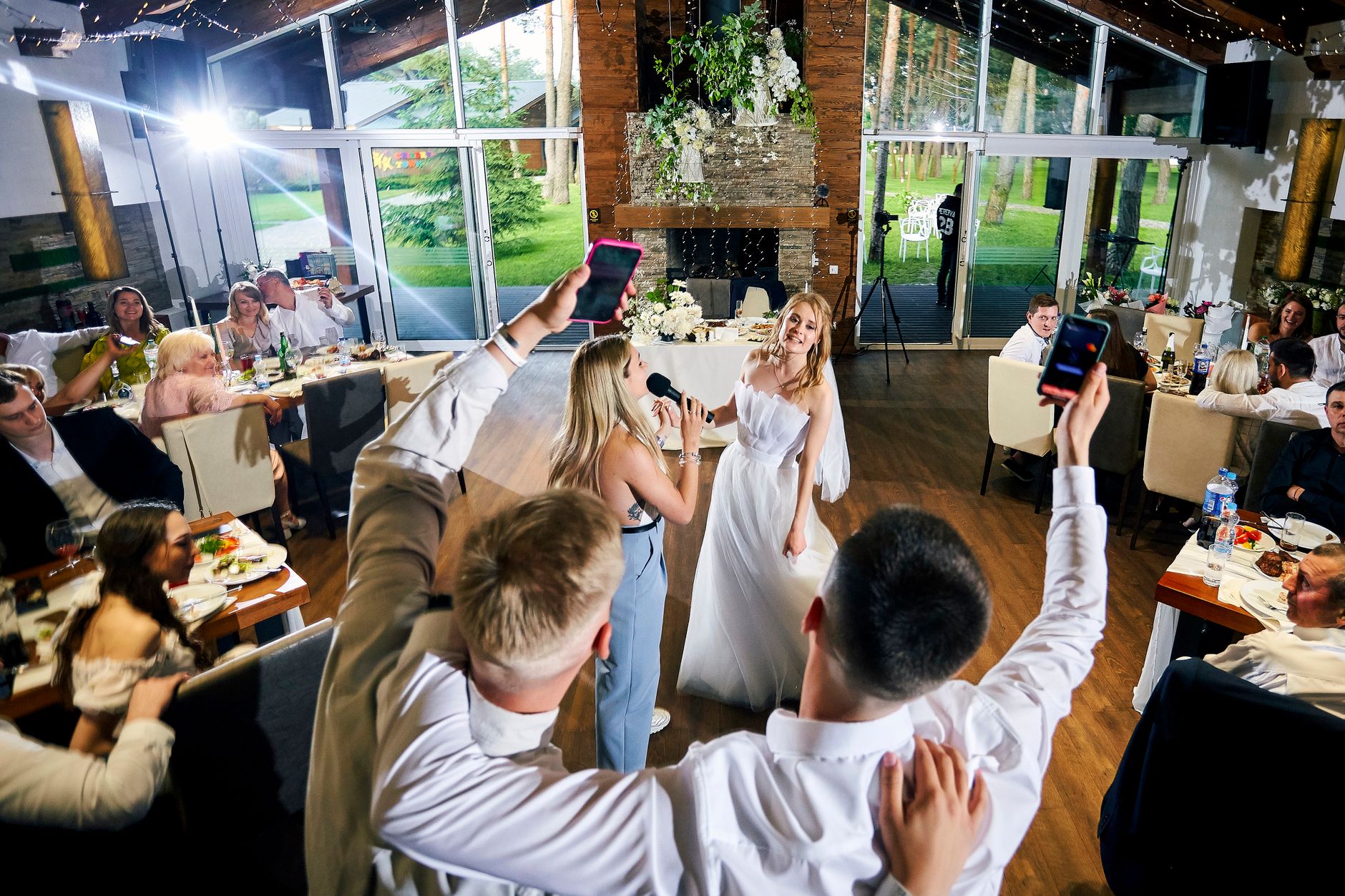
It helps to know what is happening in the wider hospitality market before deciding how hard to push on marketing, because the picture is not uniform. The venue side of hospitality has been thinning out. There were 98,609 hospitality outlets at the end of March 2026, 305 fewer than in December 2025, an average of 3.4 net closures a day, and the groups that remain open are not exactly thriving either, with Britain's leading hospitality groups growing like-for-like sales by only 0.4% in May. That is the backdrop of a cautious consumer keeping a lid on spending. Catering tells a different story. The Contract Catering Tracker from CGA by NIQ and Bidfood recorded a 9.3% year-on-year increase in sales during the second quarter of 2026, which means the work of feeding people at events, in workplaces and at private occasions is growing even while sit-down hospitality struggles. For a caterer, that gap is an opportunity rather than a worry. Spending on the fixed overhead of a restaurant is under pressure, but spending on the specific, planned occasion a caterer is hired for is not, and marketing that leans into the occasion rather than competing with a restaurant's everyday trade is pushing on an open door.
Winning the Wedding and Event Market
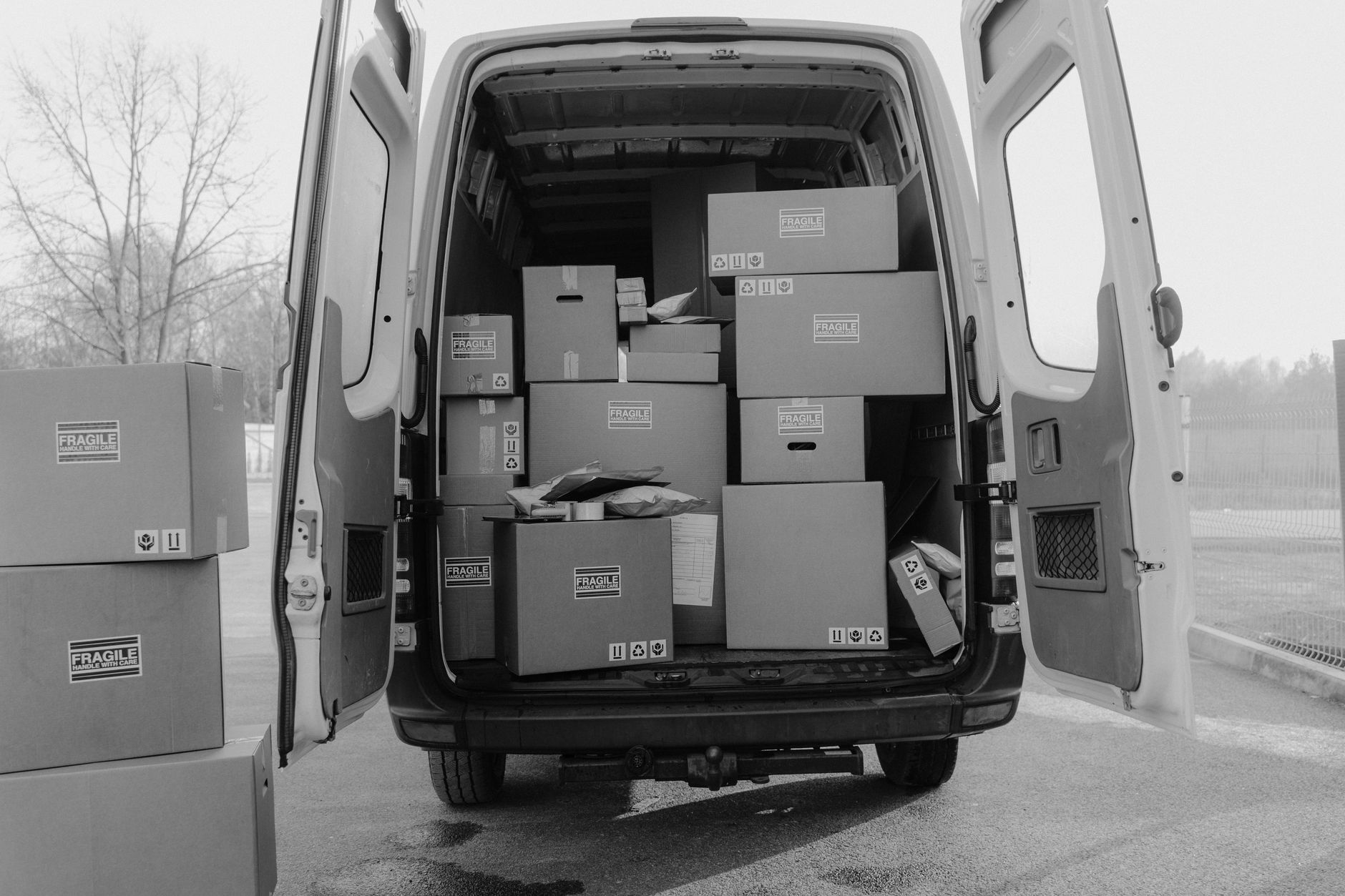
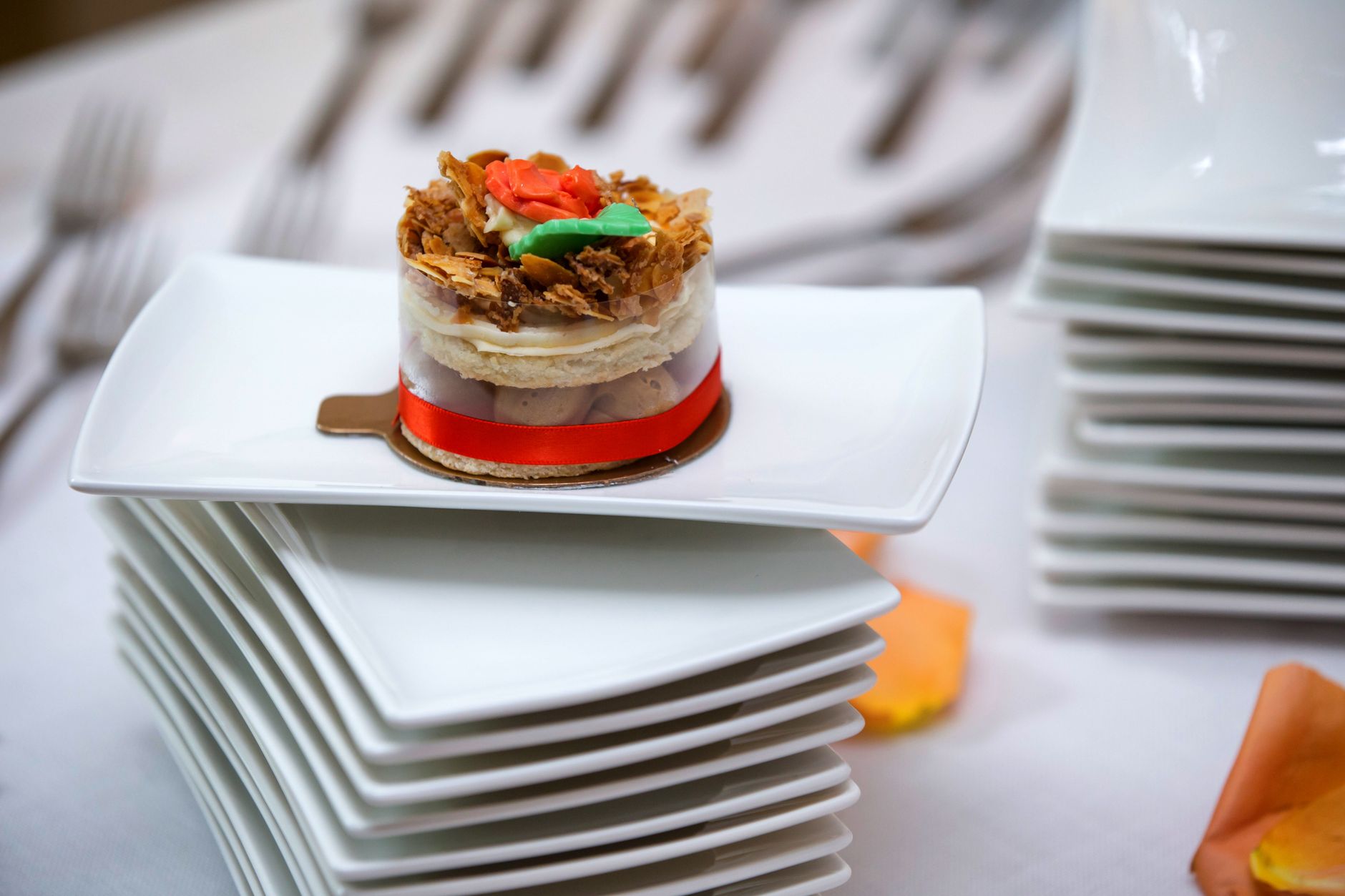
Weddings remain the single biggest occasion most caterers will ever be booked for, and the money involved keeps growing even as couples get more selective about where it goes. The average UK wedding now costs £21,990, and within that budget, couples are spending more per person rather than inviting more people. The average spend per guest rose 4% to £272 this year, as couples invest in quality over quantity. For a caterer, this is the clearest signal available about what to put in a portfolio and a pitch. A couple spending £272 a head is not comparing you on price against a buffet caterer charging a third of that. They are comparing you on taste, presentation and the experience of the meal itself, so photographs that show plated detail, a tasting that feels considered, and a menu that reflects real thought earn more trust than a price list ever will. The same logic applies beyond weddings, to the corporate away-day or the significant birthday where the host wants the meal remembered rather than merely served. Marketing that leads with quality and occasion, rather than the cheapest per-head rate on the page, is marketing that matches where the spending is going.
Why Word of Mouth Still Books More Events Than Advertising
Catering is sold inside other people's social moments, and that makes it one of the most word-of-mouth-driven trades there is. A guest at a wedding who loved the food is a more persuasive advert than any leaflet, because they are telling a friend a story about a day they enjoyed, and the caterer rides along inside that story. The practical lesson is to give people something worth telling. A signature dish that gets photographed and shared, a presentation detail nobody else offers, a genuinely memorable moment in the meal, all of these give a guest a reason to mention your name unprompted at the next dinner party they attend. Consider an illustrative example: a small catering business called Thistle and Thyme builds its wedding offer around a flaming dessert course brought to the table at the end of the meal. Guests photograph it every single time, and those photographs end up on social media tagged with the venue and, increasingly, with the caterer too. None of this happens by accident. It is the result of designing one moment in the service deliberately to be shared, rather than hoping the whole meal is memorable enough on its own. A caterer who asks what part of this event someone will talk about tomorrow is doing more for their next booking than one who only asks whether the food was good.
Finding the Niche That Makes You Memorable
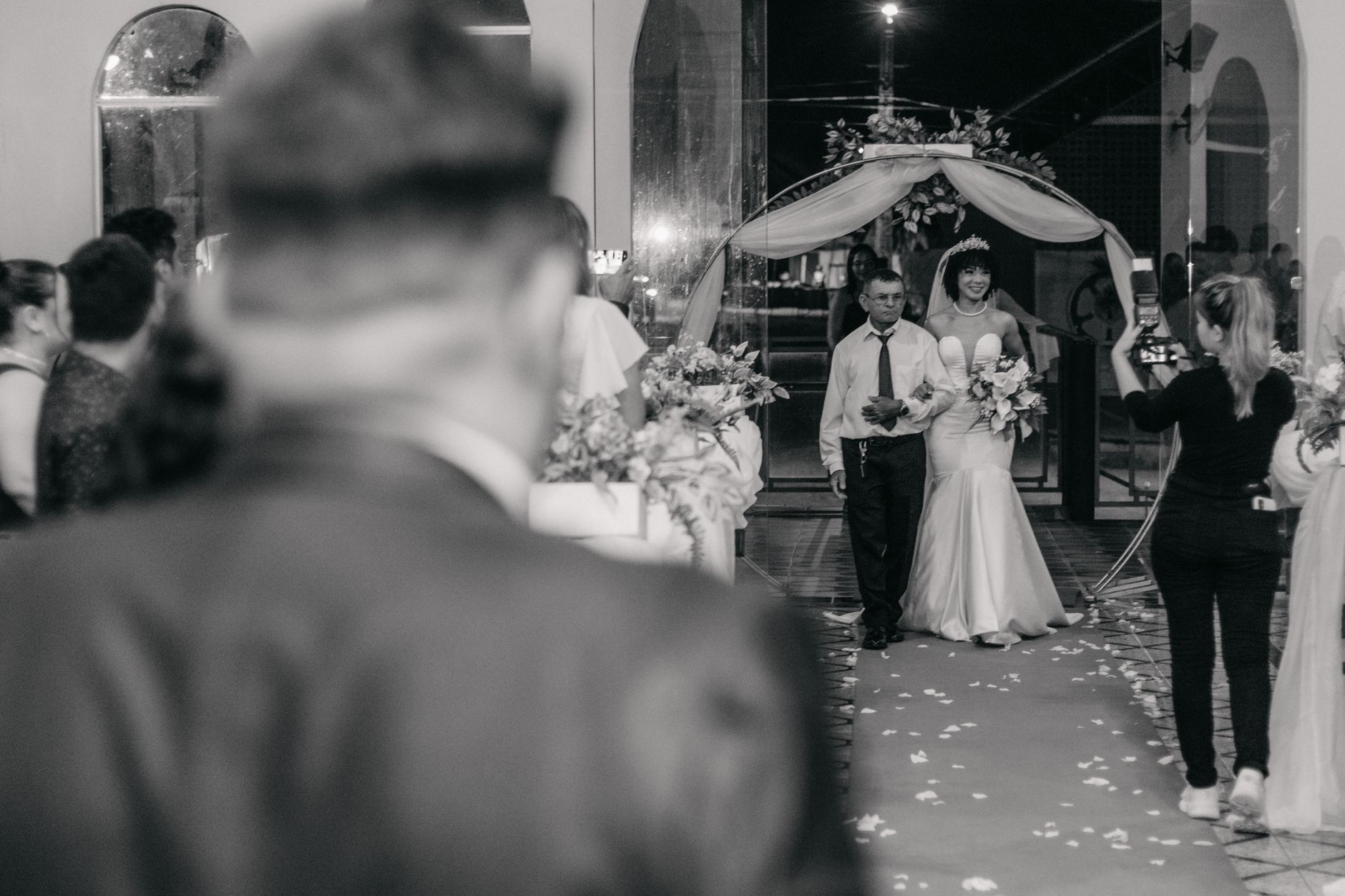
The caterers who struggle most are usually the ones trying to be right for everyone, the wedding, the corporate lunch, the christening and the funeral tea all offered with the same menu and the same pitch. Being the caterer for everyone usually means standing out to no one, because nothing about the offer sticks in anyone's mind as distinctly yours. A narrower focus, serving one kind of event exceptionally well rather than every kind of event adequately, tends to build a stronger reputation faster, because referrals travel more easily when the person recommending you can describe you in one sentence. "They do the best outdoor wedding catering in the county" carries further than "they do catering". That focus should show up consistently everywhere a prospect finds you, the same tone, the same style of photography, the same handful of signature touches, repeated until people recognise your work before they even read your name. Our guide to brand strategy goes further into choosing that kind of focus on purpose, and what a marketing strategy is covers the wider set of choices, audience, channels and message, that a niche position needs to sit inside. A caterer does not need to be the biggest name in the area. The goal is to be the obvious name for one specific kind of event.
Keeping Past Clients Coming Back
Most of the people who will ever hire a caterer are not planning an event this month. A wedding gets booked once, a Christmas party once a year, a significant birthday every few years, which is why the majority of potential customers are out-market at any given time, not actively looking, simply not yet in need. The caterers who win repeat and referred work are the ones who stay visible to that much larger group between bookings, rather than vanishing the moment the invoice is paid. Loyalty genuinely moves the needle here. 62% of Britons say catering services that offer loyalty programmes encourage them to return, which matters most for caterers who also take on smaller, more frequent work, office lunches, regular private dinners, corporate retainers, where a returning client is worth cultivating directly rather than hoping they remember you in three years. A simple way to apply this is a standing habit, a short note to every past client around the anniversary of their event, a modest discount for a repeat booking, and a request to pass your name to anyone they know who is planning something. None of it needs to be elaborate. It needs to keep happening long after the event itself is finished, which is exactly the point where most caterers' marketing stops.

Getting Found When People Search With AI
A growing share of the people searching for a caterer are no longer typing a query into a search box and scrolling through ten links. They are asking a chatbot or an AI search summary who to call, and the tools are catching on with UK shoppers more slowly than elsewhere but still meaningfully, with UK AI adoption for search and discovery sitting at 36.7%, below the EMEA average of 40.8% and the global figure of 42.7%. That gap will close, and a caterer whose details are inconsistent across their website, their Google Business Profile and the venues that list them as a recommended supplier is harder for any of these tools to describe accurately, let alone recommend. The fix is unglamorous but effective, keep your name, your coverage area, your specialisms and your prices consistent wherever you appear online, and keep your reviews current, since an AI summary is only repeating what it can find agreeing across sources. A caterer who gets this right is positioned to be named when someone asks an AI tool who does good outdoor catering nearby, even before that search habit becomes as ordinary here as it already is elsewhere.