What Makes Marketing a Wedding Venue Different?
A wedding venue sells one thing most businesses never have to sell: a single day that cannot be repeated if it goes wrong. That changes the marketing job. A couple is not comparing prices the way they would for a hotel room. They are trying to picture the biggest day of their lives happening inside your walls, and they are doing it months, sometimes over a year, before the date arrives. Bridebook's National Wedding Report tracks how far ahead UK couples plan, and the pattern has held for years: most engaged couples start researching and booking a venue well over twelve months before the wedding, long before they lock in a photographer, caterer or florist, which makes the venue the first domino in the whole event.
That long lead time is both the difficulty and the opportunity. The difficulty is that you are marketing to someone who is not ready to sign anything today, so anything that only chases this week's enquiry misses almost everyone in the market. The opportunity is that you have months to build trust before the decision gets made, if your marketing is built to run all year rather than in a rush before peak season. The venues that stay busy are not the ones with the biggest budget. They are the ones that are visible, credible and easy to picture a wedding in, every single month, not the ones running up to spring.
How Do Wedding Venues Attract Bookings?
Wedding venues attract bookings through a handful of things working together: strong local and wedding-directory visibility, a website and gallery that show real weddings rather than staged rooms, fast and warm handling of enquiries, a show round that removes the couple's doubts, and a steady flow of referrals from photographers, planners and past couples. No single one of these carries the diary on its own. A venue that ranks well but never replies to enquiries loses the booking anyway, and a venue with a beautiful gallery but no local visibility never gets found in the first place. The couples themselves tell us where the weight sits. Hitched's UK wedding research consistently finds that couples visit and compare several venues, often three or more, before they book, and that recommendations from other suppliers and real photos of weddings that have already happened at a venue carry more weight than anything the venue says about itself.
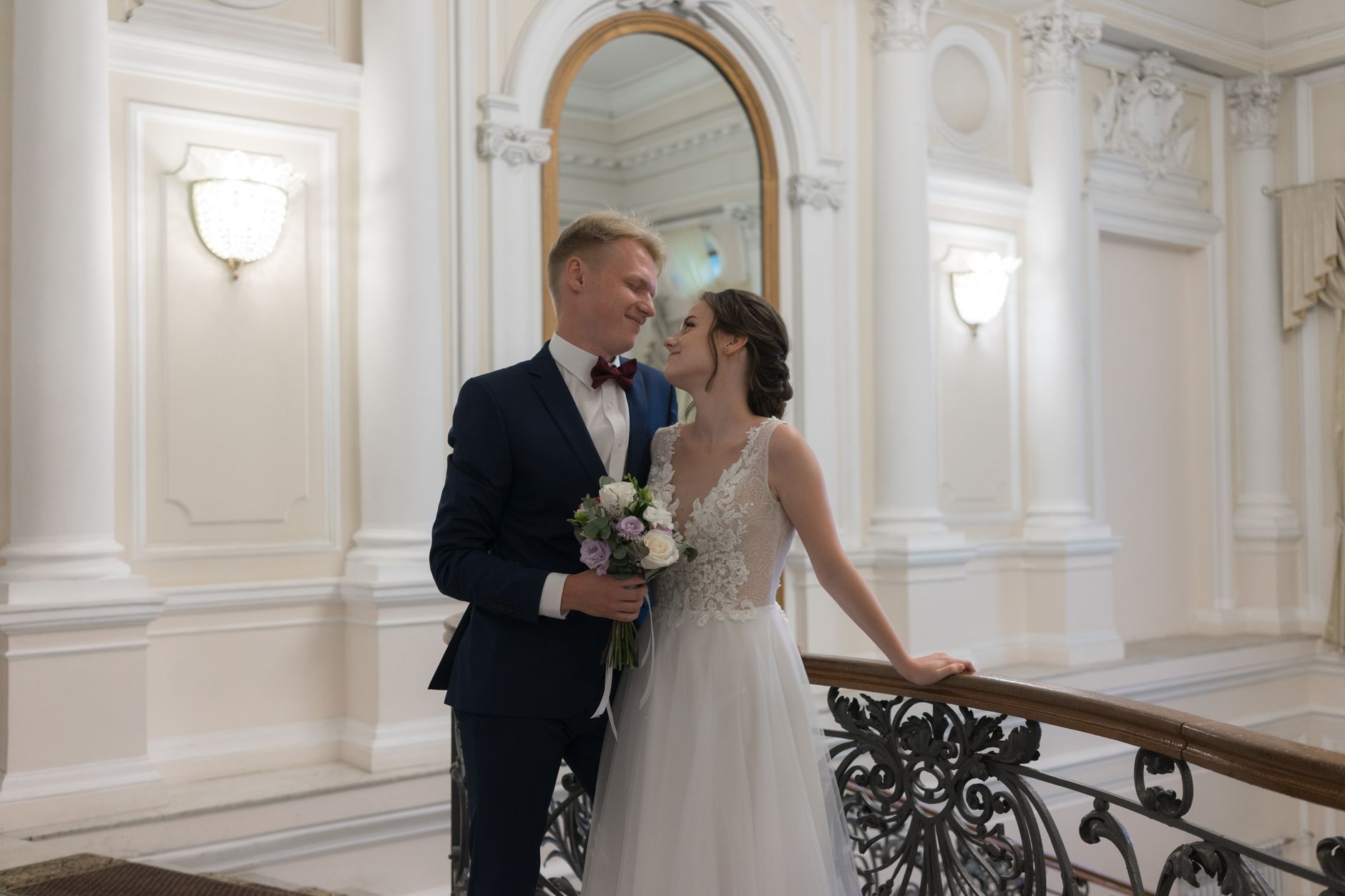
That last point is worth sitting with. A couple trusts a photo of a real wedding, with real guests and real weather, far more than a professionally staged shot of an empty room dressed for a magazine. It also means your marketing is not competing only against other venues on price and prettiness. It is competing on how confident a couple feels that their day, specifically, will look and feel right in your space. Confidence beats polish, and confidence is built through evidence, not adjectives.

Build a Marketing Plan Around the Booking Journey
Most venues market by instinct, a post when someone remembers, an advert before a wedding fair, a flurry of activity in January when enquiries dry up. A written marketing plan fixes that, because it forces you to decide, in advance, who you are for, what you want to be known for, and which few channels you will commit to rather than dabbling in all of them.
For a wedding venue, that plan should map cleanly onto the couple's journey rather than onto your own calendar of quiet months. Before a couple ever contacts you, they are searching and scrolling, so this stage needs strong visibility and a gallery that earns trust. Once they enquire, you are in a short, high-stakes window where a same-day reply and a well-run show round decide whether they book with you or the venue down the road. After they book, and after the wedding happens, you have a couple who can refer you to friends for years, and photographers and planners who worked your wedding and can recommend you to their next enquiry. Treat all three stages as one connected system rather than three separate jobs, and your marketing plan stops being a list of things to try and becomes a machine that runs itself month to month. Venues share this booking-journey shape with other appointment-led and slot-based businesses, and our guide to marketing for booked services goes deeper on filling a calendar rather than chasing one-off sales.

Make Your Venue Easy to Find and Trust Online
A couple's first move is almost always a search, whether that is "barn wedding venue Cotswolds" or "wedding venues near me with accommodation." If your Google Business Profile is thin, your website loads slowly, or your reviews are outdated, you lose ground before a couple even reaches your gallery. Keep your profile complete with current photos, accurate capacity and pricing ranges, and a steady flow of fresh reviews from real weddings, because couples researching a once-in-a-lifetime purchase read reviews closely and trust the recent ones over the old ones.
Your website needs to answer the practical questions a couple has in their head before they ever pick up the phone: how many guests you can hold, whether you offer exclusive use, what is included in the price, and whether there is accommodation on site or nearby. UK Hospitality has flagged how much revenue smaller independent venues now draw from private events and weddings alongside their core trade, which means the venues winning this business are treating their wedding offer as seriously as their food and drink, with its own clear page rather than one paragraph buried on a general events page. Being findable and being clear are the two things you control completely, and they cost time rather than money.

Let Real Weddings Do the Selling
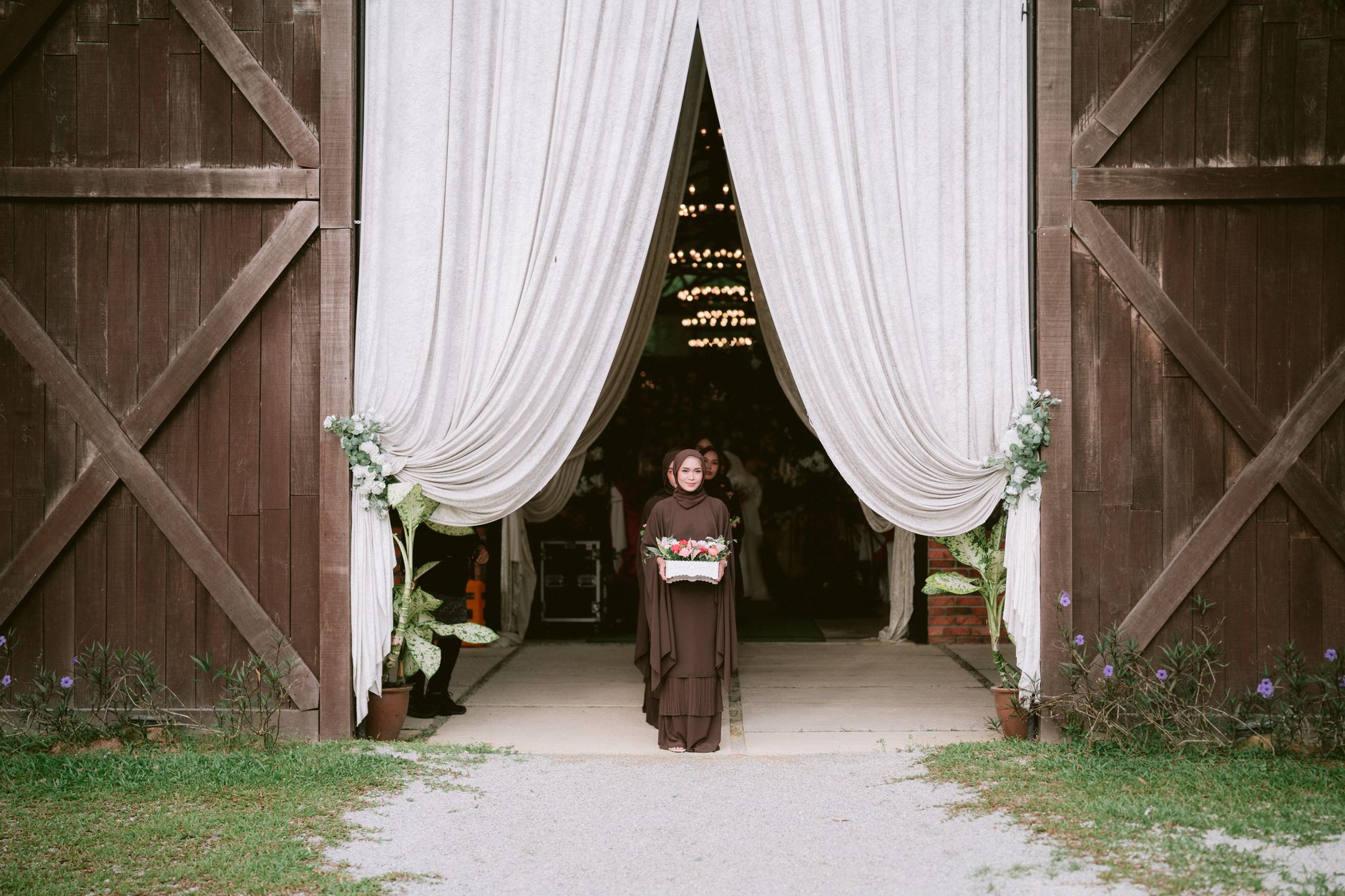
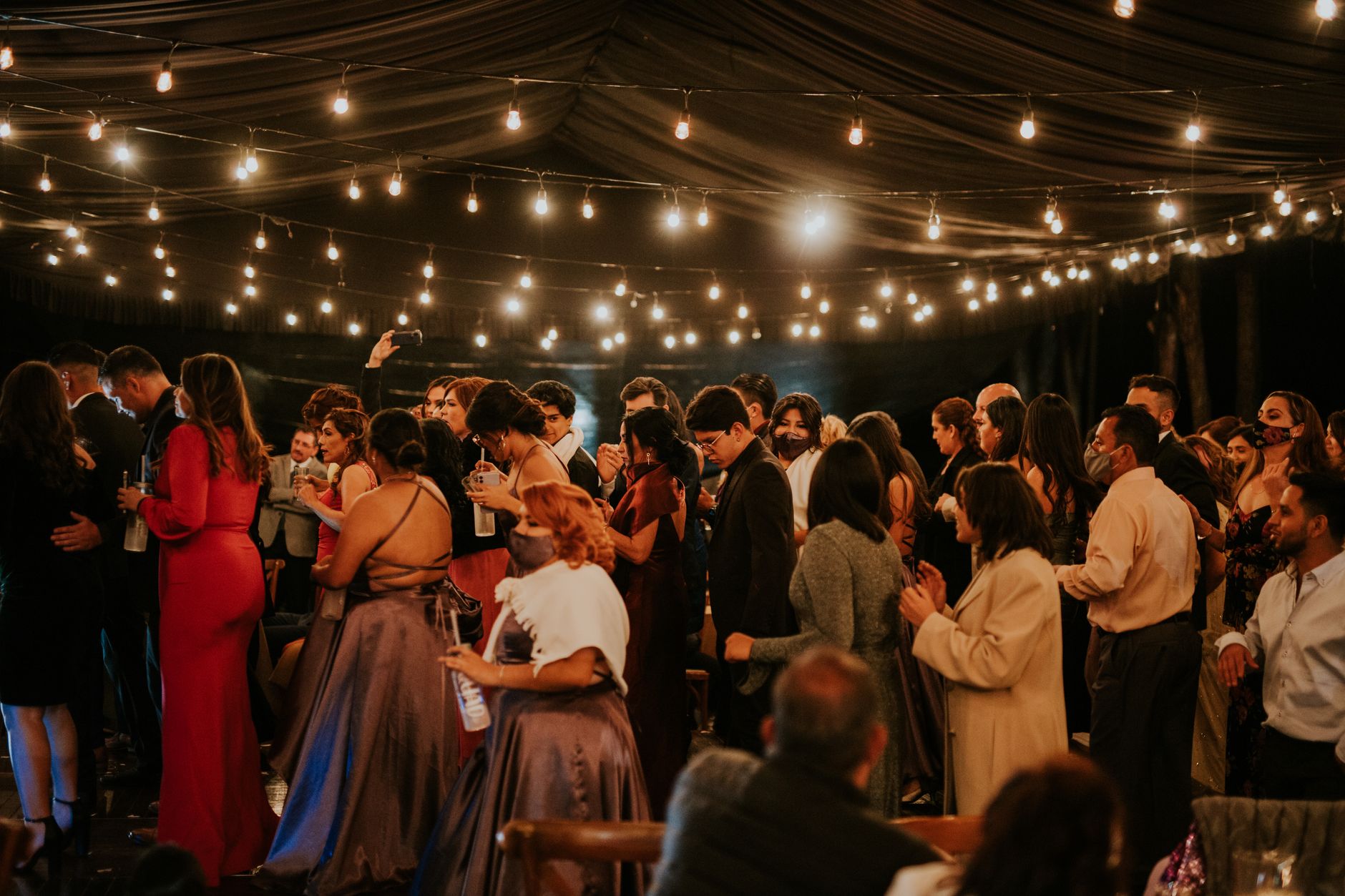
This is the section most venues under-invest in, and it is the one that moves the needle hardest. A couple does not want to see your marquee empty. They want to see it full of real guests, dancing, in real light, on a real day that already happened. Every wedding you host is content, and every wedding you fail to photograph well and share afterwards is a missed opportunity to close the next three enquiries.
Build a simple habit around this rather than leaving it to chance. Ask every couple, at the time you confirm the booking, whether their photographer can share a small set of images with you afterwards, and ask every couple for a review once the day is done and the excitement is still fresh. Use those images across your website, your socials and your directory listings in place of staged photography wherever you can, because a real wedding photo does the one thing a brochure shot cannot: it proves your venue works, not that it looks good. This is the same principle that explains why the biggest, most recognised brands keep showing the same consistent, distinctive proof of themselves over and over rather than reinventing their story every season. Recognition compounds, and for a wedding venue, recognition looks like couple after couple recognising themselves in the weddings you have already hosted.
Turn Enquiries Into Bookings
Getting found is only half the job. What happens in the days after a couple enquires decides whether the booking lands with you or with the venue they enquired to at the same time. Bridebook's research into how UK couples plan repeatedly shows how many venues a typical couple compares before booking, which means your enquiry response is being judged against at least two or three competitors replying in the same window. A slow, generic reply loses to a fast, warm one almost every time, whatever the price difference.
Reply within a day, ideally the same day, with something more specific than a price list, a note that references the date, guest count or style they mentioned. Then get them into a show round as quickly as their diary allows, because a couple who has stood in your room and pictured their top table where it will go is far harder for a competitor to win back. During the show round, address the doubts before they are asked: what happens if it rains, what time suppliers can access the space, what is genuinely included versus what costs extra. Removing friction and answering the unspoken questions is what turns a good first impression into a signed contract.

Build a Referral Engine With Suppliers and Planners
Wedding suppliers talk to each other constantly, and photographers, planners, florists and celebrants are asked "do you know a good venue" more often than any advert will ever reach a couple directly. Treat your relationship with local suppliers as a marketing channel in its own right rather than a side benefit of hosting a nice day. Make it easy for them to recommend you: keep a simple sheet of your capacity, pricing tiers and standout features that a planner can hand to a client in seconds, invite a handful of trusted suppliers to a styled shoot or an open evening once a year, and thank the ones who send business your way, publicly where you can and personally always.
This referral layer is often the cheapest source of bookings a venue has, because it arrives pre-trusted. A recommendation from a photographer a couple already hired carries more weight than any review you could ask a stranger to leave, and it costs nothing beyond the relationship you already have with people who were in your building last Saturday.
Price and Programme Around the Wedding Calendar
Most UK wedding demand still clusters into a handful of months, and the venues that struggle are the ones that market identically all year and then panic when November arrives empty. Statista's UK wedding industry data shows the sector remains a multi-billion-pound market with demand heavily weighted towards spring and summer dates, which means your quiet months are not a marketing failure so much as a predictable pattern you can plan around rather than fight.
Build your pricing and your promotion to work with that pattern rather than against it. Offer a genuinely attractive rate for a Friday or a January Saturday rather than discounting your peak dates, and market those quieter slots specifically to couples who care more about the venue than the date, elopements, smaller weddings, and couples planning well over a year ahead who are flexible. This does two things at once. It fills diary space that would otherwise sit empty, and it protects the price you can charge on the dates everyone wants, which is the difference between a venue that is busy and a venue that is merely full of discounted weekends.
Measure What Fills Your Diary
A wedding venue does not need a dashboard full of numbers, it needs three or four that tell the truth about whether the marketing is working. Track enquiries per month against the same month last year, the percentage of enquiries that convert into a booked show round, the percentage of show rounds that convert into a signed contract, and where each enquiry said they heard about you. That last question, asked every single time, is the cheapest research a venue will ever do, because it tells you whether your website, your directory listing, a supplier referral or a past couple's recommendation is doing the work, rather than guessing based on what feels active.
Review those numbers monthly and be willing to shift effort towards whatever is genuinely converting rather than whatever feels most enjoyable to do. A venue that discovers half its bookings arrive through supplier referrals, while it spends most of its time on social posts that convert almost nobody, has found the clearest, cheapest way to grow next year's diary.