
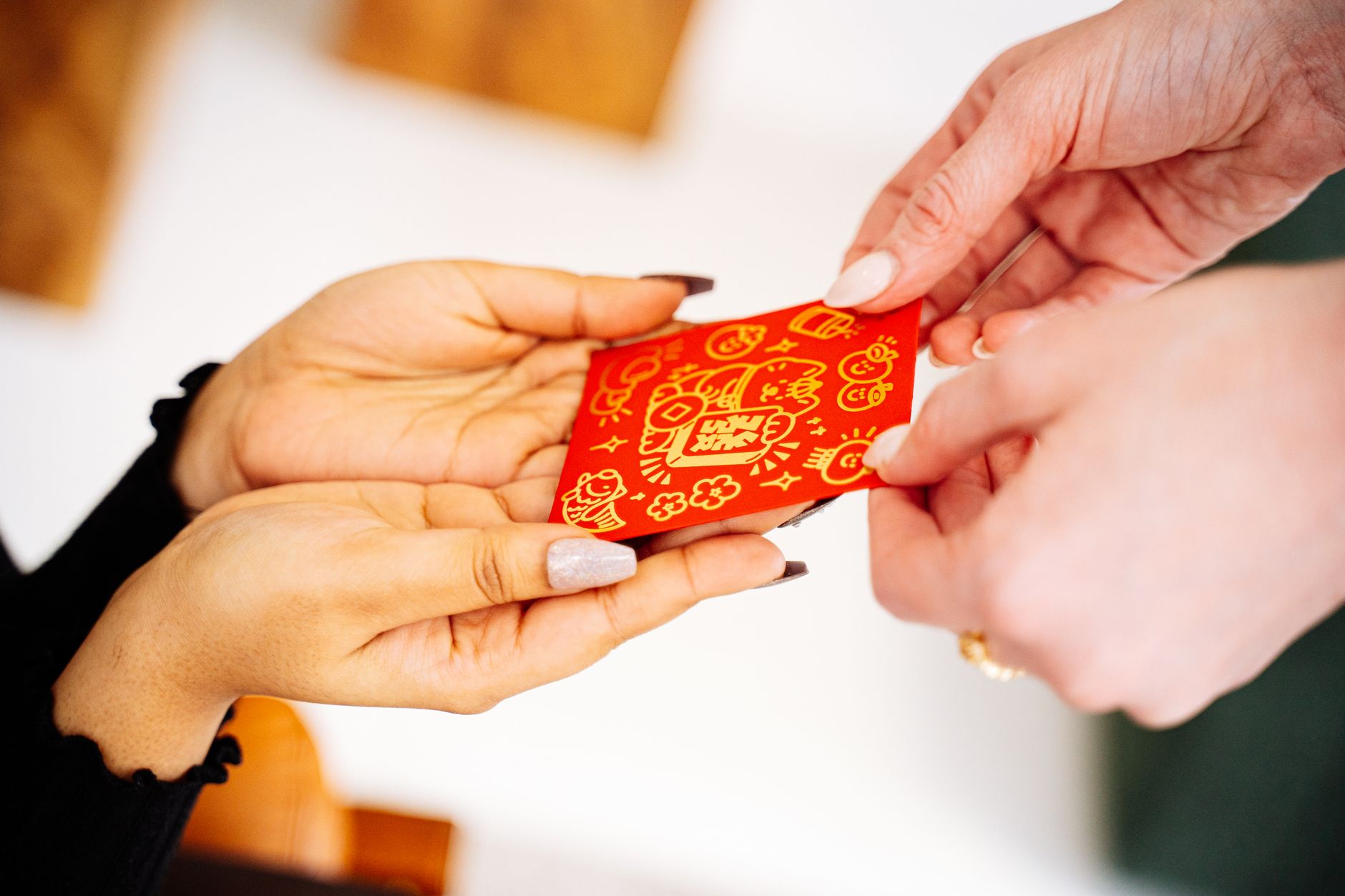
What Is a Gift Voucher, and Should Your Business Sell One?
A gift voucher is a prepaid credit, paper, plastic or digital, that one person buys so another person can spend it with your business later. The buyer hands over the money today. The spending happens on someone else's schedule, sometimes days later, sometimes months. For most small retail and service businesses, selling one is a clear yes. A salon, a boutique, a cafe, a bookshop, a bike repair shop, a pottery studio running classes, all of these sell something a gift-giver can hand over with confidence, because the recipient chooses exactly what they want when they get there. Compare that with buying a physical present for someone whose taste you are guessing at, and the voucher wins the moment before the shop door even opens.
The businesses where a voucher works least well are the ones selling something too personal or too perishable to gift sight unseen, a one-off bespoke commission with a long waiting list, say. Outside those edge cases, if you take payment from one person and deliver a product or experience to another, a voucher fits your business model without you changing a single thing about how you operate.

How Gift Vouchers Bring In Cash Before You Do Any Work
Most of what a small business sells is paid for at the same moment it is delivered. A voucher breaks that link, and the break works in your favour. The money lands in your bank account the day it is bought, while the service or product it is redeemed against might not be delivered for weeks. That gap is free, interest-free working capital, sitting in your account rather than a customer's, and for a business watching cash flow week to week, that timing shift is worth more than its face value suggests.
It also hands you a lever for your quietest periods. A spa that struggles through January can sell vouchers heavily through December, when gifting demand is naturally high, and bank the cash before the quiet month even starts. The spending gets pulled forward into the moment it is most useful to you, while the redemption can fall whenever the recipient gets round to it. If you are looking for other practical ways to pull sales forward without discounting your margin away, our guide to how to increase sales covers several more of them.

Why Gift Voucher Customers Spend More Than the Voucher Is Worth
Here is the detail that makes a voucher a better deal for you than it first looks. Research from the Gift Card and Voucher Association, reported by Retail Times, found that over 43 per cent of gift card users spend an average of £10 more than the value of a £30 gift card once they are in the shop. The psychology behind this is simple. A voucher feels like free money rather than a budget, so the person holding it is far more willing to add something small on top, a second item, an upgrade, a treatment they would not usually book for themselves.
For your business, that means a voucher is rarely a straight swap of cash for goods at face value. It is closer to a guaranteed foot-in-the-door that then upsells itself, with no extra effort from you beyond having something worth adding to the basket when the recipient arrives.

What Happens to the Gift Vouchers Nobody Redeems
Not every voucher gets spent. Industry data analysed by the actuarial firm Milliman suggests that around 10 per cent of activated gift cards are never redeemed at all, a pattern the industry calls breakage. Some sit forgotten in a drawer. Some get lost. Some are bought as a gesture by someone who never expected the recipient to use them.
Treat this carefully rather than treating it as a windfall. A voucher you have sold but not yet redeemed is still money you owe a customer, and it belongs on your books as a liability until it is either spent or genuinely expired and written off under your own clear terms, not absorbed into revenue the day it is sold. Keep a simple record of every voucher issued, its value, its sale date and its status, so you always know what you still owe against vouchers in circulation. That one habit protects you from the surprisingly common mistake of spending money that was never yours to spend.
How a Gift Voucher Puts Your Name in Someone Else's Pocket
This is the part most owners underrate entirely. A voucher does not only bring in a sale. It introduces your business to a person who did not go looking for you, because someone else did the choosing on their behalf. The recipient did not compare you against three competitors. They were handed your name, in their hand, with an instruction to come and spend it.
That matters more than it looks, because most of the market is not shopping for you today. The LinkedIn B2B Institute's research on what it calls the 95-5 rule found that at any given moment, around 95 per cent of potential buyers are not ready to buy. The whole game of brand building is staying present and recognisable for that huge majority until the moment they are. A gift voucher does that job almost by accident. It sits in a drawer with your name on it, physically present in a household that might never have encountered you otherwise, waiting for the exact moment the recipient is ready to spend. Growth, in the end, comes from reaching new customers rather than squeezing more out of the ones you already have, and a voucher is one of the few products that puts a brand-new customer in front of you without you lifting a finger to find them.
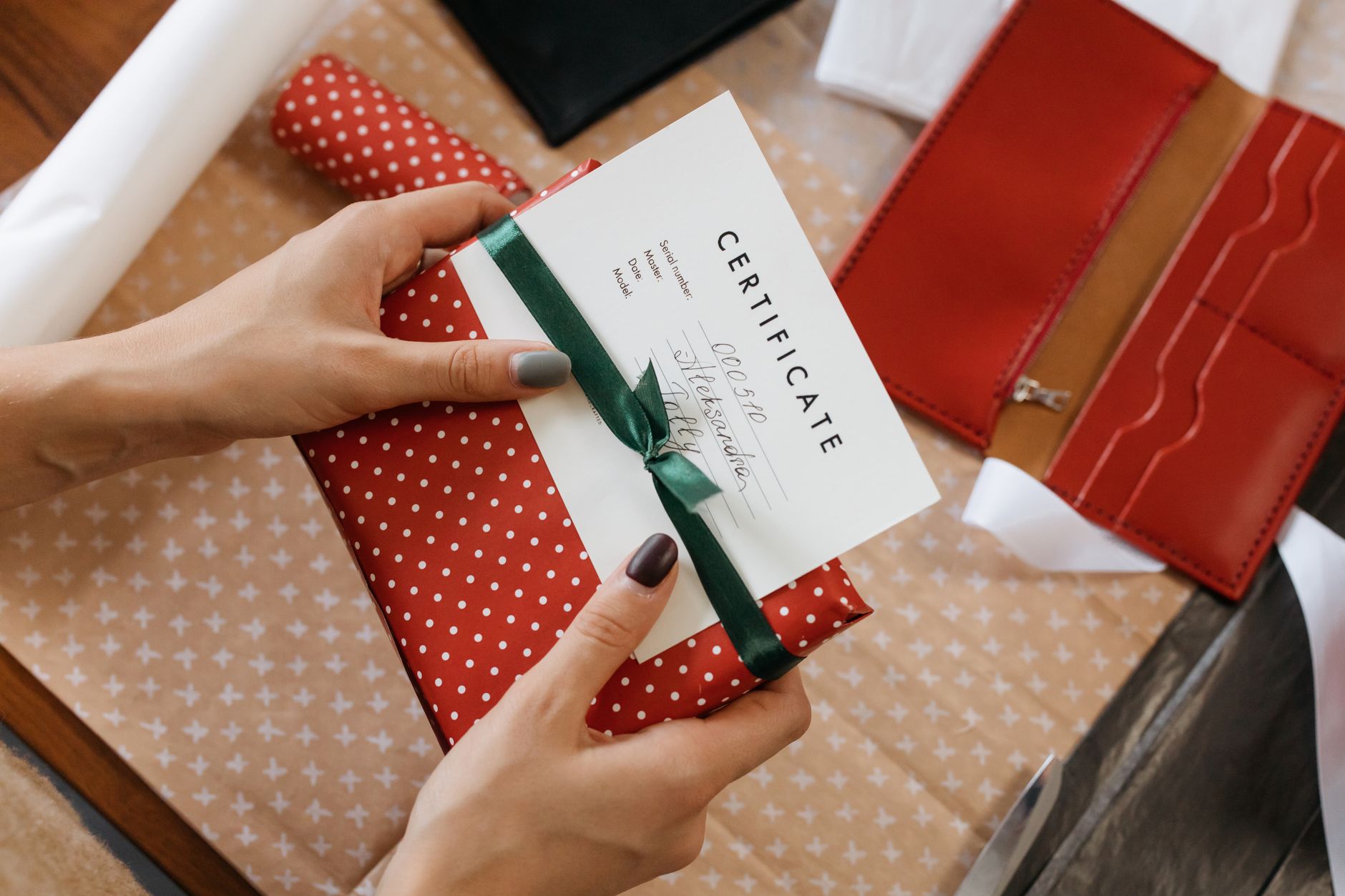
What to Decide Before You Sell Your First Voucher
A handful of practical decisions keep a gift voucher simple for you and fair to the person who buys it. The first is expiry. Parliament has looked at this directly. In a House of Lords debate on gift vouchers, members noted that many retailers choose not to put an expiry date on a voucher at all, and that where a date is used, the recommendation is to allow at least two years. A short expiry window feels mean-spirited to a customer and does not win you anything commercially worth the resentment it causes.
The second is knowing the limits of what a voucher can promise. If a business goes into administration, it is entirely legal for it to stop honouring its gift vouchers, which, as MoneySavingExpert puts it, leaves them worth no more than the paper or plastic they are printed on. That is worth bearing in mind both for your own record-keeping discipline and when you are reassuring a nervous buyer that their money is safe with you, because the honest answer is that it is only as safe as your business is.
Beyond those two, settle the small print once and keep it the same for every voucher you sell. Decide whether you offer paper, a card, or a digital code, whether a voucher can be used alongside other offers, and whether it covers the full value of a purchase or only part of it. Write the terms clearly on the voucher itself, so neither you nor the customer is guessing six months later.

How to Sell Gift Vouchers Without a Marketing Budget
You do not need a campaign to sell more vouchers, you need them to be impossible to miss at the moments people are already thinking about gifts. A few low-cost moves do most of the work.
- Put them where people already are. A small display by the till, a mention on your receipt, a line on your booking confirmation email. Most voucher sales are lost not because customers would not buy one, but because nobody thought to offer.
- Time your push to the calendar. Christmas, Mother's Day, Valentine's Day and the run-up to Father's Day are the natural gifting windows, and a short reminder in the weeks before each one outperforms a vague, year-round mention.
- Make digital as easy as physical. A customer buying a last-minute gift online needs a code they can email or text, not a physical card that has to arrive in the post.
- Ask your regulars. The people who already love what you do are the most natural gift-givers for it, so a short, personal mention to a loyal customer often converts better than any poster.
- Train your team to offer, not stock. A voucher sitting on a shelf sells itself to nobody. A team member who asks "is this for yourself or a gift" at the till turns a quiet product into a steady one.
Our guide to marketing for retail businesses goes further into the seasonal and local tactics that pair well with a voucher offer, if you want to build this into a fuller plan rather than a one-off push.

Gift Vouchers Compared With Other Ways to Boost Sales
It helps to see how vouchers stack up against the other short-term levers a small business reaches for, discounting chief among them. A discount trains customers to wait for the next one and chips away at your margin every time you run it. A voucher does neither. The customer pays full price upfront, you keep your margin, and the spending habit it creates, that willingness to add something extra once the voucher is in hand, works in the opposite direction from a discount's race to the bottom.
The wider market backs up how much headroom there is here. Total UK retail sales grew by 0.7 per cent over a recent six-month period, according to the British Retail Consortium-KPMG Retail Sales Monitor, reported by FStech, while gift card sales over the same stretch moved markedly faster than the market around them. When the overall market is close to flat, a product that keeps growing on its own, with no discounting and almost no overhead, deserves a proper place in your plan rather than a laminated card by the till. If you are building that plan out properly, our guide to how to increase sales sets out where a voucher offer fits alongside your other levers.