What Is the Marketing Mix?
The marketing mix is the combination of product, price, place and promotion a business controls to get its offer in front of the right buyer and make it easy to say yes. Product is what you sell and the experience that comes with it. Price is what you charge and what that figure signals. Place is where and how customers get hold of it. Promotion is how people hear about it and come to remember you. Treated as four separate boxes to tick, the mix becomes a checklist. Treated as four levers that move together, it becomes a working decision about who you serve and how you earn their business. Before any of the four decisions makes sense, it helps to have the basics settled, which is why our guide to marketing fundamentals is worth reading alongside this one.

Where the 4 Ps Came From
The phrase marketing mix is older than the 4 Ps themselves. Harvard's Neil Borden popularised the term to describe the blend of commercial levers a business pulls, and his original outline ran to twelve aspects rather than four: product planning, pricing, branding, distribution channels, personal selling, advertising, promotions, packaging, display, servicing, physical handling and fact finding and analysis. It was a thorough list, and a hard one to teach or apply quickly.
Jerome McCarthy tidied it. He named the 4 Ps in his 1960 textbook, condensing Borden's twelve aspects into product, price, place and promotion, a framework simple enough to remember under pressure and complete enough to cover the ground that matters. That book, *Basic Marketing: A Managerial Approach*, has stayed one of the standard texts on university marketing courses since 1960, which says something about how well the simplification has held up against six and a half decades of change in how people buy.

Product, What You Are Selling
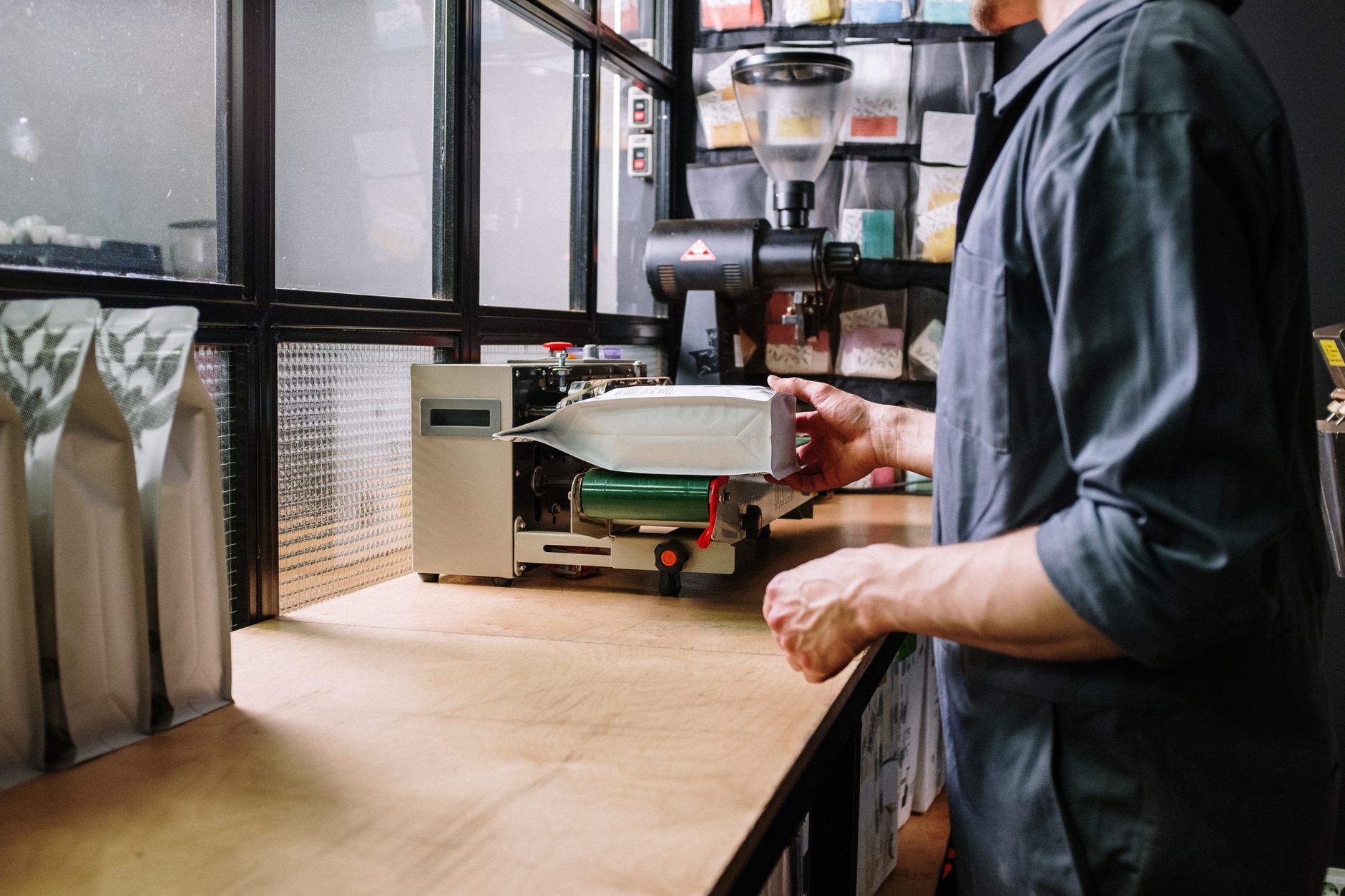
Product covers more than the item on the shelf or the service in the invoice. It covers the whole experience a customer gets, the quality, the packaging, the guarantee, the way a query gets answered, the small things that decide whether someone tells a friend. The question worth asking is not "what do we make" but "what does the customer walk away with". As an illustration, imagine a small coffee roastery in Bristol called Thornfield. The product is not simply roasted beans. It is the freshness date on the bag, the tasting notes written in plain language rather than jargon, and the fact that a batch roasted on Tuesday reaches a customer's door by Thursday. None of that changes the beans. All of it changes what the customer believes they are buying. Getting product right means deciding, deliberately, which of those details you will build in and then making sure they show up every time, because a product that is excellent once and inconsistent after is a weaker product than one that is simply reliable.
Price
Price is rarely only about covering cost and adding a margin. It is a signal, and customers read it as one, for quality, for who the product is for, and for how confident you are in what you have made. It also meets a market that is watching every pound more closely than it used to. The Office for National Statistics found that among UK adults the most commonly reported actions taken because of increases in the cost of living were spending less on non-essentials, at 61%, spending less on food shopping and essentials, at 41%, shopping around more, at 40%, and using less fuel in the home, at 35%. A price set without that backdrop in mind is a price set blind. For Thornfield, as an illustration, that might mean a smaller introductory bag at an approachable price for the customer who is shopping around, alongside a full-size bag for the one who has already decided they trust the brand and is not price-shopping any more. The two prices are not a discount and a full price. They are two different answers to two different stages of trust, and getting that distinction right matters more in a market that is actively watching its spending than it did when money felt looser.
Place
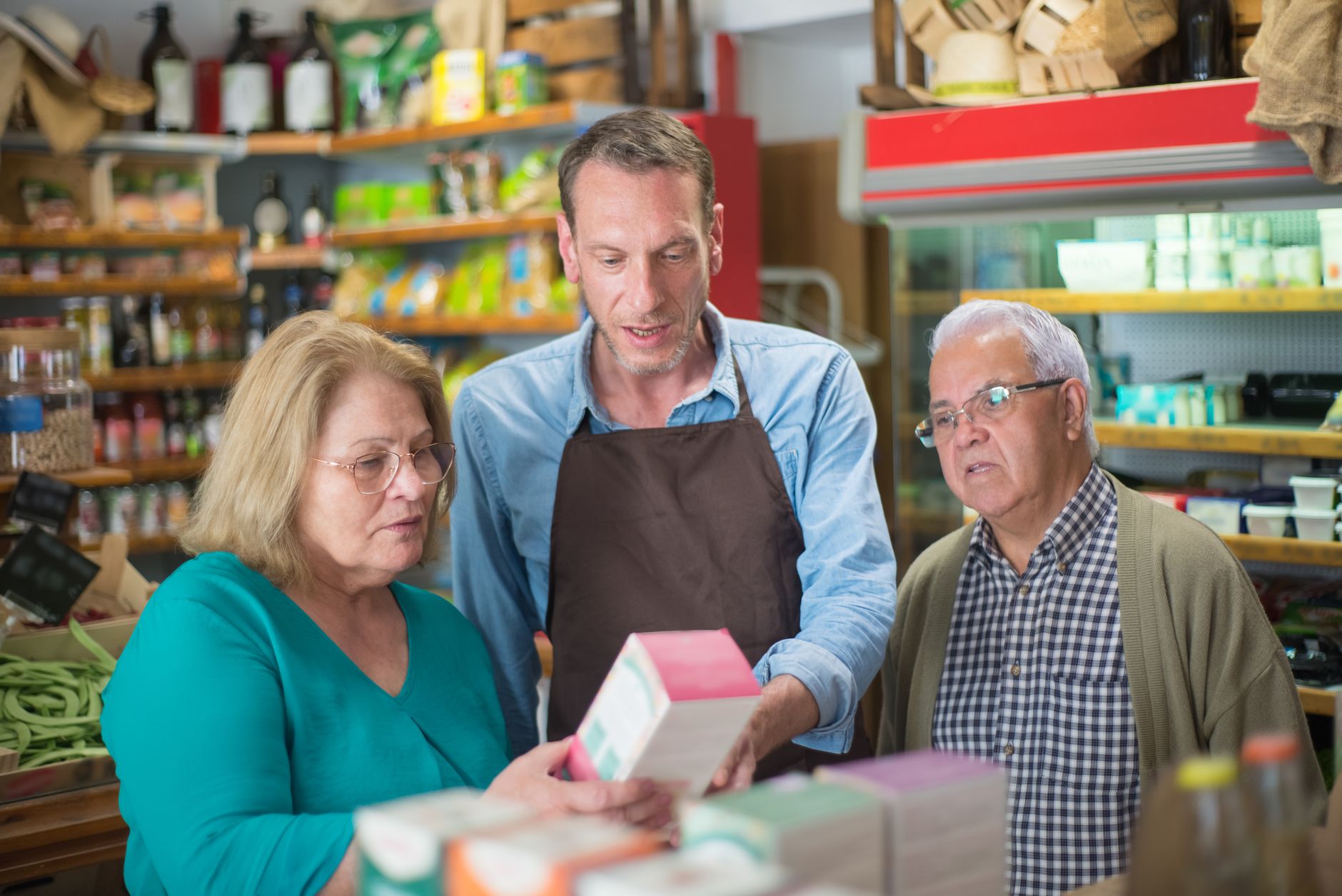
Place is availability, physical and increasingly digital, and it is the P that gets skipped most often because it feels like logistics rather than marketing. It is not logistics. A brilliant product at a fair price still fails if the customer cannot find it at the moment they are ready to buy, whether that means stock on a shelf, a working online checkout, or a booking slot that is open when someone tries to take it. For a business like our illustrative Thornfield, place decisions include whether beans sit on a cafe counter, in a farmers' market stall, or in an online shop with next-day delivery, and each choice reaches a different buyer at a different moment. The discipline worth borrowing here is simple: a business grows by being easy to find as well as easy to remember, and a brand that is well known but hard to buy from is leaving most of its own demand unanswered. Our guide to what a marketing strategy is goes further into how place decisions connect to the wider choices a business makes about where it competes.

Promotion
Promotion is everything you do to make people aware of your offer and keep you in mind when they are ready to act, and it is the P that eats the most attention because it is the most visible. It is worth knowing the scale of the UK market it sits inside. UK advertising spend is forecast to reach £51.3bn across 2026, with retail media, social media and addressable TV the fastest growing channels, up 23.0%, 20.7% and 14.7% respectively. Within that spend, search still takes the largest single share of UK advertising investment at 38.3%, ahead of social media at 24.7% and TV at 11.2%. The specific percentages matter less to a small business than the pattern underneath them, that attention is spread across several channels rather than concentrated in one, and a customer may meet your name on a search result, a social post and a friend's recommendation before they ever buy. Good promotion does not chase every channel at once. It picks the two or three where your buyer spends time and shows up there consistently, because a message seen once rarely sticks, while the same honest message seen repeatedly is what gets remembered at the moment someone is ready to choose.

How the Four Ps Work Together
The 4 Ps fail a business most often when they are treated as four separate departments rather than one decision. A premium product with a bargain-bin price confuses the buyer. A brilliant promotion that drives people to a place they cannot reach wastes the spend. The useful way to think about the mix is that product and place decide how easy you are to find and buy from, and price and promotion decide how easy you are to think of in the first place. That framing matches well-evidenced thinking on how brands grow, which argues that brands grow mainly by winning more buyers rather than by deepening loyalty with existing ones, and that they win buyers by being easy to think of and easy to find, what the research calls mental and physical availability. Promotion that only ever chases people who are ready to buy this week misses the much larger group who are not in the market yet but will be eventually, which is why it helps to put spend into two distinct jobs: broad reach aimed at people who are not buying now, meant to be remembered, and targeted activity aimed at people who are ready to buy now, meant to get a response. A small business rarely has the budget to do both at scale, but the principle holds at any size: some of your promotion should build recognition for later, and some should convert the person who is ready today, and confusing the two is how a mix that looks busy ends up achieving very little.

Common Marketing Mix Mistakes
The most common mistake is treating the 4 Ps as a one-off exercise rather than a standing set of decisions to revisit. A price set two years ago, a place decision made before an online shop existed, a promotion plan built for a channel your buyers have since left, each one drags on results while looking, on paper, like it was handled long ago. The second mistake is letting one P dominate because it is the most comfortable, usually promotion, while product, price and place sit unexamined, which is how a business ends up spending heavily to promote an offer that was never quite right to begin with. The third is copying a competitor's mix wholesale rather than building one that fits your own buyer, since a price, a place and a promotion plan that work for a national chain rarely translate to a business with one shop and a loyal local following. The fix for all three is the same discipline: revisit the mix on purpose, at least once a year, and ask of each P whether it still matches who you serve.