

Start With the Store, Because That Is Where Demand Decides
When someone is ready to find an app like yours, they search the App Store or Google Play, and they choose from a list in seconds. App Store Optimisation is the work of being the result they find and the listing they tap. It is the cheapest, highest-intent demand available to an app, because the person searching has already decided they want what you do. They are choosing the supplier, not deciding whether to buy.
A small amount of marketing science sits under this, and it helps to name it in plain English. The first idea is mental availability in the store: being the app that surfaces and gets remembered at the moment of search. You build it by matching the words people type. Put your primary keyword in the app title and subtitle, fill the description with the phrases a real user would search rather than internal product names, and choose the category your buyers browse. The second idea is clear positioning: a visitor should be able to tell in the first screenshot that the app is built for someone like them. Your icon, your first two screenshots, and your opening line do more conversion work than the rest of the listing combined, because most people decide from the preview without scrolling.
Treat the listing as a living asset, not a one-time upload. Test a different first screenshot, a sharper subtitle, a clearer icon, and watch what lifts the tap-through from impression to install. The store is the funnel everyone forgets to optimise, and it sits in front of every other channel you will ever run. Improve it and every download source you add gets cheaper at the same time.
Build a Pre-Launch Audience So Day One Is Not Day Zero
A launch into silence is the most common way an app wastes its best week. The store rewards early momentum, and the press, the influencers, and the algorithm all respond to a spike. If the audience does not exist until launch day, there is no spike to respond to. The fix is to build a small, warm audience before you ship, so day one has people in it.
This is mental availability again, built ahead of the buying moment. Start a simple landing page with an email signup the moment the app is real enough to describe. Share the build in the places your future users already gather, whether that is a subreddit, a niche community, a Discord, or a founder's own social following. Offer early access in exchange for an email, because an early-access list of a few hundred interested people turns launch day from a cold start into a coordinated push. Those early signups become your first installs, your first reviews, and your first word-of-mouth, all in the window where the store is watching for traction. The audience you gather before launch is the cheapest acquisition you will ever do, because you are collecting intent while the cost is only your attention. If you are launching the app as a new venture, our guide on how to market a startup covers building that first audience from nothing.
Win the First Reviews and Ratings, Because Strangers Read Them First
A star rating is the single most visible signal on your listing, and it decides the install before anyone reads a word of your description. This is social proof doing its job: strangers use the crowd to decide you are safe to trust at the exact moment they are choosing. An app sitting at 3.2 stars loses installs it has already paid to earn, because the rating undoes the listing.
Early ratings are fragile because the sample is tiny. The first ten reviews set the number everyone else sees, so the goal is to earn good ones deliberately rather than leave them to chance. Ask for a rating at a moment of genuine satisfaction, after the user has felt the app work for them, never on the first cold open. Make it easy to send feedback inside the app so an unhappy user tells you privately instead of leaving a one-star review in public. Reply to reviews, because a visible, helpful response tells the next reader you are a real team that listens, which lifts trust even on a critical review. Recent, higher-rated reviews are how the store and the searcher both decide you are worth the tap, which is mental availability and social proof working together. Get the first wave right and every later download arrives warmer.
Treat Onboarding and Retention as Marketing, Not Afterthoughts
Here is the part most app marketing skips. The download is not the win. The win is the user who comes back, and the gap between those two is where most apps fail. Industry retention data makes the scale of the problem plain. Across categories, mobile apps typically keep only single-digit percentages of users by day thirty, with averages landing around 5 to 7 percent and weaker categories far below that, according to UXCam's mobile app retention benchmarks. In other words, the default outcome is that more than nine in ten installs stop opening the app within a month. Spending to drive installs into that leak is topping up a bucket with holes in the bottom.
Onboarding is the marketing that decides which side of that number you land on. The first session has to deliver one clear moment of value fast, the thing the app promised, before the user's attention is gone. Strip the first run down to the shortest path to that moment, defer the account setup and the permission requests until after the user has felt the point, and show progress so the effort feels worth it. Then earn the return visit. A well-timed notification tied to a real reason to come back, a reminder that lands at a natural moment of use, a feature that improves the more the user invests, all turn a one-time install into a habit. Retention is not a product job you do after marketing. It is the marketing that decides whether your acquisition spend compounds or evaporates. For software teams thinking about this across the whole funnel, our guide on marketing for SaaS founders goes deeper on activation and the loops that keep users.

Pick the Acquisition Channels That Fit a Tap-to-Install Product
Once the store converts, an audience is warm, the ratings hold, and onboarding lands the first value, paid and organic acquisition finally pay back instead of leaking away. Add channels in that order, not before, because a channel that drives installs into a leaky app buys you a brief spike and a flat month after.
Match the channel to how people discover an app like yours. App Store and Google Play search ads put you in front of the highest-intent demand there is, people typing what you do, and they often convert best for the lowest effort. Short video, where a real person shows the app solving a real problem, suits consumer apps because it demonstrates the value rather than describing it. Communities and partnerships work when your users cluster somewhere specific, a profession, a hobby, a platform. Referral built into the product turns each happy user into a quiet acquisition channel, which is the cheapest growth an app can have because the user does the work. Add one source at a time, give it a real run, and judge it on the users who activate and stay, not the installs it reports. Developers building distribution from scratch can go deeper in our guide on marketing for app developers.

Measure Activation and Retention, Not Installs Alone
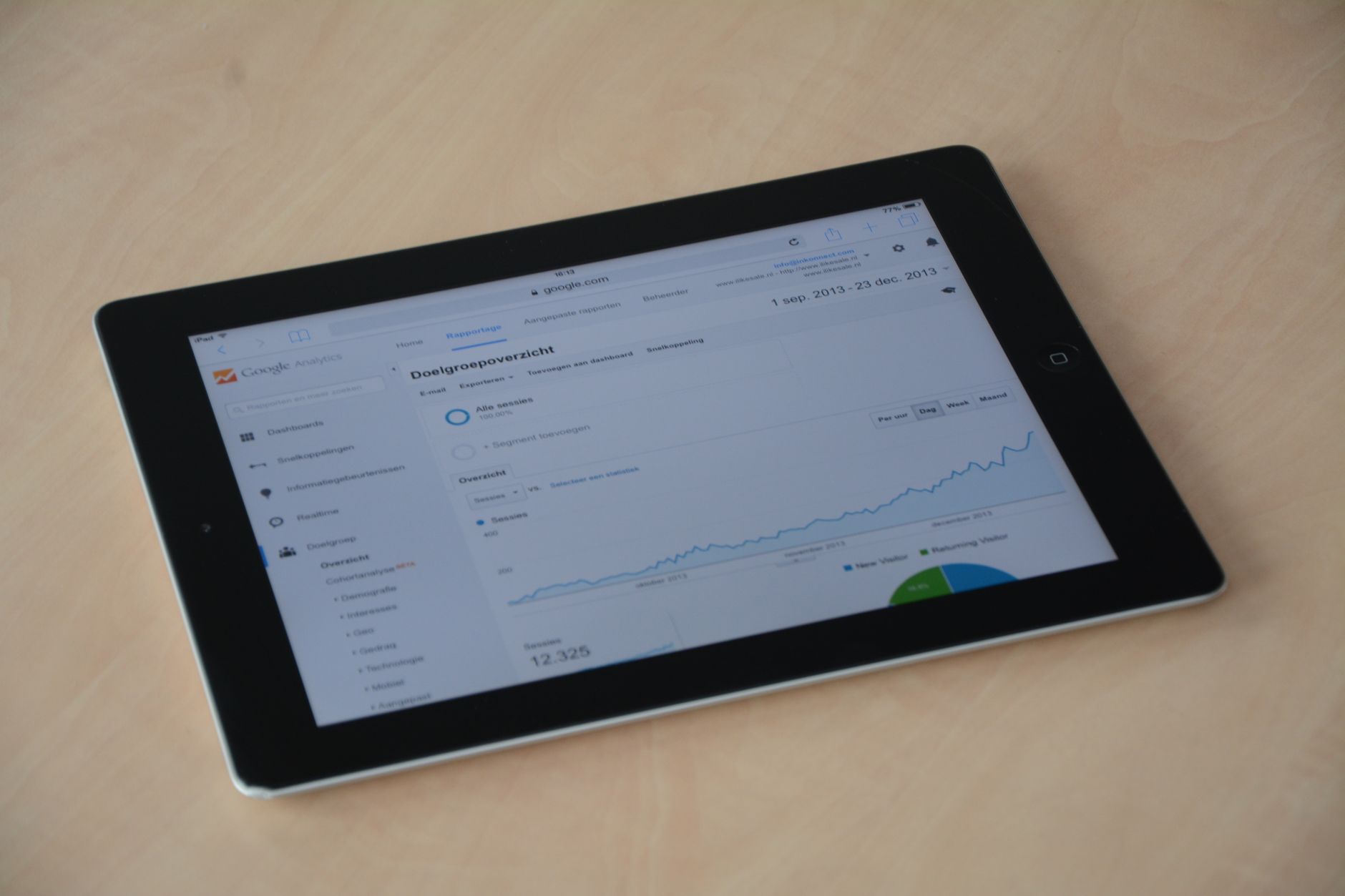
Installs are the vanity number that makes a dashboard look healthy while the business leaks underneath. The numbers that decide whether an app grows are activation, the share of installs that reach the first real moment of value, and retention, the share still opening the app weeks later. Optimise installs alone and you will happily pay to acquire users who never activate, which feels like growth and behaves like a slow loss.
Here is what the difference looks like with real-ish numbers, shown as an illustration rather than a cited statistic. Say two versions of the same app each win 1,000 installs in a month. Version A leaves onboarding to chance: 30 percent reach the first value and 6 percent are still active at day thirty, which is 60 retained users. Version B fixes the first session and earns the early return visit: 55 percent activate and 14 percent are still active at day thirty, which is 140 retained users. Same install count, same spend, more than double the business. That gap did not come from a bigger budget. It came from measuring and fixing the steps after the download.
| Version | Installs | Activation rate | Day 30 retention | Retained users |
|---|---|---|---|---|
| A (installs-focused) | 1,000 | 30% | 6% | 60 |
| B (activation-focused) | 1,000 | 55% | 14% | 140 |
Pick two or three numbers and watch them every week: installs, activation rate, and a retention figure that fits your app, whether that is day seven, day thirty, or weekly active users. Track them by source so you can see which channel brings users who stay rather than users who vanish. Then spend behind the source and the product changes that move retention, because on a tap-to-install product, the cheapest growth is almost always keeping the users you already paid to win.
The Order That Works
The pattern across all six steps is the same. Start with the store, because that is where demand decides. Build an audience before you launch, so day one has momentum. Earn the first reviews and ratings, because strangers read them first. Treat onboarding and retention as the marketing that turns a download into a habit. Add acquisition channels only once the basics hold. And measure activation and retention, never installs alone, so your spend compounds instead of leaking away. Run the worked example against your own numbers first. A small lift in activation, on the installs you already win, often beats a month of buying more downloads into a leaky app.