

Why Most Launches Fall Flat
The common launch mistake is building in private for months, then announcing to an audience that does not exist yet and wondering why the room is empty. The product might be good. The problem is that nobody was waiting for it, nobody understood in a sentence who it was for, and there was no reason to act on the day you finally pressed publish.
This is the single biggest risk in any launch, and the data backs it up. When CB Insights analysed post-mortems from hundreds of failed startups, the top reason businesses gave for failure was "no market need", cited in 42 percent of cases, ahead of running out of cash. You can read the full breakdown in the CB Insights report on why startups fail. Building something nobody wanted, or never confirming they wanted it, sinks more launches than any other single cause. The order in this guide exists to take that risk off the table early, by putting positioning and audience before build effort and launch noise.
A little marketing science explains why the pre-launch weeks matter so much, and it helps to name the ideas in plain English. Three do most of the work here.
- Positioning. Being obviously right for a specific customer. When someone can tell in seconds who the product is for and why it beats their current option, they choose it without a long internal debate. Vague positioning forces the buyer to do the work of figuring you out, and most will not bother.
- Mental availability. Being the name that comes to mind when the need arises. You build it before launch by showing up consistently in front of the right people, so that on launch day you are a known quantity, not a cold pitch.
- Buying moments. The real-life situations that make someone ready to act. A launch creates an artificial buying moment with a deadline and a reason, which is why a time-bound offer converts an interested audience far better than an open-ended "it's available now".
You do not need to study any of this to use it. The five stages below put all three to work in order.

Stage 1: Nail Positioning and Audience Before You Build Too Much
Before you pour weeks into building, settle two questions: who is this product for, and why would they choose it over what they use today. If you cannot answer both in a sentence each, you are not ready to build at scale, and you are certainly not ready to launch.
Write the positioning down as a single plain line: this product helps [a specific kind of customer] do [a specific thing] better than [the alternative they use now]. Then test it against real people in that group. Show a few of them the idea, a rough page, or a short description, and watch whether they lean in or politely nod. The signal you want is not praise, it is intent: people asking when it will be ready, offering to pay early, or telling you the exact problem it would solve for them. That confirms the market need CB Insights found so many failed launches lacked, and it costs you little to learn before you have built the whole thing.
Getting this right early also makes every later stage easier. Sharp positioning writes your launch copy for you, tells you which audience to build a list from, and gives people a reason to act that does not depend on hype. If you are launching a software product in particular, two pieces go deeper on this: how to market a startup covers finding and reaching that first audience, and marketing for SaaS founders covers the positioning and funnel work specific to software.

Stage 2: Build a Pre-Launch List of People Who Want It
A launch to a list of interested people works. A launch to nobody does not. The most important number you build before launch day is the size and warmth of the audience waiting to hear from you, because that audience is what turns an announcement into sales.
Start collecting interested people the moment your positioning is clear, well before the product is finished. A simple landing page that explains who the product is for, what it does, and why it is worth waiting for, paired with a way to register interest, is enough. Drive people to it from wherever your future customers already gather: a few useful posts, a relevant community, a partner's audience, your existing customers. Every name on that list is someone who has raised their hand, which makes them warmer than any stranger you could reach with an ad on launch day.
Then keep the list warm rather than letting it go cold. Send the occasional update, a behind-the-scenes look, a question that invites a reply, an early peek at what is coming. This is mental availability being built deliberately: by launch day you want to be a familiar name with a known promise, not a sudden pitch out of nowhere. A list of a few hundred truly interested people will out-convert a launch shouted at thousands of strangers, because warmth beats reach when it comes time to act. Our guide to product marketing for founders covers how to turn that early interest into a positioning and messaging system you can reuse.

Stage 3: Craft the Launch Offer and the Sequence Around It
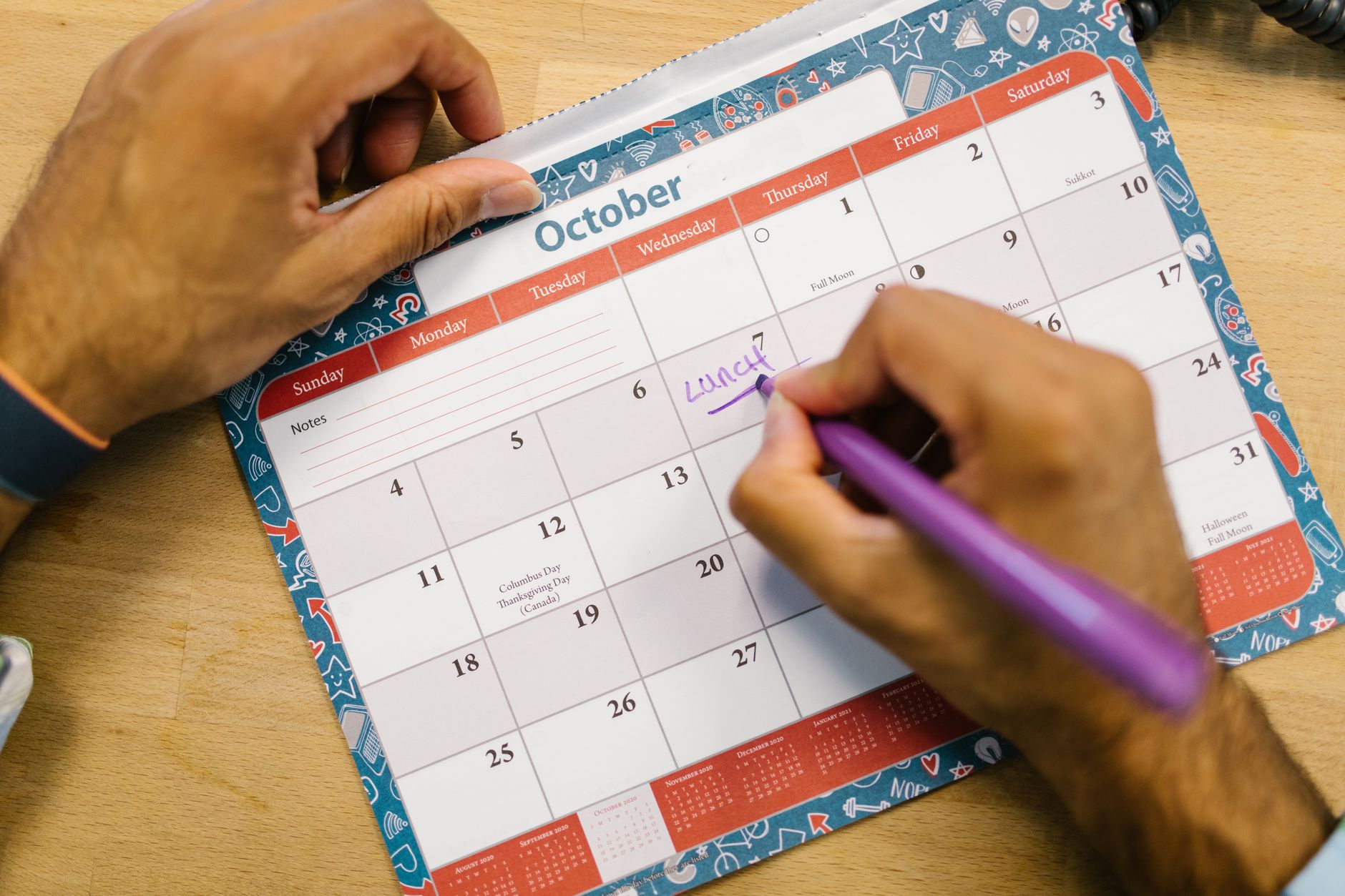
An interested list still needs a reason to act on a specific day. That reason is your launch offer, and the sequence is how you build toward it so people are ready when it opens.
The offer is what makes launch day a buying moment instead of a quiet "it's available now". Give early buyers something real and time-bound: a launch price that rises after the first week, a bonus for the first wave, founding-customer access, or a limited number of spots. The point is a clear reason to act now rather than drift, which is what converts interest into a sale. Make the offer specific, make the deadline honest, and make the value obvious.
Then build the sequence that leads up to it, so the offer does not arrive cold. A workable shape for a small team running its own launch:
- One to two weeks before: tell the list it is coming, with a date and a hint at the launch offer. Build anticipation, answer the obvious questions, invite replies.
- Launch day: open it, state the offer plainly, and make the next step a single obvious action. One email, one clear call to act, no clutter.
- During the offer window: send two or three reminders that the offer is live and closing, each adding one new angle, a use case, a question answered, a piece of proof, so you are giving a fresh reason rather than repeating yourself.
- As the window closes: a final honest reminder that the launch offer ends, which routinely brings a meaningful share of the people who were going to act but had not yet.
This sequence is what separates a launch from a single announcement that sinks the moment it is posted. The deadline does the heavy lifting, so let it.
Stage 4: Run the Launch-Day Push
Launch day is the push, and it works because of everything you built before it. The job now is coordination: hit your warm audience across every channel you have, at the same time, with the same clear message and the same single action.
Send the launch email to your list first, because it is your warmest audience and the one most likely to act in the first hour. Then echo it everywhere your customers already are: your social channels, any communities you belong to, partners who agreed to share, your existing customers. Keep the message consistent so it reinforces rather than confuses, and keep the call to action single and obvious. A launch with five different asks splits attention and converts worse than one with a single clear one.
Stay present through the day rather than posting once and disappearing. Reply to questions quickly, because a fast answer at the buying moment turns a maybe into a yes, the same speed advantage that wins enquiries in any business. Share early signs of momentum where it is genuine, a first wave of sign-ups, a kind word from an early customer, because visible momentum gives the people still deciding the social proof to act. Launch day rewards being available and responsive, not only being loud.

Stage 5: Follow Through After Launch So Momentum Compounds
The launch is the start, not the finish. The businesses that get the most from a launch keep the momentum working long after the launch offer closes, instead of treating launch day as a finish line and going quiet.
Once the window shuts, follow up with the people who showed interest but did not buy, with a plain reason to act now that the launch price has gone, or an answer to the objection that held them back. Onboard your new customers well, because a strong first experience turns launch buyers into the people who refer the next wave. Gather their words while the experience is fresh, the testimonials and case studies that make your next campaign easier and more credible. Then fold what you learned back into your evergreen marketing, so the product keeps selling steadily once the launch noise fades.
This is where a launch stops being a one-off spike and becomes the foundation of steady growth. The list you built, the positioning you sharpened, the proof you gathered, all of it keeps working for the next launch and the everyday marketing in between. A launch handled this way compounds, each one feeding the next.

A Worked Launch Plan
Here is the order on a timeline you can map onto your own dates, for a small business running the whole launch itself.
- Weeks one and two: write the positioning in one line, test it on a handful of real people in your target group, and confirm genuine intent before building further.
- Weeks three to six: stand up a simple pre-launch landing page, start collecting interested people, and keep the list warm with occasional honest updates while you finish the product.
- Week seven: decide the launch offer and its deadline, and draft the full sequence end to end before you send anything.
- One to two weeks out: tell the list it is coming, with a date and a hint at the offer.
- Launch day: open it across every channel at once, with one clear offer and one clear action, and stay present to answer questions.
- The offer window: run two or three reminders, each adding a fresh angle, then a final honest close.
- After: follow up with the undecided, onboard new customers well, gather their words, and fold the lot back into your everyday marketing.
Run your own dates against this shape and the launch stops being a single nervous day and becomes a plan you can repeat. The pattern holds for almost any product a small business launches: positioning and audience first, offer and sequence next, the push on the day, the follow-through after. Get the order right and launch day takes care of itself.