

Start With Who Your Best Customer Is
Marketing fails most often because it speaks to everyone and lands with no one. Before any channel, get specific about who you are for. Not a vague demographic, a real picture of the person who already buys, pays a fair price, comes back, and recommends you. Look at your last twenty customers. Who were the ones you would happily clone? What did they need, what made them choose you, what almost stopped them? The answers tell you who to aim at and what to say.
This matters because of a marketing-science idea worth naming in plain English: buying moments. A buying moment is the real-life situation that triggers someone to start looking. A boiler that stops, a new baby on the way, a quote that finally needs chasing, a fridge that dies the week before a party. Customers do not buy on your schedule, they buy when the moment hits. When you know your best customer, you know the moments that send them looking, and you can be ready and visible exactly then. Aiming at everyone means you are ready for no moment in particular.
Write down, in one or two sentences, who your best customer is and the moment that sends them looking for you. Keep it where you will see it. Every decision that follows, the words on your homepage, the channel you pick, the reviews you ask for, gets easier and sharper once that sentence exists.

Position So the Right Person Recognises You
Positioning is being obviously right for a specific customer. When someone lands on your site or your profile, they should be able to tell in a few seconds that you are built for someone like them. Get that wrong and even a perfect customer bounces, because a vague "we do quality work for great prices" tells them nothing and sounds like everyone else. Get it right and the right person feels you were made for them, and chooses you over a blurrier competitor without thinking hard about it.
Strong positioning answers three questions a customer is asking, often without saying them out loud. What exactly do you do? Who is it for? Why you rather than the next option? A plumber who says "emergency boiler repairs across north Leeds, same-day callout, fixed price quoted before we start" has positioned themselves. A searcher with a cold radiator knows in one line that this is their business. Compare that to "professional plumbing services, no job too big or small", which could be anyone and is remembered by no one.
This is where another principle earns its place: mental availability, being the business that comes to mind the moment someone is ready to buy. Clear positioning builds it, because a sharp, specific message is far easier to remember than a generic one. Say the same clear thing in the same clear way everywhere you appear, your homepage, your Google profile, your social bio, and you become the name that surfaces when the buying moment arrives. Consistency is not dull, it is how memory works.
Get Found When They Search
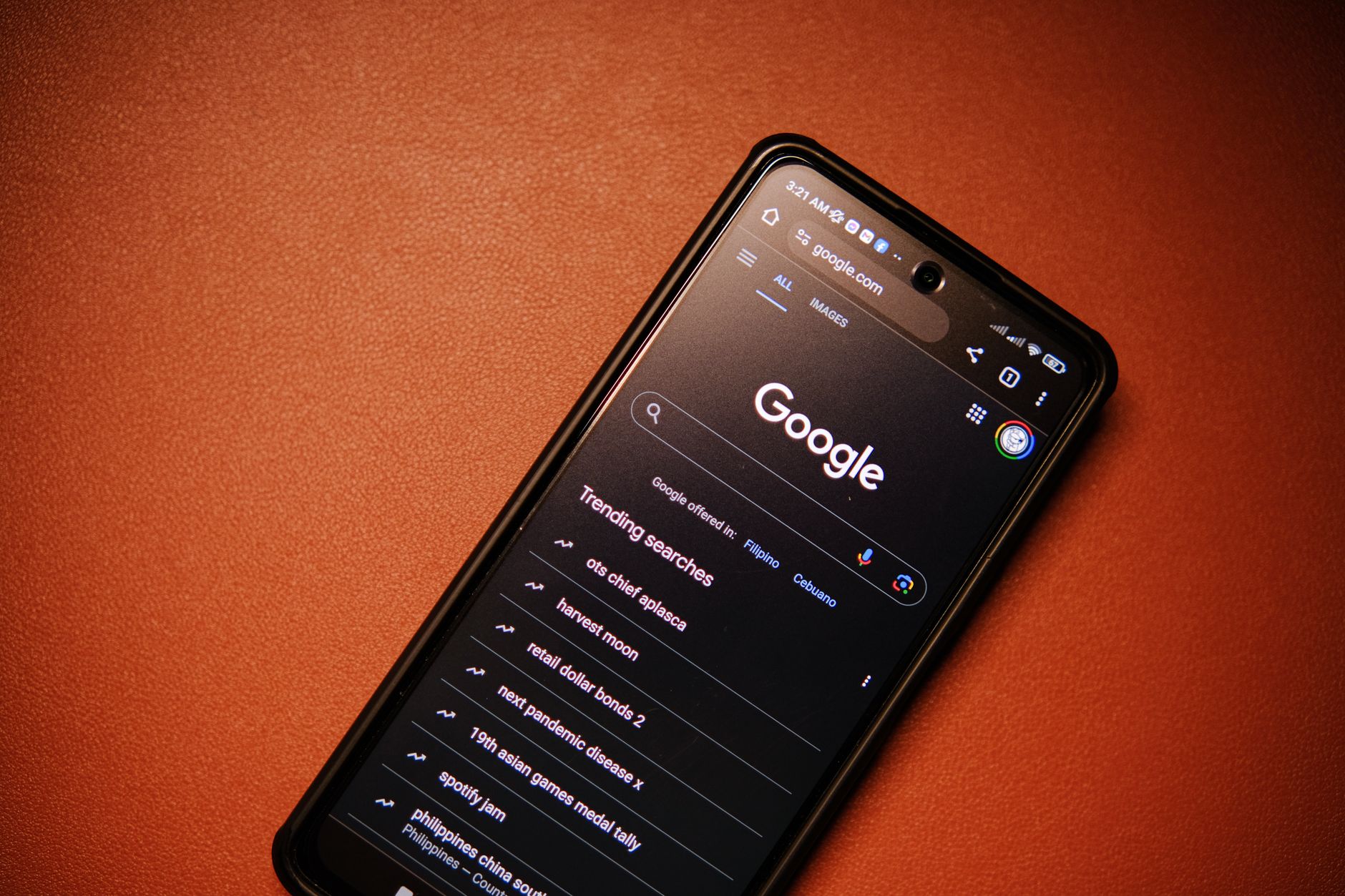
Once you know your customer and how to speak to them, make sure they can find you at the buying moment. For most small businesses, the highest-return move here is local search: showing up when someone nearby types what you do into Google or Maps. This is intent-rich demand. The person searching has already decided they want what you sell, they are choosing a supplier, not deciding whether to buy. Being found first, and looking trustworthy, often wins the customer before they have read a word of your website.
Three things do most of the work. First, claim and complete your Google Business Profile: the right categories, real photos, accurate opening hours, your service area, and the services you offer. An incomplete profile loses to a complete one in the local results. Second, keep a steady trickle of recent reviews coming in, because review quantity and recency push you up the local rankings and win the click. Third, make sure the page someone lands on answers the search plainly, with your location, your offer, and an obvious way to get in touch, so the visit becomes an enquiry rather than a bounce.
If your business serves a local area, two resources go deeper on the specifics of being found nearby: our hub on marketing for local businesses and the practical list in small business marketing ideas.

Earn Reviews and Word of Mouth
Reviews are how strangers decide to trust you at the exact moment they are ready to act. They do the persuading you cannot do yourself, because a recommendation from another customer carries weight your own marketing never will. The numbers back this up. BrightLocal's annual research found that 97 percent of consumers read online reviews for local businesses, and in 2026 the share who "always" read reviews when browsing jumped to 41 percent, up from 29 percent the year before. You can read the BrightLocal Local Consumer Review Survey here. For a business with thin or stale reviews, that is customers lost before you ever hear from them.
The fix is a simple, repeatable habit rather than a one-off push. Ask every happy customer for a review at the natural high point, right after you have delivered and they are pleased. Make it easy with a direct link to your Google profile, so leaving a review takes seconds. Reply to the reviews you get, the good and the awkward, because a calm, helpful reply to a complaint often persuades a reader more than the complaint puts them off. Word of mouth works the same way: ask satisfied customers to mention you to a specific person who might need you, rather than a vague "tell your friends". Trust compounds. The more recent, specific, well-answered reviews you carry, the easier every other part of your marketing becomes.
Do One or Two Channels Well
The biggest waste in small business marketing is spreading thin across every channel and doing none of them properly. Five half-tended platforms beat nobody. One or two, chosen because that is where your best customer spends time and done consistently, beat the lot. Pick by following your customer, not the trend. A wedding photographer belongs on Instagram. A local trades business lives or dies on Google and reputation. A B2B consultant earns trust on LinkedIn and email. Go where your moment-ready customer already looks.
Consistency is the lever, and it ties back to mental availability. Showing up steadily in one place, week after week, builds the memory that makes you the name people reach for. A burst of activity followed by silence builds nothing. So choose your channel, set a rhythm you can keep, weekly or fortnightly rather than daily-then-never, and hold it. Email deserves a special mention, because it is the one channel you own outright. A simple list you can email when you have something worth saying compounds over time, turning one-off buyers into repeat customers who already trust you. For the groundwork under all of this, our guide on marketing fundamentals sets out the basics every channel sits on.

Measure What Brings Customers
Marketing you do not measure is marketing you cannot improve. You do not need a complicated dashboard, you need to know roughly where your customers come from and which efforts produce them. The simplest method costs nothing: ask every new customer how they found you, and write it down. After a month or two, a pattern appears. Most small businesses discover that one or two sources bring the bulk of their customers, while the activity they spend the most time on brings almost none.
That knowledge is the whole point of measuring, because it tells you what to double down on and what to drop. Track the few things that matter: where enquiries come from, how many turn into customers, and which channel produced them. Then move your effort toward what pays and away from what does not. This is how a small marketing budget compounds. Instead of spreading attention evenly across everything, you feed the channels that work and retire the ones that do not, and your results climb month after month without spending more. If you want a wider menu of tactics to test once the foundation holds, our small business marketing ideas guide and the deeper dive in how to get more customers both build on this base.

A Worked Example
Picture a small home-cleaning business marketing itself across everywhere and nowhere: occasional posts on three platforms, a half-finished Google profile, eleven old reviews, no idea which effort brings customers. It gets around 30 enquiries a month and converts a third, so 10 customers.
Now run the order. The owner writes down their best customer: busy professional households in two nearby postcodes, the buying moment being a move or a new baby. They sharpen the homepage to say exactly that. They complete the Google Business Profile and start asking every happy customer for a review, lifting from eleven stale reviews to a steady stream of recent ones, which pushes them up the local results and wins more clicks. They drop two neglected platforms and put that time into one channel, posting weekly and emailing past customers monthly. They ask every new customer how they found them and learn that Google and referrals bring nearly everything, while one platform brings nothing.
Enquiries rise from 30 to 45 a month as the profile and reviews pull in more local search, and clearer positioning lifts conversion from a third to 40 percent. The business now wins 18 customers a month instead of 10, with no extra spend, by building the foundation in order rather than scattering effort.
| Stage | Enquiries per month | Conversion rate | New customers |
|---|---|---|---|
| Before | 30 | 33% | 10 |
| After the order | 45 | 40% | 18 |
The lift did not come from a clever campaign. It came from knowing the customer, positioning clearly, getting found, earning reviews, focusing the channels, and measuring what worked. That is marketing a small business, in the order that compounds.